

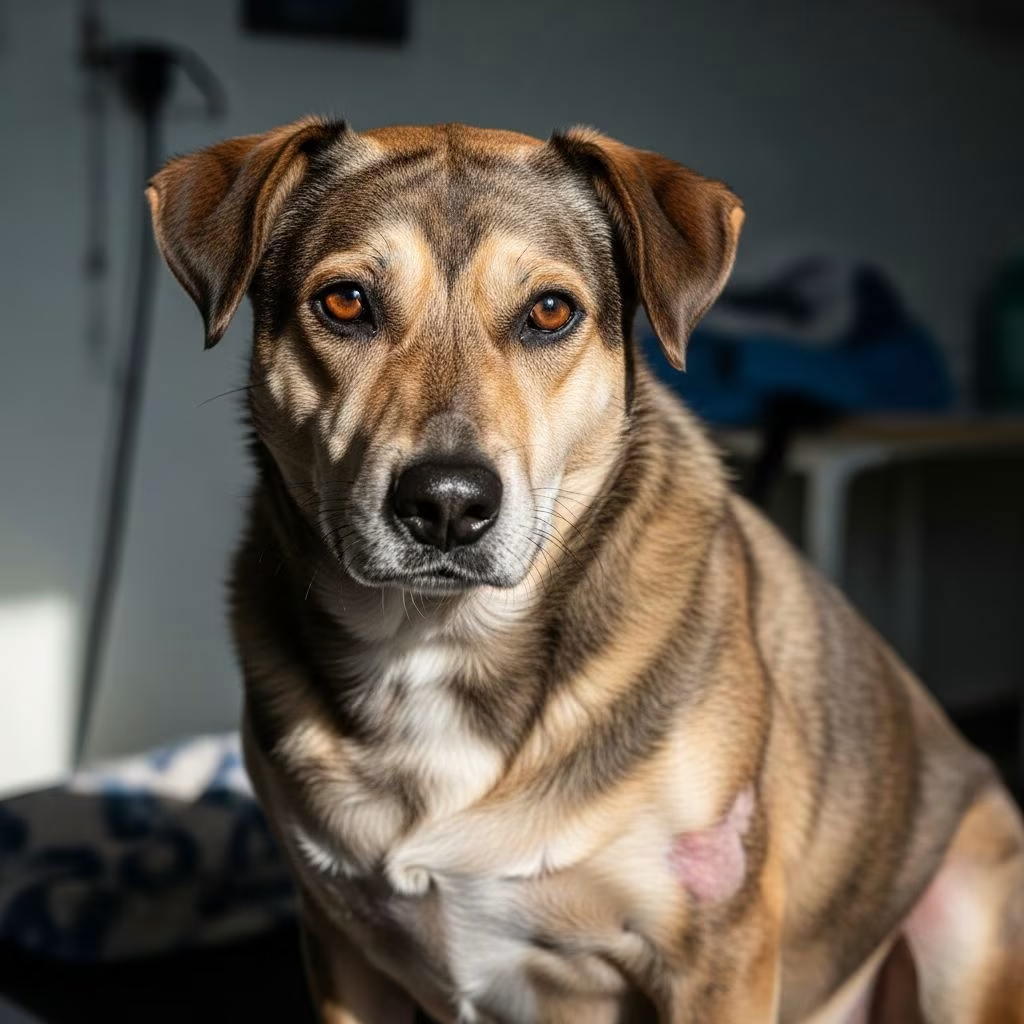
Atypical Cushing’s disease represents a challenging subset of hyperadrenocorticism in dogs, where classic symptoms mimic traditional Cushing’s but standard cortisol-based tests return normal results. This condition often involves elevated steroid precursors or sex hormones rather than excess cortisol, complicating diagnosis and treatment.
Understanding the Basics of Cushing’s Disease
Cushing’s disease, or hyperadrenocorticism, occurs when a dog’s body produces too much cortisol, a vital stress hormone regulated by the pituitary and adrenal glands. In typical cases, this leads to noticeable changes like increased thirst (polydipsia), frequent urination (polyuria), ravenous hunger (polyphagia), a distended abdomen, thinning skin, hair loss (alopecia), and muscle weakness.
The disease splits into two main forms: pituitary-dependent (85-90% of cases), where a pituitary tumor overproduces ACTH, stimulating both adrenal glands, and adrenal-dependent (10-15%), caused by a tumor on one adrenal gland. Diagnosis usually relies on bloodwork showing elevated alkaline phosphatase (ALP), dilute urine, and specific suppression or stimulation tests.
What Makes Atypical Cushing’s Different?
In atypical cases, dogs exhibit identical symptoms—potbelly, panting, poor coat quality, excessive drinking and urination—but cortisol levels test normal on ACTH stimulation and low-dose dexamethasone suppression (LDDS) tests. Veterinary researchers, particularly at the University of Tennessee, identified elevated intermediates like progesterone, 17-hydroxyprogesterone, androstenedione, or estradiol (sex steroids) as culprits.
This “adrenal hyperplasia-like syndrome” suggests a glitch in the steroid synthesis pathway, where precursors build up instead of converting to cortisol. Unlike classic Cushing’s, atypical forms can be pituitary- or adrenal-origin, with liver enlargement and high liver enzymes common in both.
- Pituitary-dependent atypical: Both adrenal glands enlarged, elevated endogenous ACTH, hepatomegaly.
- Adrenal-dependent atypical: One adrenal enlarged (other atrophied), suppressed ACTH.
Common Symptoms Overlapping with Classic Forms
Owners often notice polydipsia and polyuria first, prompting vet visits. Other signs include lethargy, skin infections, calcinosis cutis (hard skin lumps), and panting even at rest. Haircoat issues range from symmetric alopecia to poor regrowth, while a pendulous abdomen signals weakened abdominal muscles.
| Symptom | Classic Cushing’s | Atypical Cushing’s |
|---|---|---|
| Thirst/Urination | High | High |
| Hair Loss | Common | Common |
| Potbelly | Present | Present |
| Cortisol Tests | Abnormal | Normal |
| Sex Steroids | Normal | Elevated |
This table highlights symptom similarities but key diagnostic divergence.
Diagnostic Challenges and Standard Tests
Initial vet exams include history, physical checks for potbelly or thin skin, and baseline bloodwork revealing high ALP, cholesterol, and a stress leukogram (elevated neutrophils, low lymphocytes). Urine tests show dilute samples with protein traces.
Core tests for classic Cushing’s are:
- LDDS Test: Dexamethasone injection; cortisol should suppress after 8 hours in healthy dogs but doesn’t in affected ones.
- ACTH Stimulation: ACTH injection post-baseline cortisol draw; exaggerated response indicates Cushing’s.
These fail in atypical cases, leading to frustration.
Advanced Testing for Atypical Confirmation
To unmask atypical Cushing’s, vets turn to extended adrenal panels measuring sex steroids and precursors via specialized labs like UTK. High estradiol (hyperestrinism) mimics cortisol effects, with normal thyroid and cortisol but liver issues.
Abdominal ultrasound visualizes adrenal size: symmetric enlargement suggests pituitary form; unilateral points to adrenal tumor. Endogenous ACTH levels differentiate: high in pituitary, low in adrenal. Skin biopsies may reveal endocrine alopecia.
Other tools include high-dose dexamethasone suppression (HDDS) or urine cortisol:creatinine ratio, though less specific for atypicals.
Potential Links to Other Conditions
Elevated precursors correlate with sudden acquired retinal degeneration syndrome (SARDS), causing abrupt blindness. Liver hepatopathy is prevalent, with enlarged organs and enzyme spikes. Hyperestrogenism from testicular or adrenal sources adds hair loss and panting.
Treatment Approaches for Atypical Cases
Unlike classic Cushing’s, where trilostane or mitotane target cortisol, atypicals lack FDA-approved drugs. Management focuses on symptoms and underlying hormones.
- Trilostane: May lower precursors in some pituitary cases, improving signs.
- Mitotane: High doses for adrenal tumors, risking cortisol undershoot.
- Surgery: Adrenalectomy for unilateral tumors, though risky.
- Hormone Blockers: Experimental use of leuprolide acetate for sex steroids.
Lifestyle aids include low-fat diets for hepatopathy, frequent small meals to curb polyphagia, and monitoring water intake (measure daily bowl refills). Regular ultrasounds track adrenal changes.
Prognosis and Long-Term Monitoring
Outcomes vary; pituitary atypicals respond partially to meds, while adrenal forms may need surgery. Untreated, complications like diabetes, infections, or SARDS worsen quality of life. Owners should track symptoms via logs and retest panels every 3-6 months.
Prevention and Early Detection Tips
No direct prevention exists, but breed risks (Poodles, Dachshunds, Boxers over 7 years) warrant vigilance. Annual senior bloodwork catches ALP elevations early. Avoid steroid overuse, a common iatrogenic cause.
Frequently Asked Questions (FAQs)
What breeds are prone to atypical Cushing’s?
Small breeds like Poodles, Terriers, and Beagles show higher incidence, mirroring classic forms.
Can diet help manage symptoms?
Yes, low-fat, high-fiber diets support liver health and weight control amid polyphagia.
Is surgery always needed for adrenal atypical?
No, medical management works for some, but tumors may require removal.
How long do dogs live with atypical Cushing’s?
With treatment, 2-4 years post-diagnosis, depending on response and complications.
Are there home tests for monitoring?
Track water intake (normal: 20-70ml/kg/day) and weigh weekly; consult vets for panels.
Navigating Veterinary Care
Seek board-certified internal medicine specialists for complex cases. Discuss full steroid profiles early if symptoms persist despite negative cortisol tests. Owner education on polyuria logs aids accurate diagnosis.
Atypical Cushing’s underscores endocrinology’s nuances; persistence pays off in restoring vitality.
References
- Diagnosing Atypical Cushing’s Disease in Dogs — Whole Dog Journal. 2018-07-18. https://www.whole-dog-journal.com/health/diagosing-atypical-cushings-disease-in-dogs/
- Cushing’s Disease in Dogs: Symptoms, Diagnosis, and Treatment — PetMD. N/A. https://www.petmd.com/dog/conditions/endocrine/cushings-disease-in-dogs-symptoms-diagnosis
- Cushing’s Disease in Dogs: Signs and Treatment — MedVet. N/A. https://www.medvet.com/cushings-disease-in-dogs/
- Cushing’s Disease in Dogs — VCA Animal Hospitals. N/A. https://vcahospitals.com/know-your-pet/cushings-disease-in-dogs
- Fun with atypical Cushing’s disease and extended adrenal panels — dvm360. N/A. https://www.dvm360.com/view/fun-with-atypical-cushings-disease-and-extended-adrenal-panels-proceedings
- The atypical Cushing patient — Delaware Valley Academy of Veterinary Medicine. 2010-05. http://www.delawarevalleyacademyvm.org/pdfs/may10/atypical_cushing.pdf



