

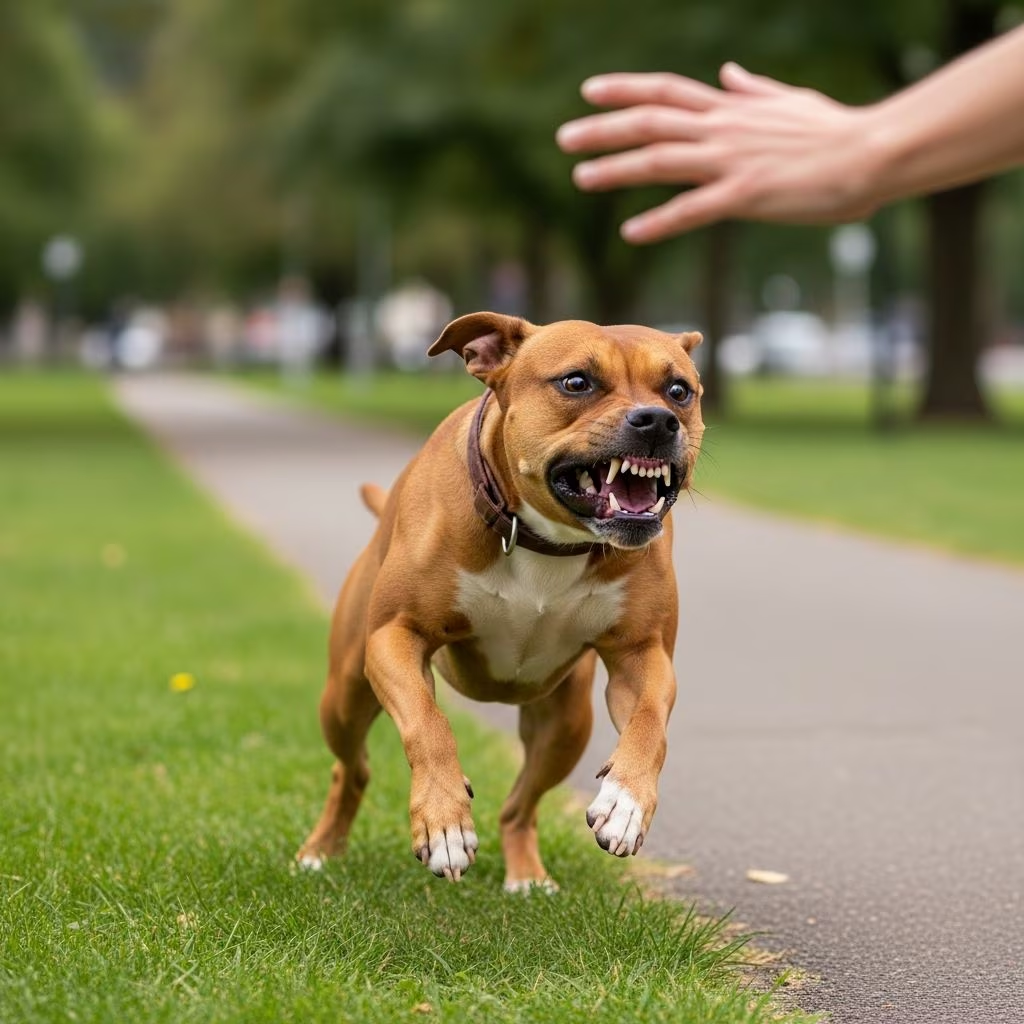
Dogs that bite without clear warning signals often leave owners shocked and concerned. These incidents, perceived as unprovoked, usually stem from underlying emotional or physical triggers that humans overlook. Understanding these root causes empowers pet owners to create safer environments and foster positive behaviors.
Decoding Sudden Aggression in Dogs
Aggression in dogs rarely occurs without provocation; instead, subtle cues like stress or discomfort build up until they erupt. Fear ranks as the primary driver, where a dog in a perceived threatening situation opts for defense when escape isn’t viable. Tense body language, such as stiff posture or averted gaze, often precedes these reactions, even if no growl is audible.
Resource guarding represents another common factor, where dogs fiercely protect valued items like food bowls, toys, or even family members. This possessive behavior escalates if someone approaches too closely, ranging from stiffening to snapping.
Common Triggers Behind Apparent Unprovoked Bites
- Fear-Based Responses: Dogs feeling cornered exhibit fight responses, biting to create distance. This is especially true in unfamiliar settings or with sudden movements.
- Pain or Illness: Hidden injuries prompt defensive snaps, as dogs associate touch with further discomfort. Watch for changes in appetite, mobility, or vocalization as early indicators.
- Frustration from Barriers: Leashes, fences, or doors prevent natural interactions, leading to lunging or barking at passersby. This ‘leash reactivity’ builds from repeated restrained encounters.
- Prey Drive Activation: Quick motions or small animals trigger instinctive chasing, misinterpreted as aggression but rooted in hunting urges.
- Status or Redirected Tension: Dogs asserting control or unable to reach a distant irritant may lash out at nearby companions.
Health-Related Factors in Canine Aggression
Medical issues frequently masquerade as behavioral problems. Conditions like thyroid imbalances, orthopedic pain, or neurological disorders heighten irritability. Geriatric dogs may show confusion-driven snaps due to cognitive decline. Always consult a veterinarian first to rule out pain or illness before behavioral training.
A study highlights low serotonin levels correlating with impulsive aggression in certain breeds, underscoring biochemical influences.
| Sign of Pain | Behavioral Change |
|---|---|
| Increased Vocalization | Whining or growling more frequently |
| Appetite Shifts | Eating less or guarding food aggressively |
| Posture Alterations | Hunched back or limping |
| Activity Drop | Reluctance to play or move |
Environmental and Social Contributors
Insufficient early socialization leaves dogs wary of strangers or other pets. The critical window closes around 16 weeks, after which negative experiences cement fearful responses. Barrier frustrations, like fence fighting, reinforce aggressive patterns through learned territoriality.
Training mishaps, such as using aversive tools like shock collars, exacerbate issues by associating pain with handlers, worsening reactivity.
Strategies for Managing and Preventing Aggression
Prevention starts with avoidance of known triggers while building positive associations. For resource guarding, feed in separate areas and trade items for treats to desensitize possessiveness.
- Veterinary Assessment: Schedule a full check-up to exclude medical causes.
- Professional Guidance: Engage certified behaviorists for tailored plans.
- Desensitization Training: Gradually expose dogs to triggers at sub-threshold levels, rewarding calm behavior.
- Exercise and Enrichment: Daily mental and physical outlets reduce pent-up frustration.
- Safe Containment: Use baby gates or crates positively to manage interactions.
For leash reactivity, practice loose-leash walks in low-distraction areas, turning away from triggers to interrupt focus.
Recognizing Early Warning Signs
Proactive owners spot micro-signals: lip licking, yawning, whale-eye (whites showing), or freezing. Intervene by creating space rather than punishing, which heightens fear. Teaching ‘look at me’ cues redirects attention effectively.
Important: Never punish aggression; it amplifies underlying anxiety and risks handler bites.
breed Considerations and Risk Factors
While any dog can aggress, genetics play a role. Breeds with strong guarding instincts require specialized handling. Early puppy classes mitigate risks, emphasizing positive reinforcement over dominance methods.
Real-World Case Studies in Aggression Management
Consider a dog snapping at guests: Underlying fear from poor socialization. Solution involved counter-conditioning with treats during controlled visits, yielding calm greetings within weeks. Another case of food guarding resolved via hand-feeding exercises, rebuilding trust.
Pain-induced cases improve post-treatment; a limping dog ceased biting after joint therapy.
FAQs on Unprovoked Dog Aggression
What should I do if my dog bites without warning?
Separate safely, vet check immediately, and consult a behaviorist. Avoid triggers pending professional advice.
Can medication help aggressive dogs?
Yes, for underlying anxiety or serotonin issues, but only under veterinary supervision alongside behavior mod.
Is muzzle training recommended?
Absolutely for safety during rehab; pair with positive associations like treats to reduce stress.
How long does training take?
Varies from weeks to months, depending on cause severity and consistency.
Should I rehome my aggressive dog?
Only as last resort after exhausting professional interventions; many improve dramatically.
Building a Harmonious Life with Your Dog
Transforming an aggressive dog demands patience, knowledge, and commitment. Prioritize safety, seek experts, and celebrate progress. Most dogs respond well to empathetic, science-based approaches, leading to trusting bonds.
Expand routines with puzzle toys, scent games, and obedience drills to channel energy positively. Track behaviors in a journal to monitor improvements and setbacks.
For multi-dog homes, structured introductions prevent redirected aggression. Feed separately, walk individually if reactive, and supervise play.
Community resources like AKC training tips reinforce home efforts.
References
- 8 Reasons Your Dog Is Suddenly Aggressive (and How to Stop It) — GoodRx. 2023. https://www.goodrx.com/pet-health/dog/why-is-my-dog-always-aggressive
- Dog Aggression: Signs, Causes, and How to Manage — Best Friends Animal Society. 2023. https://bestfriends.org/pet-care-resources/dog-aggression-signs-causes-and-how-manage
- Dog Behavior Problems – Aggression Toward Unfamiliar Dogs – Diagnosis — VCA Animal Hospitals. 2023. https://vcahospitals.com/know-your-pet/dog-behavior-problems-aggression-unfamiliar-dogs-diagnosis
- Understanding the Difference Between Reactivity and Aggression — American Kennel Club. 2023. https://www.akc.org/expert-advice/training/reactivity-vs-aggression/
- Review on Selected Aggression Causes and the Role of… — PMC (PubMed Central). 2022-02-10. https://pmc.ncbi.nlm.nih.gov/articles/PMC8833765/
- Aggression Toward Owners is Always Problematic, but When is it… — Michigan State University College of Veterinary Medicine. 2023. https://cvm.msu.edu/vetschool-tails/aggression-toward-owners-is-always-problematic-but-when-is-it-pathologic
- Aggression — ASPCA. 2023. https://www.aspca.org/pet-care/dog-care/common-dog-behavior-issues/aggression



