
Nutritional Risks in Unprocessed Pet Feeding Approaches
Understanding the hidden dangers of alternative pet diet choices for your family
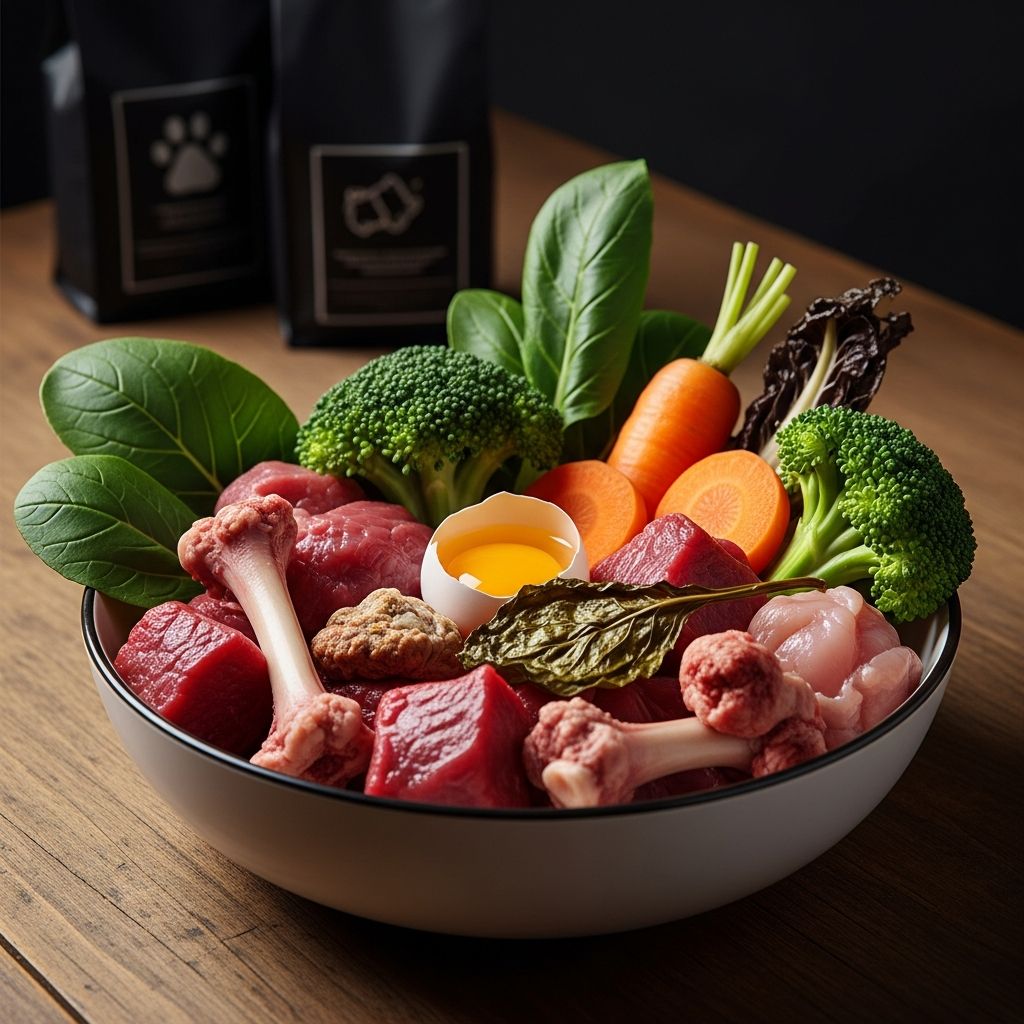
The decision to feed companion animals requires careful consideration of safety, nutritional adequacy, and household impact. While some pet owners explore unprocessed feeding alternatives, emerging research reveals significant health concerns that affect not only pets but also their human caregivers. Understanding these risks is essential for making informed dietary choices for your animals.
The Prevalence of Alternative Feeding Practices
Recent epidemiological research provides insight into current pet feeding trends. A comprehensive study examining animals with serious health diagnoses revealed noteworthy dietary patterns among affected pets compared to healthy populations. Approximately 71% of dogs with cancer diagnoses received commercially formulated nutrition, whereas roughly 90% of randomly surveyed healthy dogs consumed similar products. The disparity becomes more pronounced when examining alternative approaches: only 11% of animals with cancer diagnoses followed unprocessed or homemade feeding regimens, suggesting that commercially prepared options remain the predominant choice among pet owners seeking optimal health outcomes.
This statistical variation prompts critical inquiry into whether alternative feeding approaches provide adequate nutritional support and safety standards equivalent to established commercial products.
Understanding Microbial Contamination in Unprocessed Proteins
Bacterial Pathogen Prevalence
Raw and uncooked animal proteins present substantial microbial risks extending beyond simple nutritional inadequacy. Comprehensive scientific review published in peer-reviewed journals documents numerous bacterial infections associated with unprocessed diet consumption. The most frequently identified pathogens include common foodborne bacteria that pose danger to both animals and their human handlers.
Research conducted by the FDA Center for Veterinary Medicine examined over 1,000 pet food samples spanning a two-year period from October 2010 through July 2012. The investigation specifically screened for disease-causing bacteria known to trigger foodborne illnesses. Results demonstrated that unprocessed pet foods exhibited significantly higher contamination rates compared to alternative food preparation methods. Specifically, a substantial portion of raw pet products tested positive for Listeria monocytogenes, a particularly concerning pathogen that had not been systematically investigated in pet food prior to this research initiative.
Specific Pathogenic Organisms of Concern
Multiple dangerous microorganisms contaminate raw and unprocessed pet foods with alarming frequency. The following bacteria and parasites represent documented risks:
- Salmonella species – Consistently identified in raw pet food samples across European and North American surveys
- Listeria monocytogenes – Found in notably high percentages of raw pet products examined
- Shiga toxigenic E. coli – A virulent strain capable of causing severe gastrointestinal disease
- Campylobacter – Frequently detected in raw protein sources
- Parasitic agents – Including Toxoplasma gondii and exotic organisms such as Brucella suis
- Sarcocystis – Another parasitic concern identified in raw food products
Recent European surveillance identified Brucella suis, a zoonotic livestock pathogen, in raw meat products intended for pet consumption that were imported from Argentina into the European Union and United Kingdom. This discovery illustrates the complex supply chain risks associated with sourcing unprocessed animal proteins.
The Antimicrobial Resistance Challenge
Beyond conventional pathogens, unprocessed pet diets introduce a more insidious threat: antimicrobial-resistant bacteria. These organisms have evolved to survive antibiotic treatment, rendering standard medical interventions ineffective.
Research demonstrates that raw pet food commonly exceeds established hygiene thresholds for bacterial counts, particularly among Enterobacteriaceae species. These bacteria frequently encode resistance to critically important antibiotics, including extended-spectrum cephalosporins—medications of significant value in veterinary and human medicine. Animals consuming unprocessed diets create an elevated risk of shedding such resistant bacteria through fecal matter, potentially transmitting these organisms to household members and the broader community.
Studies examining dogs consuming raw diets report that up to 30% of these animals may shed pathogenic organisms in their feces. This transmission route poses particular concern for vulnerable populations within households, including young children, elderly individuals, and immunocompromised persons.
Nutritional Inadequacy and Formulation Challenges
Common Nutritional Deficiencies
Beyond microbial contamination, unprocessed and homemade pet diets frequently demonstrate significant nutritional imbalances. Research investigating both commercially available and homemade raw protein formulations consistently identifies nutritional problems that can compromise long-term health.
Documented deficiencies include critical mineral imbalances, particularly problematic calcium-to-phosphorus ratios. Additionally, specific vitamin deficiencies emerge in homemade formulations, where proprietors lack expertise in nutritional science and precise ingredient measurement. These biochemical imbalances may cause subtle yet progressive damage to organ systems, bone structure, and metabolic function when maintained over extended periods.
The Inherent Risk of Homemade Formulations
Homemade dietary approaches are inherently susceptible to nutritional inadequacy and unintentional deficiency. Without professional nutritional guidance from a board-certified veterinary nutritionist, even well-intentioned pet owners risk formulating diets that appear balanced but lack essential nutrients in appropriate proportions. The complexity of feline and canine nutritional requirements—including amino acid profiles, mineral bioavailability, and fat-soluble vitamin content—requires specialized knowledge beyond general cooking competency.
Human Health Implications and Transmission Pathways
Direct and Indirect Exposure Routes
The FDA has identified that unprocessed pet food diets present potential health risks not only to consuming animals but also to their human handlers. Contaminated raw proteins create multiple pathways for bacterial transmission to household members.
Individuals preparing unprocessed pet meals face direct exposure risks. Accidental ingestion of pathogens occurs through touching one’s mouth while handling contaminated food or after manipulating contaminated utensils. Bacterial contamination can also transfer to hands and clothing during food preparation, subsequently spreading pathogens to other people, household objects, and surfaces through normal contact.
Post-consumption transmission represents another significant route. Pets consuming unprocessed diets shed pathogenic bacteria in fecal matter. Household members, particularly those engaging in pet care activities, face exposure through contact with contaminated stool, especially when sanitation practices are inconsistent. Additional transmission occurs through close contact: kissing pets around the mouth or allowing pets to lick human faces dramatically increases bacterial transfer risk.
Vulnerable Population Considerations
Certain demographic groups face substantially elevated risk of serious disease from enteric pathogens found in unprocessed pet diets. These at-risk individuals include:
- Young children whose immune systems remain underdeveloped
- Elderly individuals with declining immune competence
- Pregnant women experiencing immune system alterations
- Immunocompromised persons with conditions affecting immune function
- People taking immunosuppressive medications
Notably, these vulnerable groups frequently participate in animal-assisted intervention programs where therapy animals provide significant psychological and physical benefits. The incompatibility of unprocessed pet diets with such programs creates a tragic paradox wherein protective measures may require dietary modifications that limit therapeutic animal participation.
Safe Handling Protocols for Raw and Unprocessed Foods
For pet owners who choose to proceed with unprocessed feeding despite documented risks, the FDA recommends implementing comprehensive safety measures:
- Maintain physical separation between raw pet food and human food to prevent cross-contamination
- Immediately refrigerate uneaten portions or dispose of leftovers safely according to local regulations
- Thoroughly wash hands for at least 20 seconds with soap and water after handling pet food or touching surfaces contacted by unprocessed products
- Avoid face contact with pets immediately after feeding, including preventing animals from licking human faces or mouth areas
- Wash facial areas if a pet provides “kisses” following consumption of unprocessed diets
- Disinfect all food preparation surfaces, dishes, and storage containers
- Use food thermometers when cooking any homemade pet meals to verify adequate internal temperatures that eliminate harmful pathogens
Professional Guidance and Nutritional Support
Pet owners considering unprocessed feeding approaches should consult board-certified veterinary nutritionists rather than relying on online recipes or general pet care information. These specialists possess the educational background and professional credentials necessary to formulate nutritionally adequate diets tailored to individual animal needs.
Additionally, pet owners should examine supplement labels for independent third-party verification of heavy metal screening, ensuring that any nutritional supplements added to homemade diets have undergone rigorous testing for contaminants.
Practical Recommendations for Pet Owners
Based on contemporary veterinary science, practitioners recommend the following protective measures:
- Avoid unprocessed feeding if household members include children, elderly persons, or immunocompromised individuals vulnerable to serious foodborne illness
- Select commercially formulated pet foods meeting established nutritional standards and safety protocols
- If homemade feeding is pursued, obtain guidance exclusively from board-certified veterinary nutritionists
- Implement rigorous sanitation practices regardless of pet food type selected
- Monitor pet health for signs of gastrointestinal distress or systemic illness
- Educate family members about safe pet food handling and post-contact hygiene practices
Frequently Asked Questions
What percentage of raw pet foods contain harmful bacteria?
Studies examining both commercially available and homemade raw protein diets have found that 30–50% contain pathogenic organisms. The FDA’s research specifically demonstrated that raw pet food was significantly more likely to be contaminated with disease-causing bacteria compared to other pet food types.
Can pets show symptoms while carrying dangerous bacteria?
Yes. Apparently healthy dogs and cats can develop subclinical infections with pathogenic organisms, remaining asymptomatic while posing transmission risks to other animals and household members. This makes unprocessed feeding particularly dangerous even when animals appear clinically healthy.
Is cooking raw ingredients sufficient to eliminate bacterial risks?
Thorough cooking to proper internal temperatures, verified with a food thermometer, effectively kills Salmonella, Listeria monocytogenes, and other harmful foodborne bacteria. However, this approach converts unprocessed feeding into cooked homemade diets, which still require professional nutritional formulation to ensure adequate nutrient content.
Are certain pets at higher risk from unprocessed diets?
Young, elderly, pregnant, and immunocompromised animals may develop more serious illness from contaminated raw proteins. Additionally, animals with existing health conditions or nutritional vulnerabilities face increased complications from nutritionally imbalanced homemade diets.
References
- Get the Facts: Raw Pet Food Diets Can Be Dangerous to You and Your Pet — FDA Center for Veterinary Medicine. 2023. https://www.fda.gov/animal-veterinary/animal-health-literacy/get-facts-raw-pet-food-diets-can-be-dangerous-you-and-your-pet
- The Dangers of Homecooked and Raw Diets for Pets — Animal Medical Center of New York. 2023. https://www.amcny.org/blog/2023/10/25/the-dangers-of-homecooked-and-raw-diets-for-pets/
- Raw Protein Diet — American Animal Hospital Association. 2024. https://www.aaha.org/raw-protein-diet/
- Raw diets for dogs and cats: a review, with particular reference to zoonotic, physiological and other health risks — PubMed Central. 2019. https://pmc.ncbi.nlm.nih.gov/articles/PMC6849757/
- Raw vs. Fresh Dog Food: What’s the Difference? — PetMD. 2024. https://www.petmd.com/dog/nutrition/raw-vs-fresh-dog-food
- Raw or Undercooked Animal-Source Protein in Cat and Dog Diets — American Veterinary Medical Association. 2024. https://www.avma.org/resources-tools/avma-policies/raw-or-undercooked-animal-source-protein-cat-and-dog-diets
- Raw Dog Food: Dietary Concerns, Benefits, and Risks — WebMD. 2024. https://www.webmd.com/pets/dogs/features/raw-dog-food-dietary-concerns-benefits-and-risks
Similar Articles








Read full bio of Sneha Tete


