

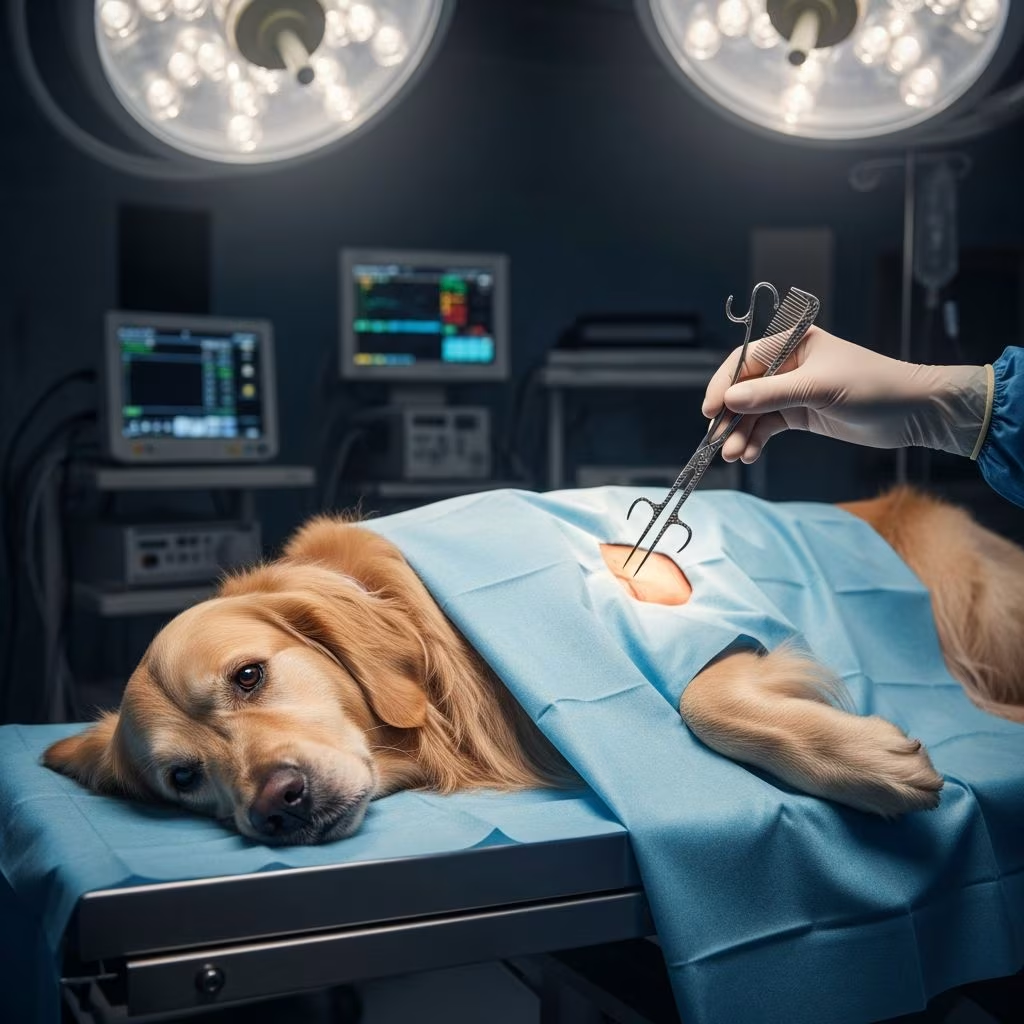
Pet owners often make choices they believe will benefit their animals, but some decisions driven by aesthetic preferences can cause lasting harm. Elective surgical procedures performed on dogs have become increasingly scrutinized by veterinary professionals and animal welfare advocates who understand the significant physical and behavioral consequences these interventions create.
Why Veterinary Organizations Oppose These Procedures
The medical community has taken a clear stance against elective cosmetic surgeries in canines. The American Veterinary Medical Association (AVMA) explicitly states that procedures such as ear cropping and tail docking are “not medically indicated nor of benefit to the patient.” These surgeries carry inherent risks including anesthesia complications, excessive bleeding, infection, and delayed healing—the same dangers present in any surgical intervention.
Multiple veterinary organizations worldwide have issued position statements cautioning against these procedures. When performed routinely rather than in response to medical emergencies, these interventions are classified as cosmetic surgery with potential negative outcomes for canine patients. The concern is not merely theoretical; it stems from documented evidence of long-term harm to dogs undergoing these modifications.
Communication Impairment and Behavioral Consequences
Dogs rely heavily on body language and physical signals to communicate with other dogs and their human companions. Surgical alterations that remove or modify anatomical features directly interfere with these essential communication pathways.
Ear position and movement play a critical role in canine social interaction. When ears are cropped, dogs lose the ability to express fear, submission, relaxation, and other emotional states that other animals can easily read. This impaired communication creates a cascade of behavioral problems:
- Increased likelihood of aggression toward other dogs due to misinterpreted signals
- Heightened anxiety and fearfulness when dogs cannot fully express their emotional state
- Difficulty communicating needs and emotional status to their human owners
- Potential for conflict escalation in multi-dog households
Similarly, tail movement and position communicate a dog’s emotional state, confidence level, and intentions. A dog with a natural tail can engage in full-range wagging, lowering, tucking, and other movements that convey complex emotional information. When the tail is docked, this communication channel is permanently restricted, leading to similar behavioral complications.
Chronic Pain and Phantom Sensations
One of the most troubling aspects of these procedures involves the development of chronic pain conditions that persist long after surgical wounds have healed. Research and practitioner observations indicate multiple mechanisms through which pain develops:
Acute and Post-operative Pain: The initial surgical trauma causes immediate pain that extends far beyond what puppies can express or their owners can perceive. In many cases, breeders perform tail docking on very young puppies without anesthesia or pain management, justifying this by claiming the animals “won’t remember the pain.” However, evidence suggests that pain experienced during critical developmental periods may permanently alter neural development, leading to heightened pain sensitivity later in life.
Scar Tissue Formation: Following amputation, scar tissue develops at the surgical site. This scar tissue can become hypersensitive, causing ongoing discomfort and behavioral changes. Dogs may display aversion to being touched in areas with extensive scarring or may develop localized pain responses that manifest as behavioral issues seemingly unrelated to the original surgery.
Phantom Pain Phenomena: Similar to humans who have lost limbs, dogs that have undergone tail docking may experience phantom pain—the sensation of pain in the missing body part. Canine rehabilitation specialists report observing behavioral changes when working with dogs in areas where amputated tails once existed, suggesting the dogs are experiencing some form of discomfort or unusual sensation in the absence of a physical structure.
Neuromas: Nerve damage during amputation can lead to neuroma development, which causes chronic pain and neuropathic symptoms. These nerve injuries may not manifest immediately but can develop over time, creating progressive pain conditions that are difficult to treat.
Physical Health Complications Beyond Pain
The consequences of these surgeries extend well beyond sensation and communication. Multiple physiological systems are affected by the removal or alteration of body parts that serve functional purposes:
Spinal and Musculoskeletal Issues
The tail is not merely a decorative appendage; it is structurally and functionally integrated with the dog’s spine and musculature. Tail docking can have cascading effects on the entire posterior region of the body:
- Spinal cord compression: A normal tail allows for stretching and flexing that keeps spinal structures pliable and healthy. Without this range of motion, the dura (the membrane surrounding the spinal cord) may become less flexible, increasing inflammation risk and accelerating neurological symptoms in dogs with pre-existing disc lesions
- Muscle development: Evidence suggests that docked dogs may have underdeveloped pelvic musculature, though research in this area continues
- Carpal arthritis: Some veterinarians have observed that dogs with surgically removed dewclaws experience higher rates of carpal arthritis, potentially due to compensatory stress on remaining limb structures
Incontinence and Pelvic Dysfunction
Multiple complications related to bladder and bowel control have been documented in dogs with docked tails. Perineal hernias and urinary or fecal incontinence occur at elevated rates in docked breeds, conditions that significantly reduce quality of life and create ongoing medical and behavioral challenges for owners.
Common Cosmetic Procedures and Their Risks
Ear Cropping
Procedure Description: Ear cropping involves surgically removing portions of the ear pinnae when dogs are puppies, typically between 9 and 14 weeks of age. Following surgery, ears are splinted and bandaged for weeks or months to train them into an erect position as they heal.
Health Risks: The American Veterinary Medical Association emphasizes that ear cropping is “an incredibly painful procedure.” Risks include:
- Excessive bleeding and infection
- Prolonged healing requiring extensive aftercare
- Dressing changes and wound management complications
- Development of scar tissue and hypersensitivity
- Anesthetic complications in young puppies
- Often performed without post-operative pain medication despite the procedure’s severity
Behavioral Impact: Loss of ear mobility severely restricts a dog’s ability to signal emotional states and intentions, increasing anxiety and aggression risk in social situations.
Tail Docking
Procedure Description: Tail docking involves amputating a portion of the tail, typically performed on very young puppies (often just days old) without anesthesia or pain management in many cases.
Health Consequences: This procedure can cause:
- Excessive bleeding and infection
- Necrosis (tissue death) at the amputation site
- Development of chronic pain conditions
- Neurological complications from nerve damage
- Incontinence and pelvic dysfunction
- Restricted spinal flexibility affecting the entire posterior region
Breeding Practice Concerns: Many breeders perform tail docking without veterinary training, leading to improper technique, inadequate pain management, and preventable complications.
Testicular Implants
Procedure Description: These silicone implants are inserted into the scrotum following castration, creating the appearance that a dog still has testicles.
The Problem: There is no scientific evidence that testicular implants provide any physical or psychological benefit to dogs. The procedure is unnecessary, carries surgical risks, and serves no purpose other than aesthetic modification. Veterinary organizations do not recommend this procedure.
International Regulatory Response
Many countries and regions have recognized the animal welfare concerns associated with these procedures and implemented legal restrictions:
- Complete bans: Australia and portions of Canada have prohibited ear cropping and tail docking entirely
- U.S. restrictions: Nine states have implemented laws restricting or prohibiting these procedures. Connecticut, Maryland, New Hampshire, New York, and Pennsylvania specifically require that ear cropping only be performed by licensed veterinarians using anesthesia.
- European approach: The European Convention for the Protection of Pet Animals prohibits “surgical operations for the purpose of modifying the appearance of a pet animal or for other non-curative purposes, including tail docking and ear cropping.” All European Union member states are expected to eventually pass laws aligning with this convention.
- Import restrictions: Several countries have made it illegal to import or show dogs that have undergone these procedures, preventing breeders from circumventing local laws by having procedures performed elsewhere.
Ethical Considerations and Professional Standards
Beyond the physical health complications, these procedures raise significant ethical questions about our relationship with animals. Dogs cannot consent to surgical alterations made purely for human aesthetic preferences. They cannot understand why their bodies have been modified, and they experience very real pain and behavioral changes as a result.
The veterinary profession increasingly recognizes that performing unnecessary surgeries conflicts with the principle of “first, do no harm.” When procedures provide no medical benefit and carry demonstrable risks, performing them represents a departure from professional ethical standards.
What Dog Owners Should Know
If you’re considering bringing a puppy into your home or are a current dog owner, understanding these issues helps you make informed decisions:
- Natural appearance is healthy: Dogs with floppy ears, full-length tails, and complete paws are functioning normally and communicating effectively. There is no medical reason to alter these features
- Breed standards are changing: Many breed organizations are updating their standards to accept natural ear and tail presentation, recognizing the harm caused by requiring modifications
- Choose responsible breeders: Breeders who refuse to dock tails or crop ears without medical necessity are prioritizing dog welfare over aesthetic trends
- Medical vs. cosmetic: There are rare instances when tail amputation is medically necessary due to injury or disease. These cases involve legitimate veterinary treatment with proper anesthesia and pain management—very different from routine cosmetic docking
Creating a Better Future for Canine Companions
The shift away from unnecessary cosmetic surgeries represents a maturing understanding of animal welfare. As evidence accumulates regarding the physical and behavioral consequences of these procedures, veterinary organizations, lawmakers, and informed pet owners are increasingly choosing to let dogs be dogs.
Protecting dogs from unnecessary surgical modification honors their nature and ensures they can live healthier, more communicative, and less painful lives. The choice to leave your dog’s natural anatomy intact is a choice for their wellbeing.
References
- Cosmetic Surgeries Are Hurting Our Pets — Beneath the Stripes. https://beneaththestripes.com/1133/opinion/cosmetic-surgeries-are-hurting-our-pets/
- Tail Docking and Ear Cropping Can Be Dangerous — Whole Dog Journal. April 24, 2018. https://www.whole-dog-journal.com/health/tail-docking-and-ear-cropping-can-be-dangerous/
- Ear Cropping and Other Painful Procedures for Dogs — PETA. https://www.peta.org/lifestyle/animal-companions/painful-procedures-dogs/
- Tail Docking of Dogs — American Veterinary Medical Association. December 2024. https://www.avma.org/sites/default/files/2024-12/avma-lit-review-dog-tail-docking-1124.pdf
- Dog Ear Cropping & Cosmetic Canine Surgeries to Avoid — Hill’s Pet. https://www.hillspet.com/dog-care/behavior-appearance/cosmetic-canine-surgeries-to-avoid
- AHS Position on Canine Elective and Cosmetic Surgical Procedures — Animal Humane Society. https://www.animalhumanesociety.org/about/animal-humane-society-position-elective-procedures-cosmetic-and-convenience-reasons
- Dogs Need Tails and Voices: ‘Cosmetic’ Surgeries Need to Go — Psychology Today. April 2018. https://www.psychologytoday.com/us/blog/animal-emotions/201804/dogs-need-tails-and-voices-cosmetic-surgeries-need-to-go



