
Unmasking Dog Odors: Causes and Fixes
Discover why your dog smells bad and get proven strategies to restore freshness and health in your furry friend.
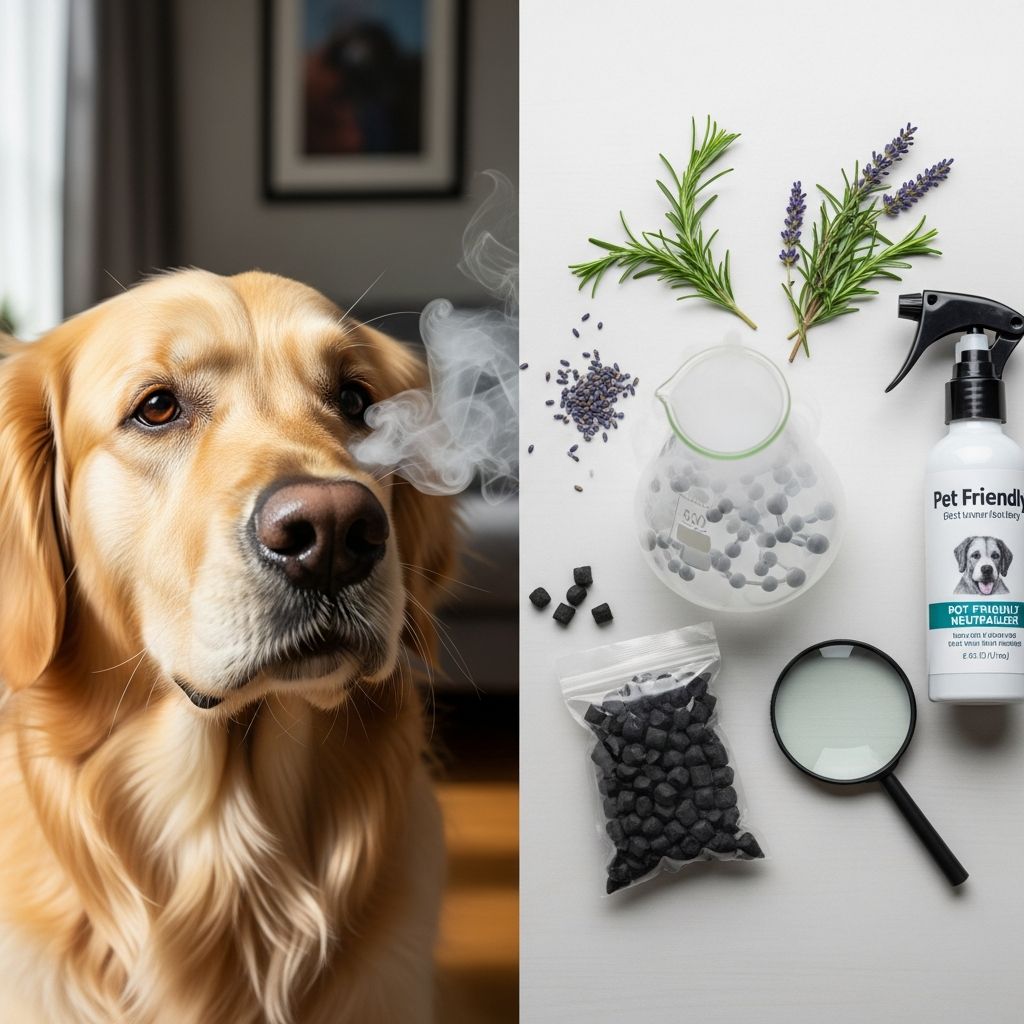
Dogs bring joy and companionship, but an unpleasant smell can quickly dampen that experience. Understanding the sources of these odors is key to addressing them effectively, ensuring your pet remains healthy and pleasant to be around. This guide delves into the primary culprits behind dog stink and offers practical remedies.
Recognizing Different Types of Dog Smells
Dogs emit various odors, each signaling specific issues. A musty scent often points to yeast overgrowth in moist areas, while a fishy aroma suggests anal gland trouble. Sweet or fruity breath might indicate diabetes, and foul mouth odors link to dental problems. Identifying the smell’s nature helps pinpoint the cause.
- Musty or yeasty: Common in skin folds, ears, or paws due to bacterial or yeast proliferation.
- Fishy rear-end smell: Typically from impacted anal sacs.
- Rotten or garbage-like: Could stem from poor diet, gas, or gastrointestinal distress.
- Ammonia-like urine scent on coat: Indicates urinary issues or incontinence.
Skin and Coat: The Primary Odor Hotspots
Skin conditions top the list of odor causes. Breeds with folds like Bulldogs or Shar-Peis are prone to dermatitis, where moisture traps bacteria, creating a pungent stew. Allergies trigger scratching, opening skin to infections by yeast like Malassezia or bacteria such as staphylococcus.
Seborrhea, either primary (genetic) or secondary (from allergies or hormones), leads to oily, flaky skin with a rancid smell. Wet dog odor post-bath arises when water activates dormant microbes in the fur.
Daily Maintenance for Skin Health
Regular cleaning prevents buildup. Wipe folds with medicated wipes containing chlorhexidine or phytosphingosine. Bathe weekly with antifungal shampoos featuring miconazole, but avoid overbathing to preserve natural oils.
| Condition | Symptoms | Treatment |
|---|---|---|
| Skin Fold Infections | Redness, itch, musty odor | Daily wipes, medicated baths |
| Yeast Overgrowth | Sour smell, greasy coat | Antifungal shampoo, vet meds |
| Allergy-Induced | Scratching, hot spots | Hypoallergenic diet, antihistamines |
Anal Glands: The Hidden Stink Source
Every dog has two anal sacs that express during defecation, releasing a fishy fluid for marking. Blockage causes impaction, leading to scooting, licking, or explosive release of foul material.
Small breeds and those with soft stools are most affected. Signs include dragging rear on carpets or excessive tail-chasing. Untreated, this escalates to infection or abscesses.
How to Manage Anal Gland Problems
Manual expression by a vet or groomer every 4-6 weeks helps. Promote firm stools via high-fiber diets with pumpkin or veggies. Probiotics support gut health, aiding natural expression.
- Observe for scooting or odor after bowel movements.
- Schedule professional checks during grooming.
- Use vet-recommended additives for stool consistency.
Dental Decay and Bad Breath
Periodontal disease affects 80% of dogs over age three, causing plaque, tartar, and rotting teeth that produce halitosis. Bacteria from gum infections enter the bloodstream, impacting organs.
Small breeds suffer more due to crowded teeth. Warning signs: drooling, pawing at mouth, loose teeth, or bloody saliva.
Steps for Optimal Oral Hygiene
Brush teeth daily with enzymatic toothpaste and dog-safe brush. Dental chews reduce buildup. Annual professional cleanings under anesthesia remove deep tartar.
Incorporate water additives with enzymes to control bacteria between brushes.
Diet’s Role in Dog Freshness
Poor nutrition fuels odors. High-carb kibble promotes yeast and gas, while allergies to grains, beef, or chicken inflame skin, secreting smelly oils. Flatulence from garbage scavenging or GI issues like IBD smells rotten.
Grain-free, high-protein diets often resolve these by improving digestion and reducing allergens.
Choosing the Right Food
Switch gradually to novel proteins via elimination trials. Add probiotics for gut balance. Avoid table scraps that disrupt digestion.
| Diet Type | Benefits | Potential Drawbacks |
|---|---|---|
| High-Protein, Grain-Free | Less gas, better skin | Higher cost |
| Hypoallergenic | Allergy relief | Limited flavors |
| Raw/Fresh | Optimal nutrition | Prep time, bacteria risk |
Ear Infections and Neglected Paws
Floppy-eared breeds trap moisture, fostering yeast or bacterial growth with a yeasty or cheesy smell. Paws’ corn-chip scent is normal from Pseudomonas, but excess indicates overgrowth.
Check ears weekly, clean with vet solutions. Trim hairy paws to enhance airflow.
Environmental and Behavioral Factors
Rolling in dead animals or skunk spray causes temporary stench. Use vinegar rinses or odor neutralizers post-exposure. Incontinence in seniors leads to urine smells on fur; address with meds or diapers.
Obesity hinders grooming, trapping odors; weight management helps.
Prevention Strategies for a Fresh-Smelling Dog
Wellness exams catch issues early. Monthly groomer visits include gland expression and skin checks. Balanced diet, hydration, and exercise maintain health.
- Bathe bi-weekly with pH-balanced shampoo.
- Monitor weight and activity.
- Use air purifiers for home allergens.
When to Consult a Veterinarian
Persistent odors despite hygiene signal underlying problems. Sudden changes warrant immediate checks for diabetes, kidney disease, or tumors. Vets diagnose via exams, cytology, or bloodwork.
Treatments range from antibiotics to allergy testing. Early intervention prevents escalation.
Frequently Asked Questions
Why does my dog smell bad after a bath?
Water activates skin microbes, releasing compounds. Use drying agents like cornstarch sparingly and ensure full rinse-out.
How often should I express anal glands?
Depends on the dog; every 1-3 months for prone breeds, guided by vet.
Can diet alone fix my dog’s odor?
It helps significantly for allergy or gas issues but combine with grooming for best results.
Is wet dog smell harmful?
Usually not, but chronic cases may indicate infections needing treatment.
What home remedies work for bad breath?
Coconut oil pulls, parsley chews, but professional care is essential long-term.
References
- 7 Reasons Dogs Smell Bad and What you Can Do About It — Scenthound. 2023. https://www.scenthound.com/dogblog/7-reasons-dogs-smell-bad-and-what-you-can-do-about-it
- Why Does My Dog Smell So Bad? — American Kennel Club. 2024-01-15. https://www.akc.org/expert-advice/health/why-does-my-dog-smell/
- Smelly Dog: Why Does My Dog Stink? — Best Friends Animal Society. 2022-08-10. https://bestfriends.org/pet-care-resources/smelly-dog-why-does-my-dog-stink
- 5 Reasons Why Your Dog Smells So Bad and What to Do About It — AKC Pet Insurance. 2023-05-22. https://www.akcpetinsurance.com/blog/5-reason-why-your-dog-smells-so-bad-and-what-to-do-about-it
- Why Does My Dog Smell So Bad — Shawsheen Animal Hospital. 2024-02-14. https://shawsheenanimalhospital.com/blog/why-does-my-dog-smell-so-bad/
- 6 Reasons Your Dog Smells Bad — PetMD. 2023-11-03. https://www.petmd.com/dog/slideshows/6-reasons-your-dog-smells-bad
Similar Articles








Read full bio of medha deb




