

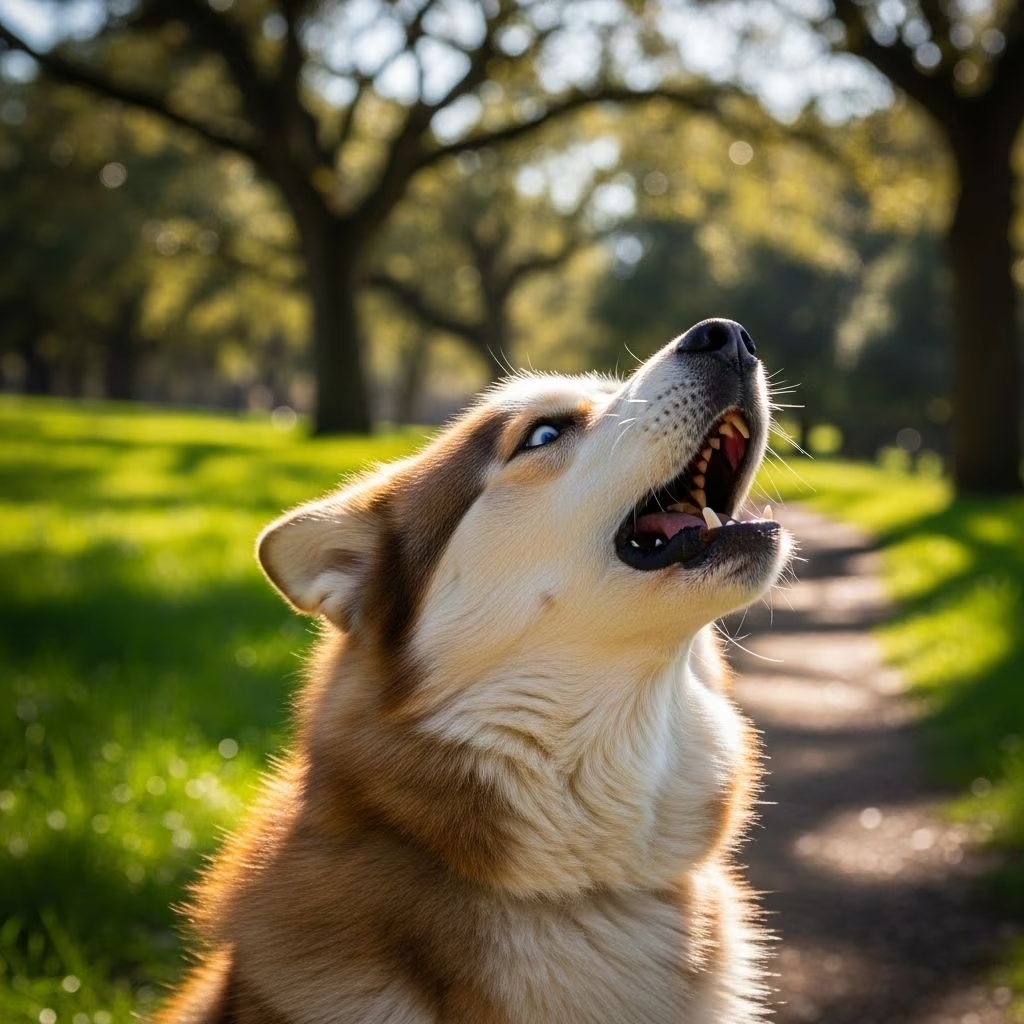
Teaching your dog to howl on command is a delightful way to tap into their ancestral vocalizations, creating a unique bond through play and positive reinforcement. This skill not only entertains but also helps you understand and channel your pet’s natural communication methods effectively.
Understanding the Instinct Behind Canine Howling
Dogs howl as a primal form of expression inherited from their wolf ancestors, using it to communicate across distances or respond to environmental cues. Unlike barking, which is short and alert-based, howling features a sustained, melodic tone that conveys emotions ranging from joy to loneliness.
- Howling often occurs in response to high-pitched sounds like sirens, signaling a natural echo instinct.
- It serves social purposes, such as rallying pack members or expressing excitement during play.
- Breeds with hound heritage, like Beagles or Huskies, are genetically predisposed to vocalize this way due to historical hunting roles requiring long-distance calls.
Recognizing these triggers allows owners to differentiate between playful howls and those indicating distress, setting the foundation for targeted training.
Why Some Dogs Howl More Than Others
Not all dogs vocalize equally; genetics, environment, and past experiences play key roles. High-energy breeds may howl to release pent-up energy, while others remain quiet unless provoked.
| Breed Group | Howling Tendency | Examples |
|---|---|---|
| Hounds | High | Beagle, Bloodhound |
| Northern Breeds | High | Siberian Husky, Alaskan Malamute |
| Terriers | Moderate | Jack Russell Terrier |
| Working Dogs | Low to Moderate | Labrador Retriever, German Shepherd |
This table highlights breed predispositions, helping owners set realistic expectations. Environmental factors, such as living in noisy urban areas, can amplify howling as dogs mimic external sounds.
Preparing for Successful Howl Training Sessions
Before starting, ensure your dog is in a calm, distraction-free space with high-value treats like small pieces of chicken or cheese ready. Sessions should last 5-10 minutes to maintain engagement without fatigue.
- Select a quiet room to minimize external interruptions.
- Choose a cue word like “sing” or “wolf” for consistency.
- Have patience; some dogs pick it up in days, others weeks, depending on their vocal baseline.
Positive reinforcement is crucial—reward only desired behaviors to avoid confusion. If your dog already barks on command, leverage that as a bridge to howling.
Step-by-Step Guide to Teaching the Howl
Begin with natural elicitation, progressing to command-based responses through shaping and reinforcement.
- Elicit Initial Sounds: Play a siren sound or high-pitched music at low volume. When your dog vocalizes, mark with “yes!” and treat immediately.
- Shape the Howl: Listen for bark variations resembling a howl—longer, drawn-out notes. Reward these specifically, ignoring short barks.
- Add the Cue: As the sound lengthens, say your chosen word just before they vocalize. Pair your own howl to model the pitch, encouraging mimicry.
- Build Duration and Control: Gradually require longer howls before rewarding. Introduce a “quiet” command by rewarding silence after howling.
- Generalize the Trick: Practice in different locations and with distractions, fading treats to verbal praise.
Consistency across family members prevents mixed signals. Most dogs master this within 2-4 weeks of daily practice.
Advanced Techniques for Polished Performances
Once basic howling is reliable, elevate it into a performance trick. Combine with other commands like “speak” and “quiet” for a full vocal repertoire.
- Use a harmonica or piano for musical duets, rewarding harmonious responses.
- Incorporate props like a toy wolf to associate howling with fun themes.
- Record sessions to track progress and share with online communities for feedback.
These methods transform howling from instinct to a controlled, crowd-pleasing skill, ideal for dog shows or family entertainment.
When Howling Becomes Excessive: Management Strategies
While fun in moderation, persistent howling can signal issues like boredom or anxiety. Address root causes before they escalate.
- Exercise Boost: Daily walks or fetch sessions reduce stress-induced vocalizations.
- Mental Enrichment: Puzzle toys and training games tire the mind, curbing attention-seeking howls.
- Ignore Attention-Seeking: Turn away and withhold interaction until quiet, then reward calm behavior.
For separation anxiety, gradual alone-time training with comforting toys helps. Avoid punishment, as it heightens anxiety.
Common Challenges and How to Overcome Them
Owners often face hurdles like stubborn silence or over-enthusiastic barking.
| Challenge | Solution |
|---|---|
| Dog won’t vocalize | Increase siren volume gradually or mimic howls yourself. |
| Stuck on barking | Withhold rewards until a howl-like extension occurs. |
| Howls too much | Teach “quiet” via shaping and provide outlets like agility training. |
| Excited but uncontrolled | Practice in low-stakes settings, building impulse control. |
Patience resolves 90% of issues; consult a trainer for persistent problems.
Health Considerations Linked to Vocalization
Rarely, excessive howling indicates pain or cognitive decline in seniors. Monitor for changes in frequency or tone, consulting a vet if accompanied by lethargy or appetite loss. Breeds prone to laryngeal issues may need professional evaluation.
Fun Ways to Showcase Your Dog’s New Skill
Once trained, howling shines in videos, parties, or therapy visits. Pair with costumes for viral social media moments, always prioritizing your dog’s comfort.
Frequently Asked Questions (FAQs)
Can any dog learn to howl?
Yes, most breeds can with patience, though vocal breeds progress faster.
How long does training take?
Typically 1-4 weeks with daily 10-minute sessions.
Is howling a sign of distress?
Not always; context matters. Pair with other behaviors to assess.
What if my dog howls at night?
Rule out needs like bathroom breaks, then desensitize to triggers.
Should I use treats forever?
No, fade to praise for a reliable response.
Building a Lasting Bond Through Vocal Training
Howl training fosters trust and communication, enhancing your relationship. Celebrate small wins to keep sessions joyful, turning your dog into a harmonious companion.
References
- How To Train A Dog To Howl Like A Wolf — Success Dogs. Accessed 2026. https://www.successdogs.com/dog-training-lessons/how-to-train-a-dog-to-howl-like-a-wolf/
- Is Your Dog Howling for Attention? Tips to Address Excessive Howling — Apex Veterinary. Accessed 2026. https://apex.vet/blog/excessive-dog-howling/
- Doing What Comes Naturally: Barking and Howling — Auntie Awesome. Accessed 2026. https://auntieawesome.com/comes-naturally-barking-howling/
- How to Make Your Dog Howl — Chasing Dog Tales. Accessed 2026. https://chasingdogtales.com/how-to-make-your-dog-howl/
- How to Teach Dogs Not to Howl — eHow (YouTube Transcript). Accessed 2026. https://www.youtube.com/watch?v=QKprWKrY0Cg



