

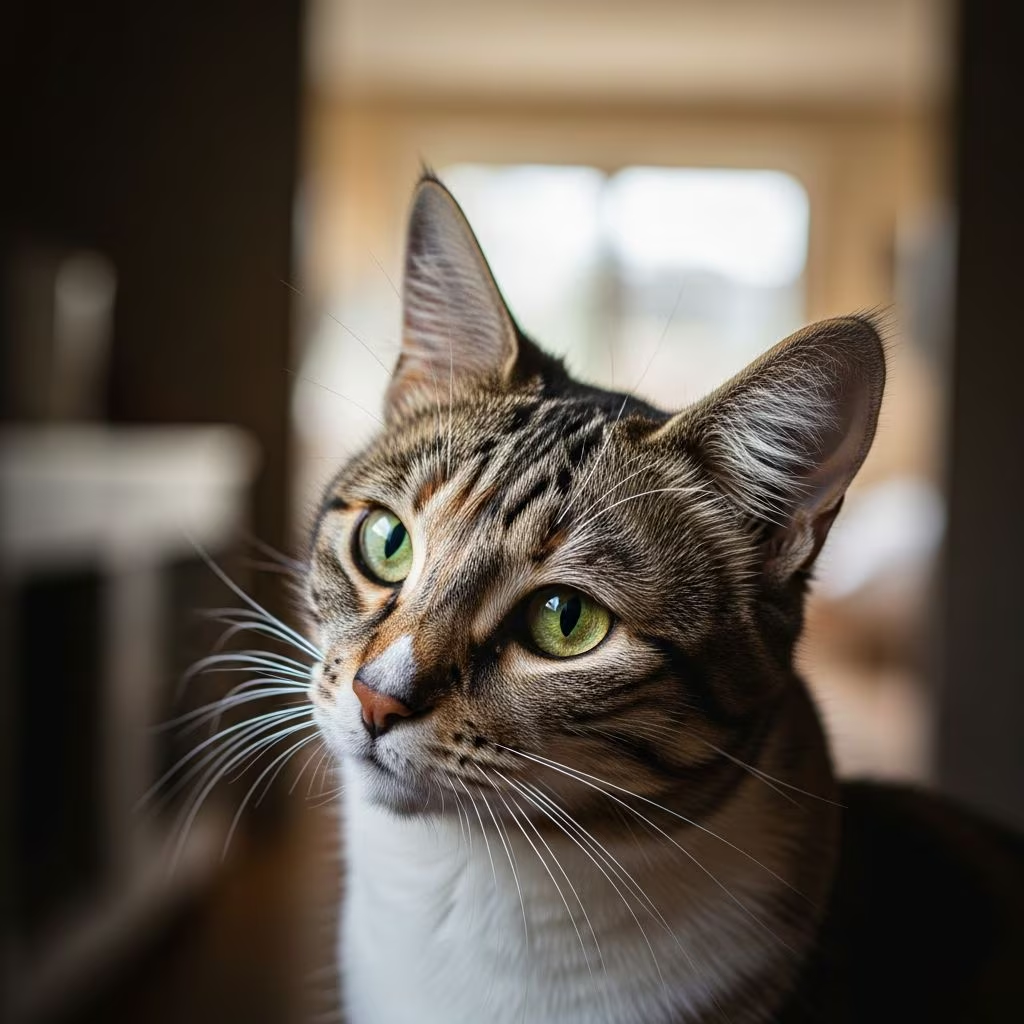
Many cat owners gaze at their furry companions and wonder about their origins. Is your pet a purebred like a Siamese or a mix with domestic roots? Identifying a cat’s breed involves observing physical characteristics such as fur length, color patterns, and body structure, alongside behavioral tendencies. While most household cats are domestic shorthairs or longhairs without formal pedigrees, subtle clues can reveal breed influences from ancestors.
Physical Traits: The First Clues to Feline Heritage
Start with the basics of appearance. A cat’s coat is often the most telling feature, encompassing length, color, and patterns that have been selectively bred in certain lineages but now appear widely due to interbreeding.
Coat Length Variations
Cats fall into three main coat categories: shorthair, medium hair, and longhair. Shorthair felines have sleek, close-lying fur that’s low-maintenance. Medium hair types show longer tufts around the neck, tail, or hindquarters, while longhairs boast flowing coats requiring regular grooming. Domestic shorthairs (DSH) and longhairs (DLH) dominate the pet population, making up the majority without purebred status.
- Shorthair: Smooth and glossy, common in active breeds like the Abyssinian.
- Medium Hair: Pronounced ruffs and britches, seen in some mixed heritage cats.
- Longhair: Plush and dense, linked to breeds like the Persian or Ragdoll.
Common Coat Colors and Their Genetics
Coat colors stem from genetic dilutions and combinations. Black is solid and deep, while gray represents a diluted version often underlying tabby stripes. Orange (red) dominates in males—about 80%—with buff as its lighter counterpart. Rare solid brown appears mostly in specific pedigrees.
| Color | Description | Breed Associations |
|---|---|---|
| Black | Solid ebony fur | Bombay, common domestic |
| Orange/Red | Bright to deep ginger | High male prevalence |
| Gray | Diluted black base | Under tabby patterns |
| White | Pure or patched | Bicolor patterns |
Distinctive Patterns That Hint at Origins
Patterns add layers to identification. Tabby is ubiquitous with its M-shaped forehead mark and stripes in mackerel (narrow lines) or classic (swirled) forms. Pointed patterns feature darker extremities on lighter bodies, iconic to Siamese. Bicolor mixes white with another hue, tuxedo style evokes formal wear, and calico blends orange, black, and white—nearly always females due to X-chromosome linkage.
- Tabby: Striped or marbled, versatile across colors.
- Pointed: Contrast on ears, tail, face, legs.
- Tortoiseshell: Mottled black/orange mix, female-dominant.
- Shaded: Tips darken from white roots, longhair preference.
Markings and Unique Facial Features
Small details matter. Socks denote white paws, lockets are chest spots, and vans limit color to head and tail on white bodies. Eye patches or snowshoe points with blue eyes signal specific genetics. Body shape complements this: stocky Persians contrast sleek Siamese or robust Maine Coons.
Behavioral Indicators: Personality as a Breed Clue
Behavior offers supplementary evidence, though less reliable than looks since breeders prioritize aesthetics over temperament. Still, consistent traits emerge in breeds.
Docile and Relaxed Temperaments
Persians embody calm luxury, preferring lounging over antics. Ragdolls famously go limp when picked up, earning their name from floppy submission. These traits suggest ancestry in plush-coated, easygoing lines.
High-Energy and Vocal Personalities
Siamese stand out as chatty extroverts, meowing demandingly and craving interaction. Abyssinians buzz with agenda-driven activity, climbing and exploring relentlessly. A slender, vocal cat might carry Siamese genes.
Playful and Affectionate Profiles
Breeds like the American Bobtail or Bombay blend playfulness with lap-sitting devotion. Shorthaired, sturdy builds paired with these vibes point to such influences.
| Breed | Key Behavior | Physical Match |
|---|---|---|
| Persian | Docile, low-energy | Longhair, stocky |
| Siamese | Vocal, social | Shorthair, slender |
| Ragdoll | Relaxed, floppy | Longhair, large |
| Abyssinian | Active, curious | Shorthair, ticked coat |
Advanced Identification: Beyond the Basics
Examine finer points for precision. Eye colors range from green/yellow to blue, developing post-kittenhood. Odd-eyed or dichroic eyes are rare gems. Whiskers match or contrast coats, noses span black to pink, and paw pads vary per foot.
Sex and Reproductive Clues
Sex influences color: males rarely show tortie/calico due to single X-chromosomes. Check under the tail—males have pointed genitals farther apart.
Body Type and Size Considerations
Assess build: cobby (compact) for British Shorthairs, oriental for sleek types, substantial for Maine Coons. Tail length, ear set, and whisker pads refine guesses.
Tools and Methods for Accurate Breed Detection
Visual assessment works for basics, but apps analyze photos for matches. Pedigree papers confirm purebreds from breeders; otherwise, assume domestic with breed-like traits. Online registries like CFA list standards.
- Photograph key features: face, body, paws.
- Compare to breed profiles from reputable associations.
- Observe over time for behavioral consistency.
Frequently Asked Questions
Can I identify my cat’s breed without DNA testing?
Yes, through physical and behavioral observation, though not 100% accurate for mixes.
Are most pet cats purebred?
No, the vast majority are domestic shorthairs or longhairs without specific breed lineage.
What if my cat shows multiple breed traits?
This indicates mixed ancestry; traits like tabby patterns are widespread.
Do behaviors reliably indicate breed?
They provide hints but vary individually; prioritize physical features.
How do I care for a cat resembling a longhair breed?
Groom regularly to prevent mats, regardless of exact heritage.
Practical Steps to Explore Your Cat’s Roots
Compile a profile: note coat, color, pattern, eyes, build, and habits. Cross-reference with breed databases. Consult vets or fanciers for insights. Embrace your cat’s unique blend—purebred or not, they’re family.
Understanding these elements fosters better bonding and care. Whether your cat sports a ticked Abyssinian coat or Ragdoll fluff, appreciation grows from knowledge.
References
- A Visual Guide to Identifying Cats — Alley Cat Allies. 2018-07. https://www.alleycat.org/wp-content/uploads/2018/07/IdentificationBooklet_web.pdf
- How To Tell Your Cat’s Breed By Its Behavior — TheCatSite. Accessed 2026. https://thecatsite.com/c/cat-breed-by-behavior/
- Breeds — The Cat Fanciers’ Association. Accessed 2026. https://cfa.org/breeds/



