
Unlocking the Joy of Dog Play
Discover how playful interactions strengthen bonds, boost health, and enrich your dog's life through science-backed fun.
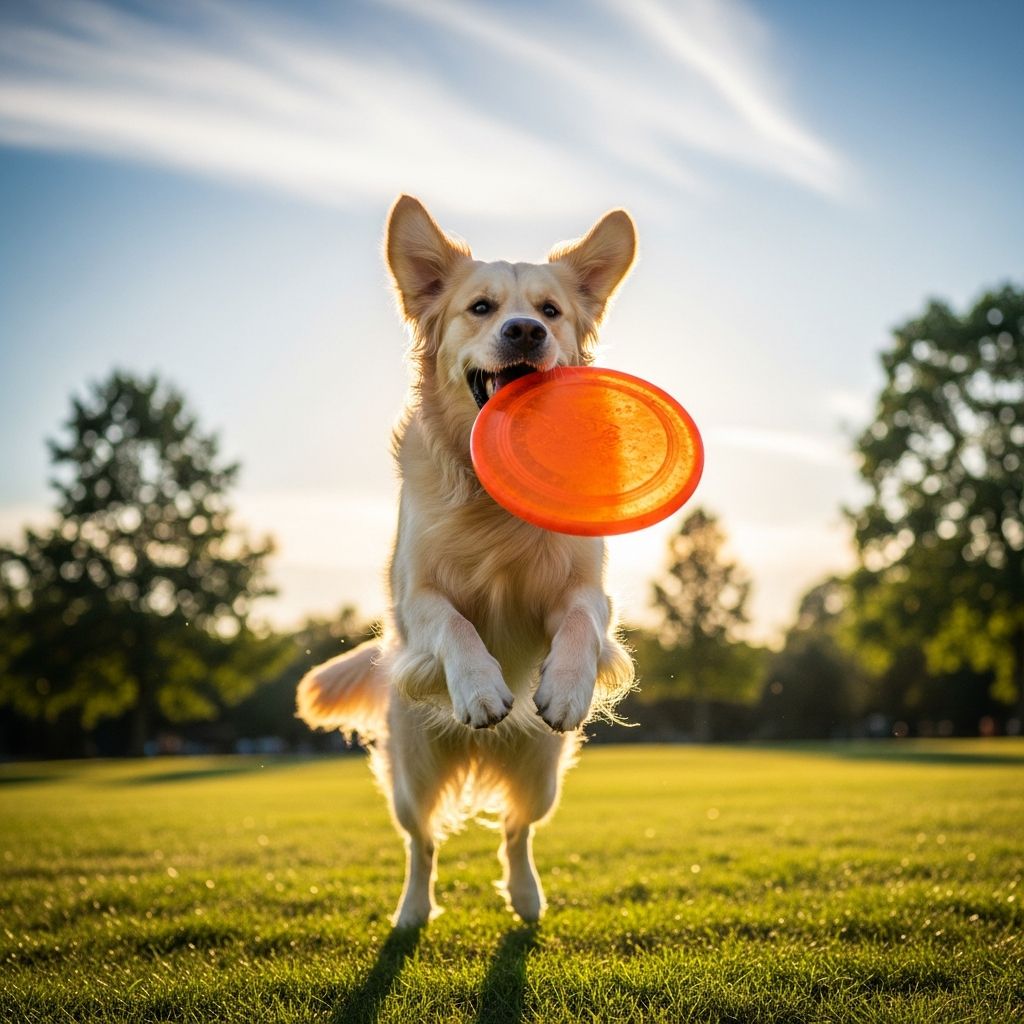
Play is a cornerstone of a dog’s life, offering far more than mere entertainment. It serves as a vital mechanism for physical development, emotional well-being, and social connection, backed by research showing its role in skill-building and stress reduction.
The Science Driving Canine Playfulness
Dogs engage in play to hone essential abilities that echo their ancestral needs. Studies reveal that playful activities help puppies master motor skills like chasing, biting, and balancing, preparing them for real-world challenges. During these sessions, young dogs learn bite inhibition, ensuring they control their strength to avoid harming playmates.
Beyond physical prowess, play triggers neurological rewards. The release of endorphins elevates mood and counters stress, while oxytocin surges during interactions with familiar humans, deepening emotional ties. This hormonal boost not only enhances joy but also fosters cognitive sharpness, keeping dogs mentally agile across all life stages.
Play also builds resilience against surprises. By tumbling and recovering from unexpected tumbles, dogs train their brains to handle stressors, distinguishing toys from potential threats. Socially, it promotes cooperation rather than dominance, as dogs preferentially engage with trusted companions, strengthening pack-like bonds that include their human families.
Physical and Mental Health Gains from Play
Regular play sessions deliver comprehensive wellness benefits. Physically, games like fetch or tug enhance cardiovascular health, muscle tone, and coordination. Mentally, they combat boredom, preventing destructive behaviors born from understimulation.
For puppies, early play is crucial for socialization, teaching them to read cues and interact appropriately with peers and people. Adult dogs maintain these habits, using play to stay fit and socially adept, while seniors benefit from gentler versions that preserve mobility and spark joy.
| Life Stage | Key Play Benefits | Example Activities |
|---|---|---|
| Puppy (0-6 months) | Motor skill development, bite inhibition, socialization | Chase games, soft tug, supervised peer play |
| Adult (1-7 years) | Stress relief, bonding, fitness | Fetch, agility drills, interactive toys |
| Senior (8+ years) | Mobility maintenance, cognitive stimulation | Gentle walks with stops, scent games, light tossing |
Deciphering Play Signals and Boundaries
Recognizing when play is fun versus tense is essential for safety. Dogs communicate through body language: the play bow—a front dip with wagging tail—invites engagement, while relaxed ears and bouncy movements signal enjoyment.
- Positive signs: Loose posture, take-turns in chase or tug, periodic pauses.
- Warning flags: Stiff body, intense staring, no bowing, one-sided pinning.
Arousal rises naturally in play, sharpening focus for quick responses, but unchecked it can blur into prey drive, leading to overstimulation. Monitor energy levels and intervene with calm commands or timeouts to reset.
Popular Play Styles and How to Engage
Dogs exhibit varied play preferences influenced by breed, personality, and history. High-energy herders thrive on chase games, while companion breeds favor gentle wrestling or toy manipulation.
Chase and Fetch Fundamentals
These classics tap into pursuit instincts. Start with short throws, rewarding returns with praise. Vary toys to sustain interest—balls for bouncy fun, discs for aerial excitement.
Tug-of-War Tactics
Often misunderstood, tug builds confidence and mouth control when rules are clear: you initiate, dog drops on cue, and sessions end before fatigue. Use sturdy ropes to prevent frustration.
Social Play with Other Dogs
Peer interactions teach nuanced communication, but match sizes and temperaments. Puppies need age-similar playmates to develop properly, avoiding mismatches that risk injury or fear.
Customizing Play for Every Dog
Tailor activities to your dog’s profile for maximum engagement. Energetic breeds like Border Collies demand prolonged sessions, while brachycephalic types like Bulldogs require shorter, cooler play.
- Breed considerations: Terriers love wrestling; retrievers excel at fetch.
- Age adjustments: Scale intensity down for joints in older dogs.
- Health factors: Consult vets for mobility-limited pups, opting for scent work over roughhousing.
Incorporate solo options like puzzle toys for independent fun, releasing endorphins without constant supervision.
Safety Protocols for Playtime
Prevent mishaps by setting ground rules. Always supervise dog-to-dog play, especially with size disparities, akin to mismatched human peers. Provide water breaks to avoid overheating, and inspect toys for wear to eliminate choking hazards.
End sessions on a high note, before exhaustion sets in, reinforcing positive associations. If aggression surfaces, pause and seek professional training to address roots.
Overcoming Play Barriers
Not all dogs are natural players. Shy ones may need gradual exposure with enticing toys and low-pressure invites. Overexcitable pups benefit from structured games teaching impulse control.
For apartment dwellers, indoor options like hallway fetch or treat hunts keep energy channeled without space constraints.
FAQs on Dog Play
Is tug-of-war bad for dogs?
No, when taught with drop cues; it strengthens jaws and bonds without promoting dominance.
How much play does my dog need daily?
30-60 minutes for most adults, adjusted for age and breed; quality trumps quantity.
Can play fix behavioral issues?
It reduces stress-related problems but pairs best with training for deeper fixes.
What if my dog doesn’t like toys?
Try food-dispensing or scent games to spark interest based on their motivations.
Should I let puppies play rough?
Supervised rough play with peers builds skills, but intervene in imbalances.
Building Lasting Play Routines
Institute daily play slots to create anticipation and routine. Rotate activities to prevent boredom, tracking preferences in a journal for refinements. Involve family members to distribute bonding opportunities.
Play transcends amusement—it’s a pathway to a thriving dog. By understanding its depths and applying thoughtful strategies, owners unlock profound companionship and vitality.
References
- Why Do Dogs Play? — Companion Animal Psychology. 2017-11-01. https://www.companionanimalpsychology.com/2017/11/why-do-dogs-play.html
- The Science, Culture, and Tools of Play — Canine Principles. N/A. https://www.canineprinciples.com/blog/canine-play-play-tools-motivation
- The Science Behind Why Your Dog Loves To Play — Tug-E-Nuff. N/A. https://us.tug-e-nuff.com/blogs/news/the-science-behind-why-your-dog-loves-to-play
- When Dog Play and Prey Drives Blur — Aggressive Dog. 2024-11-30. https://aggressivedog.com/2024/11/30/when-dog-play-and-prey-drives-blur/
- Dog Play Behavior: Are they fighting or playing? — Inquisitive Canine. N/A. https://inquisitivecanine.com/dog-play-behavior-are-they-fighting-or-playing/
- Understanding Dog Play — Positively.com. N/A. https://positively.com/dog-training/article/foundations-understanding-dog-play
Similar Articles








Read full bio of medha deb




