

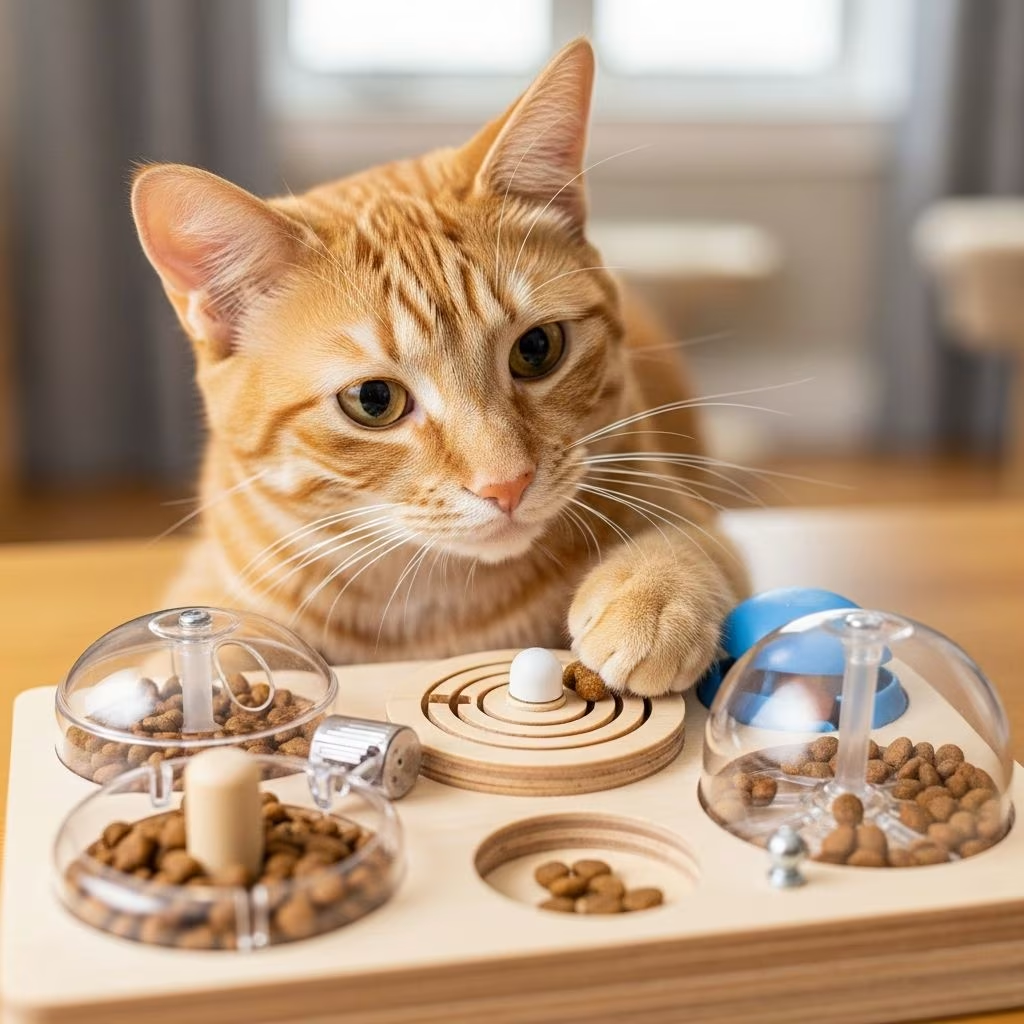
Interactive food puzzles represent a simple yet powerful way to transform mealtime into an enriching adventure for domestic cats. By encouraging natural foraging behaviors, these tools help indoor felines stay mentally sharp, physically active, and emotionally balanced in environments far removed from their wild ancestors’ habitats.
The Evolutionary Roots of Cat Foraging
Cats evolved as solitary hunters, spending hours stalking, pouncing, and problem-solving to secure meals. In modern homes, free access to bowls disrupts this instinct, leading to rapid eating, boredom, and health issues like obesity. Food puzzles restore this dynamic by requiring effort to access kibble or treats, mimicking the hunt and extending meal times.
Research highlights how such devices align with feline biology, promoting engagement without the risks of overeating. Indoor cats, in particular, benefit from this shift, as it counters sedentary lifestyles prevalent in 60-90% of household felines.
Proven Health Advantages for Cats
Scientific studies affirm multiple benefits from incorporating food puzzles into feeding routines. A comprehensive review in a leading veterinary journal analyzed data showing reduced stress indicators, weight loss in overweight cats, and diminished reactivity toward humans and other animals.
Key advantages include:
- Weight Control: Puzzles slow consumption, preventing gulping and promoting calorie burn through manipulation, ideal for obesity-prone cats.
- Stress Reduction: Mental challenges lower anxiety, fear, and attention-seeking behaviors like excessive meowing.
- Behavioral Improvements: They curb destructive habits such as inappropriate scratching or litter box avoidance by channeling energy positively.
- Physical Activity Boost: Even minimal movements like pawing or rolling puzzles add exercise, especially valuable for seniors or mobility-limited cats.
Case studies from veterinary practices demonstrate real-world impacts: one obese cat lost weight and reintegrated socially after puzzle introduction, while others ceased aggression and fear-based issues.
Types of Interactive Cat Feeders
A variety of puzzle designs cater to different skill levels and preferences, from beginner-friendly to advanced challenges. Here’s a breakdown:
| Type | Description | Best For |
|---|---|---|
| Stationary Puzzles | Bowls or mats with compartments; cats paw or lick to retrieve food. | Seniors, kittens, or hesitant cats. |
| Rolling Balls | Spheres that dispense kibble when batted; encourage chasing. | Active, playful cats. |
| Insert Toys | Devices with holes for treats; require precise paw work. | Problem-solvers seeking challenge. |
| Lick Mats | Textured surfaces smeared with wet food or pate; promote licking. | Slow eaters or dental health focus. |
| DIY Options | Muffin tins, egg cartons, or toilet paper rolls filled with food. | Budget-conscious owners. |
Selecting the right type depends on your cat’s age, health, and personality. Start simple to build confidence.
Step-by-Step Guide to Introducing Puzzles
Success hinges on gradual integration to avoid frustration. Follow these steps:
- Assess Readiness: Observe your cat’s current eating habits and energy levels.
- Start Easy: Fill puzzles to overflowing with familiar food near the old bowl; scatter kibble around to associate movement with rewards.
- Gently Demonstrate:
- Monitor Progress: Transition fully over 1-2 weeks, removing regular bowls once engaged.
- Increase Difficulty: Add complexity as mastery grows, like fewer or smaller openings.
Nudge or roll the puzzle yourself initially to spark interest.
For multi-cat homes, provide individual puzzles to prevent competition; studies show low aggression risk when properly managed.
DIY Food Puzzle Projects for Every Skill Level
Creating homemade puzzles saves money and fosters creativity. Here are accessible ideas:
- Muffin Tin Maze: Place kibble in tin cups, cover some with tennis balls; cat paws to uncover.
- Cardboard Tunnel Feeder: Cut holes in a box tube, insert treats; encourages batting and exploration.
- Bottle Roller: Poke holes in a clean plastic bottle, add dry food; rolls to dispense.
- Felt Pad Puzzle: Sew or glue felt flaps over compartments on a board.
- Ice Cube Treats: Freeze broth with bits of tuna in trays for a cooling challenge.
These use household items, ensuring safety by avoiding small parts or toxins. Rotate designs weekly to maintain novelty.
Addressing Common Hurdles and Solutions
Not all cats adapt instantly. Troubleshooting tips:
- Ignores Puzzle: Use smelly wet food first; hand-feed a few pieces from it.
- Frustration: Simplify—overfill and enlarge access points; never force.
- Too Fast: Switch to finer kibble or add obstacles like ping-pong balls.
- Multi-Cat Fights: Feed separately; monitor and use puzzle quantities matching portions.
- Senior Cats: Opt for low-effort designs like wide lick mats.
Veterinary evidence confirms all cats, including disabled ones, can succeed with tailored approaches.
Enhancing Enrichment Beyond Mealtime
Combine puzzles with other activities for holistic welfare:
- Scatter feeding in boxes or paper bags.
- Rotate toys and create vertical spaces like shelves.
- Incorporate play sessions mimicking hunt-chase-pounce-kill.
This multimodal strategy maximizes benefits, reducing obesity risks noted in indoor cats.
Frequently Asked Questions
Are food puzzles safe for all cats?
Yes, when introduced properly. Studies show suitability for kittens, seniors, blind, and three-legged cats, with minimal risks.
Will puzzles help my overweight cat lose weight?
Absolutely; they slow eating and increase activity, contributing to weight loss as per clinical reviews.
How much of the diet should come from puzzles?
Ideally 100%, but start with 25-50% and adjust calories to avoid overfeeding.
Can puzzles reduce destructive behavior?
Yes, by alleviating boredom and stress, leading to fewer issues like scratching or litter problems.
What if my cat won’t use the puzzle?
Persist with easy starts and demonstrations; most adapt within days.
Long-Term Impact on Feline Well-Being
Consistent use fosters happier, healthier cats with stronger owner bonds. By tapping into innate drives, puzzles bridge the gap between wild instincts and domestic life, preventing welfare pitfalls like chronic stress or inactivity-related diseases.
References
- Food puzzles for cats: Feeding for physical and emotional wellbeing — Journal of Feline Medicine and Surgery (via PMC). 2024-05-28. https://pmc.ncbi.nlm.nih.gov/articles/PMC11148901/
- Puzzle feeders for your cat — International Cat Care. Accessed 2026. https://icatcare.org/articles/puzzle-feeders-for-your-cat
- Cat Interactive Food Puzzles: Why You Should Use Them — Preventive Vet. 2023-10-15. https://www.preventivevet.com/cats/interactive-food-puzzles-for-cats
- Food and Enrichment: It Can Be a Puzzle — Today’s Veterinary Nurse. 2022-11-01. https://todaysveterinarynurse.com/nutrition/food-and-enrichment-it-can-be-a-puzzle/
- Benefits of Food Puzzles for Cats — Purrs of Wisdom (Ingrid King). 2023-05-12. https://ingridking.com/?p=80590



