

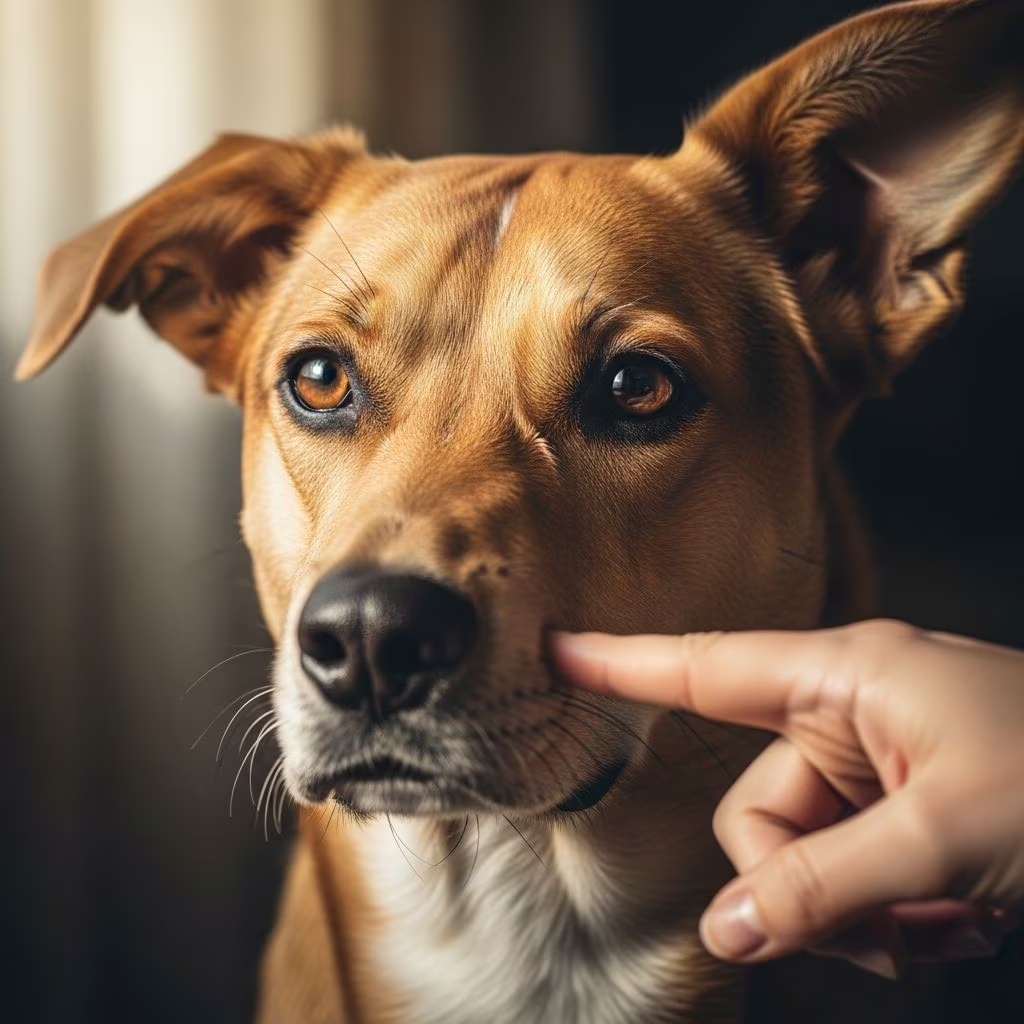
Effective communication forms the foundation of a harmonious relationship between dogs and their owners. Dogs express themselves primarily through body language, sounds, and subtle cues, while humans often rely on words. Bridging this gap requires learning to observe and respond to your dog’s natural signals while teaching them to understand yours. This guide explores key aspects of canine expression, practical training methods, and tools to foster clearer interactions.
Decoding Canine Body Language
Dogs convey a wealth of information through their physical posture, facial expressions, and movements. Mastering these signals prevents misunderstandings and promotes safety. For instance, a relaxed dog displays soft eyes, a loosely hanging tail, and an open mouth, indicating comfort and playfulness.
Key body parts to watch include:
- Eyes: Blinking softly suggests calmness; wide, staring eyes signal alertness or threat.
- Ears: Forward-pointing ears show interest; flattened ears indicate fear or aggression.
- Tail: Gentle wagging at mid-height means happiness; stiff, high tail warns of dominance.
- Mouth: Relaxed panting is normal; lip licking or yawning can mean stress.
| Emotion | Positive Signals | Warning Signals |
|---|---|---|
| Happy/Relaxed | Soft gaze, loose body, slow wag | N/A |
| Anxious | Yawning, lip lick | Tail tucked, body stiff |
| Aggressive | N/A | Stiff posture, growling, hard stare |
Observing these in context helps interpret intent accurately. A dog freezing with raised hackles during an encounter might feel threatened, advising space rather than approach.
Interpreting Vocal Signals from Dogs
Beyond visuals, dogs use sounds to communicate needs or emotions. Each vocalization has distinct meanings based on tone, duration, and context.
- Barks: Short, sharp barks often mean excitement or alerting to intruders; repetitive barking seeks attention.
- Whines: High-pitched whines express discomfort, anxiety, or requests like needing to go outside.
- Growls: Low rumbles warn of discomfort; playful growls are higher-pitched during games.
- Howls: Used for long-distance calls or mimicking sirens, showing loneliness or response to sounds.
Responding appropriately builds trust. A whining dog might need reassurance or a potty break, while ignoring attention-seeking barks teaches self-control.
Hand Signals: Visual Cues Dogs Love
Dogs excel at reading visual prompts, making hand signals a powerful training tool. These often work faster than words, especially in noisy environments or for deaf dogs.
Basic commands with signals:
- Sit: Raise palm upward.
- Stay: Extend hand flat like a stop sign.
- Come: Pat thighs or wave arms invitingly.
- Down: Lower hand palm-down to floor.
To teach, pair signals with verbal cues and rewards initially. Lure with treats: move hand over the dog’s nose to guide into position, then praise. Gradually fade words, relying on visuals alone.
Positive Reinforcement for Clear Exchanges
Rewarding desired actions strengthens communication. This method uses treats, toys, or praise right after good behavior, linking actions to positives.
Best practices:
- Select motivating rewards tailored to your dog.
- Time rewards precisely—within seconds.
- Maintain consistency across family members.
- Fade treats over time, shifting to verbal affirmation.
Consistency creates predictability, reducing confusion. Dogs repeat behaviors yielding rewards, improving obedience and bond.
Advanced Tools: Talking Buttons and More
Innovative devices like recordable buttons expand dialogue. Dogs learn to press buttons saying “outside,” “play,” or “food” to express needs.
Steps to introduce:
- Model by pressing and acting: “Want outside? Let’s go!”
- Target train: Guide paw to button, reward immediately.
- Observe natural requests; prompt subtly if needed.
- Expand vocabulary gradually, honoring current signals like pawing.
Speak consistently, using simple words enthusiastically. Respond promptly to build associations. This fosters empathy, as dogs “talk back” about wants.
Tailoring Approaches to Individual Dogs
No two dogs communicate identically. Puppies might be vocal, seniors visual-focused. Observe reactions: Does your dog perk at voice or gaze at hands?
Adapt by:
- Noting preferences—touch-sensitive? Use space.
- Adjusting pace for shy or energetic pups.
- Combining methods: Voice + signal for reinforcement.
Patience and routine solidify understanding. Daily practice in varied settings enhances reliability.
Common Pitfalls in Dog-Human Interactions
Missteps like yelling or inconsistent cues confuse dogs. Humans process complex speech overload; dogs tune out.
Avoid:
- Over-talking—keep commands single-word.
- Ignoring stress signals, risking bites.
- Inconsistent rules across household.
Instead, emulate calm canine energy. Short, clear sessions prevent frustration.
Building a Lasting Bond Through Understanding
Clear communication yields trust, reducing anxiety and enhancing joy. Trained dogs are happier, safer companions. Invest time observing, training, responding—your efforts pay lifelong dividends.
Frequently Asked Questions
Can all dogs learn hand signals?
Yes, most respond well due to visual acuity. Start simple, use lures, and practice daily.
How long until my dog uses talking buttons?
Weeks to months, depending on consistency. Begin with 2-3 high-motivation words.
What if my dog growls at me?
Respect the warning—give space, consult a trainer. Never punish; address underlying discomfort.
Is positive reinforcement enough for behavior issues?
Often yes, but severe cases may need professional help combining methods.
Do puppies communicate differently?
Yes, more playful but less controlled. Teach basics early for lifelong habits.
References
- Mastering Canine Communication: Unlock Your Dog’s Language — Proven Dog Training. 2023. https://www.provendogtraining.com/mastering-canine-communication/
- The Complete Guide To Teaching Dogs To Talk with Buttons — FluentPet. 2024. https://fluent.pet/pages/getting-started-with-talking-buttons
- A List of Dog Commands & Hand Signals for Beginners — Taste of the Wild Pet Food. 2023. https://www.tasteofthewildpetfood.com/articles/training-and-behavior/list-of-dog-commands-hand-signals-for-beginners/
- Canine Communication Skills for Working with Shelter Dogs — ASPCA Pro. 2022. https://www.aspcapro.org/resource/canine-communication-skills-working-shelter-dogs
- Basics of Dog Communication Training — Canine Connection Training. 2024. https://www.canineconnectiontraining.ca/media/basics-of-dog-communication-training



