

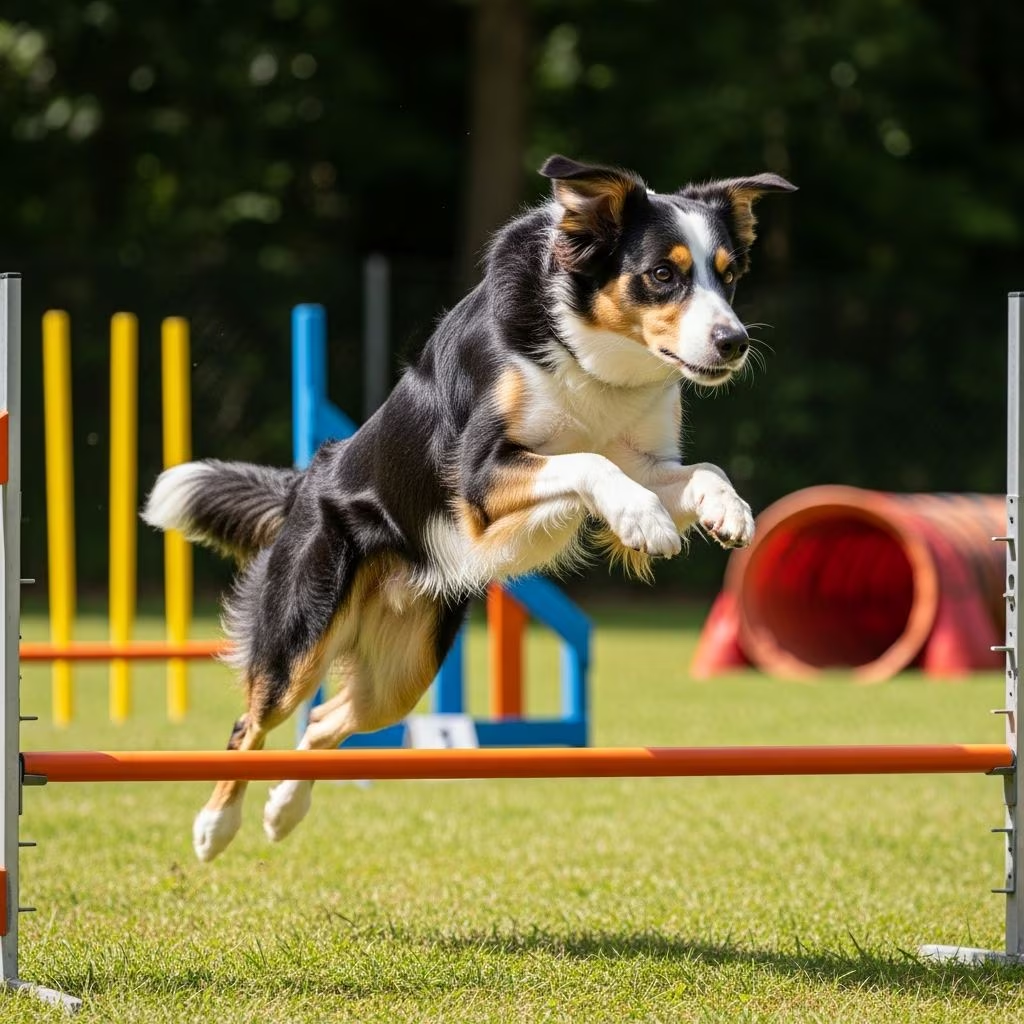
Dog agility training stands out as a thrilling and multifaceted activity that elevates a dog’s overall well-being. This sport involves navigating obstacle courses with elements like jumps, tunnels, weave poles, and seesaws, all directed by handler cues. Far beyond competition, it serves as an accessible way for pet owners to boost their dog’s physical condition, cognitive function, and emotional resilience.
The Physical Powerhouse of Agility Workouts
At its core, agility training delivers a full-body workout tailored for canines. Dogs sprint, climb, balance, and twist through various challenges, engaging multiple muscle groups simultaneously. This high-intensity activity enhances cardiovascular endurance, helping dogs maintain optimal weight and combat obesity—a common issue in sedentary pets.
Key physical gains include strengthened bones, joints, and muscles. For instance, scaling A-frames and navigating ramps improves flexibility and core stability, crucial for long-term mobility. Even senior dogs benefit from modified courses that promote gentle strengthening without excessive strain.
- Cardiovascular boost: Increases heart rate and lung capacity through sustained running.
- Muscle development: Targets hindquarters, shoulders, and back for balanced strength.
- Joint health: Low-impact repetition builds resilience against age-related wear.
Owners report noticeable improvements in stamina; high-energy breeds like Border Collies or Australian Shepherds channel their vigor productively, reducing fatigue from unstructured play.
Mental Gymnastics for Sharper Canines
Agility isn’t just about speed—it’s a brain teaser that demands focus, quick decision-making, and problem-solving. Dogs must interpret handler signals amid distractions, plan paths around obstacles, and adapt speeds on the fly. This mental workout combats boredom, a frequent trigger for destructive chewing or digging.
Regular sessions sharpen cognitive skills, akin to puzzle toys but amplified by physical demands. Studies and trainer observations note enhanced memory retention for commands and better impulse control, as dogs learn to pause and assess rather than react instinctively.
| Mental Skill | Agility Contribution | Example Obstacle |
|---|---|---|
| Focus | Blocks distractions | Weave poles |
| Problem-solving | Sequences actions | Tunnel to jump |
| Adaptability | Adjusts to changes | Seesaw (teeter) |
For working breeds, this stimulation mimics natural herding instincts, fulfilling innate drives in a controlled environment.
Building Unshakable Confidence
One of agility’s most transformative effects is confidence cultivation. Shy or fearful dogs often hesitate at novel textures, heights, or confined spaces. Gradual exposure through positive reinforcement—praise and treats for successes—rewires their mindset. Completing a teeter-totter or hoop tunnel for the first time sparks a sense of achievement.
This self-assurance spills over into daily life: doorbell anxiety diminishes as the dog trusts its abilities and handler partnership. Trainers emphasize starting small to stack wins, turning timid pups into bold explorers.
Fortifying the Human-Canine Partnership
Agility fosters teamwork, deepening the owner-dog bond. Handlers use voice, body language, and motion to guide off-leash runs, reinforcing trust and communication. Unlike solo walks, this interactive dynamic builds mutual reliance—dogs learn to anticipate cues, while owners refine timing and encouragement.
Sessions become joyful rituals, enhancing emotional connections. Families note calmer home dynamics as dogs view owners as reliable leaders.
Taming Energy and Curbing Behaviors
High-drive dogs burn through agility courses, expending pent-up energy that might otherwise fuel hyperactivity or mischief. A 20-minute run outperforms a leisurely stroll, leaving pups content and relaxed.
Behavioral perks include reduced reactivity; mentally tired dogs fixate less on triggers like passing squirrels. For anxious types, the structured fun lowers stress hormones, promoting equilibrium.
Adapting Agility for Every Dog and Age
Myth busting: Agility suits all sizes, breeds, and life stages—not just elite athletes. Mixed breeds, small dogs like Chihuahuas, and seniors thrive with scaled equipment. Puppies build foundational skills, adults maintain peak form, and elders preserve mobility.
- Puppies (6+ months): Focus on fun basics to avoid growth plate stress.
- Adults: Full courses for fitness peaks.
- Seniors: Low-height obstacles for joint-friendly exercise.
Consult vets for tailored plans, especially with pre-existing conditions.
Getting Started: Your Agility Roadmap
Begin at home with DIY setups: broomsticks for jumps, hula hoops for tunnels, chairs for weaves. Progress to classes at clubs affiliated with groups like the AKC or USDAA for professional guidance.
- Teach foundation cues: “tunnel,” “over,” “weave.”
- Introduce one obstacle weekly.
- Join group classes for socialization.
- Enter fun matches before trials.
Equipment costs vary; backyard kits start under $200. Safety first: clear spaces, supervise, and warm up.
Health and Longevity Perks
Combined benefits—fitness, smarts, confidence—yield healthier lifespans. Active dogs face fewer obesity-linked issues like diabetes or arthritis. Mental engagement delays cognitive decline in seniors.
Vets endorse agility for holistic care, noting improved posture and vitality.
Real-World Success Stories
Owners share tales of rescues blooming: a reactive Shepherd quiets post-training; an overweight Lab sheds pounds and gains zip. Competitions add thrill, but backyard play suffices for gains.
Potential Hurdles and Fixes
Challenges like handler frustration or dog disinterest arise. Solutions: keep sessions short (10-15 mins), end on highs, vary routines. Injured pups need rehab-focused mods.
Weatherproof indoor options exist for consistency.
FAQs
Is agility safe for my overweight dog?
Yes, with gradual starts and vet approval. It aids weight loss safely.
Can large breeds like Labs do agility?
Absolutely; many excel competitively.
How often should we train?
2-3 times weekly, 15-30 minutes.
Does it help separation anxiety?
Indirectly, via confidence and fatigue.
What’s the best starter equipment?
Tunnel, low jumps, weave poles.
Embrace the Agility Adventure
Agility training redefines dog ownership, blending fun with profound health upgrades. Start small, celebrate progress, and watch your companion flourish.
References
- 10 Benefits of Agility Training for Dogs — ElleVet Sciences. 2023. https://www.ellevetsciences.com/blog/agility-training-for-dogs/
- Benefits of Agility Training in Dogs — 4 Paws Kingdom. 2022. https://www.4pawskingdom.com/blog/benefits-of-agility-training-in-dogs
- 5 Benefits of Dog Agility Training — Kinship. 2023. https://www.kinship.com/dog-behavior/dog-agility-training
- Benefits of Dog Agility Training — BarkPark. 2024. https://www.dogparkproduct.com/build-your-park/benefits-of-dog-agility-training/
- 6 Awesome Benefits of Dog Agility Training — FitPaws. 2023. https://fitpaws.com/blogs/fitpaws-community/6-awesome-benefits-of-dog-agility-training
- Eight Reasons to Try Agility Training with Your Dog — VCA Animal Hospitals. 2023. https://vcahospitals.com/resources/behavior-dog/training/eight-reasons-to-try-agility-training-with-your-dog
- Agility Training for Anxious Dogs — American Kennel Club. 2024. https://www.akc.org/expert-advice/sports/agility-training-great-anxious-dogs/



