

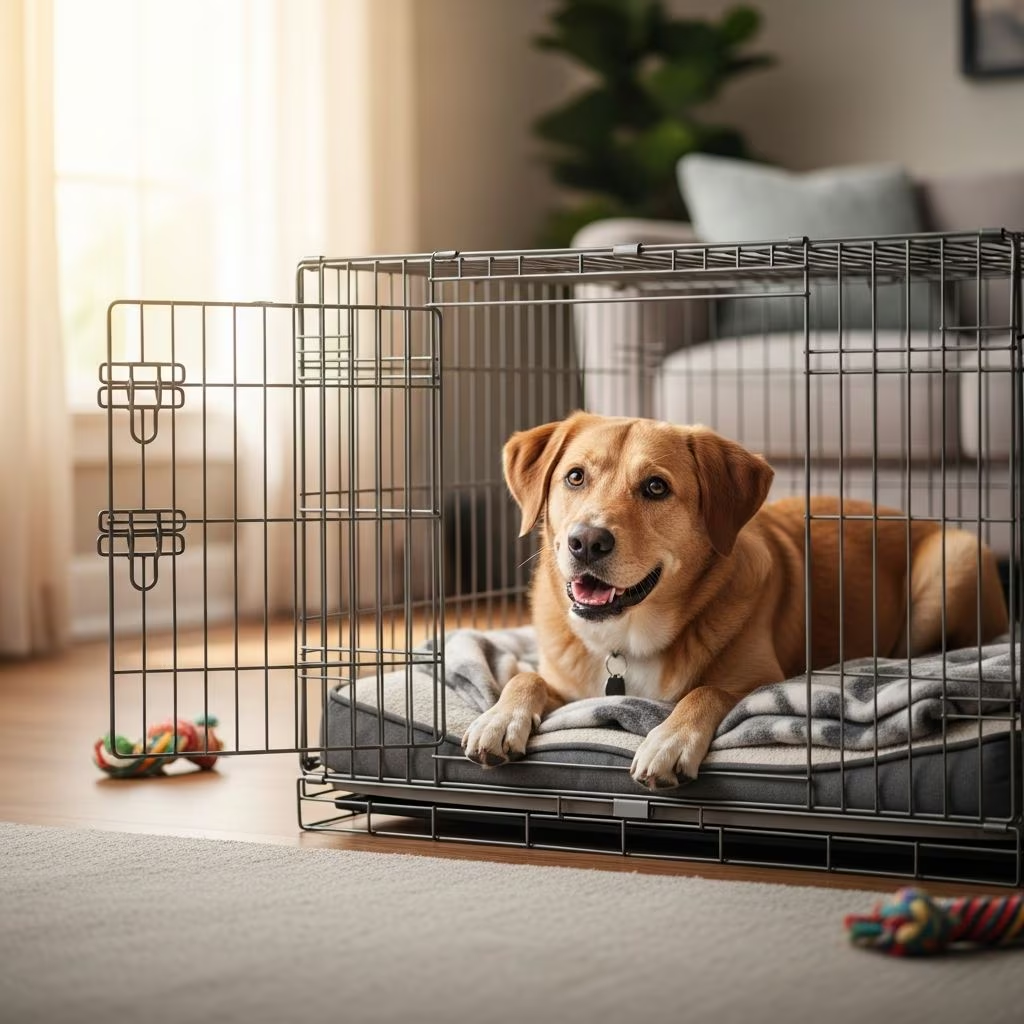
Crate training provides dogs with a dedicated, secure space that mimics their natural instincts, leading to improved behavior, safety, and well-being for pets and owners alike.
Understanding the Natural Appeal of Crates
Dogs descend from wolves, who seek enclosed dens for protection and rest. Modern crates replicate this by offering a quiet retreat amid household chaos. This den-like environment helps dogs feel secure, reducing overall stress levels and promoting relaxation.
Veterinarians and breeders universally endorse introducing crates early, as they support healthy development across life stages. For instance, enclosed spaces allow dogs to self-soothe during loud events like thunderstorms or fireworks, preventing panic-induced behaviors.
Accelerating Housebreaking Success
One of the standout advantages is its role in potty training. Dogs instinctively avoid eliminating in their sleeping areas, so a properly sized crate—large enough for standing and turning but not excessive—encourages bladder control.
Consistency is key: Schedule frequent outings, praise outdoor success, and gradually increase crate time. Studies confirm crate-trained puppies reach housebreaking milestones quicker, strengthening muscles and routines efficiently.
- Take puppies out every 1-2 hours initially, adjusting based on age.
- Use positive reinforcement like treats to associate crates with rewards.
- Monitor for signs of discomfort to avoid negative associations.
Preventing Household Destruction and Mischief
Unsupervised puppies often chew furniture or shoes out of boredom or teething. Crating during these times safeguards your home while teaching impulse control.
Research shows structured confinement curbs destructive tendencies in high-energy dogs by limiting opportunities for mischief and fostering calm. This approach earns dogs more freedom as they demonstrate reliability, turning privileges into earned rewards.
| Common Destructive Behaviors | How Crating Helps |
|---|---|
| Chewing furniture | Contains access to valuables during alone time |
| Scratching doors | Reduces anxiety-driven actions |
| Scatterings items | Promotes rest instead of exploration |
Easing Separation and General Anxiety
Many dogs suffer from separation anxiety, leading to whining, barking, or destruction when owners leave. A crate serves as a “safe zone,” helping dogs acclimate to solitude positively.
Paired with toys or blankets, crates lower stress hormones, as evidenced by veterinary studies on confined therapeutic spaces. Rescued dogs, often from traumatic backgrounds, particularly benefit, gaining a personal territory free from perceived threats.
For seniors or insecure breeds, smaller spaces mean less to “guard,” allowing true downtime. Introduce gradually with short, rewarding sessions to build comfort.
Enhancing Travel and Mobility Confidence
Whether for vet visits, road trips, or flights, a familiar crate turns travel into a non-event. Dogs settle faster in carriers, minimizing distractions for drivers and reducing escape risks.
Crate-trained pets lie down securely, avoiding motion sickness or hyperactivity. This preparation extends to public transport or hotel stays, where crates provide continuity.
- Practice car crate sessions with short drives.
- Acclimate to airline crates per carrier guidelines.
- Use familiar bedding for scent comfort.
Preparing for Emergencies and Recovery
In disasters like fires or floods, quick evacuation is vital. Crate-trained dogs enter carriers willingly, staying safe and reducing injury risks during chaos.
Shelters often require crating, enabling pets to remain with families. Post-surgery, vet-prescribed crate rest prevents re-injury by limiting movement, aiding faster healing.
Experts like intake coordinators stress its lifesaving potential: “You never know what’s going to happen.” Proactive training ensures adaptability in crises.
Tailoring Crate Training to Life Stages
Puppies: Building Foundations
Young dogs need frequent crate use for supervision and routine. It prevents sneaky accidents and teaches alone time, warding off future clinginess.
Adults: Managing Daily Stressors
Mature dogs use crates for breaks from kids, guests, or noise, maintaining household harmony.
Seniors: Comfort in Later Years
Aging pets appreciate easy-access crates for joint relief and quiet recovery.
Rescues: Rebuilding Trust
Traumatized dogs find solace in crates, easing transitions without territorial fights.
Practical Tips for Effective Implementation
Select wire or plastic crates based on needs—wire for airflow, plastic for travel. Size matters: Cozy but functional.
- Introduce with high-value treats and meals inside.
- Never use for punishment to preserve positivity.
- Limit sessions to 4-6 hours max, except overnight.
- Monitor body language for distress signals.
Combine with exercise and mental stimulation for balance—crates supplement, not replace, interaction.
Addressing Common Myths and Concerns
Some view crating as cruel, but when humane, it’s enriching. Dogs aren’t crated excessively; it’s downtime, like a child’s playpen.
Force leads to phobia—patience yields voluntary use. Consult trainers for breed-specific advice.
FAQs on Crate Training
How long can I crate my dog?
Puppies: 2-4 hours; adults: up to 6-8 with breaks. Always prioritize needs.
Is crate training suitable for all breeds?
Yes, from tiny Chihuahuas to large Labs, adjusted for size.
What if my dog cries in the crate?
Ignore attention-seeking whines after ensuring comfort; reward quiet.
Can crates help with barking?
Yes, by providing a calm retreat during triggers.
Do I need to cover the crate?
Often yes, for den effect, especially at night.
Long-Term Rewards of Commitment
Investing in crate training yields a confident, adaptable companion. From smoother routines to crisis readiness, benefits compound over years.
Owners report less stress, cleaner homes, and joyful travels. Start today for a harmonious bond.
References
- Should I Crate Train My Dog? What are the Benefits? — Now Fresh. 2023. https://nowfresh.com/en/top-reasons-to-crate-train-your-dog
- Crate Training Benefits: Why a Crate Is Great For You and Your Dog — American Kennel Club (AKC). 2024-01-15. https://www.akc.org/expert-advice/training/why-crate-training-is-great-for-your-dog/
- The benefits of crate training your dog — Pooches At Play. 2022. https://poochesatplay.com/training-behaviour/benefits-crate-training-dog/
- Benefits of Crate Training for Dogs — Precision Dog Training. 2023-06-10. https://precisiondogtrainer.com/benefits-of-crate-training-for-dogs-precision-dog-training/
- Why Crate Training Is Beneficial — Diggs Pet. 2024. https://www.diggs.pet/blogs/posts/crate-training-benefits



