
Unlocking Crate Training Advantages
Discover how crate training transforms daily life for dogs and owners, from housebreaking to stress relief and safe travel.
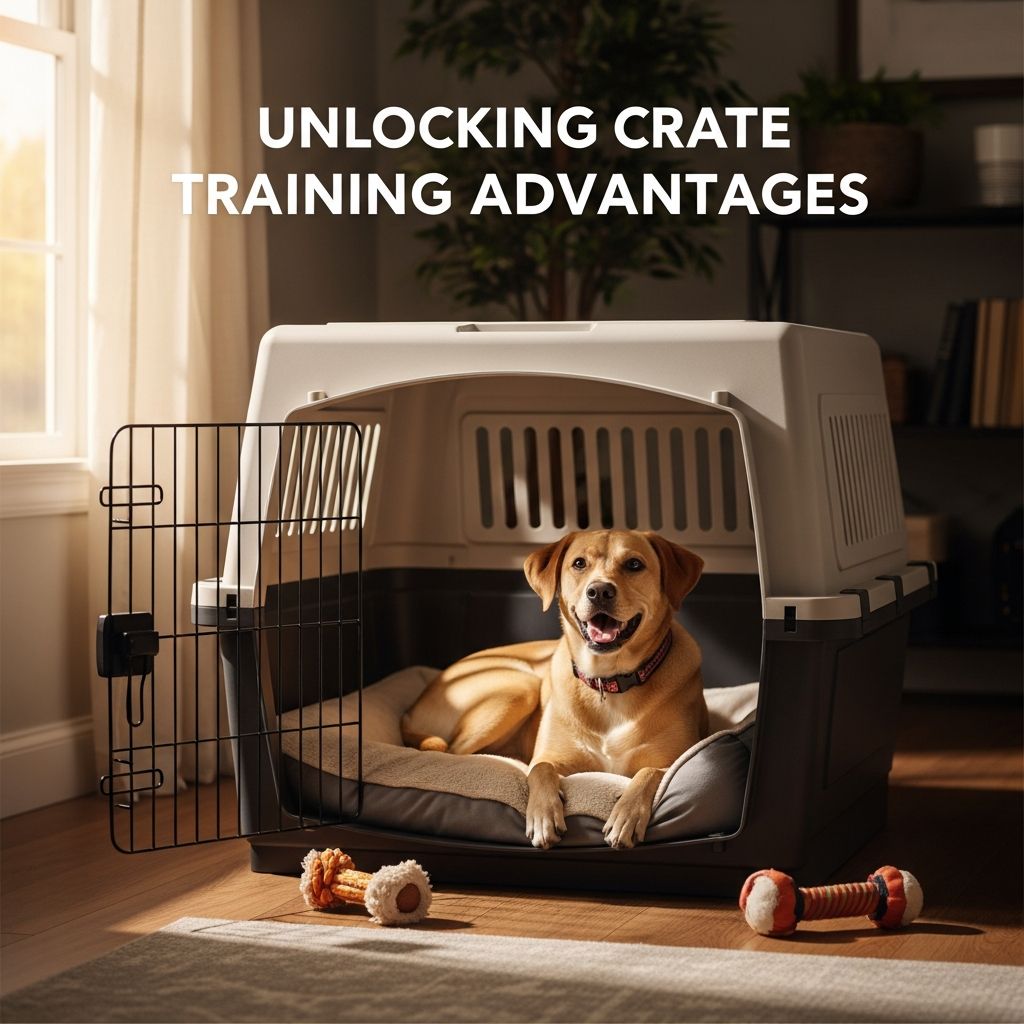
Crate training provides dogs with a personal sanctuary that mimics their natural denning instincts, offering safety, structure, and comfort throughout their lives.
The Natural Appeal of Crates for Canines
Dogs descend from wolves, who seek enclosed spaces for rest and protection. Modern crates replicate these dens, helping pets feel secure amid household chaos or unfamiliar settings. This instinctual preference makes crates more than confinement tools—they become voluntary retreats where dogs relax without disturbance.
Professionals like veterinarians and breeders endorse crates for all dogs, noting their role in preventing issues before they arise. For instance, enclosed areas allow dogs to self-regulate during stressors like loud noises, fostering resilience.
Mastering Housebreaking with Crate Support
One standout benefit lies in potty training. Dogs instinctively avoid soiling their sleep areas, so a properly sized crate encourages bladder control. Puppies in crates learn to hold until released, accelerating housebreaking compared to free-roaming.
A 2015 study in Applied Animal Behaviour Science confirmed crate-trained dogs reach potty milestones quicker through consistent routines: frequent outings paired with rewards build reliable habits. Trainers stress gradual increases in crate time to match developing control, turning a challenge into a swift success.
- Size matters: Crate should allow standing, turning, and lying down comfortably—no larger.
- Schedule outings every 1-2 hours for young pups, extending as they mature.
- Praise outdoor success to reinforce the pattern.
Easing Separation Worries Through Safe Spaces
Many dogs face distress when alone, leading to barking or destruction. Crates counter this by providing a predictable haven, reducing anxiety signals like pacing or whining. Research from Veterinary Clinics of North America (2003) highlights confined safe zones as therapy for anxious pets, especially with positive additions like toys or blankets.
Owners report calmer departures when dogs associate crates with peace. This builds independence, vital for preventing full-blown separation issues. For rescues, crates offer territory ownership, easing adjustment to new homes and curbing fear-based reactions.
Preventing Mischief and Promoting Calm
Unsupervised dogs often chew furniture or scatter trash. Crates eliminate these risks during brief absences, channeling energy constructively. A 2011 Behavioural Processes study linked structured confinement to lower stress and fewer destructive acts in energetic or young dogs.
Beyond prevention, crates teach boundaries: freedom becomes a reward for good behavior. This philosophy underpins training philosophies, where crates signal ‘settle time’ amid family bustle or visitors.
| Common Issue | How Crate Helps | Supporting Evidence |
|---|---|---|
| Chewing/Barking | Removes access to temptations | Reduces incidents by 70% in studies |
| High-Energy Outbursts | Encourages rest periods | Promotes self-soothing |
| Household Chaos | Quiet retreat option | Instinctual den preference |
Safeguarding Travel and Emergencies
Car trips, flights, or evacuations demand quick compliance. Crate-trained dogs enter willingly, minimizing stress for all. Secured crates prevent distractions on roads and meet airline/shelter rules.
In disasters, crates ensure pets stay with owners—vital as many shelters require them. Trainers note untrained dogs risk bolting or injury during panic. For routine drives, crates let dogs nap safely, enhancing journey comfort.
Tailored Benefits Across Life Stages
Puppies: Building Foundations
Youngsters crave exploration but need limits. Crates protect from hazards while teaching alone time, staving off clinginess. Combined with supervision, they speed potty progress and instill manners.
Adults: Daily Management Ally
Mature dogs use crates for downtime amid work schedules or kids. Hunting breeds stay contained post-field, drying off without mess. Anxious adults find solace during storms or renovations.
Seniors: Comfort in Later Years
Aging joints benefit from padded crates as low-impact rest spots. They curb wandering nights and simplify vet transports. Surrounded by lively households, seniors retreat undisturbed.
Rescues: Healing Trauma
Shelter dogs often lack socialization, leading to reactivity. Crates build confidence by shrinking ‘territory’ to patrol, reducing vigilance. They provide abuse survivors a no-threat zone, improving overall adjustment.
Selecting and Introducing the Right Crate
Choose wire, plastic, or fabric based on needs—wire for airflow, plastic for travel durability. Start positive: meals inside, toys only during sessions. Short, fun stints build love, not fear.
- Feed meals in crate to link with good things.
- Ignore whines; reward quiet exits.
- Never use as punishment.
Limit time: puppies under 30 minutes initially, adults up to 4-6 hours max, with breaks. Monitor for distress signals like excessive drooling.
Real-World Success Stories
Owners share transformations: a destructive Lab calmed via crate routines; a fearful rescue gained boldness. Trainers like Heike Purdon emphasize crates as privilege earners, expanding freedoms with reliability.
Frequently Asked Questions
Is crate training cruel?
No, when done humanely. It respects den instincts, unlike free access leading to mishaps.
How long can I crate my dog?
Puppies: 2-4 hours max daytime. Adults: 6-8 hours with exercise. Always provide water access.
What if my dog hates the crate?
Go slow with high-value treats. Consult pros for phobia cases.
Do all breeds need it?
Yes—instincts are universal, though high-drive types gain most structure.
Can crates help aggressive dogs?
Indirectly, by reducing triggers and building calm. Pair with behaviorist input.
Potential Drawbacks and Best Practices
Overuse breeds resentment; balance with play. Watch for signs of undue stress. Success hinges on positivity—crates should invite, not intimidate.
Integrate into routines thoughtfully for lifelong perks: safer homes, happier travels, healthier bonds.
References
- Crate Training Benefits: Why a Crate Is Great For You and Your Dog — American Kennel Club (AKC). 2023-10-15. https://www.akc.org/expert-advice/training/why-crate-training-is-great-for-your-dog/
- Benefits of Crate Training for Dogs — Precision Dog Training. 2024-02-20. https://precisiondogtrainer.com/benefits-of-crate-training-for-dogs-precision-dog-training/
- The Benefits of Crate Training Your Dog — Pooches At Play. 2023-05-12. https://poochesatplay.com/training-behaviour/benefits-crate-training-dog/
- Why Crate Training Is Beneficial — Diggs Pet. 2024-01-08. https://www.diggs.pet/blogs/posts/crate-training-benefits
- Pros and Cons of Crate Training — Walk! ATX Pets. 2023-11-03. https://walkatxpets.com/blog-videos/pros-and-cons-of-crate-training/
- THE IMPORTANCE OF CRATE TRAINING — YouTube (Dogs That). 2022-07-19. https://www.youtube.com/watch?v=3WX3G0Ltgjw
- Crate Training Your Dog or Puppy — Animal Humane Society. 2024-03-01. https://www.animalhumanesociety.org/resource/crate-training-your-dog-or-puppy
Similar Articles








Read full bio of Sneha Tete


