
Unlocking Cat Play: The Prey Drive Guide
Master the art of interactive cat play by tapping into their natural hunting instincts for happier, healthier felines.
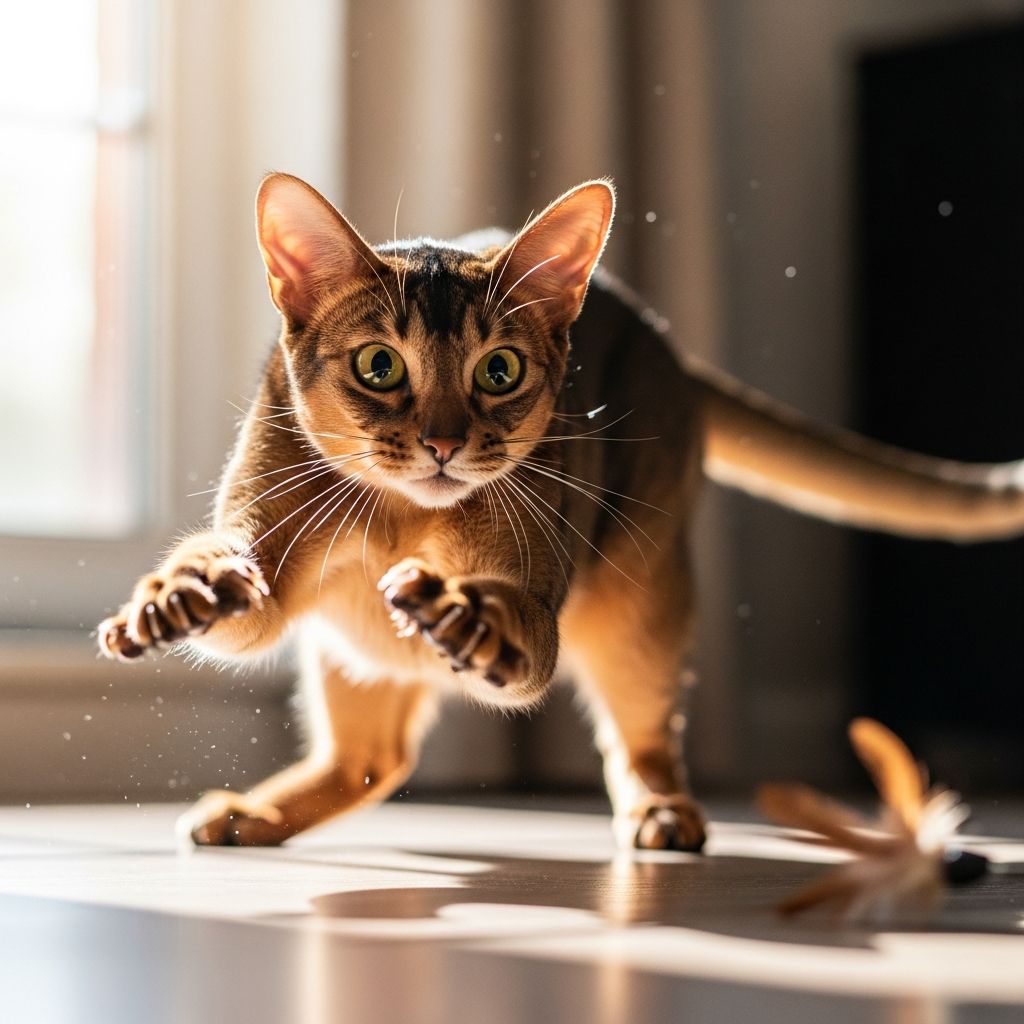
Cats are born hunters, wired with an innate drive to pursue, capture, and dispatch prey. Even well-fed indoor cats retain this primal instinct, which manifests in everyday behaviors like batting at shadows or fixating on moving objects. By incorporating the
prey sequence
into playtime, owners can fulfill these needs, preventing boredom-induced issues such as destructive scratching or excessive meowing.Understanding the Feline Prey Sequence
The prey sequence represents the structured progression of hunting behaviors observed in wild and domestic cats alike. This four-phase cycle—staring, stalking/chasing, pouncing/grabbing, and the kill bite—evolves from kittens’ playful ambushes to adult predators’ efficient takedowns. Research from veterinary behaviorists highlights how this sequence not only hones physical skills but also releases endorphins, promoting emotional well-being.
In the wild, cats repeat elements of this sequence multiple times per hunt, assessing and re-engaging prey until success. Domestic play mimics this, allowing cats to ‘complete’ the cycle without real danger.
- Phase 1: Staring – Cats fixate intently, pupils dilating as they evaluate distance and movement. This low-energy start builds anticipation.
- Phase 2: Stalking and Chasing – Stealthy creeping transitions to explosive sprints, mimicking real pursuit.
- Phase 3: Pouncing and Grabbing – A powerful leap followed by swatting or clutching secures the target.
- Phase 4: Kill Bite – The final neck shake or ‘bunny kick’ simulates dispatching the prey, often accompanied by growls.
Why Prey Sequence Play Matters for Indoor Cats
Indoor cats lack natural outlets for their predatory urges, leading to frustration. Unfulfilled instincts contribute to obesity, anxiety, and aggression. Structured play addresses this by providing mental puzzles and cardio exercise in one engaging package. Studies from feline behavior experts note that cats engaging in full-sequence play show reduced stress hormones and improved sleep patterns.
Benefits extend beyond physical health:
| Benefit | Impact on Cat |
|---|---|
| Physical Fitness | Burns calories, builds muscle, prevents weight gain |
| Mental Stimulation | Reduces boredom, curbs destructive habits |
| Bonding | Strengthens owner-pet relationship through cooperative ‘hunts’ |
| Stress Relief | Mimics natural success, lowers cortisol levels |
Essential Toys and Tools for Prey Play
Choose interactive wand toys over static ones to enable the full sequence. Feather attachments simulate birds, while fuzzy mice mimic rodents. Avoid laser pointers alone, as they deny the ‘catch’ phase, potentially increasing frustration.
- Wand toys with erratic lures (e.g., feathers, ribbons)
- Ground-based crawlers for stalking practice
- Meaty treats to ‘feed’ post-kill
Rotate toys weekly to maintain novelty, preventing habituation.
Step-by-Step Guide to Conducting Prey Sequence Sessions
Ideal sessions last 10-20 minutes, 1-3 times daily, timed before meals to mimic hunting-for-food. Observe your cat’s energy; seniors or timid cats may prefer shorter, gentler play.
- Initiate Staring: Dangle the lure at a distance, twitching subtly. Allow 30-60 seconds of observation—patience is key.
- Encourage Stalking/Chasing: Move slowly across floors or in zigzags. Hide behind furniture to provoke pursuit.
- Facilitate Pounce/Grab: Bring the toy within leaping range. Let catches succeed 80% of the time for confidence-building.
- Deliver the Kill: Slow movements to simulate injury, then allow a firm bite. End with a ‘death flop.’
- Post-Play Reward: Offer a small wet food dab or meat treat, followed by grooming time.
Pro Tip: Vary intensity—start vigorous for energetic cats, gentle for shy ones. If play pauses, reset to staring without frustration.
Tailoring Play to Your Cat’s Personality and Age
Not all cats hunt identically. Kittens need frequent, high-energy bursts; adults thrive on 15-minute routines; seniors benefit from seated staring games.
- High-Energy Cats: Multiple daily sessions with aerial chases.
- Shy Cats: Hidden, peeking lures to build courage.
- Multi-Cat Homes: Individual sessions to avoid competition; rotate toys.
- Seniors/Arthritic Cats: Low-impact staring and light pawing.
Overcoming Playtime Challenges
Common hurdles include disinterest or overstimulation. If your cat ignores toys, scent them with catnip or tuna juice. For bitey cats, use longer wands to maintain distance.
| Challenge | Solution |
|---|---|
| Cat loses interest mid-session | Shorten play; introduce new movements or scents |
| Over-aggression toward hands | Use only toys; never hands as prey |
| Ignores ‘kill’ phase | Slow lure dramatically; reward completion |
Consistency trumps perfection—daily engagement yields results over weeks.
Integrating Play into Daily Routines
Schedule around dawn/dusk ‘hunting hours.’ Combine with feeding: play first, eat second. Track progress in a journal to note preferences and improvements in activity levels.
Health Monitoring During Play
Watch for overexertion signs like heavy panting or limping. Consult vets for obese or mobility-limited cats before intensifying sessions. Play complements, not replaces, balanced diet and check-ups.
Frequently Asked Questions (FAQs)
Is prey play safe for all cats?
Yes, when supervised. Adapt for age/health; stop if distress appears.
How often should I play?
1-3 sessions daily, 10-20 minutes each, based on energy.
What if my cat attacks me instead of the toy?
Never use hands/feet as toys. Retrain with wands; ignore bites.
Can play help aggressive cats?
Often yes, by channeling instincts. Persistent issues need professional behaviorists.
Are expensive toys necessary?
No—DIY wands with strings/feathers work if interactive.
Advanced Techniques for Expert Play
Elevate sessions with obstacle courses or timed challenges. Group play for bonded cats fosters social hunting. Monitor for sequence completion rates to refine approaches.
References
- Cat Play — FAB Clinicians. 2020-02. https://fabclinicians.org/wp-content/uploads/2020/02/Cat-Play.pdf
- Playing with Your Cat for Health and Happiness — Feline Behavior Solutions. N/A. https://felinebehaviorsolutions.com/playing-with-your-cat-health-happiness/
- Provide Opportunity for Play and Feline Predatory Behavior — Aristokatz Veterinary Center. N/A. https://aristokatzvet.com/provide-opportunity-for-play-and-feline-predatory-behavior/
- Prey Play — Vitakraft Sun Seed. N/A. https://www.vitakraft.com/us/en/tipps/cat-tips/prey-play
Similar Articles








Read full bio of Sneha Tete




