

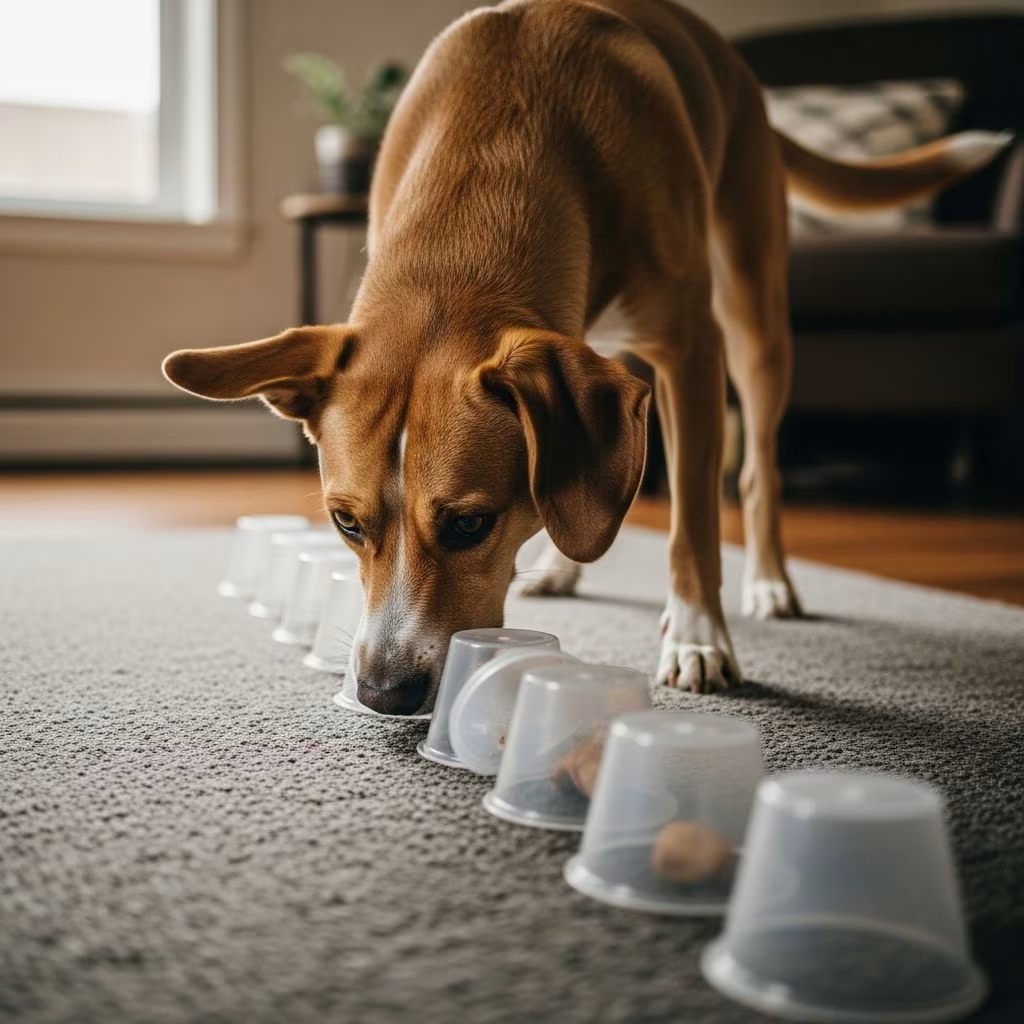
Every dog possesses an extraordinary sense of smell, far surpassing human capabilities, making scent-based activities a natural way to engage their instincts. Nose work games harness this superpower, providing mental workouts that exhaust even the most energetic pups without physical strain. These activities not only entertain but also enhance problem-solving skills, reduce anxiety, and deepen the human-canine bond.
The Science Behind a Dog’s Nose
Dogs have up to 300 million olfactory receptors compared to our mere 6 million, allowing them to detect scents at concentrations 100,000 times lower than humans can. This biological gift evolved for survival—hunting, tracking, and communication. In modern life, channeling it through games prevents boredom-induced behaviors like chewing or digging.
Structured nose work mimics professional scent detection used by working dogs in search-and-rescue or law enforcement. For pet owners, it offers a low-impact exercise ideal for rainy days, seniors, or reactive dogs who thrive in distraction-free settings.
Why Prioritize Mental Over Physical Exercise?
- Energy Efficiency: A 15-minute scent session can tire a dog as much as an hour of fetch.
- Confidence Building: Success in finding hidden items empowers shy or fearful dogs.
- Behavioral Benefits: Redirects focus from stress to purposeful sniffing, lowering reactivity.
- Accessibility: Requires no special equipment—just treats and household objects.
Research from animal behaviorists shows mentally stimulated dogs exhibit fewer destructive habits and improved overall well-being.
Essential Tools for Nose Work Success
Start with high-value, smelly treats like cheese, hot dogs, or freeze-dried liver to motivate sniffing. Use paper towels for scent transfer, cardboard boxes, towels, muffin tins, and cups for hiding. Sessions should last 5-15 minutes to maintain enthusiasm without frustration.
| Item | Purpose | Why It Works |
|---|---|---|
| Strong-Scented Treats | Motivation | Dogs detect odors easily, encouraging persistence. |
| Paper Towels | Scent Collection | Transfers smells from toys or people effectively. |
| Boxes/Cups | Hiding Spots | Creates challenges without complexity. |
| Muffin Tin & Balls | Intermediate Game | Teaches precise sniffing under covers. |
Beginner Nose Games: Build the Foundation
Hand Sniff Challenge
This introductory game teaches nose reliance over sight. Close your fists, hiding a treat in one hand. Hold them at nose level and say “Find it!” Let your dog paw or sniff the correct fist. If wrong, reveal empty hand without reward and retry. Progress by switching hands faster. Repeat 5-10 times per session.
Cup Shuffle Basics
Place three plastic cups upside down. Show the treat, hide it under one, shuffle gently, and cue “Sniff out!” Praise lavishly on success. Advance by adding cups or hiding without shuffling while dog watches.
Visible Drop Hunt
With dog in sit-stay, walk 6 feet away, place treat in plain sight (e.g., floor corner), return, face it, and say “Hunt!” Release from stay. Repeat 6 times, ensuring 100% success to build trust in the cue.
Intermediate Challenges: Add Complexity
Open Container Quest
Line up 4-6 bowls or boxes. Hide treat in one while dog watches. Cue “Search!” Encourage sniffing each without pointing. For scent intro, rub treat on a towel, hold briefly under nose first. Sessions: 3-5 rounds.
Towel Roll Puzzle
Scatter treats on an unrolled towel, roll tightly. Place before dog and cue “Unroll and find!” They paw and sniff to access. Vary by tying knots around treats for digging practice.
Muffin Tin Mystery
Fill muffin tin holes with kibble, cover with tennis balls. Dog noses balls aside to retrieve food. Ideal for mealtime conversion to foraging.
Obvious Hide-and-Seek
While dog stays, “hide” treat in easy spots like behind a chair leg or wastebasket, in view. Return, scent cue if needed, then “Hunt!” Progress to atop low surfaces.
Advanced Scent Adventures
Blind Room Search
Put dog in another room. Hide 2-3 treats in moderate spots (under rug edge, in open drawer). Bring back, scent cue, then “Search room!” Gesture broadly if stuck, but avoid pointing. Reset easier if fails.
Scent Trail Pursuit
Dip string or treat in broth, drag across floor creating path to hidden reward. Cue “Follow trail!” Extend to multi-room mazes.
Multi-Target Mania
Hide several treats varying easy/hard (shelf, inside shoe). Scent first, then send. Builds endurance and discrimination.
Transitioning to Non-Food Targets
Once proficient with treats, switch to toys. Rub favorite toy on scent towel, hide as before, progressing through levels. For people search, collect neck scent on towel, hide person simply first (behind door), cue accordingly. This generalizes skills to lost item recovery.
Tips for Every Skill Level
- Keep it positive: Reward partial efforts to foster confidence.
- Short bursts: 5-10 minutes prevents overwhelm.
- Supervise always: Avoid ingestion hazards.
- Vary scents: Rotate treats/toys weekly.
- Outdoor expansion: Grass scatters or park hides once indoor mastered.
Benefits for Specific Dog Types
High-Energy Breeds: Herding or hound types burn mental energy efficiently.
Fearful Dogs: Controlled success builds self-assurance without pressure.
Seniors: Low-impact sniffing supports cognitive health.
Puppies: Teaches focus amid distractions.
Frequently Asked Questions
How often should I play nose games?
3-5 sessions weekly, 10-15 minutes each. Daily for high-drive dogs.
What if my dog gets frustrated?
Downshift difficulty, reward sniffing attempts. End on success.
Can any breed do this?
Yes—no obedience required. All dogs love sniffing.
Progress to competitive nose work?
Master basics, then join clubs like NACSW for trials.
Age minimum?
Puppies from 8 weeks; adapt for mobility.
Safety First in Scent Play
Use non-toxic items, monitor for allergies, and ensure hides are safe (no small parts). Hydrate post-session and watch for overexertion in hot weather.
References
- Dog Nose Work: Scent Training Sport for Dogs — Best Friends Animal Society. 2023. https://bestfriends.org/pet-care-resources/dog-nose-work-scent-training-sport-dogs
- Nose Game Tips — Meyerland Animal Clinic. 2024. https://meyerlandanimalclinic.com/nose-game-tips/
- Top Nosework Games to Stimulate Your Dog’s Mind at Home — Off Leash K9 Maryland. 2023. https://www.olk9md.com/top-nosework-games-to-stimulate-your-dogs-mind-at-home/
- Understanding Nose Work Training for Dogs — Chewy. 2024. https://www.chewy.com/education/dog/training-and-behavior/nose-work-training
- How to Teach Your Dog to Play “Nose Games” — Whole Dog Journal. 2023. https://www.whole-dog-journal.com/training/how-to-teach-your-dog-to-play-nose-games/



