

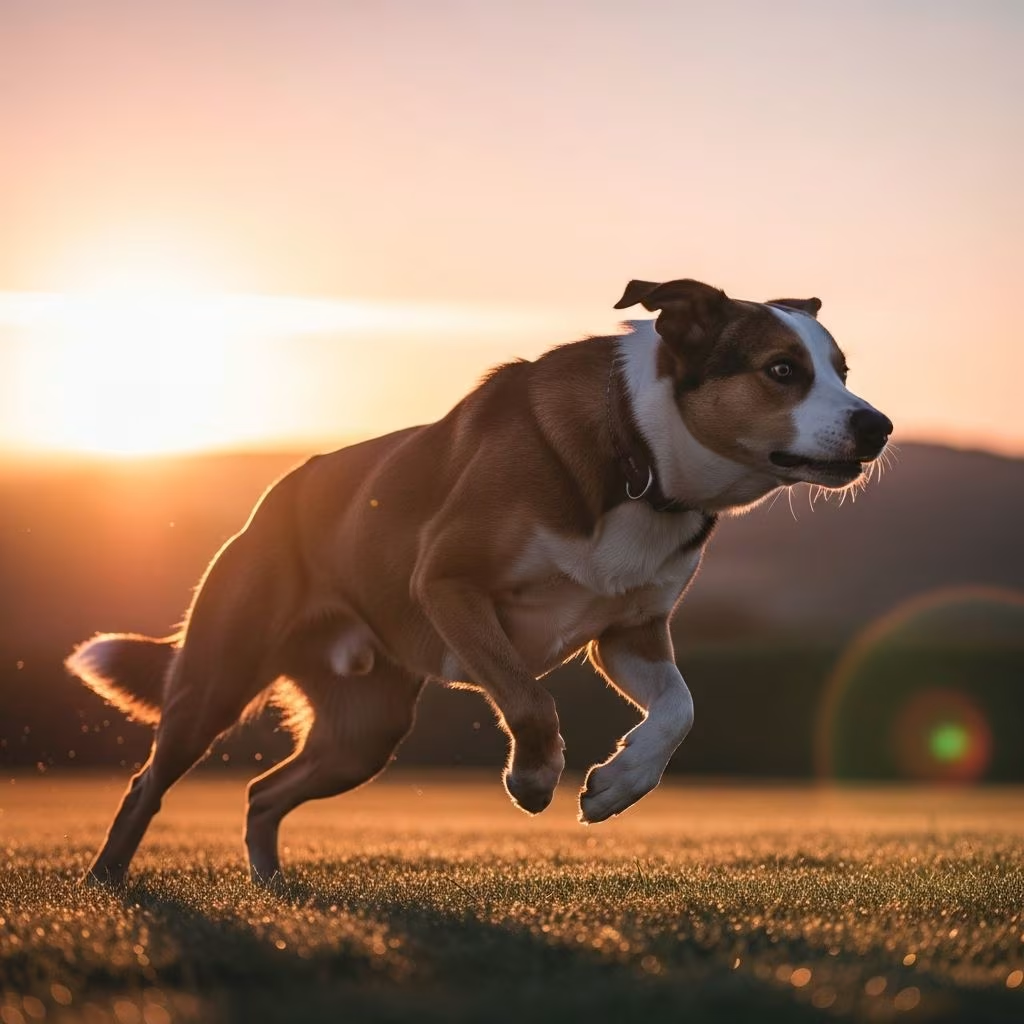
Dogs thrive on motivation in training, where rewards like food, play, and attention transform reluctant learners into eager participants. Positive reinforcement builds a strong human-canine bond while ensuring behaviors stick across environments.
Understanding What Drives Your Dog
Every dog has unique motivators that dictate their willingness to learn. Food often ranks high, but play, outdoor access, and human interaction can be equally powerful. Identifying these preferences allows trainers to customize sessions for maximum engagement.
Begin by observing your dog’s reactions. Does their tail wag furiously for a squeaky toy? Do they perk up at the sight of cheese? These cues reveal high-value rewards. Low-distraction settings help isolate true interests, preventing environmental pulls from overshadowing your efforts.
- Food: Versatile and immediate, from kibble to freeze-dried treats.
- Play: Tug, fetch, or chase games that tap into natural instincts.
- Social: Attention from you or other dogs.
- Access: Freedom to explore outdoors or favorite spots.
Positive Reinforcement Fundamentals
Positive reinforcement rewards desired behaviors immediately, increasing their repetition. Unlike punishment, it fosters enthusiasm without fear. Pairing a marker—like a clicker or “yes”—with the reward accelerates learning by pinpointing exact moments of success.
Start sessions with marker conditioning: Say “yes” and deliver a treat repeatedly. Soon, the word alone sparks anticipation, shown by lip-licking or eager stares. This foundation supports all future training.
| Motivator Type | Examples | Best Use Cases |
|---|---|---|
| High-Value Food | Cheese, meat, freeze-dried raw | Distractions, recall |
| Low-Value Food | Kibble, basic treats | Low-distraction practice |
| Non-Food | Toys, play, praise | Building intrinsic drive |
Building Engagement from Scratch
Engagement means your dog focuses on you amid distractions. Begin with simple games to establish value in the training relationship. Daily play routines—tug with ropes, ball chases, or hide-and-seek—double as training opportunities for impulse control and recalls.
Use body language, tone, and leash handling to communicate clearly. A upbeat voice and relaxed posture invite participation, turning training into a game. Gradually introduce challenges: Start indoors, progress to yards, then parks.
Step-by-Step: Mastering the “Touch” Behavior
“Touch” teaches nose-to-hand contact, boosting confidence and attention. It’s ideal for beginners, using food as the primary driver.
- Prepare Rewards: Select high-value treats like freeze-dried raw for motivation.
- Present Target: Hold a treat-filled fist at nose level.
- Encourage Contact: Wait for nose boop; mark with “yes” and reward.
- Repeat Successfully: 5-10 times, keeping sessions short (1-3 minutes).
- Fade Lure: Present empty fist; reward from other hand.
- Switch to Palm: Use open hand as new target.
- Add Verbal Cue: Say “Touch” before presenting target.
- Add Distractions: Practice outdoors with higher-value rewards.
- Maintain Daily: 2-3 sessions; adjust calories to balance treats.
Tips: Match reward value to environment—kibble indoors, premium treats outside. Experiment to find preferences.
Phased Training Approach
Structure training in stages: teaching, practicing, testing. Teach in quiet areas with 100% rewards. Practice varies locations, fading rewards intermittently. Test in real-world scenarios without cues, ensuring reliability.
This progression prevents plateaus. For recalls, use life rewards like park access post-success.
Training Non-Food Motivated Dogs
Not all dogs food-obsessed. For these, prioritize toys or activities. Water-loving pups chase hoses; sight hounds pursue lunging toys. Pair these with markers for association.
Wean from tools quickly to nurture intrinsic motivation. Use praise or petting first; escalate only if needed. Avoid over-reliance to prevent dependency.
Common Pitfalls and Fixes
Distractions derail focus—distance yourself and upsell rewards. Overlong sessions cause burnout; keep under 3 minutes. Inconsistent marking confuses; practice daily.
- Pitfall: Wrong reward value. Fix: Test preferences systematically.
- Pitfall: No marker association. Fix: Condition separately first.
- Pitfall: Skipping phases. Fix: Master one before advancing.
Advanced Motivation Strategies
Layer motivators: Follow food with play for jackpot effects. Teach “hand target” variations for heeling. Incorporate recall games where success unlocks group play.
Track progress: Note behaviors per session, reward types, and environments. Adjust based on data for steady gains.
FAQs
What if my dog ignores treats?
Switch to toys, play, or access privileges. Observe what elicits joy and use it as currency.
How often should I train?
2-3 short sessions daily. Consistency trumps duration.
Can I use household food?
Yes, like cheese for high value, but balance diet and avoid toxic items.
What’s a marker and why use it?
A sound or word signaling reward timing, speeding learning.
How to fade rewards?
Intermittent after proficiency; praise takes over.
Long-Term Benefits
Motivated training yields obedient, happy dogs with unbreakable bonds. Owners gain confidence; dogs gain purpose. Invest time now for lifelong companionship.
References
- Sparking Motivation in Dog Training — Instinct Pet Food. 2023. https://instinctpetfood.com/sparking-motivation-in-dog-training/
- Motivational Method — Volhard Dog Nutrition. 2023. https://www.volharddognutrition.com/motivational-method/
- Dog-Training Tips: Motivators and Reinforcement — Orvis News. 2023. https://news.orvis.com/dogs/dog-training-tips-motivators-and-reinforcement
- Intrinsic Motivation in Dog Training – Beyond Carrots and Sticks — Thriving Canine. 2023. https://www.thrivingcanine.com/blog/beyond_carrots_sticks/
- The Theory Behind Engagement and Motivation in Dog Training — Leerburg. 2023. https://leerburg.com/theoryofmotivation.htm



