

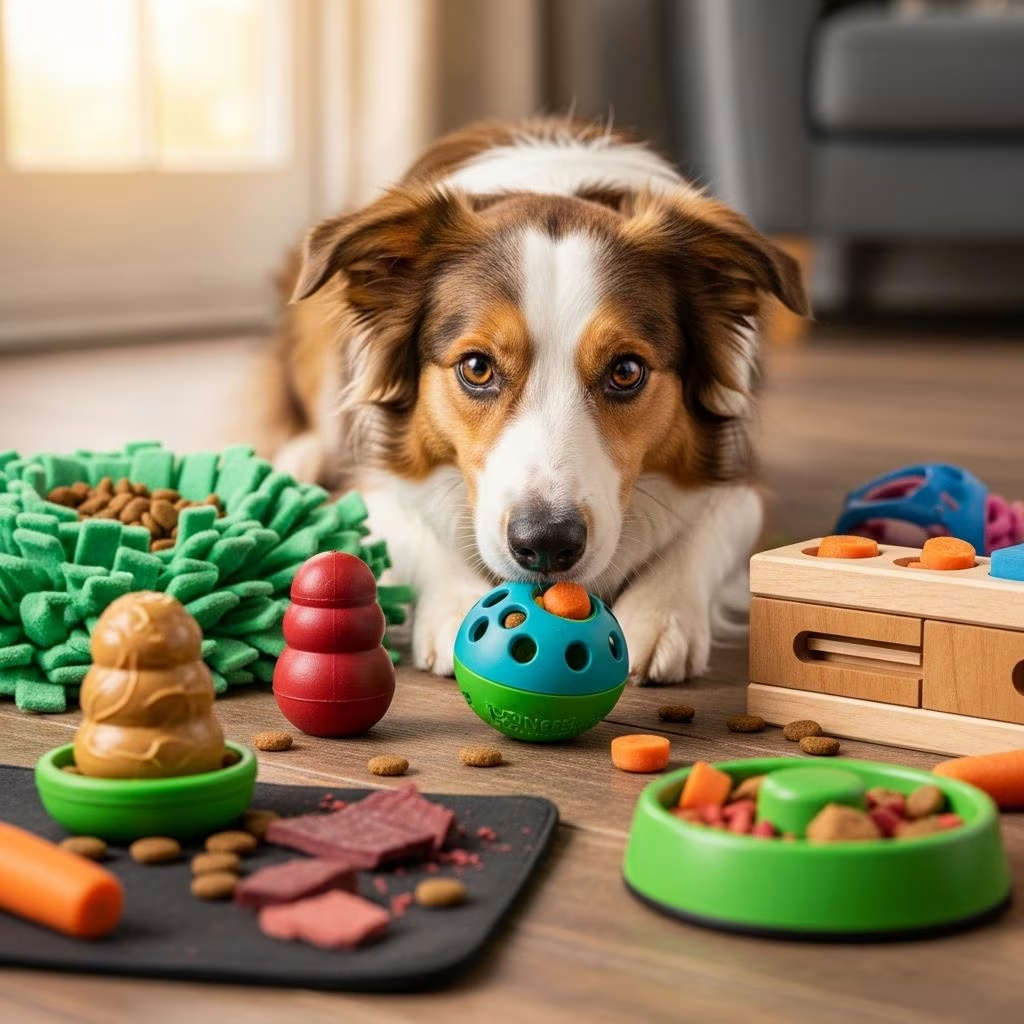
Interactive puzzle toys have revolutionized how dog owners engage their pets’ minds, offering far more than simple chew items. These clever devices challenge dogs to think, problem-solve, and forage, mimicking natural instincts while delivering treats as rewards. By turning play into purposeful activity, they combat boredom, enhance cognitive function, and promote overall well-being.
The Science Behind Mental Stimulation for Dogs
Dogs possess remarkable intelligence comparable to a human toddler, requiring regular mental exercises to stay sharp. Puzzle toys provide this by engaging sniffing, pawing, and strategic thinking, which release dopamine and build neural pathways. Research shows these activities reduce stress hormones and improve mood, much like crossword puzzles benefit humans.
Unlike passive toys, puzzles demand active participation. For example, treat-hiding mechanisms force dogs to use their noses and paws, fostering skills lost in modern domesticated life. Veterinary experts note that consistent use prevents cognitive decline in seniors and accelerates learning in puppies.
Key Benefits of Puzzle Toys for Your Dog’s Health
Puzzle toys deliver multifaceted advantages, from physical exercise to emotional balance. Here’s a breakdown:
- Mental Sharpness: Challenges like sliding panels or hidden compartments hone problem-solving, keeping brains agile across all ages.
- Stress Relief: Focused play promotes deep breathing and licking, natural calming behaviors that lower anxiety during alone time.
- Behavior Improvement: Redirects energy from chewing furniture to productive tasks, curbing destructive habits born of boredom.
- Physical Activity: Many designs require rolling, nudging, or batting, providing low-impact exercise ideal for indoor days.
- Slower Eating: Puzzle feeders extend mealtimes, preventing gulping that leads to bloat or obesity.
These benefits extend to training: rewards reinforce patience and impulse control, strengthening owner-pet bonds.
Types of Interactive Puzzle Toys Explained
Dog puzzles vary in complexity and function, suiting different skill levels and preferences. Understanding types helps select the perfect match.
| Type | Description | Best For | Difficulty |
|---|---|---|---|
| Treat-Dispensing Balls | Roll to release kibble; unpredictable motion keeps dogs chasing. | High-energy breeds, beginners. | Easy |
| Snuffle Mats | Fabric with hidden treats; encourages sniffing and rooting. | Anxious or scent-driven dogs. | Easy-Medium |
| Sliding Puzzle Boards | Movable tiles reveal compartments; multi-step solving. | Smart, food-motivated pups. | Medium-Hard |
| Lick Mats | Textured surfaces for spreading wet food; promotes licking. | Seniors, calming needs. | Easy |
| Hide-and-Seek Blankets | Pockets to stuff toys/treats; burrow to retrieve. | Burrowers, diggers. | Medium |
Start with easy options to build confidence, progressing as skills develop. Observe your dog’s reactions—some prefer nose work, others paw manipulation.
How Puzzle Toys Transform Problem Behaviors
Boredom fuels issues like excessive barking, digging, or aggression. Puzzle toys interrupt these cycles by occupying the mind. When a dog solves a challenge for a treat, it experiences success, boosting confidence and reducing frustration.
For separation anxiety, toys like snuffle mats shift focus during departures, mimicking foraging to ease distress. High-energy dogs tire mentally faster than physically, making puzzles efficient for busy owners. Studies confirm reduced cortisol levels post-play, proving their calming efficacy.
Selecting the Right Puzzle Toy for Your Dog
Match toys to your dog’s profile:
- Breed Traits: Herding breeds excel at complex boards; hounds love scent puzzles.
- Age: Puppies need simple designs; seniors benefit from low-effort lick mats.
- Size: Ensure toy durability matches jaw strength—opt for heavy-duty rubber for power chewers.
- Preferences: Test toys; some ignore non-food rewards.
Quality matters: Look for non-toxic, BPA-free materials with easy cleaning. Rotate toys weekly to maintain novelty.
Practical Tips for Introducing and Using Puzzle Toys
- Start Simple: Demonstrate first—guide your dog’s paw or nose to success.
- Use High-Value Treats: Small, soft pieces motivate without overfeeding.
- Supervise Initially: Prevent frustration; offer hints if stuck.
- Incorporate Meals: Fill with kibble to make sessions routine.
- Progress Gradually: Increase difficulty as proficiency grows.
- Clean Regularly: Dishwasher-safe models simplify hygiene.
Session length: 10-20 minutes, 2-3 times daily. Combine with walks for balanced enrichment.
Real-World Success Stories and Expert Insights
Owners report dramatic changes: hyper Labs calm after puzzle sessions, rescue mixes gain confidence. Experts like veterinary behaviorists endorse puzzles as first-line boredom busters, noting parallels to wild scavenging.
For multi-dog homes, individual puzzles prevent resource guarding. They’re also rehab-friendly for injured pups needing mental outlets.
Potential Drawbacks and Solutions
Not all dogs take to puzzles immediately—frustration may arise. Solution: Pair with training, using positive reinforcement. Over-reliance risks treat obesity; balance with kibble-only play. Cost varies, but durable toys pay off long-term.
FAQs: Puzzle Toys for Dogs
Are puzzle toys suitable for all dogs?
Yes, with appropriate difficulty. Even timid pups benefit from basic mats.
Can puzzles replace walks?
No, but they supplement on bad-weather days, providing equivalent mental fatigue.
How often should I use them?
Daily, ideally during meals, for optimal engagement.
Do they help with aggression?
Indirectly, by reducing boredom-fueled outbursts and teaching impulse control.
What if my dog destroys the toy?
Choose reinforced models; supervise and upgrade as needed.
Building a Puzzle Toy Routine for Lasting Results
Integrate puzzles into daily life: breakfast challenges, evening wind-downs. Track progress—faster solves indicate growth. Vary types for sustained interest, turning your home into an enrichment hub. Healthier, happier dogs await.
References
- Are Puzzle Toys Really Good for Dogs? What the Science Tells Us — Rover.com. 2023-05-15. https://www.rover.com/blog/are-puzzle-toys-good-for-dogs/
- How Interactive Toys Enhance Your Dog’s Well-being — MyIntelligentPets.com. 2024-02-10. https://myintelligentpets.com/blogs/blog/playtime-prowess-how-interactive-toys-enhance-your-dogs-well-being
- How Interactive Dog Toys Improve Your Dog’s Behavior & Health — ShopYomp.com. 2024-08-22. https://shopyomp.com/blogs/magazine/how-interactive-dog-toys-can-improve-your-dogs-behavior-and-mental-health
- The Importance of Interactive Toys in Canine Development — MyWoof.com. 2023-11-03. https://mywoof.com/blogs/articles/the-importance-of-interactive-toys-in-canine-development
- Benefits of Dog Enrichment Toys — Mountainside Veterinary Hospital. 2024-01-18. https://www.mountainsidevets.com/blog/dog-enrichment-toys



