Bird Speech Training: Step-By-Step Guide For Owners
Master proven techniques to help your parrot mimic words and phrases, building a deeper bond through consistent, rewarding practice.
Unlocking Bird Speech: Training Guide
Many pet bird owners dream of hearing their feathered friends mimic human words, creating moments of delight and connection. Certain species excel at vocal imitation due to their syrinx anatomy, which allows complex sound production. With patience and structured methods, owners can encourage this skill, fostering stronger relationships.
Which Birds Have the Greatest Potential for Talking?
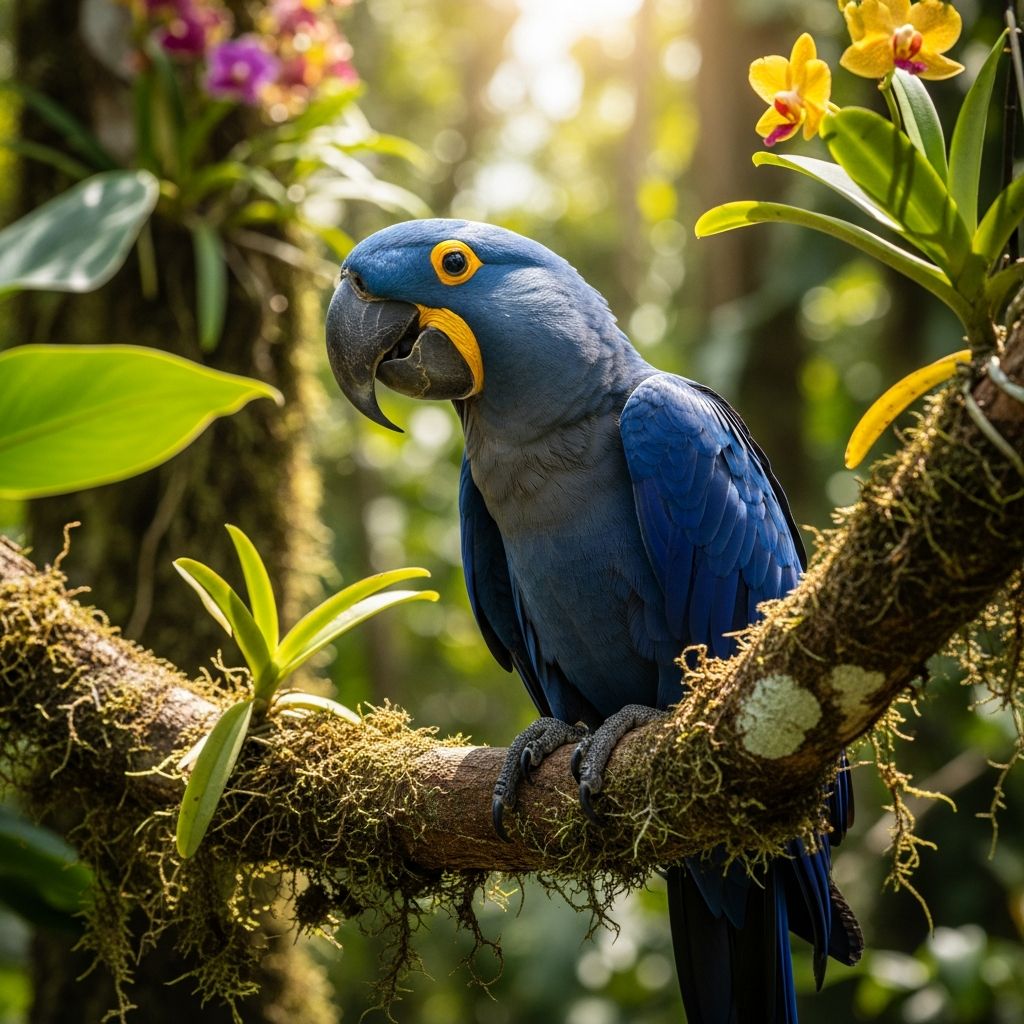
Not all birds can replicate speech clearly, but several species stand out for their abilities. African Greys top the list, often building vocabularies of hundreds of words with contextual understanding. Amazon parrots follow closely, known for loud, clear phrases. Other strong candidates include Eclectus, Quaker parrots, and Indian Ringnecks, which develop impressive repertoires over time.
Budgerigars (budgies) surprise many with their potential, especially males, who can string together sentences despite small size. Cockatoos and macaws offer some mimicry but prioritize other behaviors like dancing. Conures and cockatiels vary widely; while not top talkers, individuals occasionally pick up phrases. Factors like age influence success—younger birds under one year learn fastest, though adults can progress with dedication.
- African Grey: Exceptional clarity and context use.
- Amazon: Bold volume and phrase repetition.
- Budgie: Surprisingly versatile for small birds.
- Ringneck: Late bloomers with strong accents.
Essential Prerequisites for Successful Training
Before diving into speech lessons, ensure your bird thrives in a supportive environment. A spacious cage with perches at varied heights promotes comfort. Daily interaction builds trust, viewing you as flock rather than threat. Health checks rule out issues like nutritional deficiencies that hinder vocalization.
Males often outperform females in species like budgies and ringnecks due to innate tendencies. Tame birds socialized early respond best, associating humans with positivity. Start with hand-tamed or young birds for quicker results, but even cage-bound ones can learn through proximity.
| Factor | Impact on Talking | Tip |
|---|---|---|
| Age | Younger = faster learning | Begin before 1 year |
| Sex | Males usually better | Observe natural chatter |
| Socialization | High trust accelerates | Daily handling sessions |
| Health | Optimal for vocal strength | Vet check annually |
Building a Strong Foundation with Positive Reinforcement
Positive reinforcement forms the core of effective bird training, rewarding desired behaviors to encourage repetition. Use treats like millet sprays, nuts, or favorite fruits immediately after any vocal attempt. Pair with verbal praise in an enthusiastic tone to link sound-making with joy.
Begin in low-distraction areas, such as a quiet room, to maintain focus. Short sessions—5 to 15 minutes—prevent fatigue, as birds have limited attention spans. Consistency across household members reinforces lessons without confusion.
Selecting the Perfect Starter Phrases
Choose simple, one- or two-syllable words like “hello,” “good bird,” or your bird’s name. High-pitched, melodic voices often capture attention best, mimicking natural calls. Associate phrases with routines: say “step up” during perch training or “yum” with treats.
Contextual linking boosts retention—”hungry” before meals or “night night” at dusk. Start with sounds your bird already makes, gradually shaping them toward words. Patience yields results, as birds process through imitation rather than comprehension.
Mastering Repetition: The Key to Vocal Mimicry
Repetition drives progress; speak your chosen phrase hundreds of times daily in clear, exaggerated tones. Integrate into chores: greet with “hi” entering the room, repeat during cleaning. Dedicated sessions involve holding the bird close to your mouth, demonstrating mouth movements.
Morning and pre-meal times prove receptive, when hunger heightens engagement. Whistle tunes first if words stall, as many birds bridge from melodies to speech. Movement aids—gently bounce the bird while speaking to sync rhythm with sound.
Daily Repetition Routine
- Sit bird on stand in quiet space.
- Say phrase 20-30 times slowly, with expression.
- Offer treat for any mimicking sound.
- Repeat 3-5 times daily.
- Chat casually using phrase throughout day.
Advanced Techniques for Expanding Vocabulary
Once basics stick, introduce phrases like “I love you” or object names during interactions. Use mirrors or recordings of your voice looped softly overnight for subconscious exposure. Group training with family members creates interactive games, prompting responses.
Video yourself repeating phrases, playing back for the bird to observe. For stubborn cases, target whistles or laughs before words. Track progress in a journal, noting first attempts to celebrate milestones.
Timeline Expectations and Realistic Goals
Results vary: precocious budgies may speak in weeks, while larger parrots take months. Consistent effort yields first words in 2-8 weeks for apt learners. Some birds never talk but thrive in other ways, like tricks or cuddling.
If no progress after three months, reassess environment or consult avian experts. Genetics play a role—not every bird prioritizes speech.
Overcoming Common Training Hurdles
Silence despite efforts? Increase one-on-one time to build comfort. Distractions derail focus—train sans TV or other pets. Screeching instead of words? Ignore negatives, reward only approximations.
Boredom stalls gains; rotate phrases seasonally. Multi-bird homes favor flock calls—separate for human speech focus. Health changes like molting temporarily mute; pause and resume later.
- No sounds: Boost bonding play first.
- Wrong noises: Withhold treats selectively.
- Slow progress: Shorten sessions, add variety.
Enhancing Speech with Environmental Tweaks
A dynamic setup stimulates vocalization: rotate toys, provide foraging puzzles. Natural light cycles regulate energy for practice. Nutritional boosts like omega-3s support syrinx health.
Audio variety—podcasts or audiobooks—acclimatizes to human tones without other birds dominating. Perch near conversation areas for passive learning.
Health and Welfare During Training
Vocal strain risks crop issues; limit sessions if hoarse. Balanced diet prevents obesity hindering breath control. Stress-free homes yield chatty birds—avoid overcrowding.
Annual vet visits monitor for respiratory problems affecting speech. Hydration via fresh water and mists keeps vocal cords supple.
Fun Beyond Talking: Holistic Bird Enrichment
Even non-talkers shine in agility courses, puzzle toys, or flight training. Speech is one tool in a rich repertoire, enhancing companionship regardless of words spoken.
Frequently Asked Questions
Can any bird learn to talk?
Most parrots can mimic some sounds, but clarity varies by species and individual. Greys and Amazons lead.
How often should I train?
3-5 short daily sessions plus casual repetition for best results.
What if my bird screams instead?
Reward quiet approximations; ignore screams to extinguish them.
Do female birds talk?
Yes, though some species favor males; females often match with practice.
Is recording my voice helpful?
Absolutely—looped playback familiarizes without fatigue.
References
References
- Avian Vocal Learning Research — Cornell Lab of Ornithology. 2024-05-15. https://www.birds.cornell.edu/science/parrot-vocalizations
- Parrot Training Manual — Association of Avian Veterinarians. 2023-11-20. https://www.aav.org/behavior-training
- Positive Reinforcement in Psittacines — Journal of Avian Medicine and Surgery (peer-reviewed). 2025-01-10. https://doi.org/10.1647/2024-001
- Species-Specific Vocal Mimicry — Smithsonian National Zoo. 2024-08-05. https://nationalzoo.si.edu/animals/birds/parrots
- Behavioral Conditioning Protocols — USDA Animal Welfare Information Center. 2023-07-12. https://www.nal.usda.gov/awic/bird-training
Similar Articles




Read full bio of Sneha Tete