

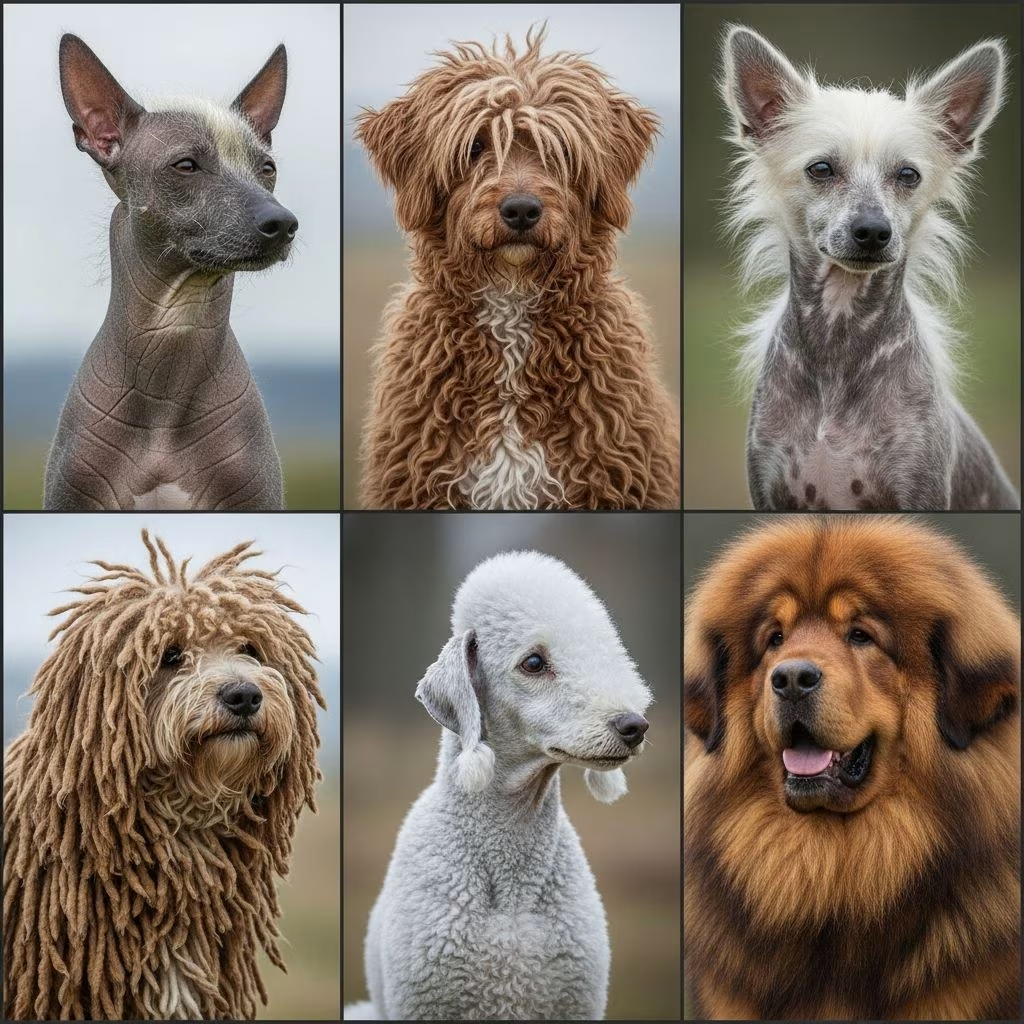
6 Unique-Looking Dog Breeds Worth Knowing
When it comes to canine companions, some dog breeds stand out from the crowd with their truly distinctive and eye-catching appearances. Whether they feature unusual coat types, striking facial characteristics, or other remarkable physical attributes, these breeds capture attention wherever they go. Understanding these unique-looking dogs can help potential pet parents decide if one of these extraordinary breeds is the right fit for their lifestyle.
Below, we explore six dog breeds that showcase some of the most unusual and captivating appearances in the canine world, each with their own fascinating history and distinctive traits.
1. Komondor: The Mop-Like Guardian
Perhaps one of the most instantly recognizable dog breeds, the Komondor, also known as the Hungarian Sheepdog, boasts a truly unique and striking appearance. This large, muscular dog is instantly identifiable thanks to its dramatic white corded coat, featuring thick, rope-like strands that hang from head to tail. The distinctive coat isn’t merely for show—it serves a functional purpose, having evolved over centuries to protect the breed while guarding livestock in harsh Hungarian climates.
The Komondor’s corded coat is the result of a natural matting process that requires dedicated maintenance. These dogs are intelligent guardians with a calm, protective temperament. They bond deeply with their families and make excellent watchdogs due to their natural guarding instincts. However, prospective owners should be prepared for the significant grooming commitment required to maintain the breed’s iconic coat, which can take several hours per session.
Key Characteristics:
– Large, muscular build- White corded coat- Protective and loyal temperament- Requires extensive grooming- Strong livestock guardian instincts
2. Bergamasco Shepherd: The Dog Without a Face
Hailing from the Italian Alps, the Bergamasco Shepherd is a rare dog breed known for having an incredibly unusual coat made of felt-like mats called “flocks.” Often referred to as “the dog without a face” due to the way its coat obscures its facial features, this herding dog presents a truly unique visual experience. The felted coat is thick, heavy, and nearly completely obscures the face, creating an almost carpet-like appearance.
Despite its eye-catching and labor-intensive looking coat, the Bergamasco Shepherd actually requires minimal grooming compared to many other breeds. The Bergamasco is an intelligent and loyal dog with a strong herding instinct and a calm demeanor, making them an excellent companion for experienced dog owners. These devoted dogs thrive with proper training and regular exercise, and their gentle nature makes them suitable for families who appreciate their distinctive aesthetic and working dog heritage.
Physical Features:
– Medium to large size- Distinctive felted coat- Strong herding instincts- Intelligent and calm temperament- Minimal grooming requirements (surprising!)
3. Norwegian Lundehund: The Puffin Hunter
The Norwegian Lundehund is a rare dog breed from Norway that’s specifically bred for hunting puffins in rugged coastal terrain. This small breed’s most striking features include polydactylism (having more toes than most dogs) and an incredibly flexible neck, with some specimens having six toes on each foot and one less tooth on each side of their mouth. Both of these traits allow Lundehunds to navigate tight spaces with ease in search of prey.
Lundehunds can also wiggle, fold, and close their ears to prevent dirt and water from getting into their ear canals, an adaptation that proved invaluable during their original hunting purpose. Beyond their physical peculiarities, these intelligent and spirited dogs are affectionate companions who bond closely with their families. They require adequate exercise and mental stimulation to thrive, and their unique characteristics make them fascinating conversation starters for any dog lover.
Unique Traits:
– Extra toes (polydactylism)- Flexible, foldable ears- Smaller stature- Ancient puffin-hunting heritage- Distinctive tooth structure
4. Afghan Hound: The Fashion Icon
Step aside, supermodels—there’s a four-legged fashion icon in town, and it’s the Afghan Hound. With tall, elegant frames and long, silky coats that flow like liquid silk, these dogs turn heads wherever they go. The breed’s top knot, feathered ears, and graceful tail curl aren’t just for show—they’re characteristics that have made the Afghan Hound one of the most recognizable and glamorous dog breeds in the world.
Afghan Hounds originated in Afghanistan, where they were used as hunting dogs in mountainous terrain. Their long coat provided protection from harsh climates, while their athleticism and speed made them effective hunters. Today, these elegant dogs are prized for their stunning appearance and dignified bearing. They require significant grooming to maintain their luxurious coats and benefit from regular exercise. Afghan Hounds are independent, sometimes aloof, but deeply loyal to their families. So iconic is this breed that an Afghan Hound was chosen to be the world’s first cloned dog, cementing its place in canine history.
Distinctive Features:
– Long, silky flowing coat- Elegant, refined appearance- Top knot and feathered ears- Independent temperament- High grooming requirements- Athletic and graceful movement
5. Shar Pei: The Wrinkled Wonder
If you think wrinkles are only for wise humans, think again—meet the Shar Pei, the dog whose folds and creases give it a distinctive, unforgettable face. These medium-sized pups are instantly recognizable, and their unique appearance alone earns them major distinction among dog breeds. The breed’s trademark wrinkles and folds cover their face and body, creating a contemplative and thoughtful expression that seems perpetually wise.
The Shar Pei’s unusual appearance evolved in China, where the breed was developed for hunting and guarding. Their loose, wrinkled skin provided protection during fights, and their distinctive appearance made them easily identifiable. Today, Shar Peis are calm and thoughtful companions that savor quiet moments with their humans rather than bouncing off the walls. These dogs are calm, incredibly loyal, protective, and uniquely stylish—a breed that proves wrinkles really do make a dog distinguished. Prospective owners should be aware that the breed’s skin folds require regular cleaning to prevent infections, and they benefit from moderate exercise and a consistent training approach.
Notable Characteristics:
– Distinctive facial wrinkles and folds- Medium size- Calm and loyal temperament- Requires regular skin care- Protective nature- Chinese heritage
6. Azawakh: The Desert Aristocrat
If elegance had a canine form, it would be the Azawakh. Imagine a medium-sized dog so slim and refined that you can see its muscles and bones subtly etched under its short, sleek coat—like a living sculpture. The Azawakh’s almond-shaped eyes give off a mysterious, slightly regal vibe, embodying an aristocratic bearing that matches its refined physique. These dogs look like they are traveling gracefully on stilts, with lean bodies that suggest both grace and capability.
The Azawakh has a heritage of hunting the Sahara desert with nomads, and their long legs kept them high above the scorching hot sands. Unlike your average Greyhound or Whippet, the Azawakh’s muscles are “dry,” meaning they’re flatter and leaner, more about speed and endurance than bulky curves. These are some of the fastest dogs on the planet—in fact, they used to hunt gazelle. Azawakhs are intelligent, independent, and affectionate dogs that require adequate exercise and mental stimulation. Their unique appearance combined with their athletic prowess makes them truly distinctive companions for active families.
Special Attributes:
– Extremely lean and elegant build- Visible musculature- Almond-shaped eyes- Exceptional speed and endurance- Independent nature- Desert heritage
Comparison Table: Unique Dog Breeds at a Glance
| Breed | Size | Coat Type | Grooming Needs | Energy Level |
|---|---|---|---|---|
| Komondor | Large | White corded | High | Moderate |
| Bergamasco Shepherd | Medium-Large | Felted mats | Low-Moderate | Moderate |
| Norwegian Lundehund | Small | Double coat | Moderate | High |
| Afghan Hound | Large | Long, silky | Very High | High |
| Shar Pei | Medium | Short, wrinkled | High (skin care) | Moderate |
| Azawakh | Medium | Short, sleek | Low | Very High |
Care Considerations for Unique-Looking Breeds
Owning one of these distinctive dog breeds comes with specific care requirements tailored to their unique characteristics. Understanding these needs is crucial before bringing any of these special dogs into your home.
Grooming and Coat Care: Breeds like the Komondor and Afghan Hound require substantial grooming commitments. The Komondor’s corded coat needs regular maintenance to prevent matting and maintain hygiene, while the Afghan Hound’s long, silky coat requires frequent brushing and professional grooming. The Bergamasco Shepherd’s felted coat, surprisingly, requires minimal intervention once properly established. The Shar Pei’s skin folds demand regular cleaning to prevent infections and discomfort.
Exercise and Mental Stimulation: Many of these breeds possess strong working dog heritage. The Azawakh and Norwegian Lundehund require significant daily exercise to remain physically and mentally healthy. These dogs thrive with activities that engage their hunting or herding instincts, whether through organized dog sports, long runs, or interactive play sessions.
Health Considerations: Unique physical characteristics can sometimes predispose breeds to specific health issues. Shar Peis may experience skin infections due to their wrinkles, while some rare breeds may have limited gene pools requiring health screening. Prospective owners should research breed-specific health concerns and work with reputable breeders who conduct appropriate health testing.
Frequently Asked Questions (FAQs)
Q: Are unique-looking dog breeds more expensive than standard breeds?
A: Many unique-looking and rare dog breeds do command higher prices due to limited availability, specialized breeding requirements, and health testing. However, costs vary significantly based on location, breeder reputation, and individual circumstances. It’s important to work with reputable breeders and consider adoption options from breed-specific rescues.
Q: Do unique-looking dog breeds have more health problems?
A: Not necessarily. While some unique physical characteristics can predispose breeds to specific issues (like skin problems in Shar Peis), responsible breeding practices and proper care can mitigate many potential health concerns. Researching breed-specific health issues and selecting healthy lines is essential.
Q: Are these unique breeds suitable for first-time dog owners?
A: Some unique-looking breeds are better suited for experienced dog owners. Breeds like the Bergamasco Shepherd and Norwegian Lundehund require specific knowledge and commitment. However, with proper research, training, and dedication, first-time owners can successfully raise these breeds with appropriate guidance.
Q: How much grooming do unique-looking dog breeds require?
A: Grooming requirements vary significantly. The Afghan Hound requires daily brushing and regular professional grooming, while the Azawakh needs minimal coat maintenance. The Komondor requires several hours of grooming per session to maintain its corded coat. Understanding specific grooming needs is crucial before selecting a breed.
Q: Are unique-looking dog breeds good family pets?
A: Many unique-looking breeds can be wonderful family companions when properly socialized and trained. However, their specific temperaments, energy levels, and care requirements vary. Research individual breeds thoroughly and ensure your family lifestyle matches the breed’s needs and characteristics.
Q: Where can I find these unique dog breeds?
A: Reputable breeders registered with kennel clubs like the American Kennel Club (AKC) are excellent starting points. Additionally, breed-specific rescue organizations focus on finding homes for these distinctive dogs. Always verify breeder credentials and health testing before making a commitment.
Conclusion
The six unique-looking dog breeds featured here represent the incredible diversity within the canine world. From the Komondor’s dramatic corded coat to the Azawakh’s elegant desert grace, each breed offers distinctive visual appeal combined with fascinating histories and remarkable characteristics. These dogs aren’t just visually striking—they’re intelligent, loyal companions with specialized needs and unique personalities.
Before selecting any of these extraordinary breeds, prospective owners should thoroughly research their specific requirements, including grooming, exercise, health considerations, and temperament. Working with reputable breeders, conducting health screening, and ensuring your lifestyle aligns with the breed’s needs are essential steps toward a successful, fulfilling relationship with these truly unique canine companions.
References
- 20 Rare Dog Breeds — PetMD. 2024. https://www.petmd.com/dog/general-health/rare-dog-breeds
- 9 Coolest Dog Breeds Boasting Unusual Characteristics — World Animal Foundation. 2024. https://worldanimalfoundation.org/dogs/coolest-dog-breeds-boasting-unusual-characteristics/
- Strange or Quirky Canine Breeds — Gulf Coast K9 Dog Training. https://www.gcdogtraining.com/quirky-canine-breeds/
- 20 Rare Dog Breeds That Make Truly Extraordinary Companions — The Pioneer Woman. 2024. https://www.thepioneerwoman.com/home-lifestyle/pets/g69077228/best-rare-dog-breeds/
- Dog Breeds – Types Of Dogs — American Kennel Club (AKC). https://www.akc.org/dog-breeds/



