

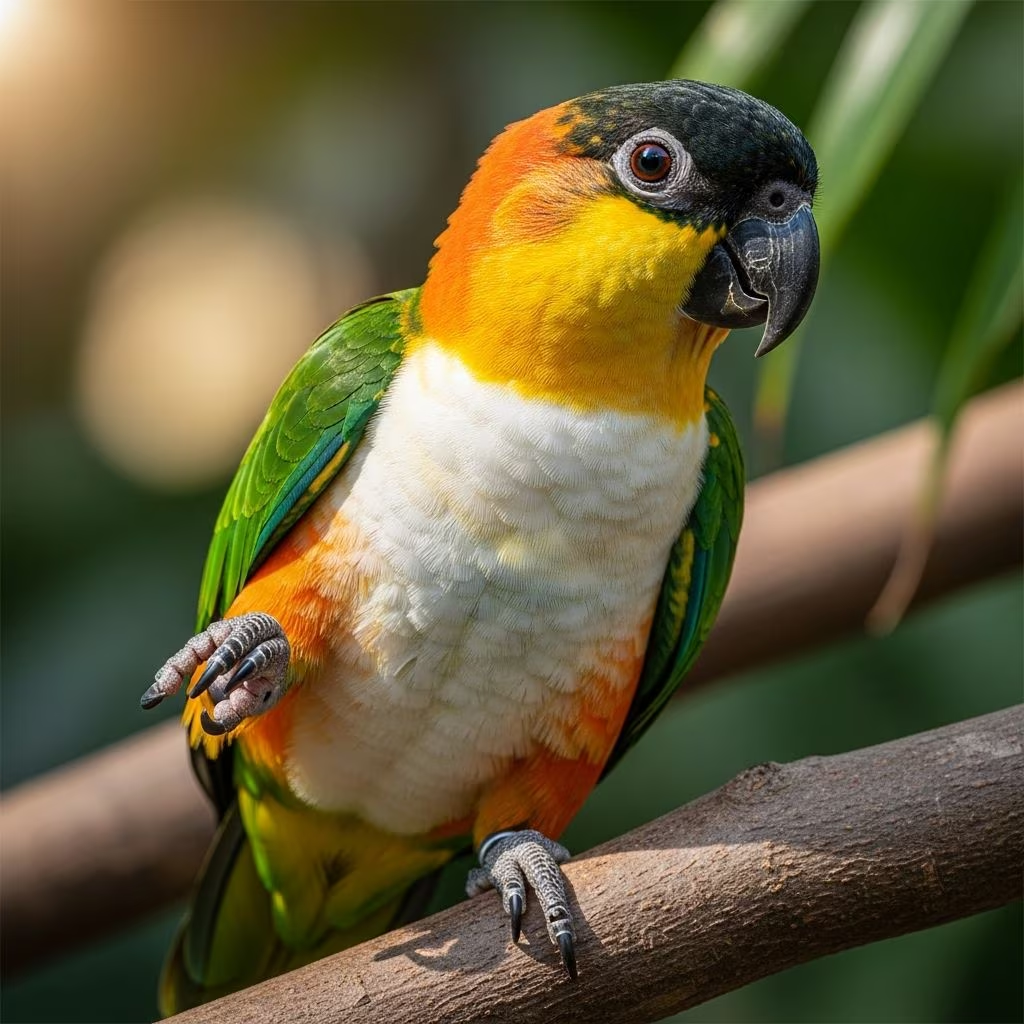
The Unique Caique: Understanding These Extraordinary Parrots
Caiques (pronounced “kai-eeks”) have rapidly gained popularity among bird enthusiasts and pet owners worldwide, and for good reason. These small, vibrant parrots are renowned for their clownish personalities, boundless energy, and captivating antics that set them apart from other parrot species. With their striking plumage and entertaining behaviors, caiques have earned a well-deserved reputation as the comedians of the parrot world. Whether you’re considering bringing one into your home or simply curious about these fascinating birds, understanding their unique characteristics is essential for anyone interested in avian companionship.
Physical Characteristics and Species Overview
Two main species of caiques are commonly kept as pets: the black-headed caique (Pionites melanocephala) and the white-bellied caique (Pionites leucogaster). These medium-sized parrots typically display vibrant coloring with green and yellow plumage that makes them instantly recognizable. Their striking appearance is only matched by their dynamic personalities and the entertainment value they bring to their households.
Caiques are notably smaller than many other parrot species, which makes them suitable for various living situations, though they still require substantial space and attention. Their lifespan can extend up to 30 years, making them a long-term commitment for any potential owner. This longevity means that bringing a caique into your life is a decision that will impact your household for decades.
The Legendary Caique Personality
What truly distinguishes caiques from other parrot species is their exceptional personality. These birds are living embodiments of joy and mischief, constantly seeking entertainment and adventure. Their clownish behavior makes them endlessly amusing to their owners, and their presence in a home is rarely dull.
Energetic and Playful Nature
Caiques are incredibly active birds that love to climb, bounce, and explore their surroundings with unbridled enthusiasm. An excited caique might hop around the house with the energy of a wind-up toy that never seems to wind down. They spend much of their day exploring, playing, and chewing, constantly seeking new sources of stimulation and entertainment. What makes their playfulness particularly unique is their preference for walking over flying—caiques will strut and hop around the floor, inspecting everything with intense curiosity.
One of the most endearing and entertaining behaviors is how caiques play with toys. They often roll over onto their backs, holding their toy in the air using their feet in a display that’s both amusing and acrobatic. They love taking baths and will generally happily jump into a bowl of water or under a tap or shower, adding another dimension to their playful repertoire. Many caique owners report that their birds seem almost dog-like, with some even fetching and happily playing tug-of-war with their human companions.
Social and Affectionate Bonding
While caiques aren’t known for their talking abilities, they bond strongly with their human companions and thrive on interaction. They love to be the center of attention and will often demand your focus with their antics. These birds are highly social creatures that crave companionship and are best suited for owners who can dedicate a significant amount of time to them. Without adequate interaction, caiques can develop behavioral issues like biting, screaming, or feather plucking.
Many caique owners describe their birds as supremely loyal and endlessly entertaining. Once bonded with their owners, they become devoted companions that participate actively in daily life. They can easily be taught all sorts of tricks and many will even like to come for a cuddle when they’re tired from playing, though their energy reserves often seem inexhaustible.
Bold and Fearless Temperament
Despite their small size, caiques have big personalities and display remarkable confidence. These bold and fearless birds may even try to assert dominance over larger pets or other birds, a trait that requires careful management in multi-pet households. They know no danger, which has caused many premature deaths among these parrots throughout their history as pets. Their fearlessness means they will investigate anything that catches their attention, regardless of potential hazards.
Understanding Caique Behavior Patterns
To successfully live with a caique, it’s important to understand the specific behavioral patterns these birds display. Their behaviors, while entertaining, require informed management and appropriate responses from their owners.
Territorial Tendencies
Caiques will attempt to establish their territory in the home and can become overly excited while playing. This territorial nature means they require clear boundaries and consistent training to understand what behaviors are and aren’t acceptable within your household. They need to learn what areas are theirs and what areas are off-limits, and this training should begin early.
Aggression and Overload States
One of the more challenging aspects of caique ownership is their tendency toward aggression, particularly toward other birds. Caiques are known for bird-on-bird aggression, and care should be taken that the caique does not injure another pet bird. They tend to be territorial and may not get along well with other birds, even other caiques in some situations. If you already have feathered pets, be sure to provide proper introductions and supervise interactions closely.
Additionally, caiques can enter an “overload” state where they become temporarily overstimulated and aggressive. During these episodes, they may attack anything in their vicinity, and it’s as though they cannot help themselves. When you see a caique in this state, you’ll know it immediately—their feathers become poofed out, their eyes seem to whirl, and their entire demeanor changes. The primary way to calm them is to provide a bit of time-out until they return to their normal state.
Hormonal Changes
As caiques mature, particularly during adolescence, they experience significant hormonal changes that can affect their behavior dramatically. During these periods, they can become hostile little monsters, much like human teenagers—angry and snippy most of the time. Fortunately, this phase passes, and they eventually mature into adults with more stable temperaments, though they maintain their inherent playfulness and energy.
Vocalization and Communication
Caiques are vocal communicators, though they differ significantly from louder parrot species. Although they’re not the loudest parrots, caiques can be vocal and are known for their high-pitched calls, which is particularly important to consider if you live in an apartment or have noise-sensitive neighbors. Their voices are very shrill and can quickly become annoying if they decide it’s time to scream. However, they are not known for their talking ability and can’t compete in a noise contest with a cockatoo.
What caiques lack in talking ability, they make up for in other vocalizations. They can learn to whistle and cluck very well, and a talented caique may learn some words, but their mimicking does not rival that of the better talking species like African Grey Parrots or Amazons.
Training and Behavioral Management
Because of their curious, willful, and energetic nature, it’s crucial to train your caique and establish clear boundaries of what is and isn’t acceptable. Proper training begins with teaching basic commands and establishing routines that your caique understands and respects.
Essential Training Techniques
One of the most important training goals is teaching your caique to step up so you can quickly get it back to its cage if needed. This basic command provides a foundation for other training and is essential for safety and management. Caiques can be stubborn and beaky, and very willful, so training requires patience, consistency, and positive reinforcement.
It’s definitely important to establish clear boundaries early in your relationship with your caique. These intelligent birds will test limits and explore everything they can, so creating a safe environment and consistent rules helps prevent behavioral problems from developing.
Housing and Environmental Considerations
Caiques have specific housing requirements that must be met to ensure their well-being and safety. These curious birds love small spaces that resemble the hollow trees they inhabit in the wild, which means they may try to squeeze into unsafe areas.
Cage Requirements
You’ll have to take great care to “bird-proof” any room that your caique has access to. Your white-bellied caique will need a sizeable cage, even if it spends most of the day roaming free, as it needs a secure space to sleep and retreat to when necessary. The cage should be sturdy enough to withstand their active play and destructive chewing.
Safety Considerations
Because of the caique’s curious nature and tendency to play hard, a pet caique can find itself in a dangerous situation. Make sure your caique has plenty of bird-safe toys to play with and that you keep a close eye on your pet whenever it is out of the cage. Caiques are extremely curious and know no danger, which has caused many premature deaths among these parrots, so vigilant supervision is essential.
Diet, Nutrition, and Enrichment
Proper nutrition is fundamental to caique health and well-being. These active birds require high-quality parrot food that provides the necessary nutrients to fuel their boundless energy. A balanced diet should include a variety of fruits, vegetables, nuts, and commercial pellets formulated specifically for parrots.
Toy Requirements and Enrichment
Toys are a staple of the caique’s energy diet. Caiques are always “on the go” and love to play with toys, especially toys that they can demolish. Like many parrots, caiques can be messy eaters and love to shred toys and paper, so be prepared for regular cleanup as part of owning one. You’ll have to experiment with several types of toys to find your caique’s favorites, and maintaining a steady supply of new toys is essential, as they will quickly disassemble and render old ones unusable. Fortunately, there are many types of toys on the market to choose from, but make sure that they are safe before you give them to your caique.
Health Considerations and Veterinary Care
Like all pet birds, caiques require regular veterinary care and monitoring for potential health issues. One concern specific to caiques is their increased susceptibility to polyomavirus, which results in gastroenteritis and can also affect the bird’s heart, liver, and kidney. Regular veterinary check-ups with an avian veterinarian are essential for catching and treating health issues early.
Advantages and Disadvantages of Caique Ownership
Understanding both the benefits and challenges of caique ownership helps prospective owners make informed decisions about whether these birds are right for their lifestyle and household.
Advantages of Caique Ownership
The primary advantages of caique ownership revolve around their exceptional personalities and entertainment value:
- Exceptionally playful and entertaining personalities
- Strong bonding and loyalty with their owners
- Ability to learn tricks and commands
- Moderate noise levels compared to other parrot species
- Affectionate and loving once bonded
- Long lifespan for decades of companionship
Disadvantages and Challenges
The disadvantages to caiques as pets are mostly the same as the advantages, just viewed from a different perspective:
- Extremely curious nature leading to potential safety hazards
- Tendency toward bird-on-bird aggression
- Can be nippy and beaky without proper training
- Shrill, high-pitched vocalizations
- Limited talking ability compared to other species
- Require substantial daily interaction and attention
- Can develop behavioral problems without adequate socialization
- Messy eaters and destructive to toys and household items
- Territorial and may attempt to establish dominance
- Significant cleanup required due to messiness
Frequently Asked Questions About Caiques
Q: How much daily interaction do caiques need?
A: Caiques are highly social birds that thrive on interaction and require significant daily engagement with their owners. Without adequate interaction, they can develop behavioral issues like biting, screaming, or feather plucking. They need to be the center of attention and will actively seek out their owner’s companionship throughout the day.
Q: Can caiques live with other birds?
A: Caiques are generally not suitable for homes with other birds due to their territorial nature and tendency toward aggression. They may not get along well with other birds, even other caiques. If you have existing feathered pets, careful introductions and constant supervision are essential.
Q: How loud are caiques compared to other parrots?
A: Caiques have a moderate noise level and are not the loudest parrots, but their voices are shrill and high-pitched. Their noise will only bother more “sensitive” neighbors, but they should be considered before adoption if you live in an apartment or have noise-sensitive neighbors.
Q: Do caiques talk?
A: Caiques are not known for their talking ability and cannot compete with better-talking parrot species. However, they can learn to whistle and cluck very well, and a talented caique may learn some words, though their talking ability is limited.
Q: What is a caique’s lifespan?
A: Caiques can live up to 30 years in captivity, making them a long-term commitment for any pet owner. This extended lifespan means that adopting a caique is a decision that will affect your household for decades.
Q: What should I feed my caique?
A: Caiques should be fed high-quality parrot food including a variety of fruits, vegetables, nuts, and commercial pellets formulated specifically for parrots. A balanced, nutritious diet is essential to fuel their active lifestyle and maintain optimal health.
Q: How can I prevent behavioral problems in my caique?
A: Early socialization, consistent training, adequate daily interaction, plenty of enrichment through toys, and establishing clear behavioral boundaries are essential for preventing behavioral problems. Teaching basic commands like “step up” and establishing routines helps your caique understand expectations.
References
- About The White-bellied Caique — Northern Parrots. Accessed November 28, 2025. https://www.northernparrots.com/blog/about-the-whitebellied-caique/
- Meet the Caique: Here’s What to Know Before Bringing One Home — My Right Bird. Accessed November 28, 2025. https://myrightbird.com/articles/meet-the-caique-heres-what-to-know-before-bringing-one-home
- The good, the bad, and the ugly about caiques — Avian Avenue Forums. Accessed November 28, 2025. https://forums.avianavenue.com/index.php?threads/the-good-the-bad-and-the-ugly-about-caiques.106476/
- Caique Personality, Food & Care – Pet Birds — Lafeber Co. Accessed November 28, 2025. https://lafeber.com/pet-birds/species/caique/



