

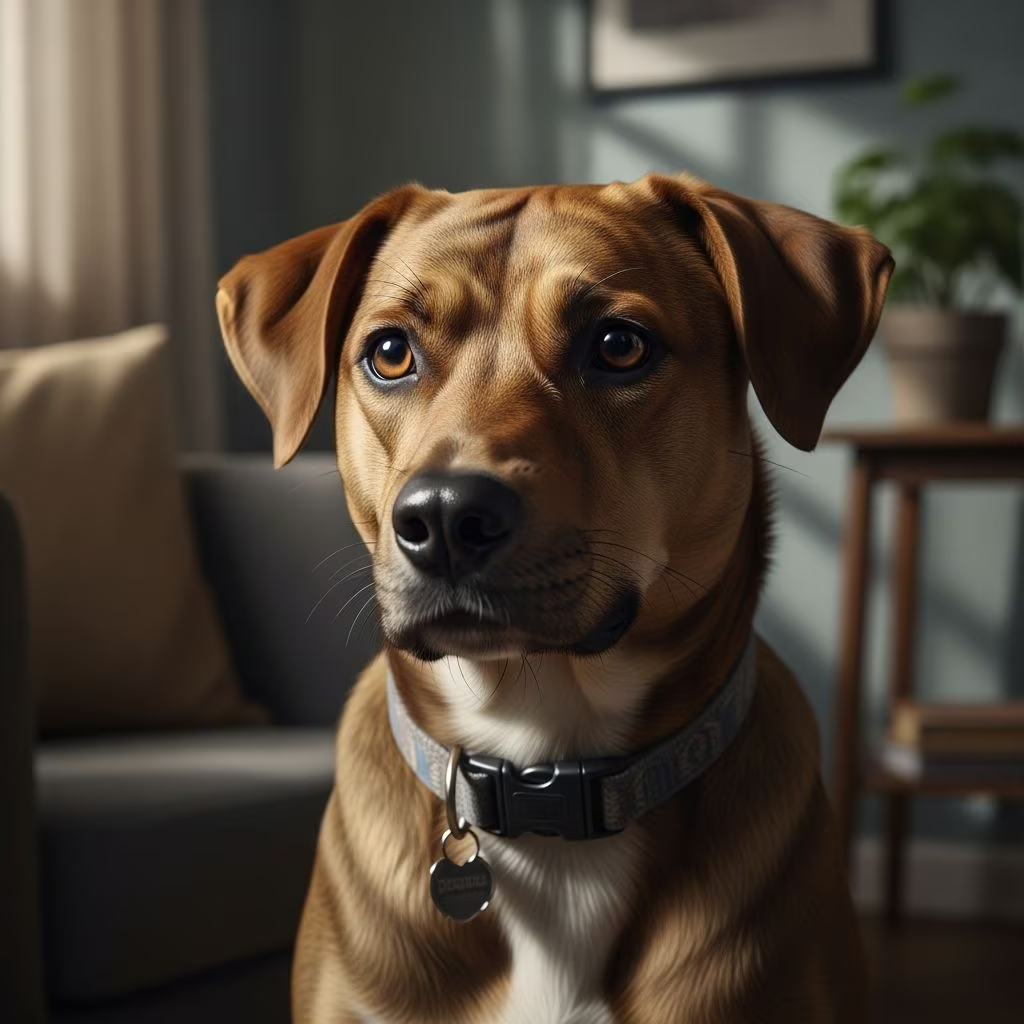
Dogs communicate fear through a variety of subtle and sometimes unexpected signals that attentive owners can learn to recognize. These signs often go unnoticed because they differ from obvious reactions like barking or cowering, yet understanding them is crucial for supporting your dog’s emotional health.
How to Tell If Your Dog Is Fearful
Recognizing fear in dogs requires observing patterns of behaviour rather than isolated actions. Fearful dogs may exhibit physiological changes like increased heart rate, panting, and trembling, alongside specific body postures. Early signs such as ears pulled back or tail tucking are often dismissed, but when combined, they clearly indicate distress.
Classic Signs of Fear in Dogs
- Avoidance behaviour: Dogs may run away, freeze, or refuse to approach new or scary stimuli, such as unfamiliar visitors or objects.
- Fearful body language: Look for crouching, trembling, tail tucking, lowered body position, or freezing in place.
- Vocalizations: Whining, barking, snarling, or whimpering signal anxiety, especially when paired with other cues.
- Destructive behaviour: Chewing furniture or digging may stem from fear-induced stress.
- Excessive grooming or licking: Dogs may lick lips, paws, or themselves obsessively as a calming mechanism.
- Pacing, panting, drooling, or yawning: These displacement behaviours occur when dogs feel overwhelmed.
Subtle indicators include dilated pupils, fidgeting with toys, avoiding eye contact, or scanning the environment vigilantly without direct head turns. A dog might obsess over an object or drool excessively, masking deeper anxiety.
Unexpected or Subtle Signs Your Dog Is Scared
Beyond classic responses, dogs display nuanced signals that surprise many owners. For instance, a fearful dog may lie down and freeze while keeping eyes fixed sideways, avoiding direct confrontation with the threat.
- Dilated pupils and averted gaze: Pupils widen in arousal, and dogs may look away or scan repeatedly to monitor dangers indirectly.
- Defensive aggression: Lunging, growling, or snapping while still showing fear signs like trembling indicates a cornered animal.
- Obsessive behaviours: Fidgeting, excessive licking, or drooling reveal internal stress not tied to obvious triggers.
- Sudden reactivity: A previously calm dog barking at familiar companions might signal new-onset fear from pain or health issues.
These unexpected signs highlight that fear manifests differently based on the dog’s personality and context, emphasizing the need for holistic observation.
Why Do Dogs Become Fearful?
Fear in dogs arises from a mix of innate and environmental factors. The sympathetic nervous system triggers fight-or-flight responses, causing shaking, rapid breathing, and heightened vigilance. Common fears include loud noises, strangers, separation, or novel objects.
Genetics and Breeding
Genetic predisposition plays a significant role; studies on Pointers in the 1960s showed fear of people could be selectively bred. Fearful dogs often have relatives with similar traits, suggesting heritability.
Traumatic Events or Poor Socialization
Negative experiences, like trauma around people or dogs, can imprint lasting fears. Inadequate early socialization—failing to expose puppies to diverse stimuli—exacerbates this, making new encounters terrifying.
Medical Conditions and Pain
Sudden fearfulness in adult dogs warrants a vet check; pain, hearing loss, or vision impairment heightens wariness. For example, an eight-year-old Miniature Schnauzer developed reactivity due to undetected pain.
Changes in Routine or Environment
Dogs thrive on predictability; major disruptions like moves or schedule shifts trigger anxiety.
Myths About Fearful Dogs
Not all scared dogs were abused. Fear of men, often attributed to trauma, stems from men’s larger size, deeper voices, and gait patterns perceived as approaching threats. Studies using point-light displays confirm masculine movements appear more direct and intimidating. Fearful dogs react strongly to hats, beards, tools, or direct approaches regardless of history.
Consequences of Ignoring Fear in Dogs
Unaddressed fear escalates into chronic anxiety, aggression, or behavioural issues compromising quality of life. A dog unable to escape may growl or bite defensively. Physiological stress leads to health problems, and ignored subtle signs worsen over time.
How to Help a Fearful Dog
Helping requires patience, avoiding force, and using positive techniques. Never push a scared dog toward fears, as it reinforces terror.
Key Strategies
- Counterconditioning: Pair scary stimuli with high-value rewards like treats or toys, creating positive associations. For stranger fear, give treats every time someone appears at a distance.
- Desensitization: Gradually expose the dog to fears at sub-threshold levels, building tolerance slowly.
- Provide Safety: Allow choice in approaching or avoiding; create safe spaces like crates.
- Exercise and Routine: Maintain predictability with daily walks and mental stimulation to reduce baseline anxiety.
- Professional Help: Consult certified behaviourists (CAAB) or vets for severe cases.
Management prevents bites by avoiding triggers, while behaviour modification addresses roots. Resources like The Cautious Canine by Patricia McConnell offer deeper guidance.
Why Men Scare Dogs More
| Factor | Why It Intimidates Fearful Dogs |
|---|---|
| Larger size & build | Broader shoulders appear more threatening |
| Deeper voice | Sounds more imposing |
| Facial hair/beards | Alters familiar human features |
| Gait/movement | Masculine walks seem approaching |
| Accessories | Hats, sunglasses, tools add novelty |
This table summarizes common triggers, helping owners anticipate reactions.
Frequently Asked Questions (FAQs)
Why is my dog suddenly scared of things it wasn’t before?
Sudden fear often indicates pain, illness, or sensory loss; consult a vet to rule out medical causes.
Is my dog’s fear of men proof of abuse?
No, fearful dogs naturally find men more intimidating due to size, voice, and movement; poor socialization contributes more than assumed trauma.
How can I stop my dog from being destructive when scared?
Address fear roots with counterconditioning and provide safe outlets; crating during triggers prevents damage.
Can genetics make a dog fearful?
Yes, breeding experiments confirm heritable fear traits, though environment amplifies them.
What if my dog growls or snaps when scared?
Prevent confrontations; use management and professional training to reduce defensive aggression.
By spotting these unexpected signs and causes, owners can intervene early, fostering a confident, happy dog.
References
- Neophobia in Dogs: Causes, Signs and How to Help a Fearful Dog — Kinship. 2023. https://www.kinship.com/uk/dog-behaviour/neophobia-causes-signs-help
- How to Help an Anxious Dog Conquer Their Fears — Kinship. 2023. https://www.kinship.com/dog-behavior/helping-fearful-dogs
- Recognizing Abnormal Canine Stress and Dog Anxiety — PetHub. 2023. https://www.pethub.com/articles/242692/recognizing-abnormal-canine-stress-and-dog-anxiety
- Naturally Fearful Dogs: Not All Scared Dogs Have Been Mistreated — Kinship. 2023. https://www.kinship.com/dog-behavior/naturally-fearful-dogs



