

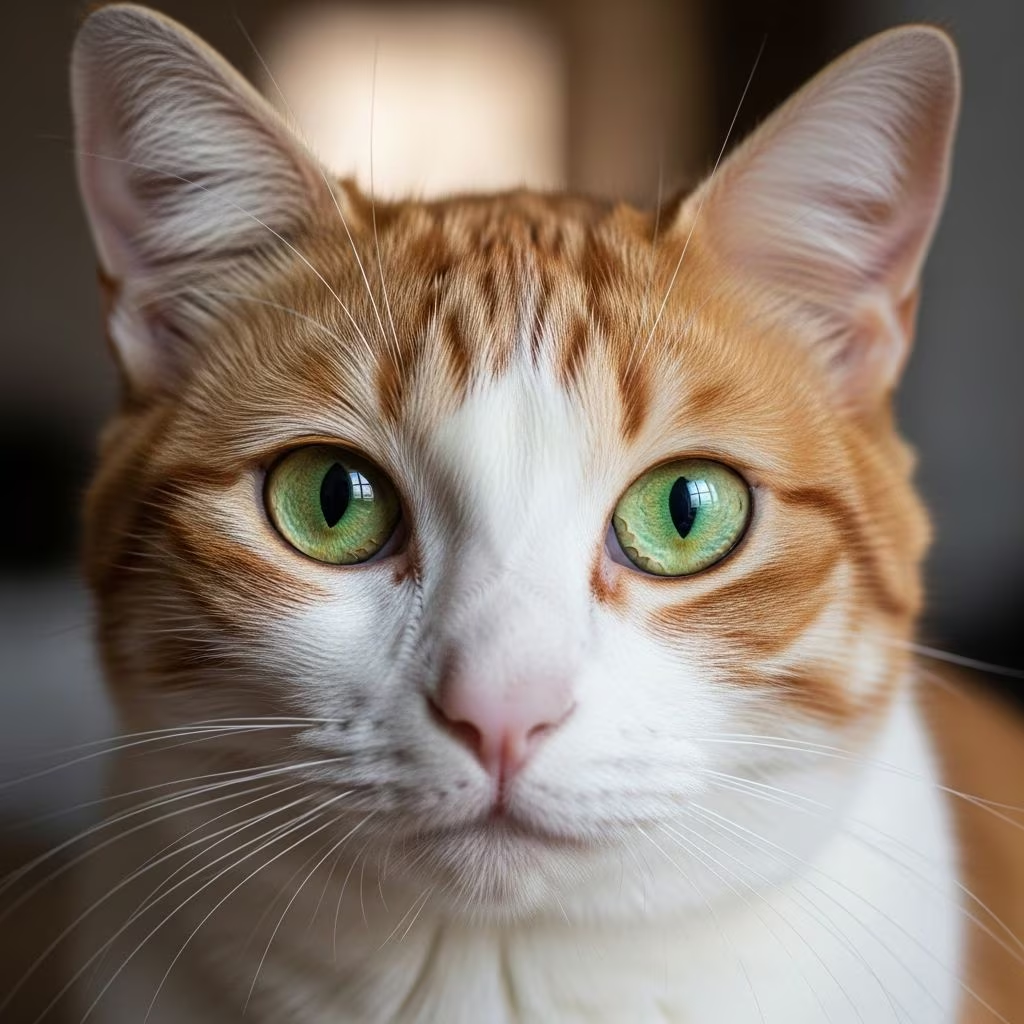
Uneven pupils, or anisocoria, occur when one of a cat’s pupils is larger or smaller than the other, often indicating an underlying health problem that requires prompt attention. This condition can arise suddenly or develop gradually, affecting cats of all ages and breeds, and demands immediate veterinary evaluation to prevent vision loss or systemic complications.
Understanding Pupil Inequality in Felines
In healthy cats, pupils adjust equally in response to light, emotions, or focus, maintaining symmetry for optimal vision. When asymmetry appears, it disrupts this balance, potentially stemming from ocular, neurological, or systemic issues. Recognizing this early can make a significant difference in outcomes.
Primary Triggers Behind Pupil Asymmetry
Several factors contribute to anisocoria, ranging from localized eye problems to broader health challenges. Identifying the root cause is essential for effective management.
- Eye Inflammation (Uveitis): Swelling in the eye’s middle layer causes pupil constriction due to pain and spasms.
- High Eye Pressure (Glaucoma): Fluid buildup dilates the affected pupil, risking permanent damage if untreated.
- Nerve Pathway Disruptions (Horner’s Syndrome): Affects sympathetic nerves, leading to a smaller pupil, drooping eyelid, and sunken eye.
- Infectious Agents: Viruses like feline leukemia (FeLV), immunodeficiency virus (FIV), or toxoplasmosis inflame eye tissues.
- Physical Injuries: Trauma to the eye or head alters pupil response through direct damage or swelling.
- Abnormal Growths: Tumors near the eye or brain interfere with nerve signals controlling pupil size.
- Birth-Related Issues: Congenital iris defects present from kittenhood cause persistent inequality.
- Drug Effects: Certain medications, toxins, or overdoses like ivermectin temporarily imbalance pupils.
Observable Signs Accompanying Uneven Pupils
Beyond visible pupil differences, cats may show additional indicators of distress. Monitoring these helps gauge severity.
| Symptom | Description | Potential Implication |
|---|---|---|
| Eye Discharge | Clear, watery, or thick mucus from one or both eyes | Infection or irritation |
| Squinting/Pawing | Frequent blinking or rubbing at the eye | Pain from inflammation or injury |
| Red or Cloudy Eye | Visible blood vessels or haze on the cornea | Uveitis, glaucoma, or ulcer |
| Head Tilting | Leaning to one side persistently | Neurological involvement |
| Behavioral Shifts | Lethargy, appetite loss, or hiding | Systemic illness or discomfort |
These symptoms often appear alongside anisocoria, urging cat owners to seek professional help without delay.
Step-by-Step Veterinary Diagnosis
Veterinarians employ a multi-faceted approach to pinpoint the cause of pupil asymmetry, starting with a hands-on check and advancing to specialized tests.
- Initial Assessment: Checks overall condition, eye appearance, and neurological reflexes like menace response.
- Detailed Eye Exam: Uses magnification tools to inspect iris, cornea, and retina for abnormalities.
- Pressure Measurement: Tonometry gauges intraocular pressure to rule out glaucoma.
- Lab Work: Blood and urine analysis detect infections, FeLV, or FIV.
- Advanced Imaging: MRI or CT scans reveal brain tumors or nerve damage.
This systematic process ensures accurate identification, guiding tailored interventions.
Tailored Treatment Strategies
Addressing anisocoria focuses on resolving the underlying issue, with options varying by diagnosis. Prognosis improves with swift action.
- Anti-Inflammatory Drugs: Drops or oral meds like prednisolone reduce uveitis swelling.
- Pressure-Lowering Agents: Dorzolamide or timolol manage glaucoma.
- Antimicrobials: Antibiotics (doxycycline), antivirals, or antiparasitics combat infections.
- Pain Relief: Onsior or similar for comfort during recovery.
- Surgical Interventions: Removes tumors, repairs trauma, or addresses structural defects.
- Supportive Measures: Fluids, rest, and nutrition aid healing in severe cases.
Treatment duration ranges from days for minor issues to ongoing for chronic conditions, with some cases resolving fully.
Preventive Measures for Cat Eye Health
While not all causes are preventable, proactive steps reduce risks.
- Regular vet check-ups for early detection.
- Vaccinations against FeLV and FIV.
- Safe environments to avoid trauma.
- Caution with medications and toxins.
- Balanced diet supporting immune function.
These habits promote long-term ocular wellness.
When to Contact a Vet Urgently
Sudden onset of uneven pupils, especially with pain signs, warrants emergency care to avert irreversible harm. Delaying can lead to blindness or spread of infection.
Frequently Asked Questions
Is anisocoria always serious in cats?
It often signals urgent issues like trauma or infection, so treat as an emergency until evaluated.
Can medications cause temporary pupil changes?
Yes, drugs like atropine may induce short-term asymmetry, resolving post-treatment.
How does Horner’s syndrome present?
Small pupil, third eyelid protrusion, and eyelid droop on the affected side.
Will my cat regain normal vision?
Outcomes depend on cause and timeliness; many recover fully with prompt care.
Can kittens have congenital anisocoria?
Yes, iris defects from birth may cause lifelong mild inequality without other symptoms.
References
- Anisocoria in Cats: Vet-Approved Guide to Causes, Diagnosis… — AskAVet. 2025. https://askavet.com/blogs/news/anisocoria-in-cats-vet-approved-guide-to-causes-diagnosis-treatment-in-2025-%F0%9F%90%B1%F0%9F%91%81%EF%B8%8F
- Unequal Pupils (anisocoria) in Cats – Causes, Treatment… — Vetster. Accessed 2026. https://vetster.com/en/symptoms/cat/unequal-pupils
- Anisocoria in Cats: Causes, Symptoms, & Treatment — Animal Emergency Urgent Care. Accessed 2026. https://www.animalemergencyurgentcare.com/anisocoria-in-cats/
- Anisocoria in Cats: A Closer Look — PetCareRx. Accessed 2026. https://www.petcarerx.com/article/anisocoria-in-cats-a-closer-look/6829
- Anisocoria in Cats: Why Your Cat’s Eyes Are Different Pupil Sizes — PetMD. Accessed 2026. https://www.petmd.com/cat/conditions/eyes/c_ct_anisocoria
- Anisocoria in Cats: When Cat Pupils Are Different Sizes — Chewy. Accessed 2026. https://www.chewy.com/education/cat/health-and-wellness/anisocoria-in-cats-pupils-different-sizes
- Anisocoria in Cats | VCA Animal Hospitals — VCA. Accessed 2026. https://vcahospitals.com/know-your-pet/anisocoria-in-cats



