

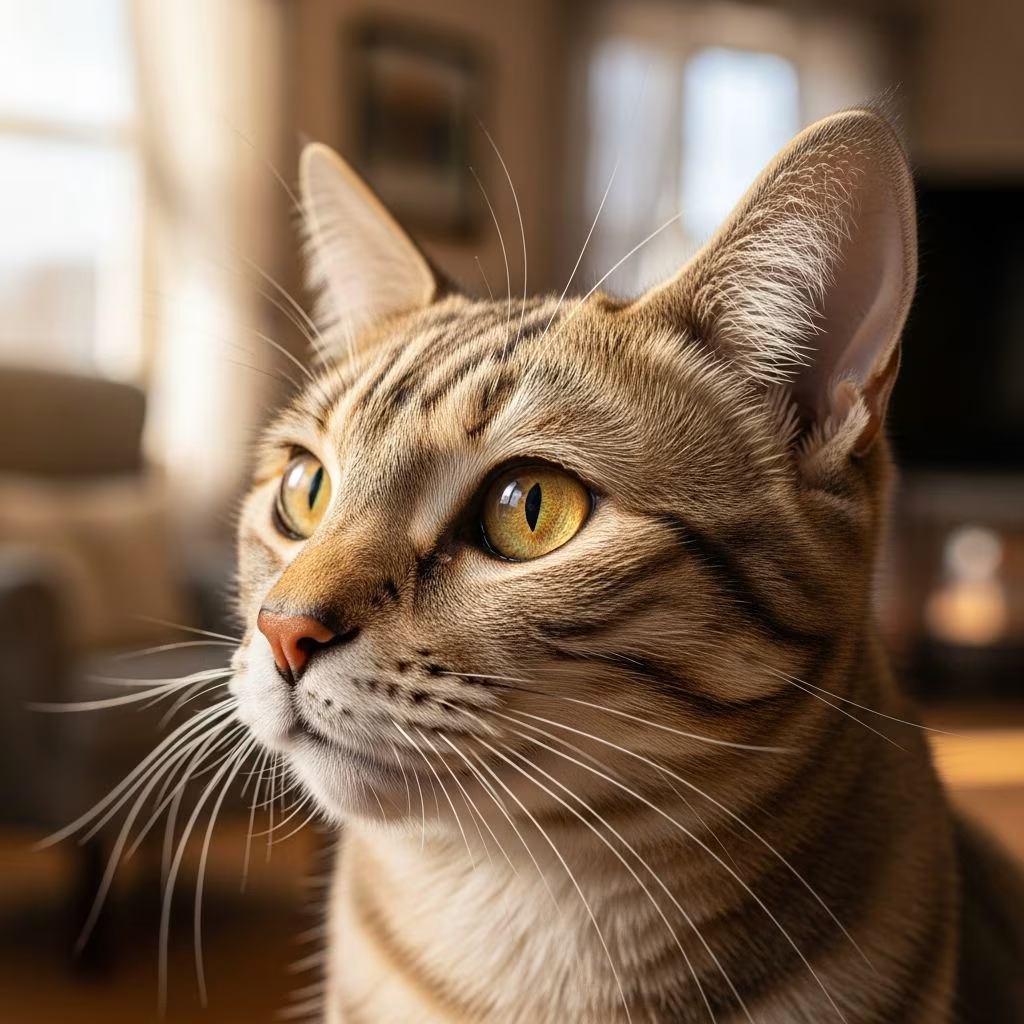
Many cat owners notice their pets becoming unusually attached, shadowing them from room to room or vocalizing persistently for interaction. This “velcro cat” phenomenon, while endearing, can signal deeper needs or issues requiring attention to ensure the animal’s well-being.
Recognizing Signs of Excessive Attachment
Clingy behavior manifests in predictable patterns that deviate from typical feline independence. Cats generally enjoy solitude, but needy ones disrupt daily routines to stay close.
- Shadowing every move: Your cat trails you relentlessly, insisting on being in the same space regardless of activity.
- Meal dependency: Refusal to eat or drink without your presence, resuming only when you’re nearby.
- Sleep synchronization: Inability to rest without physical contact, often kneading or vocalizing until allowed on the bed.
- Persistent vocalization: Constant meowing whether you’re home or away, escalating when attention wanes.
- Room access demands: Scratching or yowling at closed doors to join you in bathrooms, kitchens, or offices.
- Distraction tactics: Positioning on keyboards, books, or laps to interrupt focused tasks.
- Departure distress: Intense reactions to goodbye cues like jingling keys, including blocking paths or leg rubbing.
These actions often intensify at night or during mealtimes, when owners are most available. A table below summarizes common vs. clingy traits:
| Normal Cat Behavior | Clingy Cat Behavior |
|---|---|
| Occasional lap visits | Constant lap occupation |
| Eats independently | Won’t eat alone |
| Sleeps in preferred spots | Demands bed proximity |
| Meows for specific needs | Meows incessantly |
Root Causes Behind the Neediness
Understanding triggers helps address the behavior effectively. Clinginess rarely stems from a single factor but often combines environmental, health, and emotional elements.
Environmental and Lifestyle Factors
Indoor-only cats prone to boredom seek owners as primary entertainment sources. Lack of toys, perches, or views leads to pawing at devices or books for engagement. Routine disruptions, like new schedules or household changes, heighten insecurity, prompting velcro-like attachment. Single-cat homes amplify this, as felines crave companionship without littermate alternatives.
Emotional and Developmental Influences
Early separation from mothers or littermates fosters lifelong dependency. Rescue cats or those mourning lost companions exhibit amplified clinginess, viewing owners as sole security. Learned patterns emerge when attention reinforces meowing or following; inadvertent rewards perpetuate the cycle.
Health-Related Triggers
Underlying conditions mimic emotional neediness. Minor ailments alter behavior, with cats seeking comfort akin to human illness responses. Aging felines face cognitive decline, becoming disoriented and reliant on familiar presences. Hormonal cycles in unspayed females increase affection directed at owners. Post-trauma, such as vet visits or loud events, temporary clinginess provides reassurance.
Strategies to Foster Healthy Independence
Balancing affection with autonomy prevents escalation. Gradual interventions build confidence without rejection.
- Enrich the environment with interactive toys, scratching posts, and elevated vantage points to combat boredom.
- Schedule dedicated play sessions using wand toys or lasers to expend energy and mimic hunting.
- Ignore attention-seeking vocalizations; reward silence with treats or pets to extinguish meowing.
- Practice short absences, gradually extending time away while providing safe retreats like cozy beds.
- Use pheromone diffusers to reduce anxiety in multi-cat or stressful homes.
For mealtime clinginess, place food in secluded spots, luring with treats to encourage solo eating. Nighttime demands lessen with bedtime routines including play and feeding before lights out.
When to Consult a Veterinarian
Sudden onset warrants professional evaluation. Rule out hyperthyroidism, pain, or sensory loss mimicking neediness. Behavioral vets assess separation anxiety, prescribing calming aids if needed. Monitor for appetite loss, litter avoidance, or lethargy alongside clinginess.
Building a Stronger Bond Through Enrichment
Clingy cats thrive on quality interaction over quantity. Puzzle feeders dispense meals via problem-solving, boosting mental stimulation. Vertical spaces like cat trees offer territory claims, reducing owner dependency. Companion animals suit some, but introductions require caution to avoid rivalry.
Training basics—sit, come, leave it—using clickers reinforce positive responses. Consistent boundaries teach appropriate attention times, curbing disruptions.
FAQs About Clingy Cats
Is it normal for cats to be this affectionate?
Yes, some breeds and individuals naturally bond closely, expressing love physically. Excess disrupts routines, signaling adjustment needs.
Why does my cat follow me to the bathroom?
This stems from pack mentality; cats dislike exclusion, especially if insecure. Provide alternatives like nearby perches.
How can I stop nighttime meowing?
Ensure daytime play fatigues them. Ignore calls, offering attention only during quiet periods.
Does spaying reduce clinginess?
For females in heat, yes. Overall, it stabilizes hormones, potentially easing demands.
Can another pet help?
Possibly, if compatible. Monitor dynamics to prevent added stress.
Long-Term Management for Lasting Harmony
Sustained progress demands patience. Track behaviors in journals, noting triggers and responses. Multi-faceted approaches—enrichment, training, health checks—yield balanced companions. Celebrate small wins, like independent naps, reinforcing mutual respect.
Clingy cats reflect deep trust; channeling it constructively enhances lives for both pet and owner.
References
- 10 Signs of a Clingy Cat or Velcro Kitty — Trusted Housesitters. 2023. https://www.trustedhousesitters.com/blog/pets/10-signs-of-a-clingy-cat/
- I Have a Clingy Cat. What Now? — Zoetis Petcare. 2023. https://www.zoetispetcare.com/blog/article/clingy-cat
- Dealing With Needy Behaviors In Your Adult Cat — Chewy. 2023. https://www.chewy.com/education/cat/training-and-behavior/dealing-with-needy-behaviors-in-your-adult-cat
- Why Is My Cat So Clingy? 7 Common Reasons — Maven Pet. 2024. https://maven.pet/all-about-pets/pet-health/cat-behaviors/why-is-my-cat-so-clingy/
- Why Is My Cat So Cuddly and Affectionate? — PetMD. 2024. https://www.petmd.com/cat/behavior/why-is-my-cat-so-cuddly
- 10 Signs You Might Have a Clingy Cat — Cats.com. 2023. https://cats.com/clingy-cat-10-signs



