

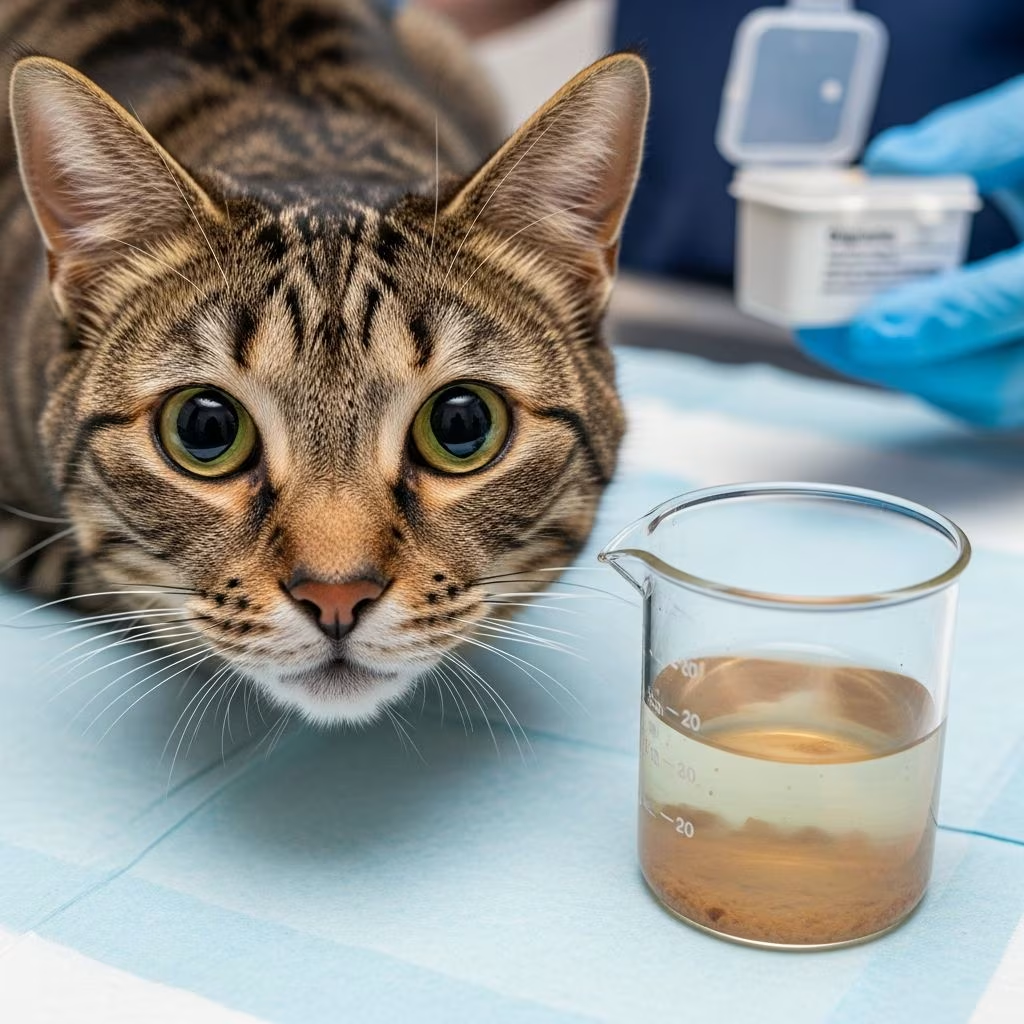
Watery or loose stools in cats represent one of the most common health concerns pet owners encounter. This condition, medically referred to as diarrhea, occurs when feces move too rapidly through the intestinal tract, preventing the body from absorbing adequate water, nutrients, and electrolytes. Rather than being a disease itself, watery stool serves as a symptom indicating an underlying health issue that requires investigation and appropriate treatment.
The Physiology Behind Loose Stools
Understanding how diarrhea develops in cats begins with recognizing the digestive system’s normal function. When food travels through a cat’s gastrointestinal tract at the proper pace, the colon absorbs water and electrolytes, resulting in firm, well-formed stools. When this process malfunctions—whether due to intestinal inflammation, accelerated transit time, or reduced absorption capacity—the result is watery elimination.
This condition appears more frequently in certain populations. Kittens and young cats face increased vulnerability due to their developing immune systems, while senior cats may experience digestive changes related to age-related organ function decline. Indoor cats living in stable environments may react more dramatically to disruptions compared to outdoor cats exposed to varied conditions.
Nutritional and Dietary Factors
One of the most frequent culprits behind watery stools involves changes to a cat’s feeding routine. When owners switch to new food brands, alter protein sources, or introduce unfamiliar treats, the digestive system may respond with loose stools. This dietary sensitivity occurs because cats possess sensitive digestive systems adapted to specific ingredients and nutrient profiles. Abrupt transitions lasting less than a week often trigger gastrointestinal upset, whereas gradual diet changes over 7-10 days allow the digestive tract to adjust properly.
Beyond commercial food changes, other dietary concerns include:
- Lactose intolerance: Despite cultural depictions, most adult cats lack the enzyme lactase needed to digest cow’s milk and dairy products, making milk consumption a common cause of diarrhea
- Food poisoning: Contaminated food harboring bacteria such as salmonella or E. coli can trigger acute diarrhea
- Garbage ingestion: Cats that access trash may consume spoiled food, foreign materials, or toxic substances that irritate the gastrointestinal tract
- Food allergies and intolerances: Specific ingredients may provoke inflammatory responses leading to chronic diarrhea
Infectious Agents and Parasitic Infections
Parasitic and infectious causes represent some of the most significant health threats associated with watery stools. Internal parasites, including tapeworms, roundworms, and giardia, colonize the intestinal lining and trigger inflammation and nutrient malabsorption[11]. These parasites prove particularly problematic in kittens, though cats of any age can become infected through contaminated soil, water, or flea exposure.
Bacterial and viral infections similarly trigger watery elimination. Unvaccinated kittens face heightened vulnerability to serious viral pathogens including feline panleukopenia, feline leukemia, and feline immunodeficiency virus. Coccidia, a protozoal organism, and various bacterial overgrowth conditions can also produce acute diarrhea. These infectious causes often accompany fever, lethargy, and decreased appetite, signaling the need for prompt veterinary evaluation.
Environmental and Behavioral Triggers
Psychological stress significantly impacts feline digestive health. Cats experience gastrointestinal distress from environmental changes such as household relocations, introduction of new pets or family members, furniture rearrangement, or even litter box modifications. This stress-induced diarrhea reflects the strong connection between emotional well-being and digestive function in cats.
Physical trauma, inadequate socialization, and pain from other medical conditions also contribute to stress-related loose stools. Additionally, behavioral changes including altered grooming habits, increased vocalization, or hiding may accompany stress-induced diarrhea, providing additional clues to the underlying cause.
Chronic Disease and Metabolic Conditions
Chronic or persistent watery stools often indicate systemic diseases requiring long-term management. Inflammatory bowel disease (IBD) represents a common chronic condition where the digestive tract becomes abnormally inflamed, impairing nutrient absorption and causing recurring diarrhea[12]. This condition typically develops gradually and may resist standard treatments, necessitating specialized dietary management and medications.
Metabolic and endocrine disorders profoundly affect digestive function. Hyperthyroidism, predominantly affecting senior cats, accelerates metabolism and gastrointestinal transit time, resulting in periodic diarrhea alongside weight loss, increased thirst, and behavioral changes[17]. Diabetes and organ dysfunction also disrupt normal digestive processes.
Progressive organ disease substantially increases diarrhea risk. Kidney disease prevents adequate waste filtration, resulting in toxin accumulation that irritates the gastrointestinal tract[16]. Liver disease impairs nutrient processing and digestion, while pancreatitis (inflammation of the pancreas) disrupts digestive enzyme production. These conditions typically present with additional symptoms including weight loss, poor coat quality, and behavioral changes.
Medication Side Effects and Toxin Exposure
Pharmaceutical treatments, particularly antibiotics, frequently trigger diarrhea as a side effect. Antibiotics disrupt the beneficial bacterial populations residing in the colon, allowing harmful bacteria to proliferate and cause inflammation. Other medications may similarly irritate the digestive tract or alter normal intestinal function.
Environmental and household toxins present serious diarrhea risks. Many common household chemicals, pesticides, and both indoor and outdoor plants contain substances toxic to cats. Foreign object ingestion—including string, toys, fabric, and other non-food items—can cause intestinal obstruction or inflammation, producing watery stools alongside vomiting and abdominal pain.
Recognizing Serious Warning Signs
While many cases of watery stool resolve independently, certain presentations demand immediate veterinary attention. The appearance and consistency of stools provide diagnostic clues:
| Stool Appearance | Possible Cause | Recommended Action |
|---|---|---|
| Watery or soupy consistency | Mild dietary upset or viral infection | Monitor for 24 hours in adult cats; seek immediate care for kittens |
| Slimy mucus coating | Colon inflammation from food intolerance or IBD | Schedule veterinary appointment |
| Red blood visible | Giardia or colonic inflammation | Contact veterinarian if extensive bleeding occurs |
| Black or tarry appearance | Gastrointestinal bleeding | Seek emergency veterinary care immediately |
Beyond stool appearance, accompanying symptoms warrant veterinary evaluation. Signs including prolonged diarrhea lasting beyond 2-3 days, fever, vomiting, abdominal pain, lethargy, appetite loss, weight loss, dehydration indicators (dry gums, excessive thirst), or behavioral changes require professional assessment.
Distinguishing Acute Versus Chronic Cases
Acute diarrhea develops suddenly and typically resolves within days with appropriate treatment or dietary modification. These cases commonly stem from dietary indiscretions, acute infections, stress, or medication side effects. Most acute episodes respond well to conservative management, dietary adjustment, and supportive care.
Chronic diarrhea persisting beyond three weeks indicates underlying disease requiring investigation. These resistant cases often involve multiple contributing factors necessitating comprehensive diagnostic workup including fecal analysis, bloodwork, imaging, and possibly endoscopy. Chronic diarrhea risks include nutritional deficiencies, dehydration, weight loss, and life-threatening complications, making early diagnosis crucial.
Diagnostic Approach and Treatment Considerations
Veterinary professionals employ systematic diagnostic approaches to identify diarrhea causes. Initial assessment includes detailed history collection (diet, recent changes, environment, symptoms timeline), physical examination, and often fecal analysis to detect parasites or abnormal bacteria. Based on findings, additional testing may include bloodwork to evaluate organ function and metabolic status, imaging studies to identify obstructions or abnormalities, or specialized tests for specific pathogens.
Treatment strategies vary based on underlying cause. Acute dietary-related cases often improve with diet modification and short-term supportive care including probiotics and hydration maintenance. Parasitic infections require antiparasitic medications tailored to the specific organism identified. Bacterial or viral infections may necessitate antimicrobial therapy, while inflammatory conditions typically require dietary management with limited-ingredient or prescription foods alongside anti-inflammatory medications.
Chronic or treatment-resistant cases often benefit from prescription digestive diets formulated to minimize gastrointestinal irritation and optimize nutrient absorption. These specialized diets employ novel protein sources and easily digestible carbohydrates, reducing inflammatory triggers.
Preventive Measures and Home Management
Implementing preventive strategies significantly reduces watery stool incidence. Dietary consistency—avoiding frequent food changes and introducing new foods gradually over 7-10 days—protects digestive health. Maintaining current vaccinations, administering preventive parasite treatments, and limiting garbage access reduce infection risks.
Environmental stress reduction through consistent routines, adequate playtime, and environmental enrichment supports overall digestive health. Regular veterinary examinations detect early disease signs before symptoms become severe, enabling prompt intervention and better outcomes.
When Professional Intervention Becomes Essential
Immediate veterinary care becomes necessary when kittens experience any diarrhea, adult cats show diarrhea accompanied by vomiting or abdominal pain, watery stools persist beyond 24 hours in otherwise healthy adults, symptoms suggest specific serious conditions (blood in stool, lethargy, fever), or multiple household cats develop simultaneous diarrhea suggesting contagious disease. If diarrhea shows no improvement within 2-3 days of initiating treatment, veterinary reassessment ensures treatment effectiveness and identifies complicating factors.
Watery stool in cats represents a manageable health concern when addressed appropriately. Understanding potential causes, recognizing warning signs, and maintaining preventive practices enable cat owners to support their feline companions’ digestive health effectively.
References
- Diarrhea in Cats: Common Causes & When It’s Serious — Avon Vets/Animal General. 2022-05-15. https://www.animalgeneralct.com/site/blog/2022/05/15/diarrhea-in-cats-common-causes-when-its-serious
- 18 Common Causes of Diarrhea in Cats and Kittens — CareCredit. Accessed 2026-01-29. https://www.carecredit.com/well-u/pet-care/what-causes-kitten-diarrhea/
- Managing Cat Diarrhea: Causes, Symptoms & Treatment — Hill’s Pet. Accessed 2026-01-29. https://www.hillspet.com/cat-care/healthcare/cat-diarrhea-causes-and-treatment
- Cat Diarrhea: Causes and What to Do About It — PetMD. Accessed 2026-01-29. https://www.petmd.com/cat/symptoms/cat-diarrhea
- Diarrhea in Cats: Common Causes & When It’s Serious — Coastal Care Veterinary Clinic (Halifax). 2024-03-11. https://www.coastalcarevets.ca/site/blog/2024/03/11/what-causes-diarrhea-in-cats
- Diarrhea in Cats — VCA Animal Hospitals. Accessed 2026-01-29. https://vcahospitals.com/know-your-pet/diarrhea-in-cats
- 10 Potential Causes of Your Cat’s Diarrhea — North Kenny Veterinary Clinic. Accessed 2026-01-29. https://northkennyvet.com/blog/cat-diarrhea-columbus-oh/



