

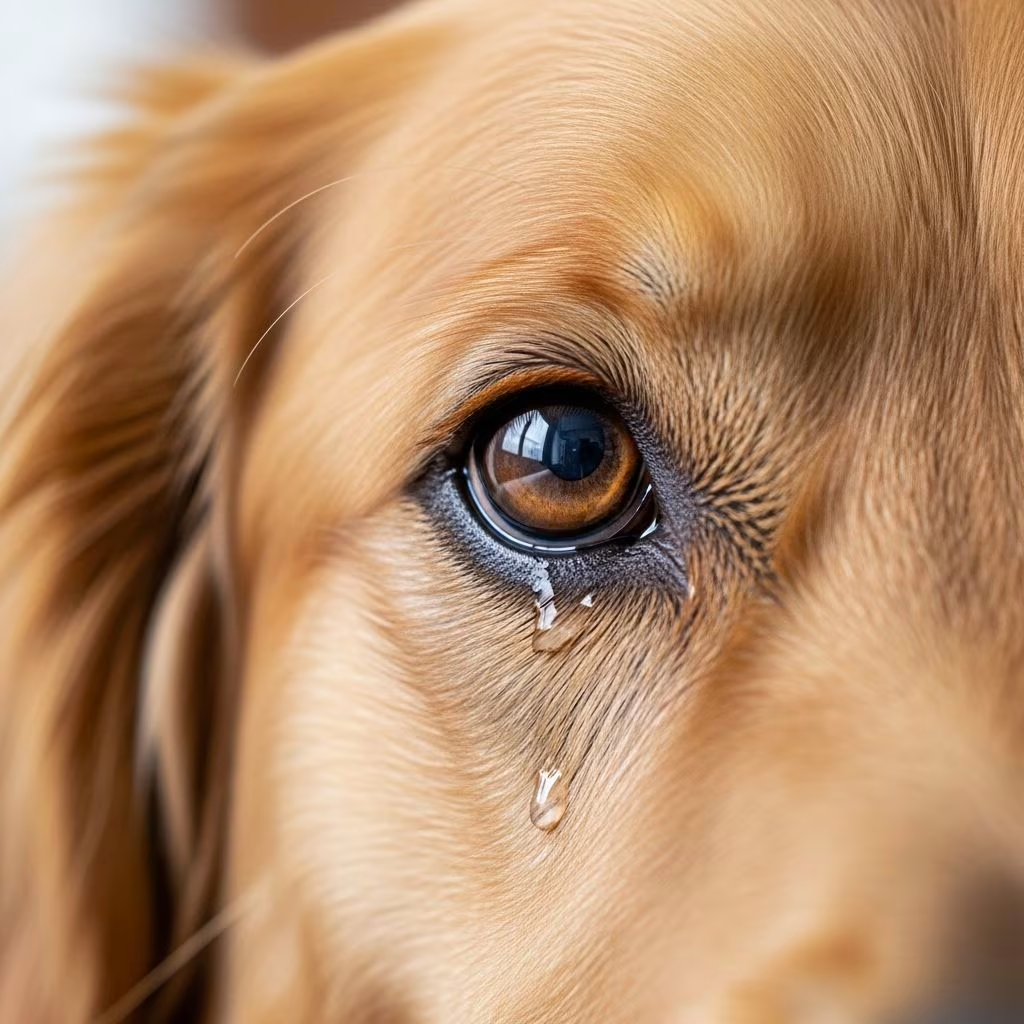
Watery eyes, medically termed epiphora, occur when a dog’s eyes produce excess tears or fail to drain them properly, leading to overflow onto the face. This condition affects dogs of all ages and breeds but is more noticeable in those with prominent facial features. While occasional tearing might seem harmless, persistent cases often signal underlying health concerns requiring attention.
Common Triggers for Excess Tearing
Several everyday factors can prompt a dog’s eyes to water excessively. Environmental irritants like dust, pollen, smoke, or dry air from heating systems frequently cause temporary epiphora by stimulating tear production as a protective response. Seasonal allergies exacerbate this, mimicking human hay fever with clear, watery discharge accompanied by sneezing or pawing at the face.
Household products such as cleaning sprays, perfumes, or incense can also irritate sensitive canine eyes, especially in urban settings with poor air quality. Dogs sleeping with partially open eyes may wake with crusty buildup, as exposure to air dries the ocular surface overnight.
- Dry indoor air during winter months.
- Pollen or mold during specific seasons.
- Smoke from fireplaces or cigarettes.
- Chemical fumes from recent cleaning.
Breed-Specific Vulnerabilities
Certain dog breeds are genetically prone to watery eyes due to facial anatomy. Brachycephalic breeds, including Pugs, Bulldogs, Shih Tzus, and Pekingese, possess shallow eye sockets and protruding eyes that prevent tears from staying contained. Their short snouts and loose facial skin further hinder proper drainage, resulting in chronic staining around the eyes.
Long-haired varieties like Lhasa Apsos or Maltese can develop issues if fur grows too close to the eyes, trapping debris and causing irritation. Regular trimming and grooming mitigate these risks, but owners should monitor for secondary infections from constant moisture.
| Breed Group | Examples | Key Issue |
|---|---|---|
| Brachycephalic | Pug, French Bulldog | Shallow sockets, tear overflow |
| Flat-Faced Toys | Shih Tzu, Pekingese | Exposed eyes, poor drainage |
| Long-Coated | Maltese, Yorkshire Terrier | Fur irritation |
Drainage Problems and Structural Abnormalities
Tears normally flow through the nasolacrimal duct from the eye’s inner corner to the nose, maintaining balance. Blockages in this pathway force tears to spill over. Causes include inflammation, debris accumulation, or congenital narrowing of the duct. Puppies might outgrow minor blockages, but adults often require veterinary flushing or surgery.
Entropion, where eyelids roll inward, and ectropion, where they sag outward, are inherited conditions irritating the cornea and boosting tear output. Eyelid masses or tumors, though rarer, can obstruct flow and demand prompt evaluation.
Infections and Inflammatory Conditions
Bacterial culprits like Staphylococcus or Streptococcus inflame the conjunctiva, producing thick, yellow-green pus alongside redness and swelling. Viral agents, including canine distemper or herpesvirus, trigger similar symptoms, often with systemic signs like fever or lethargy.
Conjunctivitis, or pink eye, arises from allergies, trauma, or pathogens, featuring mucus buildup and light sensitivity. Dry eye (keratoconjunctivitis sicca), paradoxically causes compensatory tearing due to insufficient tear film, risking ulcers if untreated. Fungal infections, less common, thrive in humid or dusty environments.
- Red, swollen lids with pawing behavior.
- Thick discharge varying from clear to pus-like.
- Corneal cloudiness in advanced cases.
Trauma and Foreign Bodies
Minor injuries from scratches, bushes, or collisions introduce bacteria, sparking infection and tearing. Foreign objects like grass seeds or dust particles lodge under lids, prompting reflexive tearing to flush them out. Glaucoma elevates intraocular pressure, causing sudden, painful epiphora with a hazy cornea— a veterinary emergency.
Owners might overlook subtle trauma in playful pups, but signs like squinting or head tilting warrant inspection. Gently flushing with saline reveals hidden irritants without worsening damage.
Distinguishing Benign from Serious Symptoms
Clear, watery discharge without other signs often points to mild irritants or allergies. However, colored pus, blood-tinged fluid, one-sided persistence, or accompanying nasal discharge suggests infection, tumor, or systemic illness like tick fever. Behavioral changes— reluctance to eat, hiding, or aggression near the face— indicate pain.
| Symptom Type | Likely Cause | Action Needed |
|---|---|---|
| Clear, bilateral | Allergies, irritants | Monitor, clean gently |
| Thick yellow, red eyes | Infection | Vet visit ASAP |
| Bloody, one-sided | Trauma, tumor | Immediate exam |
| With sneezing/cough | Respiratory issue | Full checkup |
Home Management Strategies
For mild cases, daily eye cleaning prevents buildup. Use vet-approved saline solution or boiled, cooled water on a soft cloth, wiping from inner to outer eye corner. Avoid cotton balls that shed fibers. Hypoallergenic wipes suit allergy-prone dogs.
Minimize allergens by washing bedding weekly, using air purifiers, and avoiding smoke exposure. Antihistamines like diphenhydramine may help under vet guidance, but never self-medicate for infections.
- Inspect eyes daily for changes.
- Trim facial hair around eyes.
- Maintain humidity with pet-safe humidifiers.
- Diet trial for food sensitivities.
Veterinary Interventions
Professionals diagnose via tear production tests (Schirmer tear test), fluorescein staining for ulcers, or duct flushing. Treatments range from antibiotic ointments for infections to cyclosporine drops for dry eye. Surgical options correct entropion or persistent duct blockages.
Vaccinations prevent distemper-related issues, while routine exams catch breed predispositions early. Puppies benefit from deworming, as parasites indirectly affect eye health.
Preventive Measures for Healthy Eyes
Proactive care reduces epiphora incidence. Annual vet checkups, especially for at-risk breeds, enable early detection. Balanced diets with omega-3 fatty acids support tear quality. Outdoor dogs need goggles in dusty areas or post-grooming rinses.
- Keep vaccinations current.
- Groom regularly to prevent fur buildup.
- Avoid irritant-heavy environments.
- Monitor during allergy seasons.
Frequently Asked Questions
Are watery eyes always a sign of illness in dogs?
No, they can result from normal tear overflow in certain breeds or temporary irritants, but persistent or changing discharge merits a vet check.
Can allergies cause eye discharge and runny nose together?
Yes, environmental or food allergies often affect both eyes and nasal passages, producing clear fluids and itching.
How do I clean my dog’s watery eyes safely?
Wipe outward with saline-dampened cloth; do not use tap water or human products. Consult a vet for recommended solutions.
Is surgery ever needed for dog eye tearing?
Yes, for structural defects like blocked ducts or malformed lids unresponsive to medical therapy.
Do puppies outgrow watery eyes?
Often yes, if due to immature ducts, but monitor for infections common in young dogs.
References
- Teary Eyes and Runny Nose in Dogs: Causes & Treatment — Vetic. 2023. https://vetic.in/blog/pet-health/teary-eyes-and-runny-nose-in-dogs-can-these-be-more-than-allergies/
- Watery Eyes (Epiphora) in Dogs — PetMD. 2024-01-15. https://www.petmd.com/dog/conditions/eyes/watery-eyes-epiphora-dogs
- Dog Eye Allergies vs. Infection: How to Tell the Difference — Mills Animal Hospital. 2023-11-20. https://millsanimalhospital.com/blog/dog-eye-allergies-vs-infection/
- 5 important information for you about watery eyes in dogs — Ardap Care. 2024. https://ardapcare.com/en/blogs/hund/traenende-augen-hund
- Why Do Dogs Get Eye Boogers? — Bayshore Veterinary Hospital. 2023-09-10. https://bayshore-vet.com/blog/why-do-dogs-get-eye-boogers/
- Runny Eyes in Dogs: How to Clean Dog Eye Boogers — Petcube. 2024-02-05. https://petcube.com/blog/runny-eyes-in-dogs/
- Dog Eye Discharge Causes and Treatments — WebMD. 2023-12-01. https://www.webmd.com/pets/dogs/dog-discharge-from-eye



