

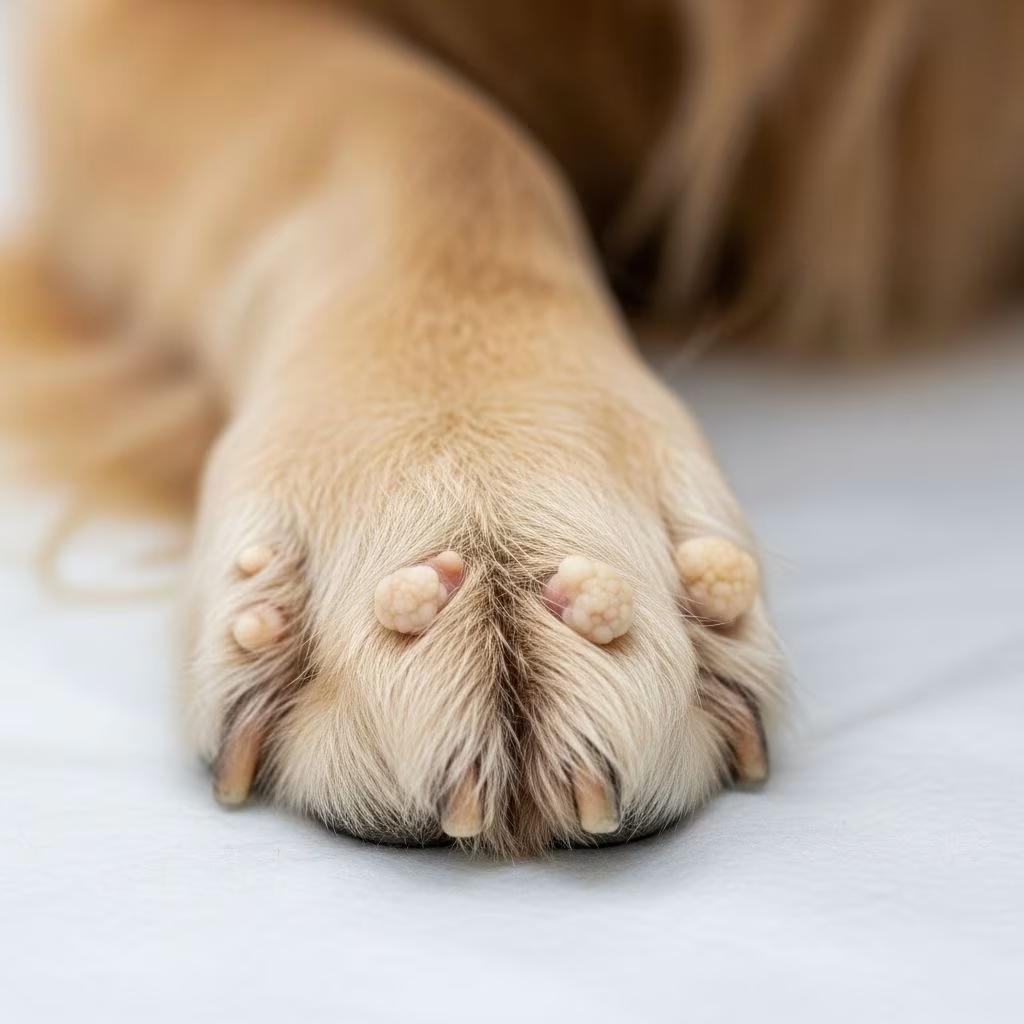
Dog warts, primarily viral papillomas, are benign growths triggered by canine papillomavirus infections. These common skin anomalies affect dogs of various ages but are especially prevalent in puppies and immunocompromised adults, often resolving spontaneously as immunity strengthens.
The Nature and Origins of Canine Warts
Canine warts stem from multiple strains of papillomavirus, each targeting specific body areas like the mouth, paws, or genitals. The virus persists in environments such as shared bowls or bedding, entering through skin breaks from injuries, insect bites, or abrasions. Infection incubation lasts 4-6 weeks, after which visible growths emerge.
Young dogs face higher risks due to immature immune systems, while older or medicated dogs with suppressed immunity may struggle to clear the virus. Transmission occurs via direct contact with infected dogs or contaminated surfaces, emphasizing hygiene in multi-dog settings like kennels.
Recognizing Different Types of Dog Warts
Warts manifest in distinct forms based on viral strain and location:
- Oral papillomas: Cauliflower-like clusters on gums, lips, or tongue, potentially hindering eating or causing drooling.
- Cutaneous papillomas: Raised, rough skin bumps on the body or face.
- Foot papillomas: Growths between toes, leading to lameness if irritated.
- Genital or eyelid variants: Smaller, localized lesions that may irritate sensitive areas.
Unlike sebaceous growths, which are non-viral and benign, true warts are contagious among dogs. Accurate identification requires veterinary assessment to rule out malignant tumors.
Common Symptoms and Complications
Most warts are asymptomatic, appearing as small, fleshy protrusions. However, complications arise when growths:
- Ulcerate and bleed from licking or trauma.
- Become secondarily infected, causing pus, swelling, or odor.
- Impede functions like chewing, walking, or vision.
- Persist beyond 3-5 months, risking malignant transformation in rare cases.
Dogs may show discomfort through pawing, excessive salivation, or reluctance to eat. Early monitoring prevents escalation.
When to Consult a Veterinarian
Observe warts for spontaneous regression within 1-2 months. Seek professional care if:
- Growths multiply rapidly or enlarge significantly.
- Your dog exhibits pain, bleeding, or infection signs.
- The dog is on immunosuppressants or has chronic illnesses.
- Warts linger over three months.
Vets diagnose via physical exams, cytology, or biopsy, distinguishing papillomas from cancers or cysts.
Conventional Treatment Approaches
Many warts self-resolve in 6-8 weeks as immunity develops, negating treatment needs. Interventions target problematic cases:
| Method | Description | Suitability |
|---|---|---|
| Surgical Excision | Scalpel, laser, or cryotherapy (liquid nitrogen freezing) removes isolated warts. | Single or few bothersome growths. |
| Immunostimulants | Interferon injections or oral cimetidine boost immune response. | Multiple warts in immunocompromised dogs. |
| Topicals/Antivirals | Imiquimod cream targets viral replication. | Surface-level lesions. |
| Autogenous Vaccines | Vaccine from dog’s own wart tissue stimulates immunity. | Outbreak prevention in groups. |
| Antibiotics | Azithromycin aids remission and treats infections. | Infected or persistent cases. |
Reduce immunosuppressive drugs if feasible to aid recovery.
Supportive Home Care Strategies
Complement vet advice with:
- Cleaning affected areas gently with saline to prevent infection.
- Preventing licking via Elizabethan collars.
- Boosting nutrition with immune-supporting foods rich in vitamins A, C, and E.
- Isolating infected dogs from others to curb spread.
Avoid over-the-counter human remedies, as they may irritate canine skin.
Prevention Tips for Dog Owners
Minimize risks through:
- Vaccinating against related viruses where available.
- Maintaining clean environments and disinfecting shared items.
- Supervising play with unfamiliar dogs.
- Regular health checks for early detection.
- Supporting immunity via balanced diet, exercise, and parasite control.
Puppies in social settings like daycare warrant extra vigilance.
Prognosis and Long-Term Management
Papillomatosis carries an excellent prognosis, with most cases resolving without intervention. Recurrence is rare post-immunity, though different strains may affect previously recovered dogs. Monitor senior or health-compromised pets closely.
Frequently Asked Questions (FAQs)
Are dog warts contagious to humans?
No, canine papillomaviruses are species-specific and cannot infect humans or other pets.
Can dog warts turn cancerous?
Rarely; persistent warts over 3-5 months merit biopsy to exclude malignancy.
How long do dog warts last?
Typically 1-2 months, up to 8 weeks in self-resolving cases.
Is there a vaccine for dog warts?
Autogenous vaccines exist for outbreaks, but no universal commercial vaccine.
What home remedies work for dog warts?
Veterinary guidance is key; vitamin E application shows anecdotal success, but evidence is limited.
Maintaining vigilance and prompt veterinary consultation ensures warts remain a minor issue, preserving your dog’s quality of life.
References
- Warts in Dogs – PetMD — PetMD. 2023. https://www.petmd.com/dog/conditions/all-about-dog-warts-types-causes-and-treatments
- Warts (Papillomatosis) in Dogs – Vetster — Vetster. 2023. https://vetster.com/en/conditions/dog/warts-papillomatosis
- Dog Warts: What are They and What Causes Them? – Hill’s Pet — Hill’s Pet Nutrition. 2023. https://www.hillspet.com/dog-care/healthcare/dog-warts
- What Causes Dog Warts? – PetCareRx — PetCareRx. 2023. https://www.petcarerx.com/article/what-causes-dog-warts/2869
- Dog Warts – Causes and Treatments – Vets4Pets — Vets4Pets. 2023. https://www.vets4pets.com/pet-health-advice/dog-advice/dog-warts/



