

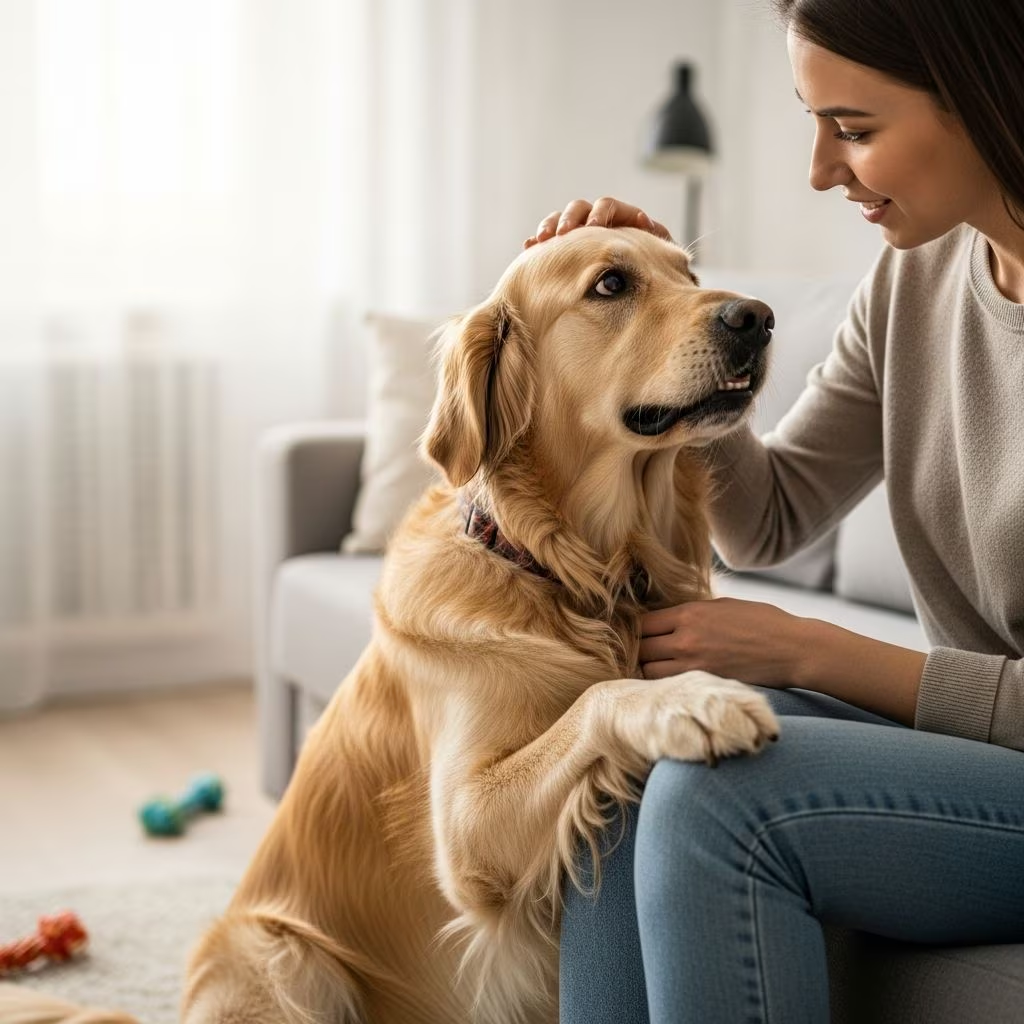
Dogs that shadow their owners every step of the way are often called **velcro dogs**, a term highlighting their intense desire for constant proximity. This behavior, while sometimes endearing, can signal underlying issues like anxiety or boredom if it escalates beyond normal companionship.
Recognizing the Traits of a Velcro Dog
Velcro dogs exhibit distinct patterns that go beyond typical loyalty. They trail owners from room to room, including private spaces like bathrooms, and may whine or paw at doors when briefly separated. Physical contact is a priority, with leaning, sitting on feet, or lap-sitting even during rest. Unlike secure dogs that relax independently, velcro dogs remain vigilant, watching every movement for cues.
- Persistent following, disrupting daily routines
- Restlessness or vocalization upon separation, even short-term
- Attention demands during work, calls, or meals
- Disinterest in toys unless owner is involved
- Jealous reactions toward other pets or visitors
These signs differentiate affectionate bonding from dependency. Puppies naturally display such tendencies due to pack instincts, but adults should gradually gain self-assurance through training and socialization.
Breed Predispositions and Genetic Factors
Certain breeds are wired for closeness due to historical roles. Working dogs like German Shepherds, Labrador Retrievers, and Vizslas were bred to stay near handlers during tasks, fostering a genetic pull toward human proximity. Companion breeds such as Cavaliers and French Bulldogs also thrive on constant interaction, making velcro traits more pronounced.
| Breed Group | Examples | Why Prone to Clinginess |
|---|---|---|
| Working/Herding | German Shepherd, Vizsla | Bred for tight teamwork with handlers |
| Sporting/Retrievers | Labrador, Golden Retriever | Selected for loyalty and attentiveness |
| Toy/Companion | Cavalier King Charles, French Bulldog | Designed as lap dogs for human bonding |
While genetics play a role, any dog can develop these habits through environment or experiences, emphasizing the need for balanced upbringing.
Environmental and Developmental Triggers
Life changes often spark clingy behavior. Moves, new family members, or routine shifts create uncertainty, prompting dogs to seek reassurance from owners as their safe base. Puppies separated from litters too early or over-coddled miss critical independence lessons, while rescues with abandonment histories form hyper attachments to rebuild trust.
Boredom exacerbates the issue; understimulated dogs follow owners hoping for engagement, mistaking movement for play opportunities. Senior dogs facing cognitive decline, vision, or hearing loss become disoriented, clinging for familiarity amid a shrinking world.
Health-Related Causes of Sudden Clinginess
A abrupt increase in attachment warrants a vet visit, as it may indicate pain, illness, or sensory decline. Dogs in discomfort— from arthritis to infections—stick close for comfort and protection. Canine cognitive dysfunction, akin to dementia, erodes confidence, leading to shadow-like following.
- Physical ailments: Joint issues, gastrointestinal problems
- Sensory loss: Blindness, deafness in aging pets
- Neurological changes: Cognitive impairment symptoms
Rule out medical factors first, as untreated conditions worsen behavioral reliance.
Distinguishing Loyalty from Problematic Attachment
Not all closeness is concerning. Healthy dogs enjoy company but settle alone, engage toys independently, and greet calmly. Clingy dogs panic at separations, ignore distractions, and show distress like panting or destruction.
| Healthy Loyalty | Excessive Clinginess |
|---|---|
| Panics or vocalizes immediately Ignores toys without owner | |
| Demands constant contact Restless even in sight |
Separation anxiety overlaps but intensifies with prolonged distress, destructive chewing, or house soiling when alone—distinct from mere following.
Strategies to Encourage Independence
Building confidence requires gradual steps. Start by rewarding calm non-following: treat when your dog stays put as you move rooms. Use puzzle feeders, scent games, and rotated toys for mental stimulation, reducing owner-focused boredom.
- Desensitize departures: Practice short exits with calm greetings—no fanfare
- Enrichment focus: Lick mats, frozen Kongs for solo occupation
- Training reinforcement: ‘Place’ or mat stays with high-value rewards
- Socialization boosts: Dog classes, playdates for peer confidence
Avoid reinforcing neediness: ignore pawing or whining, respond only to quiet behavior. Consistency prevents mixed signals.
Advanced Training Techniques for Velcro Dogs
Positive reinforcement shines here. Clicker training marks independent choices, like lying on a designated mat away from you. Gradually increase distance and duration, pairing with verbal cues like “settle.” For severe cases, consult certified trainers using fear-free methods to address root anxieties without punishment.
Exercise is key—daily walks, fetch, or agility build physical and mental resilience, curbing restlessness. Crate training, introduced positively, offers a secure solo space.
Long-Term Lifestyle Adjustments
Foster a routine with predictable alone time, preventing dependency. Multiple family members sharing walks and play dilutes singular attachments. Senior velcro dogs benefit from vet-prescribed joint supplements or anxiety aids alongside behavioral work.
Monitor progress: reduced following and voluntary rests signal success. Patience yields a secure, less needy companion.
Frequently Asked Questions (FAQs)
Is velcro dog behavior always a problem?
No, mild following reflects breed traits or love, but distress signs like whining or destruction indicate intervention needs.
Can all dogs outgrow clinginess?
With training, yes—puppies and young adults respond best, while seniors may need health management.
How long until training works?
Weeks to months, depending on consistency and cause severity; track small wins daily.
Should I get a second dog to help?
Not always—pair compatibility matters; solo enrichment often suffices first.
When to see a professional?
If behaviors persist post-vet check or include anxiety extremes like self-harm.
References
- 8 Common Reasons for Clingy Dog Behavior — Pet Honesty. 2023. https://www.pethonesty.com/blogs/blog/common-reasons-for-clingy-dog-behavior
- Velcro Dogs: Clingy or Loyal? Vet Backed Insight — Ask A Vet. 2025. https://askavet.com/blogs/news/velcro-dogs-is-your-dog-overly-clingy-or-just-loyal-vet-backed-insight
- Velcro Dogs: Dealing With Clingy Behavior — Hill’s Pet Nutrition. 2024. https://www.hillspet.com/dog-care/behavior-appearance/velcro-dogs-and-clingy-behavior
- How To Handle a Clingy Velcro Dog — Rover.com. 2024. https://www.rover.com/blog/velcro-dog/
- The Velcro Dog — Whole Dog Journal. 2023. https://www.whole-dog-journal.com/behavior/the-velcro-dog/



