

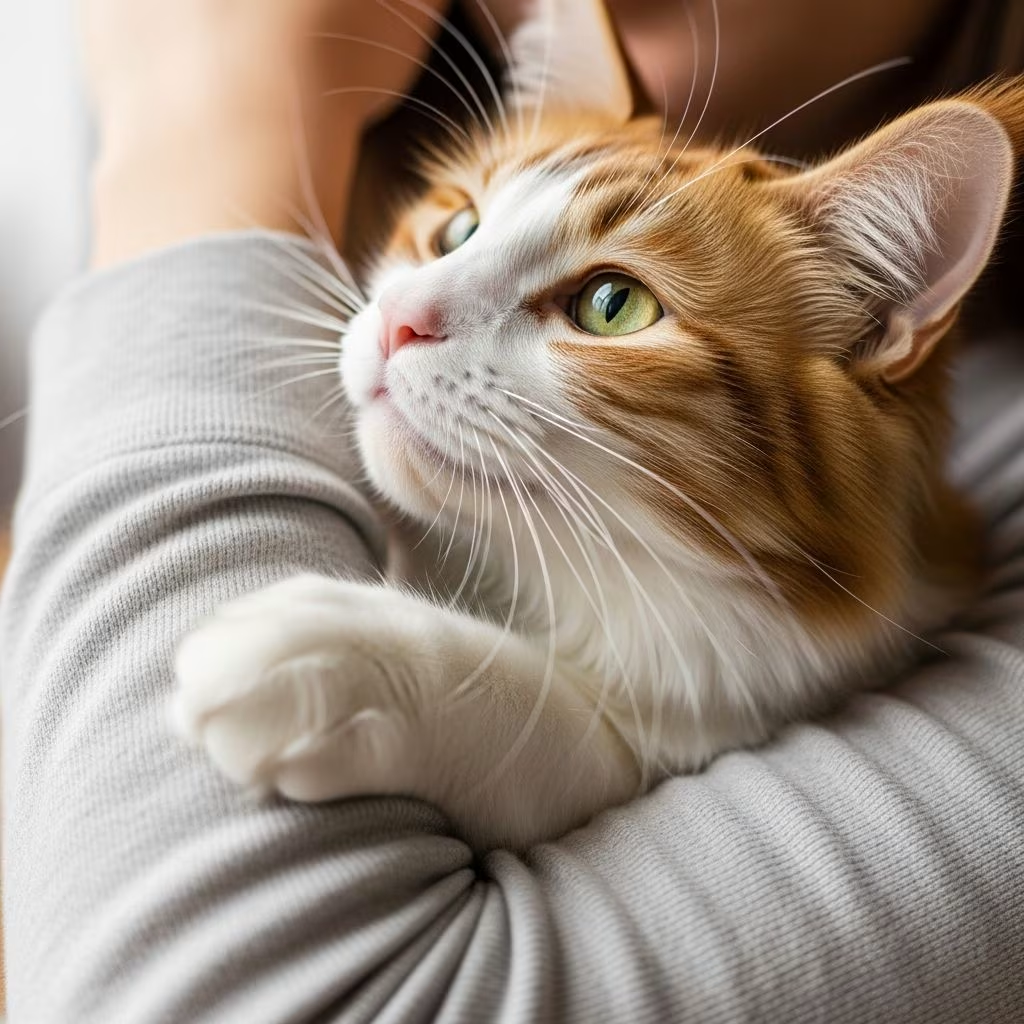
Velcro cats represent a special category of feline companions defined by their extraordinary devotion and need for proximity to their humans. These pets attach themselves emotionally and physically, turning everyday routines into shared adventures. Unlike more independent cats, Velcro varieties prioritize bonding, often displaying behaviors that mirror a deep-seated reliance on their owners for comfort and security.
Defining the Velcro Cat Personality
The term “Velcro cat” captures the essence of felines that adhere to their owners with unwavering persistence. This personality emerges from a blend of innate temperament, early life experiences, and environmental factors. Such cats view their human as the central figure in their world, seeking validation through constant interaction. This attachment can manifest in subtle ways or overt displays, making them both endearing and occasionally overwhelming housemates.
Experts note that this behavior stems from a cat’s social wiring. While felines are often stereotyped as aloof, many thrive on interpersonal connections, especially those socialized in nurturing environments. Velcro tendencies highlight a cat’s capacity for loyalty, akin to canine companionship but wrapped in a cat’s graceful demeanor.
Key Indicators of Velcro Cat Behavior
Recognizing a Velcro cat involves observing patterns in daily interactions. These pets don’t just tolerate company; they demand it. Here are primary signs drawn from veterinary insights and behavioral studies:
- Persistent Shadowing: They trail you from room to room, even during mundane tasks like bathroom visits or kitchen prep, ensuring no moment passes without their presence.
- Lap and Cuddle Obsession: Any available lap becomes prime real estate, with vigorous claims made through purring and kneading to secure the spot.
- Vocal Demands: Frequent meowing, chirping, or yowling serves as a communication tool, signaling needs for play, pets, or simply acknowledgment.
- Affectionate Bunting: Head rubs and cheek presses deposit scent markers, affirming you as part of their territory and family unit.
- Grooming Exchanges: Mutual licking or solicitations for petting reinforce bonds, mimicking behaviors from kittenhood with their mother.
These actions collectively paint a picture of a cat whose happiness hinges on physical and emotional closeness. If multiple traits align, your pet likely embodies the Velcro archetype.
Breeds Prone to Velcro Tendencies
Certain breeds exhibit higher propensities for clingy behavior due to selective breeding for sociability. While individuality trumps genetics, patterns emerge:
| Breed | Velcro Traits | Notable Characteristics |
|---|---|---|
| Ragdoll | Extreme cuddliness, lap-sitting | Relaxed demeanor, goes limp when held |
| Siamese | Vocal shadowing, attention-seeking | Sleek build, striking blue eyes |
| Burmese | Playful following, affectionate rubs | Muscular frame, silky coat |
| Oriental Shorthair | Constant companionship, kneading | Exotic features, dog-like loyalty |
| Tonkinese | Interactive bonding, sleep proximity | Hybrid energy, social butterfly |
Mixed-breed cats can also display these traits, influenced by dominant parental genetics or upbringing. Adoption histories often reveal early bonding that amplifies Velcro qualities.
Roots of Clingy Feline Attachments
Understanding why a cat becomes Velcro involves exploring developmental and circumstantial triggers. Kittens separated prematurely from litters may seek surrogate comfort in humans. Single-cat households without peer play can heighten owner dependency. Major life changes, like relocations or loss of companions, intensify needs for stability.
Health factors play a role too. Conditions causing discomfort might prompt increased seeking of reassurance. Fearful dispositions from past traumas lead some to view owners as safe havens. Environmental enrichment gaps, such as insufficient toys or vertical spaces, channel energy toward human interaction.
Advantages of Sharing Life with a Velcro Cat
Despite potential challenges, Velcro cats offer profound rewards. Their overt affection combats loneliness, providing stress-relieving purrs and cuddles. Studies link pet interactions to lowered cortisol levels, enhancing owner well-being. These cats excel as companions for remote workers or homebound individuals, filling spaces with lively engagement.
Their attentiveness fosters deeper mutual understanding. Owners learn to read subtle cues, strengthening empathy. Velcro pets often motivate routines like play sessions, promoting physical activity for both parties.
Potential Drawbacks and Realities
Intense attachment isn’t without hurdles. Separation anxiety tops concerns, manifesting as destructive scratching, vocal marathons, or litter box avoidance. Personal space invasions—think keyboard occupations during work or midnight meow concerts—test patience.
Jealousy flares with multi-pet homes or guests, sparking territorial disputes. Over-reliance risks behavioral issues if owners travel frequently. Addressing these requires proactive strategies to foster independence without diminishing bonds.
Strategies for Encouraging Healthy Independence
Balancing devotion with autonomy benefits both cat and owner. Implement gradual alone-time training using positive reinforcement. Interactive toys like puzzle feeders mimic hunting, diverting focus.
- Enrich environments with cat trees, window perches, and scratchers.
- Schedule daily play bursts to expend energy.
- Use pheromone diffusers to ease anxiety.
- Introduce companions cautiously for social outlets.
Consult veterinarians for persistent issues, ruling out medical causes. Consistency builds confidence, transforming clinginess into secure affection.
Frequently Asked Questions (FAQs)
Can Velcro behavior indicate health problems?
Sudden onset clinginess warrants a vet check, as it may signal pain, hyperthyroidism, or cognitive decline in seniors. Routine exams ensure underlying issues aren’t at play.
How do I reduce separation anxiety in my Velcro cat?
Practice short departures with treats upon return. Calming aids and desensitization to departure cues like keys help reframe absences positively.
Are Velcro cats suitable for busy households?
They adapt with preparation: ample stimulation and predictable routines mitigate distress. Consider lifestyles before adoption.
Do all kittens outgrow Velcro phases?
No, some retain traits lifelong, influenced by genetics and socialization. Early training encourages balanced development.
What’s the difference between Velcro and needy behavior?
Velcro implies affectionate attachment; extreme neediness may stem from anxiety, requiring intervention.
Enhancing Bonds Responsibly
Velcro cats enrich lives through their unyielding loyalty, but thriving relationships demand mutual respect. By providing structure, outlets, and understanding, owners cultivate resilient, joyful companions. Embrace the warmth while nurturing self-sufficiency for a fulfilling coexistence.
References
- What’s a Velcro Cat? 10 Vet-Approved Ways to Tell You Have One — Catster. 2023-10-15. https://www.catster.com/lifestyle/what-is-a-velcro-cat/
- 10 Signs of a Clingy Cat or Velcro Kitty — TrustedHousesitters. 2024-05-22. https://www.trustedhousesitters.com/blog/pets/10-signs-of-a-clingy-cat/
- Why Is My Cat So Clingy? – Managing Velcro Cats — Pet Honesty. 2024-02-10. https://www.pethonesty.com/blogs/blog/clingy-cat-behavior-why-it-happens-how-to-address-it
- I Have a Clingy Cat. What Now? — Zoetis Petcare. 2023-11-08. https://www.zoetispetcare.com/blog/article/clingy-cat
- Separation Anxiety in Cats — American Veterinary Medical Association (AVMA). 2024-01-12. https://www.avma.org/resources-tools/pet-owners/petcare/separation-anxiety-cats



