

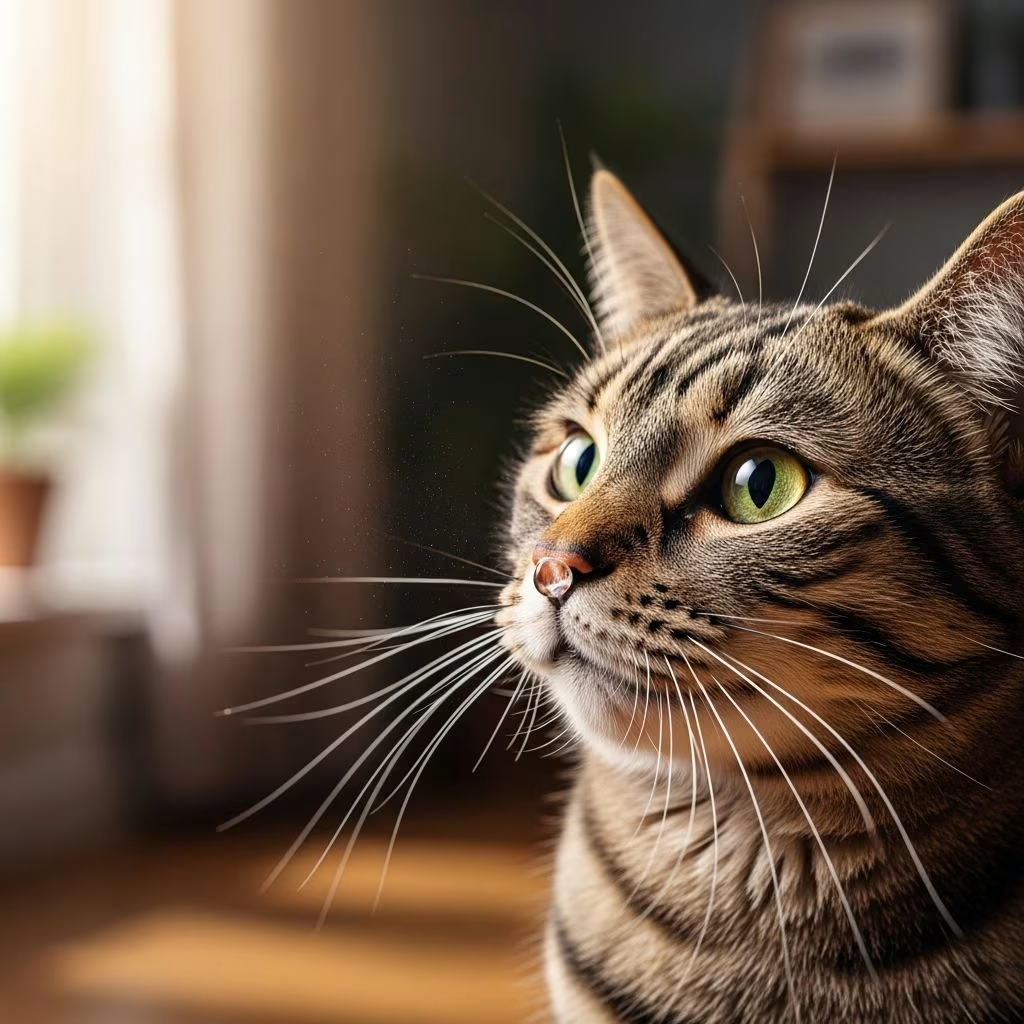
If your cat has suddenly started sneezing more frequently than usual, you’re likely wondering what might be causing this change in behavior. While an occasional sneeze is completely normal and typically harmless, a sudden increase in sneezing frequency or the appearance of other accompanying symptoms can indicate that your feline friend needs attention. Understanding the various reasons behind sudden sneezing episodes can help you determine whether a home remedy is sufficient or if veterinary care is necessary.
The Nature of Feline Sneezing: Normal vs. Concerning
Cats sneeze for many of the same reasons humans do. A simple tickle in the nasal passages caused by dust, pollen, or other airborne particles can trigger a perfectly innocent sneeze. However, when sneezing becomes frequent or persistent, especially when accompanied by other symptoms, it warrants closer examination. The key distinction lies in understanding whether the sneezing is an isolated incident or part of a broader health concern.
Sudden changes in your cat’s sneezing pattern are particularly important to monitor. If your usually quiet cat suddenly develops sneezing fits that occur multiple times throughout the day, this shift in behavior represents a departure from their normal baseline and should be taken seriously.
Environmental and Household Triggers
Many cases of sudden sneezing in cats relate to environmental factors present in the home. These triggers are typically temporary and resolve once the irritant is removed or the cat is relocated away from it.
Common Household Irritants
- Chemical odors and fumes: Cleaning products, perfumes, air fresheners, and aerosol sprays can irritate feline nasal passages, triggering sneezing episodes
- Dust and particulates: Dust from vacuuming, litter box dust, or other airborne particles can accumulate in a cat’s nose
- Smoke and incense: Tobacco smoke, candle smoke, or incense can provoke sneezing in sensitive cats
- Scented products: Fragranced litter, scented candles, diffusers, and other aromatic products may trigger nasal irritation
- Temperature changes: Sudden shifts in room temperature or exposure to drafts can occasionally provoke sneezing
If you suspect an environmental trigger is responsible for your cat’s sneezing, try removing the irritant and observing whether the sneezing decreases over the next few hours or days. This simple approach can often resolve the issue without medical intervention.
Physical Obstruction and Foreign Materials
Cats’ curious nature sometimes leads them to inhale or aspirate small objects that lodge in their nasal passages. When foreign material becomes stuck, it irritates the delicate nasal tissues and triggers sneezing as the body attempts to expel the offending object.
Potential foreign objects include grass, lint, hair, small toy pieces, and dust particles. If your cat continues sneezing persistently and appears distressed or uncomfortable, and you suspect a foreign object might be involved, professional veterinary evaluation is essential. Your veterinarian has the specialized equipment and expertise to safely examine and remove any lodged material that your cat cannot dislodge independently.
Infectious Respiratory Conditions
When environmental factors have been ruled out, infectious diseases become the primary consideration for sudden sneezing. Respiratory infections represent the most common medical reason cats develop sudden sneezing episodes.
Viral Upper Respiratory Infections
Feline herpesvirus (FHV) stands as the most prevalent cause of upper respiratory infections in cats. Remarkably, an estimated 80-90% of all cats have been exposed to and carry this virus. Most infected cats were exposed during kittenhood and remain chronic carriers of the virus throughout their lives. The virus lies dormant in the cat’s nervous system until conditions trigger reactivation.
Stress, illness, or immunosuppression can reawaken dormant herpesvirus, causing the sudden emergence of respiratory symptoms. This explains why a previously healthy cat might suddenly begin sneezing without any obvious external cause. The virus had been present but inactive until circumstances allowed it to become symptomatic.
Feline calicivirus represents another significant viral culprit causing upper respiratory infections. This highly contagious virus spreads readily between cats and commonly causes mouth ulcers along with respiratory tract involvement. In some cases, calicivirus can progress to pneumonia, making prompt recognition important.
Viral upper respiratory infections typically produce symptoms beyond simple sneezing. Accompanying signs include nasal discharge that may appear clear, cloudy, or slightly discolored, eye discharge or conjunctivitis, mild coughing, and sometimes a slight decrease in appetite. Most uncomplicated viral infections run their course within 7 to 21 days, with an average duration of 7 to 10 days.
Secondary Bacterial Infections
Bacterial infections in cats with sneezing almost never occur in isolation. Instead, bacteria opportunistically invade nasal tissues that have already been damaged by a preceding viral infection or other condition. The viral damage compromises the natural protective barriers that normally prevent bacterial colonization.
The presence of yellow or green nasal or eye discharge represents a hallmark sign of secondary bacterial infection. This thick, discolored discharge distinguishes bacterial involvement from the typically clearer discharge associated with purely viral infections.
Common bacterial species involved in feline respiratory infections include Bordetella, Mycoplasma, and Chlamydia. Fortunately, unlike viral infections, these bacterial infections respond well to antibiotic therapy, which can dramatically reduce sneezing and other respiratory symptoms.
Fungal Infections
While less common than viral or bacterial causes, fungal infections deserve consideration in persistent sneezing cases. The fungus Cryptococcus represents the primary fungal threat to feline nasal health. This organism lives in the environment and can invade the nasal passages, creating a painful, irritating fungal plaque.
Fungal infections prove challenging to diagnose through physical examination alone. Veterinarians typically require specialized procedures such as rhinoscopy (visual examination of nasal passages) or nasal biopsy to definitively identify fungal infections.
Inflammatory and Chronic Conditions
Beyond acute infections, several chronic inflammatory conditions can cause persistent or recurring sneezing in cats. These conditions often develop as complications following initial respiratory infections.
Chronic Rhinitis and Rhinosinusitis
Inflammation of the nasal mucous membranes, termed rhinitis, creates a condition similar to human sinus congestion. When inflammation extends into the sinuses, the condition is called rhinosinusitis. These two conditions frequently occur together in cats and represent common complications following upper respiratory infections.
Cats with chronic rhinosinusitis experience persistent sneezing that may continue long after the initial infection has resolved. This persistence occurs because the inflammation itself triggers continued sneezing, creating a self-perpetuating cycle. The condition can lead to recurrent bacterial infections that further complicate the picture.
Symptoms of chronic rhinitis and rhinosinusitis include frequent sneezing fits, stuffy or runny nose, thick yellow nasal discharge, loss of appetite, drooling, difficulty swallowing, and eye discharge. Some cats may also exhibit labored breathing, mouth breathing, snoring, or facial pawing.
Feline Asthma and Chronic Bronchitis
Some cats develop chronic lower respiratory conditions that cause ongoing respiratory issues including frequent sneezing. Feline asthma and chronic bronchitis represent serious conditions requiring ongoing veterinary management. Regular veterinary check-ups prove crucial for effectively managing these chronic conditions and ensuring the cat’s long-term wellbeing.
Dental Disease as a Sneezing Trigger
Many pet owners overlook dental disease as a potential cause of sneezing, yet the connection between oral and nasal health is significant in cats. When tooth root infections develop or dental disease creates abscess formation, drainage can occur into the nasal passages and sinuses. This drainage irritates the nasal tissues and triggers sneezing episodes.
The sneezing may occur during or immediately after eating, as food and debris can travel through the damaged area, making chewing difficult. Dental disease represents a serious and often painful condition requiring veterinary diagnosis and treatment. If your cat shows signs of dental problems such as bad breath, difficulty eating, or drooling, combined with sneezing, a thorough oral examination becomes essential.
Neoplasia and Tumor-Related Sneezing
While less common than infectious causes, tumors growing within the nasal passages can create irritation and inflammation leading to sneezing, particularly in older cats. Aberrant cancer cells growing in the nasal cavity obstruct airflow and irritate tissues, triggering sneezing as the body responds to the irritation.
Definitive diagnosis of nasal tumors typically requires specialized procedures such as rhinoscopy or nasal biopsy. Unfortunately, when present, nasal tumors generally result in poor long-term outcomes. Early detection through veterinary evaluation becomes important when older cats develop persistent sneezing with no obvious external cause.
Symptoms That Warrant Immediate Veterinary Attention
While occasional sneezing rarely indicates a serious problem, certain accompanying symptoms suggest your cat requires professional evaluation promptly.
| Warning Symptom | Possible Significance |
|---|---|
| Colored nasal discharge (yellow, green, or bloody) | Indicates bacterial infection or more serious condition |
| Persistent sneezing for more than a few days | Suggests infection or ongoing irritation |
| Loss of appetite or weight loss | Indicates illness affecting overall health |
| Fever or lethargy | Suggests systemic infection requiring treatment |
| Difficulty breathing or wheezing | Indicates lower respiratory involvement |
| Eye swelling, discharge, or ulcers | Suggests ocular involvement of respiratory infection |
| Drooling or difficulty swallowing | May indicate dental disease or severe infection |
| Labored breathing or mouth breathing | Indicates nasal obstruction or respiratory distress |
Frequently Asked Questions About Cat Sneezing
How long is it normal for a cat to sneeze?
An occasional sneeze is completely normal. However, if your cat sneezes multiple times in succession or sneezes frequently throughout the day for more than a few days, this warrants evaluation. The persistence and frequency matter more than individual sneezing episodes.
Is cat sneezing contagious to humans?
Most feline respiratory viruses are species-specific and do not infect humans. However, some bacterial infections associated with sneezing, such as chlamydia, can occasionally affect humans. Practicing good hygiene when handling a sneezing cat is always prudent.
Can allergies cause sneezing in cats?
While environmental allergies can theoretically cause sneezing in cats, they represent a less common cause than in dogs or humans. Most persistent sneezing in cats stems from infection or inflammation rather than allergic reactions.
What can I do at home for a sneezing cat?
Ensure your home environment is free from irritants like strong chemical odors and excessive dust. Provide comfortable bedding, ensure adequate hydration, and monitor symptoms closely. If sneezing persists beyond a few days or worsens, seek veterinary evaluation.
When should I take my cat to the vet for sneezing?
Contact your veterinarian if sneezing persists for more than three days, is accompanied by other symptoms, produces colored discharge, or if you notice changes in your cat’s appetite, energy level, or behavior.
Supporting Your Sneezing Cat
While determining the underlying cause of sneezing is important, you can take several steps to support your cat’s comfort during investigation and treatment. Maintain a clean living environment with minimal irritants, ensure your cat has access to fresh water to support mucus membrane health, and provide a stress-free environment to support immune function. If your veterinarian prescribes medications, follow the complete treatment course even if symptoms improve.
Understanding the multiple potential causes of sudden sneezing empowers you to make informed decisions about your cat’s health. Whether the cause proves to be a simple environmental irritant or a more complex infection, prompt attention and appropriate care will help restore your feline companion’s comfort and wellbeing.
References
- 7 Reasons Why Your Indoor Cat Keeps Sneezing — Sunset Animal Hospital. https://sunsetanytime.com/blog/7-reasons-why-your-indoor-cat-keeps-sneezing/
- Why Is My Cat Sneezing? — Cabbagetown Pet Clinic. https://www.cabbagetownpetclinic.com/blog/november-2022/why-is-my-cat-sneezing
- Why Is My Cat Sneezing? When to Worry — Peak Veterinary. https://www.peakveterinary.com/blog/why-is-my-cat-sneezing
- Cat Sneezing: Respiratory Infections, Allergens, and Other Causes — WebMD Pets. https://www.webmd.com/pets/cats/why-cats-sneeze
- Why Is My Cat Sneezing? – BluePearl Pet Hospital — BluePearl Veterinary Partners. https://bluepearlvet.com/medical-articles-for-pet-owners/cat-sneezing-does-your-cat-have-a-cold/
- Why Is My Cat Sneezing? — PetMD. https://www.petmd.com/cat/symptoms/cat-sneezing



