

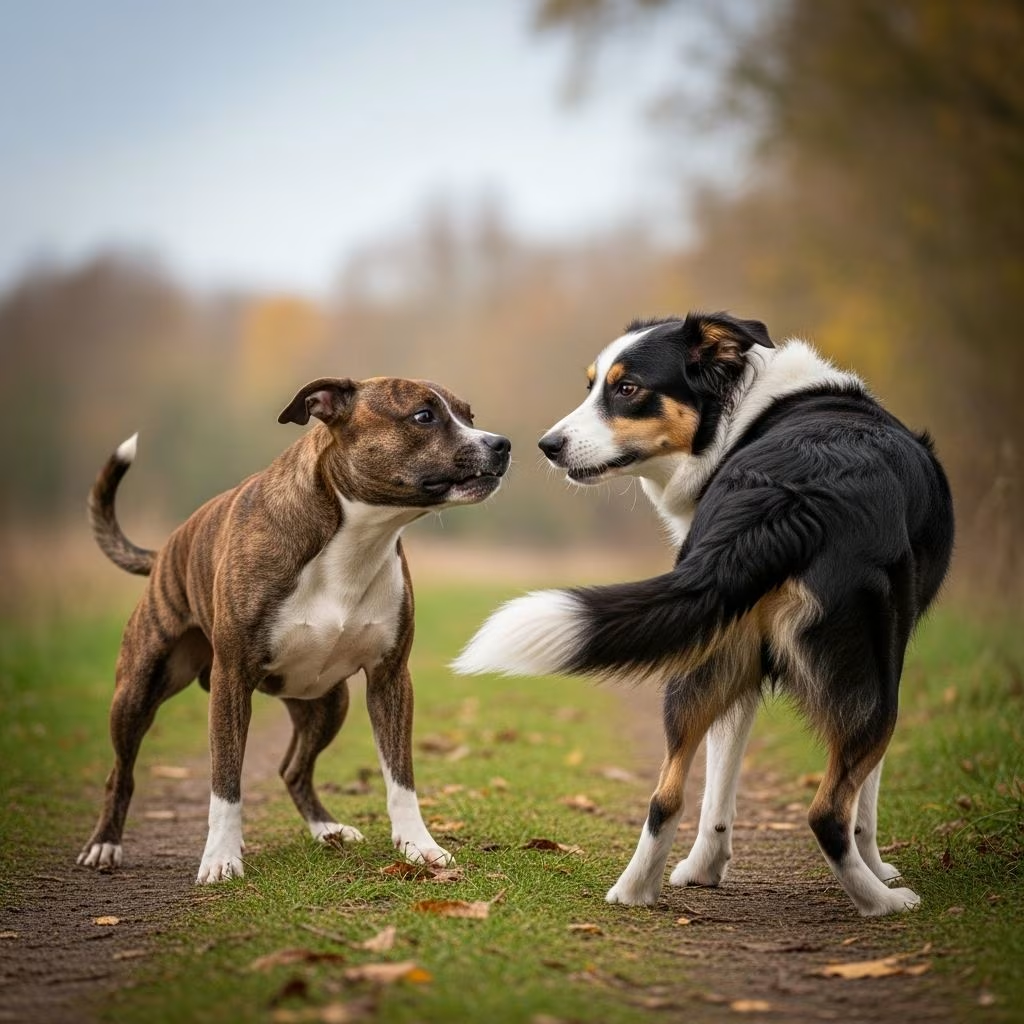
Social aggression in dogs refers to hostile behaviors directed toward other dogs or humans during interactions, often stemming from fear, anxiety, or perceived threats to status. This behavior can range from growling to biting and requires prompt attention to ensure safety for all involved.
Recognizing the Warning Signs
Early detection of social aggression is crucial for intervention. Dogs exhibiting this issue often display subtle cues that escalate if ignored. Common indicators include stiff body posture, raised hackles, intense staring, and lip curling accompanied by low growls. These signals communicate discomfort and intent to deter approach.
- Growling or Snapping: Vocal warnings when approached by unfamiliar dogs or people, especially in shared spaces.
- Lunging or Stiffening: Sudden forward movements or rigid freezing in social encounters.
- Resource Guarding: Protecting toys, food, or resting spots with aggressive displays.
- Irritability in Older Dogs: Sudden mood shifts, withdrawal from family, or intolerance toward other pets.
These signs differ from play aggression, which involves relaxed body language and reciprocal engagement. Fear-driven responses may include avoidance behaviors like cowering before escalating to offense.
Root Causes Behind the Behavior
Social aggression rarely occurs without underlying triggers. A combination of genetic, environmental, and health factors contributes to its development. Insufficient early socialization leaves dogs ill-equipped for diverse interactions, leading to fear-based reactions.
| Cause Category | Description | Examples |
|---|---|---|
| Fear and Anxiety | Primary motivator where dogs aggress to create distance from perceived threats | Leash restraint, unfamiliar environments, startling stimuli |
| Poor Socialization | Lack of exposure to varied stimuli during critical puppy periods | Isolation, limited play with other dogs |
| Medical Issues | Pain or illness lowering aggression threshold | Arthritis, neurological disorders, rabies symptoms like foaming |
| Territorial Instincts | Defending home or pack from intruders | Growling at visitors, protection of family |
| Learned Responses | Reinforced behaviors from past successes | Aggression resolving conflicts previously |
Genetic predispositions and stressful prenatal environments also play roles, amplifying reactivity. In multi-dog homes, status challenges can provoke responses if hierarchies feel contested.
Health Factors Influencing Aggression
Never overlook medical contributors, as pain or disease can manifest as sudden aggression. Conditions like hypothyroidism, chronic discomfort from osteoarthritis, or brain-affecting illnesses heighten irritability. Older dogs may show stiffness, snapping, or social withdrawal signaling underlying issues.
Veterinary evaluation is essential, including bloodwork and neurological exams. Rabies, though rare in vaccinated pets, presents with extreme aggression, hydrophobia, and seizures—prompting immediate isolation and reporting. Addressing health first prevents misdiagnosis of behavioral problems.
Prevention Through Early Socialization
The critical socialization window spans 3-12 weeks, when puppies are most receptive to new experiences. Gradual exposure to people, dogs, sounds, and environments builds confidence and reduces future fear.
- Enroll in puppy classes for controlled play.
- Introduce novel stimuli daily, rewarding calm responses.
- Avoid overwhelming scenarios; keep sessions positive and short.
- For adult dogs, counter-conditioning desensitizes fears over time.
Owners should monitor body language, intervening before escalation. Consistent routines foster security, minimizing anxiety-driven outbursts.
Management Strategies for Affected Dogs
Treatment focuses on safety, behavior modification, and reducing triggers. Prognosis improves with realistic goals: minimizing episodes rather than full elimination.
Environmental Management
Create a predictable, low-stress home. Use baby gates, crates, and leashes to prevent confrontations. Exercise meets physical needs, curbing excess energy that fuels reactivity.
Behavioral Training Techniques
Positive reinforcement trumps punishment, which worsens fear. Techniques include:
- Desensitization: Gradual exposure to triggers at sub-threshold levels.
- Counter-Conditioning: Pairing stimuli with rewards to shift associations.
- Impulse Control: Commands like “sit” or “leave it” during encounters.
Professional trainers use the “ladder of aggression” model, addressing early rungs like displacement yawning before threats.
Pharmacological Support
Veterinarians may prescribe anti-anxiety medications for severe cases, targeting serotonin pathways in compulsive aggression. Combine with therapy for best outcomes.
Training Tools and Professional Help
Muzzles ensure safety during rehab without stigma. Head halters like Gentle Leaders redirect focus. Seek certified behaviorists (e.g., IAABC or CPDT) for tailored plans. Avoid dominance-based methods, as they heighten fear.
When to Seek Immediate Help
Bite incidents, rapid escalation, or aggression toward children/family warrant urgent veterinary and behavioral consultation. Track incidents in a journal: date, trigger, intensity, to inform professionals.
FAQs
Can older dogs overcome social aggression?
Yes, though slower, adults improve via consistent training and management. Early intervention yields faster results.
Is social aggression the same as reactivity?
Reactivity involves over-arousal without injury intent; aggression escalates to threats or bites[10].
Does neutering fix aggression?
No, it may reduce some hormone-driven cases but not fear-based ones. Consult a vet.
How do I safely introduce my dog to others?
Neutral territory, leashed parallels, positive rewards. Watch for calming signals like yawns.
What if my dog aggresses toward me?
Status-related or fear; avoid force. Professional assessment prevents bites.
Long-Term Outlook and Owner Responsibilities
Success hinges on commitment. Many dogs achieve manageable lives post-treatment, strengthening bonds. Owners must prioritize safety, never leaving aggressive dogs unsupervised with vulnerable individuals. Regular vet check-ups monitor health triggers.
Understanding canine communication prevents inadvertent challenges, like direct stares or hugs, which mimic threats. Educate family on reading cues for harmonious coexistence.
References
- Signs Of A Poorly Socialized Dog — K9 Mania Dog Training. Accessed 2026. https://k9maniadogtraining.com/signs-of-a-poorly-socialized-dog/
- Behavior Problems of Dogs — Merck Veterinary Manual. Accessed 2026. https://www.merckvetmanual.com/behavior/behavior-of-dogs/behavior-problems-of-dogs
- Social Aggression in Dogs: Signs, Causes & Solutions — Dogster. Accessed 2026. https://www.dogster.com/dog-health-care/social-aggression-in-dogs
- 6 Causes of Aggression in Dogs — VEG ER for Pets. Accessed 2026. https://www.veg.com/post/aggression-in-dogs
- Aggression in Dogs: Etiology, Signalment, and Management — Today’s Veterinary Practice. Accessed 2026. https://todaysveterinarypractice.com/behavior/aggression-in-dogs-etiology-signalment-and-management/
- Understanding Aggressive Behavior in Dogs — Leon County Humane Society. 2018-12. https://www.leoncountyhumane.org/wp-content/uploads/2018/12/Understanding-Aggressive-Behavior-in-Dogs.pdf



