

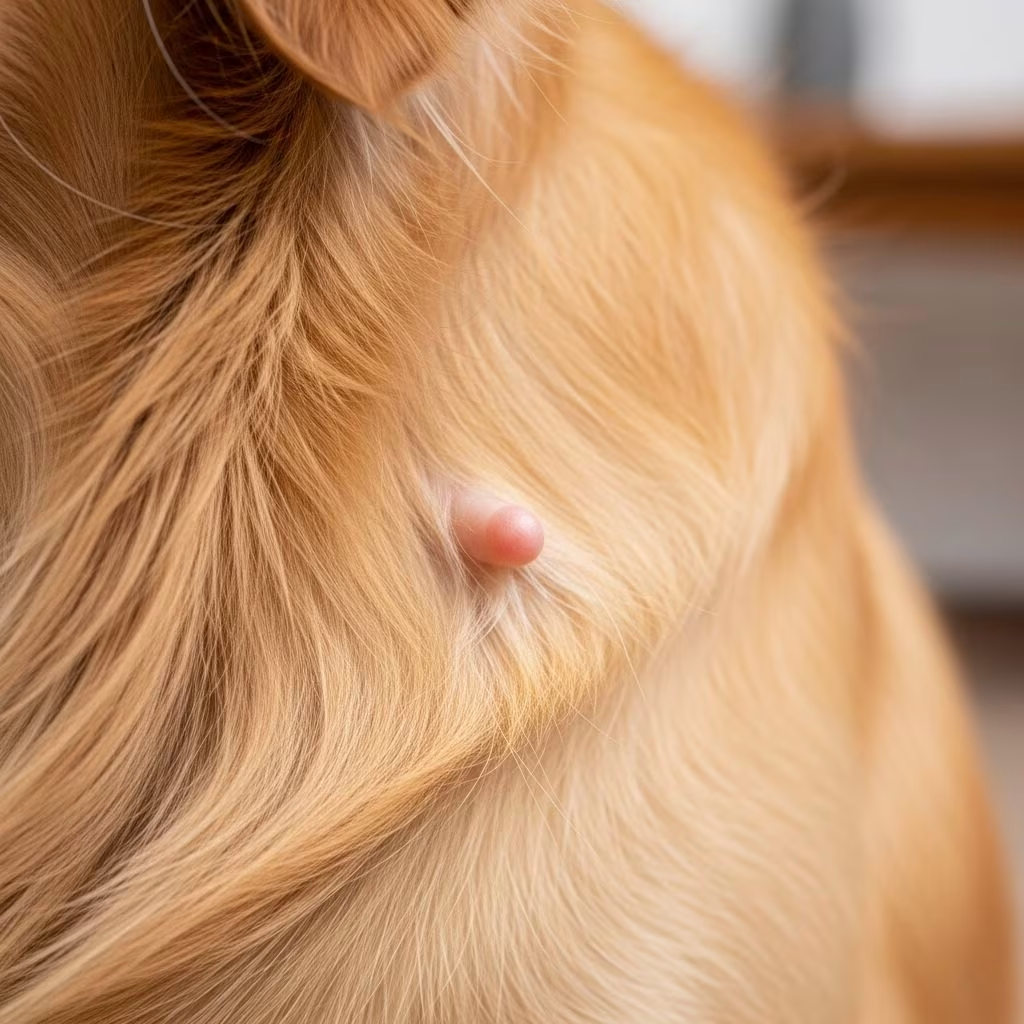
Skin tags represent one of the most frequent benign skin growths observed in canines, particularly as they advance in age. These small, soft protrusions attached by a thin stalk pose no significant health threat in the vast majority of cases, serving primarily as a cosmetic issue for pet owners. However, distinguishing them from potentially harmful lesions remains crucial for maintaining your dog’s well-being.
Recognizing Skin Tags on Your Dog
Identifying skin tags early allows owners to monitor changes effectively. These growths typically manifest as small, fleshy flaps of skin hanging from a narrow peduncle or stalk. They often measure between a few millimeters to several centimeters in length, with surfaces that mirror the surrounding skin tone or exhibit slight darkening or wrinkling. Common locations include areas prone to movement or contact, such as the chest, armpits, neck, eyelids, and groin regions.
- Appearance traits: Soft texture, narrow base attachment, variable size but usually under 1 inch.
- Color variations: Matches body fur color, occasionally pigmented or reddish if irritated.
- Quantity: Appear singly or in clusters, increasing with age.
Unlike warts or moles, skin tags dangle freely and lack a broad base. Owners might first notice them during grooming sessions or baths when parting the fur reveals these subtle anomalies.
Factors Leading to Skin Tag Development
Several influences contribute to the emergence of these growths, blending environmental pressures with inherent canine physiology. While no single trigger dominates, patterns emerge from veterinary observations across breeds and lifestyles.
Role of Friction and Physical Irritation
Repeated mechanical stress stands out as a primary instigator. Areas where skin rubs against itself, collars chafe the neck, or paws press into hard floors experience chronic micro-trauma. Breeds with pendulous skin, like Mastiffs or Basset Hounds, face heightened risk due to natural folds that generate ongoing friction.
Genetic Predispositions and Breed Tendencies
Hereditary elements play a substantial role, with larger and giant breeds showing elevated incidence. Poodles, Spaniels, and other floppy-eared varieties also report higher occurrences, suggesting polygenic inheritance patterns. Genetic screening in breeding programs highlights familial clustering, underscoring the need for breed-specific awareness.
Age-Related Skin Changes
Senior dogs dominate statistics, as collagen loss and reduced skin elasticity foster tag formation post-middle age. Hormonal shifts, including those from thyroid dysfunction or adrenal overactivity, may exacerbate this by altering dermal architecture.
Other Contributing Elements
Less common associations include viral influences akin to papilloma or environmental exposures like UV radiation in light-coated dogs. Obesity amplifies friction in fold-heavy areas, indirectly promoting growths.
When to Worry: Red Flags for Concern
Benign by nature, skin tags warrant vigilance for transformations signaling complications. Routine self-exams during petting or brushing help track stability.
| Normal Skin Tag Features | Warning Signs |
|---|---|
| Slow-growing, uniform color | Rapid enlargement or shape distortion |
| No pain or itching | Bleeding, ulceration, or foul discharge |
| Stable over months | Color shifts to black or irregular pigmentation |
| Freely movable | Fixed to underlying tissues, warm/swollen |
Such alterations might indicate infection, trauma-induced necrosis, or malignancy masquerading as a tag. Excessive licking or scratching often precedes secondary bacterial invasion, leading to abscesses.
Professional Diagnosis: Steps Your Vet Will Take
Veterinary assessment begins with a thorough physical inspection, evaluating tag morphology against historical breed data. Fine-needle aspiration or full excision biopsy provides cytological confirmation, especially for inaugural or suspicious lesions. Imaging rarely applies unless deeper involvement suspects.
- Visual differential: Rules out lipomas, cysts, or mast cell tumors.
- Histopathology: Gold standard for atypical presentations.
- Follow-up monitoring: Photographic records for serial comparison.
Early diagnosis prevents unnecessary anxiety and guides informed management.
Treatment Options: From Observation to Intervention
Conservative monitoring suffices for asymptomatic tags, aligning with their innocuous profile. Intervention activates for interference with mobility, grooming, or hygiene.
Non-Invasive Monitoring Strategies
Regular home checks coupled with annual vet dermatology reviews track progression without procedural risks. Elizabethan collars deter self-trauma during itch episodes.
Surgical and Procedural Removals
For problematic cases, veterinarians employ tailored techniques:
- Cryotherapy: Liquid nitrogen freezes small tags, prompting sloughing in 7-14 days. Minimal scarring, office-based.
- Electrocautery/Laser: Precise heat ablation seals vessels, ideal for vascular sites.
- Excisional surgery: Scalpel removal under sedation for larger or stalked growths, often with histopathology.
- Ligation: Suture base constriction starves blood supply, non-surgical for pedunculated types.
Anesthesia selection hinges on patient age, site, and count. Post-procedure care emphasizes wound protection and infection prophylaxis.
Preventive Measures for Optimal Skin Health
Proactive habits mitigate tag proliferation and complications. Maintain ideal weight to lessen fold friction; opt for padded bedding over concrete. Frequent brushing distributes oils, enhancing circulation. Natural topicals like aloe vera or vitamin E soothe prone zones, though evidence remains anecdotal. Collar rotation and harness use minimize neck abrasion. Holistic nutrition rich in omega-3s supports dermal integrity.
Frequently Asked Questions (FAQs)
Are skin tags painful for dogs?
Typically painless unless traumatized, at which point they provoke discomfort prompting behavioral cues like pawing.
Can skin tags turn cancerous?
Rarely; however, mimics like melanomas require vet differentiation via biopsy.
Do puppies get skin tags?
Uncommon before maturity; adult and senior onset predominates.
Is home removal safe?
No—risks hemorrhage, infection, or incomplete excision. Always professional handling.
How much does removal cost?
Varies by method and locale; cryotherapy cheapest ($50-150), surgery higher ($200-500+ per site).
Long-Term Management for Multi-Tag Dogs
Dogs prone to recurrence benefit from scheduled skin mapping exams. Genetic counseling for breeders addresses predispositions. Integrating antioxidants and anti-inflammatory diets fortifies against age-related dermal decline. Owners report improved quality of life through vigilant care, transforming potential nuisances into managed traits.
In summary, skin tags underscore the importance of attentive pet parenthood. By grasping their dynamics—from friction-fueled origins to vet-guided remedies—guardians empower healthier, happier companions.
References
- Skin Tags on Dogs: Identification, Causes & Treatments — Modern Vet. 2023-05-15. https://modernvetga.com/skin-tags-on-dogs-identification-causes-treatments/
- Skin Tags in Dogs – Causes, Treatment and Associated Conditions — Vetster. 2024-02-10. https://vetster.com/en/conditions/dog/skin-tags
- Skin Tags on Dogs: How to Identify & Treat Them — Purina US. 2023-11-20. https://www.purina.com/articles/dog/health/skin-fur-ears/skin-tags-on-dogs
- How To Manage Skin Tags On Dogs — Dogs Naturally Magazine. 2024-01-08. https://www.dogsnaturallymagazine.com/how-to-manage-skin-tags-on-dogs/
- Skin Tags on Dogs: Medically Reviewed Advice — MetLife Pet Insurance. 2023-09-12. https://www.metlifepetinsurance.com/blog/pet-health/skin-tags-on-dogs/
- Dog Skin Tags: Facts, Causes & Diagnosis — Hill’s Pet Nutrition. 2024-03-05. https://www.hillspet.com/dog-care/healthcare/dog-skin-tags



