

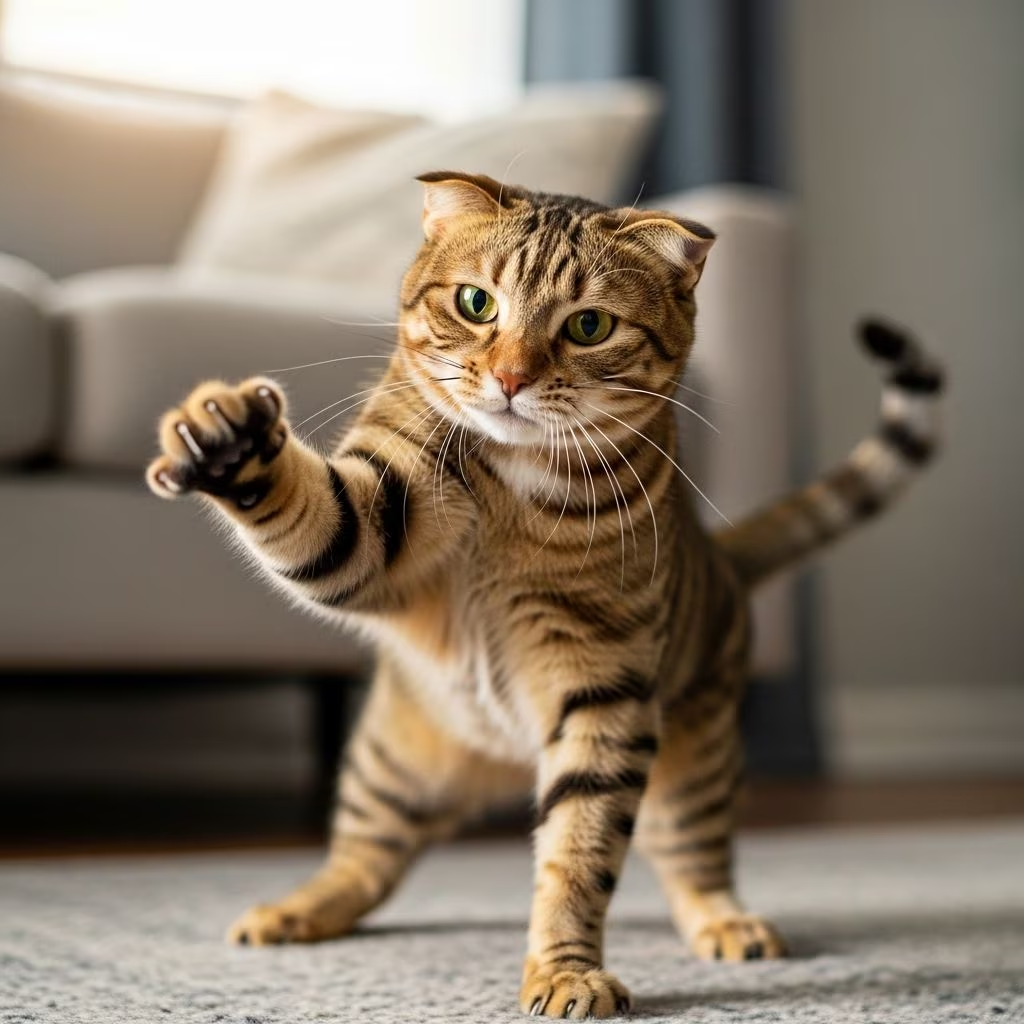
Cats are natural hunters, and their play behavior reflects this inherent instinct. When your feline companion pounces on a toy, stalks a feather wand, or chases a ball across the room, they’re engaging in behaviors that mirror their wild hunting patterns. However, sometimes what appears to be enthusiastic play can cross the line into genuinely aggressive behavior that warrants concern and intervention. Understanding the distinction between healthy play and problematic play aggression is essential for maintaining a safe, harmonious household and ensuring your cat’s emotional well-being.
The Natural Hunting Instincts Behind Feline Play
Feline play behavior is fundamentally rooted in predatory instincts that have evolved over thousands of years. When cats engage in play, they are essentially practicing the motor skills and strategies they would need in nature to survive. This includes stalking, pouncing, chasing, and manipulating objects or prey. These activities are not merely entertainment—they serve critical developmental functions for kittens and younger cats, helping them acquire cognitive abilities, refine motor coordination, and learn essential survival techniques.
The physical expressions of hunting play include distinctive behavioral patterns. Cats often initiate play through pouncing, using controlled physical contact to engage with their target. They display their comfort level with interaction by rolling over to expose their abdomen or rising up on their hind legs. Chasing and horizontal leaping represent patterns that may signal the conclusion of play sessions. Understanding these movement patterns helps pet owners recognize when their cats are in a playful mindset versus when they’re becoming stressed or genuinely aggressive.
Distinguishing Between Healthy Play and Problematic Aggression
The challenge many cat owners face is determining when their cat’s behavior has shifted from enjoyable play to aggressive action. Play aggression in cats involves biting and clawing combined with stalking and attacking behaviors, often directed at people or other animals. The cat may treat its human companion as it would treat prey or a rival cat. While some aspects of aggressive play might seem similar to regular play on the surface, several key differences emerge when examined more closely.
Healthy play generally involves mutual engagement where both parties—cat and human or cat and cat—demonstrate clear interest in continuing the interaction. The cat shows signs of wanting the game to continue, such as returning to the play area or bringing toys to their owner. In contrast, problematic play aggression often becomes one-sided, with the aggressor continuing pursuit even when the other party signals disinterest or attempts to disengage.
Body language offers crucial clues about the nature of the interaction. During healthy play, a cat’s tail may move with varying speed and direction, indicating enthusiasm and engagement. The cat maintains soft eye contact or focuses intently on the toy or play partner. Ears remain in a natural position, not pinned back in fear or anger. When play aggression becomes problematic, you may notice the cat’s ears flattening against the head, dilated pupils, and a rigid body posture. The tail may thrash aggressively rather than moving playfully.
Age and Life Stage Considerations
The intensity and nature of play behavior changes significantly as cats age. Kittens and young cats typically engage in more vigorous, frequent play sessions as they develop their physical and social skills. They are learning appropriate interaction boundaries and testing their physical capabilities. During this developmental stage, what might appear as aggressive play is often simply an exuberant expression of their natural instincts.
As cats mature, their play patterns typically become more modulated and controlled. Adult cats often display preferences for specific types of play and demonstrate better impulse control. Senior cats may engage in less frequent play sessions and prefer gentler interactions. Recognizing these age-related differences helps owners adjust their expectations and engagement strategies appropriately.
However, cats of any age can develop problematic play aggression if environmental, social, or health factors are not properly addressed. Young cats who haven’t received adequate socialization or appropriate outlets for their energy are at higher risk. Similarly, adult and senior cats may develop aggressive play behaviors in response to stress, boredom, or changes in their environment.
Environmental and Social Factors Contributing to Aggressive Play
The development of problematic play aggression often stems from factors within the cat’s environment and social experiences. Insufficient play opportunities represent one of the primary contributors. Cats require regular outlets to express their natural hunting behaviors and release pent-up energy. Without adequate playtime, cats may become frustrated and direct their predatory instincts toward people or other household pets in increasingly intense ways.
The composition of the household also influences play behavior development. In multi-cat households, individual cats may have different play styles and energy levels. Mismatches between play partners can lead to situations where one cat’s enthusiastic play is perceived as genuine aggression by a less assertive companion. Additionally, cats who haven’t been properly socialized to interact appropriately with humans or other animals may struggle to regulate the intensity of their play.
Stress and anxiety can significantly amplify play aggression tendencies. Changes in the household routine, introduction of new pets or people, environmental disruptions, or unresolved health issues all contribute to elevated stress levels in cats. A stressed cat is more likely to engage in intense, uncontrolled play behavior as a way of coping with their emotional state.
Managing and Redirecting Intense Play Behavior
Successfully managing play aggression requires a multifaceted approach that addresses the underlying causes while establishing appropriate boundaries and outlets. The foundation of effective management is providing regular, structured playtime opportunities that allow your cat to express natural behaviors in controlled ways.
Interactive Play Sessions: Engage your cat in directed play using wands, feather toys, laser pointers (used carefully), or other interactive toys. These sessions should last 10-15 minutes, multiple times daily, depending on your cat’s age and energy level. The key is to let your cat control the pace and intensity to some degree while you maintain the ability to end the session safely.
Solo Play Opportunities: Provide toys that your cat can play with independently, including balls, toy mice, puzzle feeders, and other objects that satisfy hunting instincts without requiring human participation. Rotating toys regularly maintains novelty and interest.
Environmental Enrichment: Create an environment that naturally encourages appropriate play and exercise. Vertical spaces like cat trees and shelves allow cats to climb, perch, and survey their territory. Window access provides visual stimulation through bird watching. Some cats enjoy water play or interactive games that engage their problem-solving abilities.
Recognizing and Respecting Boundaries: Learning to read your cat’s body language is critical. Watch for signals that your cat wants to end the play session, such as moving away from the play area, lying down, or ceasing to chase toys. Respecting these signals demonstrates that playtime is a positive, consensual experience, which can actually encourage more frequent and enjoyable interactions over time.
Intervention Strategies for Active Aggression
When play aggression becomes problematic, direct intervention may be necessary. The following strategies can help redirect aggressive impulses toward appropriate outlets:
- Immediately stop the play session if aggression escalates, removing yourself or the targeted object from the situation
- Never use your hands as play objects, as this teaches cats that hands are acceptable targets for pouncing and biting
- Use toys on wands or strings that keep your hands physically distant from the cat’s claws and teeth
- Redirect aggressive behavior toward appropriate toys by introducing an alternative toy the moment aggression begins
- Create positive associations with specific play sessions by offering treats and praise for gentle, controlled interaction
- Maintain consistent rules across all family members so the cat receives clear, unified messages about acceptable behavior
The Role of Consistency and Patience
Modifying problematic play behavior requires patience and consistency. Changes don’t happen overnight, and setbacks are normal parts of the process. All family members must adhere to the same rules and strategies, as inconsistent responses confuse cats and prolong the behavior modification timeline.
It’s important to recognize that aggressive play behavior doesn’t mean your cat is fundamentally flawed or dangerous. Rather, it indicates that the cat’s natural instincts haven’t been properly channeled into appropriate outlets. With dedication to providing proper enrichment, maintaining consistent boundaries, and offering regular play opportunities, most cats can learn to express their predatory nature in ways that are safe and enjoyable for everyone in the household.
Health Considerations and When to Seek Professional Help
Sudden changes in play behavior or the emergence of aggressive play in previously calm cats warrants investigation into potential health issues. Pain, discomfort, hormonal imbalances, and neurological conditions can all trigger or intensify aggressive behavior. A veterinary examination should be the first step if your cat’s behavior changes unexpectedly.
If behavior modification strategies don’t yield improvement after several weeks, or if the aggression poses genuine safety risks, consulting with a feline behaviorist or behavior-focused veterinarian is advisable. These professionals can assess the specific situation, identify contributing factors, and develop a customized management plan tailored to your cat’s individual needs and your household’s circumstances.
The Positive Impact of Appropriate Play
When managed correctly, play aggression can actually enhance the cat-human relationship. Play provides regular positive experiences that build trust and strengthen bonds. Cats who receive adequate play opportunities demonstrate improved mental health, reduced stress levels, and fewer behavioral problems overall. The effort invested in understanding and appropriately managing your cat’s play behavior pays dividends in the form of a happier, healthier, and more well-adjusted feline companion.
Frequently Asked Questions
Q: At what age do kittens typically show the most intense play aggression?
A: Kittens generally display the most vigorous and frequent play behavior between 2-6 months of age. This is a critical developmental period when they’re honing their hunting skills and learning appropriate interaction boundaries. With proper guidance and adequate play outlets, this behavior typically becomes more modulated as they mature.
Q: Is it normal for cats to bite and scratch during play?
A: Some biting and scratching during play is normal, particularly in young cats. However, the intensity should be controlled, and the cat should respond to redirection. If bites break skin or scratches cause injury, the play has become too aggressive and requires intervention.
Q: How can I tell if my cat is playing with another cat or actually fighting?
A: During healthy play between cats, both animals demonstrate reciprocal engagement—they take turns chasing and being chased, and both initiate interactions. Real fighting involves one cat attempting to escape while the other pursues, vocalizations that sound distressed, and fur standing on end. Healthy play partners maintain some distance between serious encounters and resume play willingly.
Q: Can play aggression develop in adult cats?
A: Yes, play aggression can emerge or intensify in adult cats due to inadequate play opportunities, environmental stress, changes in the household, or health issues. Any significant behavior change warrants veterinary evaluation.
References
- Burgess Pet Care – Play behaviour of cats surprises scientists — Burgess Pet Care Blog. https://www.burgesspetcare.com/blog/cat/play-behaviour-of-cats-surprises-scientists/
- Are These Cats Playing? A Closer Look at Social Play in Cats — National Center for Biotechnology Information. PMC8343019. https://pmc.ncbi.nlm.nih.gov/articles/PMC8343019/
- Cat-Cat Play: The Good, the Bad, and the Ugly — International Association of Animal Behavior Consultants (IAABC) Journal. https://journal.iaabcfoundation.org/play-the-good-the-bad-and-the-ugly/
- Why You Should Play with Your Cat More — Psychology Today Blog on Animal Emotions. February 2024. https://www.psychologytoday.com/us/blog/animal-emotions/202402/playful-cats-are-happier-and-healthier-feline-friends
- Understanding Feline Play and Play Aggression — Express Vets Plus. https://www.expressvetswoodstock.com/blog/understanding-feline-play-and-play-aggression-express-vets-north-woodstock
- Play Aggression (Cats) — San Francisco SPCA. https://www.sfspca.org/resource/play-aggression/
- How To Play With a Cat According to a Cat Behaviorist — Cats.com. https://cats.com/how-to-play-with-a-cat



