

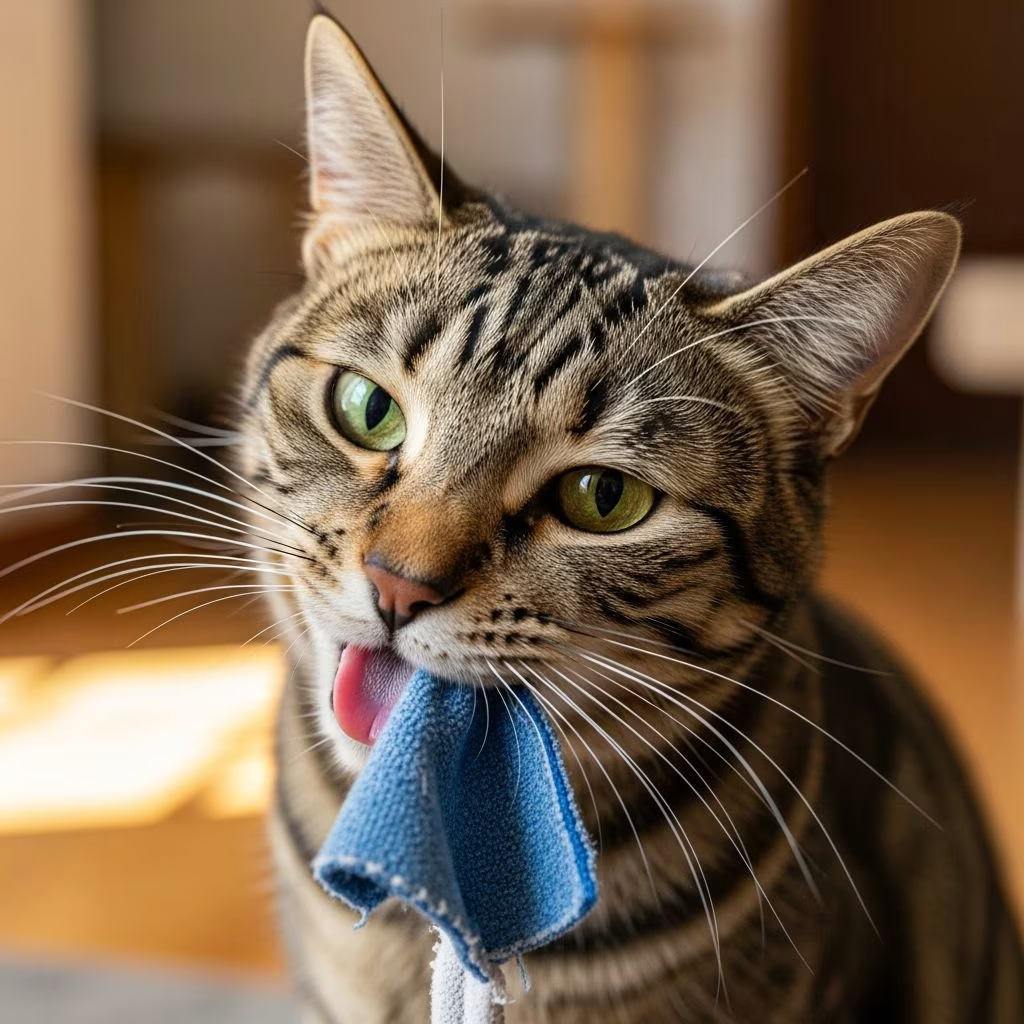
Pica represents a significant concern for many cat owners, as it describes a compulsive behavior where felines consume non-food items that pose potential health risks. This condition manifests when cats develop an irresistible urge to ingest materials such as fabric, plastic, rubber, cardboard, or even electrical cords. While occasional nibbling on non-food items might seem harmless, persistent pica behavior indicates an underlying issue that requires attention and investigation. Understanding the nature of this disorder, its causes, and available management strategies can help pet owners protect their feline companions from serious harm.
Defining Pica: More Than Just Curiosity
Pica differs fundamentally from normal exploratory behavior in cats. When a kitten occasionally chews on a toy or investigates household items through their mouth, this represents typical feline curiosity. Pica, however, involves a persistent and compulsive pattern of consuming non-nutritive substances. The behavior often escalates beyond simple exploration, with affected cats deliberately seeking out and ingesting materials that provide no nutritional value. This obsessive-compulsive nature distinguishes true pica from benign play or investigatory behavior.
The severity of pica varies significantly among individual cats. Some animals engage in the behavior only occasionally or subtly, making it difficult for owners to notice early signs. Other cats display overt symptoms, frequently attempting to consume inappropriate materials throughout the day. Regardless of severity level, any cat exhibiting pica warrants veterinary evaluation to identify potential underlying causes.
Medical Conditions Associated With Pica Development
Veterinary professionals recognize that medical factors frequently trigger pica behavior in cats. A thorough understanding of these conditions helps owners identify when their cat requires professional intervention.
Gastrointestinal and Digestive Disorders
Inflammatory bowel disease (IBD) represents one of the most prevalent medical causes of pica in cats. This condition creates chronic inflammation within the digestive tract, causing discomfort and nutrient malabsorption. Cats experiencing intestinal distress may instinctively attempt to self-soothe by consuming unusual substances, believing these items might alleviate their discomfort. The discomfort associated with IBD appears to trigger cravings for non-food materials as cats seek relief from their symptoms.
Beyond IBD, other gastrointestinal issues contribute to pica development. Conditions affecting gastric motility, parasitic infestations creating significant worm burdens, and various inflammatory processes can all precipitate abnormal eating patterns. Additionally, dental disease and oral pain may cause cats to seek out different textures and materials as they attempt to manage mouth discomfort.
Nutritional and Hematological Conditions
Anemia, particularly iron deficiency anemia, frequently correlates with pica behavior. When cats lack sufficient iron, their bodies cannot produce adequate hemoglobin, leading to reduced oxygen transport throughout the body. This deficiency creates specific cravings for non-food items, with some anemic cats particularly attracted to litter. The body’s desperate attempt to address the mineral deficiency drives cats to consume unusual substances in an effort to obtain missing nutrients.
Broader nutritional deficiencies contribute significantly to pica development. Cats lacking adequate dietary fiber, essential minerals, or other critical nutrients may develop abnormal eating habits as their bodies attempt to address these gaps. The underlying nutritional imbalance creates a compulsion to seek alternative food sources, leading to pica behavior.
Endocrine and Systemic Diseases
Hyperthyroidism, caused by an overactive thyroid gland, can trigger pica as a secondary symptom. This condition accelerates a cat’s metabolism dramatically, intensifying appetite and creating behavioral changes. The resulting excessive hunger may drive cats to consume non-food items in attempts to satisfy their amplified appetite. However, not all cats with hyperthyroidism develop pica, highlighting the individual variation in how different conditions manifest.
Diabetes and other endocrine disorders similarly associate with pica behavior. These systemic conditions affect overall metabolism and nutrient utilization, potentially driving abnormal eating patterns. Feline infectious peritonitis (FIP), while less commonly documented, has also been identified in association with pica development.
Infectious and Neurological Factors
Feline Immunodeficiency Virus (FIV) infection occasionally correlates with pica behavior, though the exact mechanism remains unclear. Current theories suggest that FIV may cause neurological damage affecting brain function and behavioral control, potentially leading to altered eating patterns. Similarly, brain tumors and other neurological disorders can disrupt normal feeding behavior and impulse control.
Behavioral and Environmental Contributors
Beyond medical causes, psychological and environmental factors play crucial roles in pica development. Many cases involve combinations of both behavioral and medical components, requiring comprehensive assessment.
Stress, Anxiety, and Environmental Changes
Cats living in stressful environments frequently develop pica as a self-soothing mechanism. The anxiety associated with environmental uncertainty drives some cats to engage in repetitive, obsessive behaviors including pica. Specific triggers such as moving to a new residence, introduction of new household members or pets, or removal of familiar family members can precipitate stress-related pica.
Cats lack sophisticated coping mechanisms for managing anxiety, and pica sometimes serves as their way of processing stress through oral fixation. This behavioral adaptation, while problematic, represents an attempt to self-regulate emotional distress.
Boredom and Insufficient Enrichment
Cats requiring adequate mental stimulation and physical exercise may develop pica simply from boredom. Without sufficient interactive play, environmental enrichment, engaging toys, or social interaction, indoor cats seek their own activities to occupy their time. Consuming non-food items provides stimulation when appropriate alternatives remain unavailable.
Environmental enrichment proves particularly important for preventing boredom-related pica. Cats lacking access to climbing structures, interactive toys, window perches for bird-watching, or engaging activities may resort to chewing non-food items as entertainment.
Developmental and Genetic Factors
Early weaning, before kittens reach optimal developmental maturity, associates with increased pica risk. Kittens separated too young from their mothers may develop oral fixation patterns that progress into destructive pica behaviors. Some cats weaned prematurely specifically develop wool-sucking behaviors that can escalate into actual ingestion of fabric materials.
Certain breeds demonstrate genetic predisposition toward pica. Oriental breeds including Siamese, Burmese, and related types show higher prevalence rates compared to other cat populations. This genetic component suggests inherent vulnerability in specific bloodlines toward developing obsessive-compulsive behaviors including pica.
Recognizing Pica: Warning Signs and Symptoms
Early detection significantly improves outcomes for cats with pica. Pet owners should remain observant for behavioral and physical changes that might indicate this condition.
Behavioral Indicators
- Persistent chewing or ingestion of unusual household objects such as shoes, blankets, or hair ties
- Increased vocalization or agitation, potentially signaling distress or anxiety
- Excessive suckling or chewing on fabric materials and bedding
- Frequent biting directed toward owners or themselves
- Obsessive behaviors that appear compulsive in nature
Physical Health Signs
- Vomiting, particularly containing non-food materials or fabric fibers
- Abnormal feces with visible non-food items embedded in stool
- Diarrhea or constipation, indicating gastrointestinal distress
- Straining during bowel movements or difficulty defecating
- Loss of appetite or reduced food intake despite pica behavior
- Lethargy and decreased activity levels
- Reduced water consumption
Any observable change in a cat’s behavior, litter box habits, appetite, water consumption, vocalization, or physical appearance warrants veterinary examination. Early intervention prevents escalation and identifies underlying medical conditions before serious complications develop.
Potential Health Complications
Pica in cats creates serious medical risks extending beyond the behavioral concerns. Ingested non-food materials can cause life-threatening complications requiring emergency veterinary intervention.
Gastrointestinal obstruction represents the most serious potential complication. Non-digestible materials such as string, rubber bands, or plastic can lodge in the digestive tract, blocking normal food passage and requiring surgical removal. This condition constitutes a medical emergency demanding immediate professional attention.
Dental damage frequently results from chewing hard materials like plastic, rubber, or electrical cords. Broken teeth, fractured jaw bones, or damaged tooth enamel create ongoing pain and infection risk.
Toxicity and poisoning occur when cats ingest materials containing harmful substances. Electrical cord contact risks electrocution, while certain plastics and rubber compounds may contain toxins causing systemic illness.
Internal injuries develop when sharp materials perforate the digestive tract or cause bleeding within the gastrointestinal system. These injuries often prove fatal without emergency surgical intervention.
Diagnostic Approach and Veterinary Evaluation
Professional veterinary assessment provides essential foundation for managing pica effectively. Veterinarians employ multiple diagnostic tools to identify underlying causes and develop appropriate treatment strategies.
A thorough physical examination precedes diagnostic testing, allowing the veterinarian to assess the cat’s overall health status and identify obvious abnormalities. Detailed behavioral history from the owner helps distinguish between medical causes and behavioral factors. Information regarding environmental stressors, dietary changes, recent moves, or family transitions proves valuable for comprehensive assessment.
Blood work and diagnostic imaging help identify medical conditions contributing to pica development. Complete blood counts reveal anemia or infection. Chemistry panels assess organ function and detect endocrine abnormalities such as hyperthyroidism or diabetes. Imaging studies including radiographs or ultrasound evaluate gastrointestinal structure and identify foreign objects.
Management and Treatment Strategies
Effective pica management typically requires multifaceted approaches addressing both identified medical conditions and behavioral factors.
Medical Management
When underlying medical conditions trigger pica, appropriate treatment of these conditions often resolves the abnormal eating behavior. Managing IBD through dietary modification and medication reduces gastrointestinal discomfort and associated pica. Treating anemia through iron supplementation or addressing hyperthyroidism through medication or radioiodine therapy may eliminate pica as these conditions improve.
Dietary Modifications
Nutritionally complete and balanced diets address deficiency-related pica. Adequate dietary fiber helps some cats experience symptom improvement. Transitioning cats from dry to wet food occasionally reduces pica occurrence. Providing access to safe chewing alternatives such as dental bones or appropriate plant material may redirect compulsive chewing behaviors.
Environmental and Behavioral Interventions
Enrichment proves critical for reducing boredom-related pica. Interactive toys, climbing structures, window perches, puzzle feeders, and regular play sessions provide mental and physical stimulation. Environmental modifications reducing stress triggers help cats anxious about environmental changes.
Removing access to pica-target materials prevents consumption while underlying causes receive treatment. Securing plastic bags, storing rubber bands and strings safely, and covering electrical cords reduces temptation and prevents accidental consumption of hazardous materials.
Frequently Asked Questions
Is pica in cats dangerous?
Yes, pica can pose serious health risks. Ingested non-food materials may cause gastrointestinal obstruction requiring emergency surgery, dental damage, toxicity, or internal injuries. However, severity depends on materials consumed and individual circumstances.
Can pica be cured completely?
The prognosis depends on underlying causes. Medical conditions causing pica can often be treated, potentially resolving the behavior. Behavioral pica may require ongoing management through environmental enrichment and stress reduction, though complete elimination is possible when root causes are addressed.
Are certain cat breeds more prone to pica?
Yes, Oriental breeds including Siamese and Burmese cats show higher genetic predisposition toward pica compared to other breeds.
When should I contact a veterinarian about pica?
Contact your veterinarian immediately if you notice any change in your cat’s behavior, litter box habits, appetite, or if your cat shows signs of consuming non-food items. Early intervention prevents complications.
References
- What Is Pica In Cats And What Causes It? — Kingsdale Animal Hospital. Accessed January 2026. https://www.kingsdale.com/what-is-pica-in-cats-and-what-causes-it
- Understanding Cat Pica: Causes, Symptoms, and Solutions — Apex Veterinary Services. Accessed January 2026. https://apex.vet/blog/cat-pica/
- What Is Pica In Cats? — TrustedHousesitters. Accessed January 2026. https://www.trustedhousesitters.com/blog/pets/pica-in-cats/
- Pica in Cats — International Cat Care. Accessed January 2026. https://icatcare.org/articles/pica-in-cats
- Pica in Cats — Cat Behavior Associates. Accessed January 2026. https://catbehaviorassociates.com/pica/
- Abnormal Eating Habits in Cats — UC Davis School of Veterinary Medicine. Accessed January 2026. https://healthtopics.vetmed.ucdavis.edu/health-topics/feline/unusual-eating-habits-cats
- Characterization of pica and chewing behaviors in privately owned cats — PubMed Central/National Institutes of Health. PMID: 10816388. https://pmc.ncbi.nlm.nih.gov/articles/PMC10816388/



