

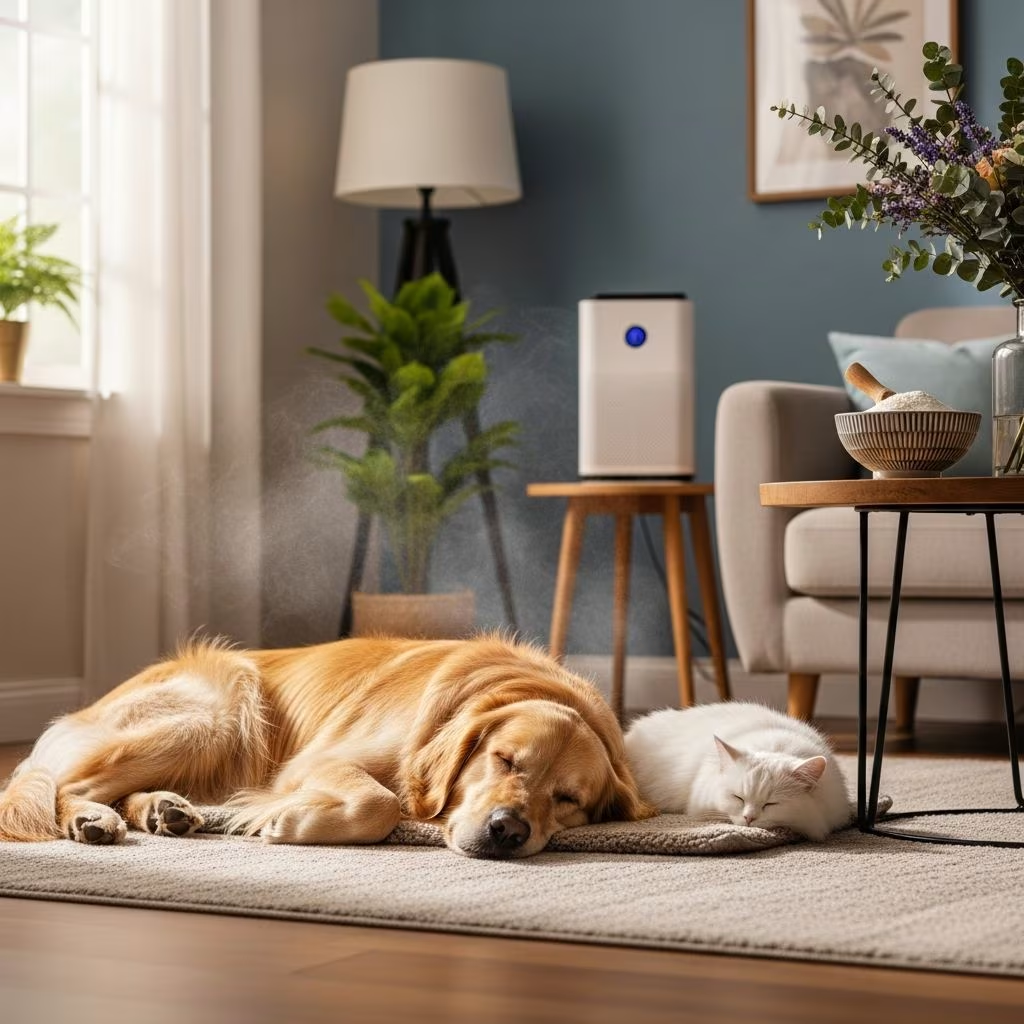
Pet ownership brings joy and companionship, but it can also bring unwelcome odors. Whether you’ve noticed your dog smells after a bath or your cat has developed a musty scent, understanding the root cause is the first step toward resolution. Pet odors can range from mild inconveniences to serious warning signs of underlying health issues. By exploring the various causes of unpleasant pet smells, pet owners can take informed action to improve their animal’s hygiene and overall wellness.
The Oral Health Connection: Breath as a Health Indicator
One of the most prevalent sources of foul odor in pets is problematic breath. Halitosis in dogs and cats often stems from periodontal disease, which affects a significant portion of the pet population. Research indicates that over eighty percent of pets over three years old experience meaningful periodontal disease, making dental issues one of the most common health concerns in companion animals.
Beyond simple plaque buildup, various oral conditions can contribute to offensive breath. These include:
- Tartar accumulation on tooth surfaces
- Gingivitis and gum inflammation
- Periodontitis affecting tissues surrounding teeth
- Fractured or decayed teeth
- Gingival hyperplasia, an overgrowth of gum tissue
- Oral trauma from accidents or chewing hazards
- Mouth ulcers or sores
- Debris trapped within the mouth or between teeth
Chronic bad breath should never be dismissed as merely unpleasant. It often indicates underlying dental problems or even systemic health conditions requiring professional veterinary evaluation. Small dog breeds, in particular, show increased susceptibility to dental complications, making regular oral care essential for their long-term health.
Skin Conditions and Their Odorous Effects
The skin represents a complex ecosystem where various microorganisms naturally reside. When this balance becomes disrupted, unpleasant odors frequently develop. Two primary skin-related culprits deserve special attention: yeast overgrowth and bacterial infections.
Yeast Infections and Fungal Growth
Yeast organisms naturally exist on the skin and in ears, remaining benign under normal circumstances. However, certain environmental conditions promote rapid multiplication. Warm, moist areas such as skin folds and ear canals provide ideal breeding grounds for yeast proliferation. Secondary yeast infections represent the most common medical reason for pet odors, often triggered by allergic reactions or compromised immune function.
Dogs experiencing systemic yeast infections may display more widespread odor issues beyond localized areas. This condition frequently accompanies poor nutrition, particularly diets high in carbohydrates and heavily processed ingredients that favor yeast development.
Bacterial Skin Infections
Bacteria such as staphylococcus pseudintermedius naturally inhabit pet skin but typically cause no problems. When environmental factors or underlying conditions create favorable circumstances, these bacteria overgrow, resulting in noticeable odors and skin irritation. These secondary infections often develop after allergic reactions trigger excessive scratching and licking, which compromises the skin barrier and allows bacterial colonization.
Seborrhea and Scaling Disorders
Seborrhea manifests in two distinct forms. Primary seborrhea, often breed-specific and beginning in puppyhood, occurs without identifiable underlying disease. Secondary seborrhea develops when another condition causes excessive skin scaling and flaking. Potential triggers include hormonal imbalances, allergic responses, various infections, nutritional deficiencies, obesity, and environmental changes affecting temperature and humidity.
Allergic Reactions and Their Manifestations
Allergies represent a significant contributor to pet odor problems, operating through multiple pathways. Environmental allergens and food sensitivities trigger inflammatory skin responses, leading to excessive oil secretion from specialized skin glands. This increased oil production creates a musty, unpleasant odor.
Food allergies warrant particular attention because poor nutrition often accompanies allergic reactions, creating a compounding problem. When pets consume foods containing problematic ingredients, the resulting inflammation not only produces odor directly but also increases susceptibility to yeast infections, which emit their own distinctive foul smells.
Dogs with confirmed food allergies benefit significantly from dietary modification. Transitioning to natural, high-protein foods that eliminate specific allergens can substantially reduce odor issues and associated skin problems. In some cases, veterinary-prescribed allergy supplements provide additional relief from inflammatory responses.
Ear Infections: A Localized but Potent Odor Source
Despite affecting a relatively small area, ear infections produce remarkably strong odors. Allergies frequently manifest as ear infections in susceptible pets, with yeast and bacterial overgrowth creating distinctive smells. Dogs with anatomical predispositions—such as long, droopy ears that trap moisture—experience higher infection rates.
Certain lifestyle factors increase ear infection risk. Dogs that swim frequently without proper ear drying afterward face greater vulnerability to infections. Environmental moisture creates conditions favoring yeast and bacterial proliferation within the ear canal.
Signs indicating ear problems include:
- Yeast-like odor emanating from the ears
- Head shaking or ear scratching
- Visible discharge or redness
- Excessive ear wax buildup
- Sensitivity when ears are touched
Anal Gland Complications and Territorial Marking Dysfunction
All dogs possess two small scent sacs positioned on either side of the anus. These marking glands serve a biological purpose, allowing dogs to identify one another through olfactory communication. Under normal circumstances, firm stools naturally empty these glands during defecation.
When anal glands become impacted or infected, they release an exceptionally foul-smelling secretion that clings to the pet’s fur and permeates the surrounding environment. This condition causes significant discomfort for affected animals. Several factors can lead to anal gland complications:
- Prolonged diarrhea preventing natural emptying
- Consistently soft stools lacking firmness for gland compression
- Bacterial or yeast infections within the glands
- Anatomical abnormalities affecting gland position or size
Pet owners should watch for specific behavioral indicators of anal gland problems. The characteristic behavior known as “scooting”—dragging the buttocks along the ground—represents the most recognizable sign. Additional symptoms include excessive licking or biting at the rear end, extreme discomfort, and brown secretions on the pet’s fur. These signs warrant immediate veterinary consultation, as impacted anal glands cause genuine pain and can progress to serious infections.
The Surprising Science Behind Wet Dog Odor
Many pet owners wonder why bathing or swimming intensifies their dog’s smell rather than eliminating it. The explanation lies in basic chemistry and microbiology. Countless microorganisms including yeast and bacteria naturally inhabit a dog’s fur, remaining relatively odorless when the coat stays dry.
When water contacts the fur during bathing or swimming, it displaces volatile organic compounds that normally remain trapped. These water molecules release smaller odoriferous compounds, creating the characteristic pungent smell many associate with wet dogs. This temporary intensification of odor does not indicate a problem but rather represents a natural chemical process. The smell typically dissipates as the coat dries completely.
Gastrointestinal Issues and Excessive Flatulence
Powerful flatulence that seems to clear a room frequently indicates dietary problems or digestive distress. When dogs consume inappropriate items—such as garbage, decaying animal matter, or spoiled food—gastrointestinal upset and excessive gas production often follow. This type of offensive gas represents the body’s attempt to process problematic substances.
Beyond dietary indiscretions, persistent flatulence can signal more serious underlying health conditions requiring professional evaluation. Gastrointestinal upset accompanied by diarrhea and vomiting demands veterinary attention, as these symptoms suggest potentially serious digestive problems.
Preventive Strategies and Maintenance Solutions
Addressing pet odors requires a multifaceted approach combining preventive care, dietary consideration, and professional veterinary support.
Dental Care Protocols
Regular tooth brushing represents the most effective method for maintaining canine oral health and preventing halitosis. Professional dental cleanings performed by veterinarians remove accumulated tartar and address developing problems before they become severe. Annual dental examinations help identify emerging issues early.
Nutritional Optimization
High-quality, protein-rich diets support skin health and immune function while reducing allergy-related odor issues. Avoiding highly processed kibble and foods containing common allergens can significantly decrease inflammation and associated odors.
Regular Grooming and Bathing
Routine bathing removes accumulated dirt and debris while addressing surface odors. However, excessive bathing can strip natural oils from skin, potentially worsening conditions. Most dogs benefit from bathing every 4-8 weeks, with frequency adjusted based on individual needs and skin conditions.
Ear Maintenance
For dogs prone to ear problems, regular ear cleaning and thorough drying after water exposure help prevent infections. Dogs with floppy ears benefit from preventive care protocols developed with veterinary guidance.
When Professional Help Becomes Necessary
Certain situations require professional veterinary intervention. Persistent odors despite improved grooming and diet warrant examination by a veterinarian. Signs of infection, excessive scratching, behavioral changes, or discharge indicate conditions requiring professional diagnosis and treatment.
Veterinarians can identify underlying health issues, prescribe appropriate medications, and recommend targeted treatment plans. In cases of allergies or chronic skin conditions, professional guidance ensures pets receive optimal care addressing root causes rather than merely masking symptoms.
Summary Table: Common Pet Odor Causes and Remedies
| Odor Source | Primary Cause | Initial Solution | Professional Action |
|---|---|---|---|
| Foul Breath | Periodontal disease | Tooth brushing | Professional cleaning |
| Skin Odor | Yeast or bacterial infection | Medicated shampoo | Prescription treatment |
| Ear Smell | Yeast or bacterial ear infection | Ear cleaning | Ear medication |
| Anal Gland Odor | Impacted glands | Dietary fiber increase | Gland expression or treatment |
| Excessive Gas | Digestive upset | Diet adjustment | GI evaluation |
Frequently Asked Questions
Q: Is all pet odor a sign of illness?
A: Not necessarily. Occasional mild odors from dirt or wet fur are normal. However, persistent foul smells warrant investigation as they may indicate underlying health issues requiring attention.
Q: How often should I bathe my dog?
A: Most dogs benefit from bathing every 4-8 weeks. Dogs with skin conditions may need more frequent bathing with medicated shampoos, while some breeds require less frequent bathing to maintain healthy skin oils.
Q: Can diet alone eliminate pet odors?
A: Diet plays an important role in reducing odors, particularly those related to allergies and digestive issues. However, infections or dental problems typically require veterinary intervention alongside dietary improvements.
Q: What should I do if my dog has an anal gland odor?
A: Schedule a veterinary appointment promptly. Anal gland impaction causes pain and can progress to infection. A veterinarian can safely express the glands and address any underlying causes.
Q: Does wet dog smell indicate a problem?
A: Temporary wet dog odor is normal and results from chemical processes as water displaces volatile compounds in the fur. It typically disappears as the coat dries. Persistent strong odors even after drying may indicate underlying issues.
References
- Smelly Dog: Why Does My Dog Stink? — Best Friends Animal Society. https://bestfriends.org/pet-care-resources/smelly-dog-why-does-my-dog-stink
- A Smelly Dog: 6 Causes and Solutions — Riverwood Petfood. https://www.riverwoodpetfood.com/en/blogs/a-smelly-dog-6-causes-and-solutions
- Why Your Dog Smells So Bad and What to Do About It — AKC Pet Insurance. https://www.akcpetinsurance.com/blog/5-reason-why-your-dog-smells-so-bad-and-what-to-do-about-it
- Why Does My Dog Smell So Bad? — American Kennel Club. https://www.akc.org/expert-advice/health/why-does-my-dog-smell/
- 6 Reasons Your Dog Smells Bad — PetMD. https://www.petmd.com/dog/slideshows/6-reasons-your-dog-smells-bad
- Seven Kinds of Smelly Pets (And How to Tone Down Their Stink) — Embrace Pet Insurance. https://www.embracepetinsurance.com/waterbowl/article/smelly-pets



