

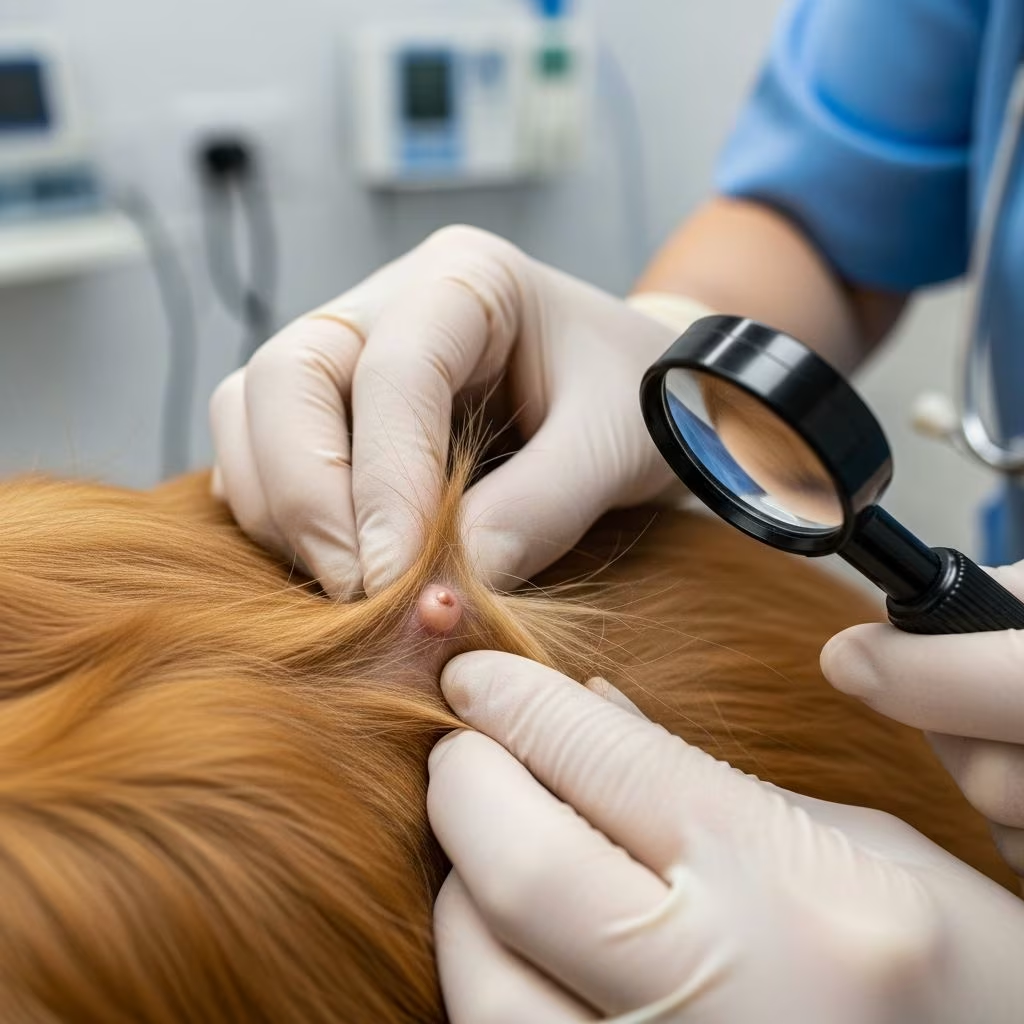
What Are Cysts in Pets?
Cysts are hollow spaces within tissues that contain either liquid or solidified material. These structures are relatively common findings in both dogs and cats, and they can develop in various locations throughout the body. Understanding the nature of cysts is essential for pet owners to make informed decisions about their pet’s health and treatment options.
Cysts vary significantly in their composition, origin, and clinical significance. Some cysts are benign and require no intervention, while others may necessitate treatment to prevent complications or discomfort. The key to managing cysts effectively lies in proper diagnosis and understanding the underlying cause of their formation.
Types of Cysts in Pets
True Cysts
True cysts have a secretory lining, which is a membrane that lines the inner surface and produces secretions. These cysts often form in glands, particularly in sweat glands, as a result of blocked ducts. True cysts are especially common in dogs and cats, particularly on the eyelids, where they can cause discomfort or cosmetic concerns.
The primary characteristic of true cysts is their ability to recur if the secretory lining is not completely removed or destroyed. This means that incomplete treatment may lead to cyst reformation, requiring more aggressive intervention to achieve lasting results. Complete removal or destruction of the lining may be necessary to prevent recurrence of a true cyst.
Follicular Cysts
Follicular cysts develop from hair follicles and are among the most common types encountered in veterinary practice. These cysts form when hair follicles become obstructed or inflamed, leading to the accumulation of material within the follicle. Multiple small follicular cysts may respond to medical and topical treatment approaches.
How Are Cysts Diagnosed?
Proper diagnosis of cysts is crucial for determining the appropriate treatment plan and ruling out more serious conditions. While your veterinarian may initially suspect a cyst based on clinical examination, a definitive diagnosis requires specific diagnostic procedures.
Biopsy and Histopathology
The most reliable method for diagnosing cysts involves obtaining a tissue sample through surgical excision. A biopsy is a surgical procedure in which a piece of, or the entire cyst is removed for examination. The biopsy specimen is then examined by a veterinary pathologist under a microscope in a process called histopathology.
Histopathology provides several important benefits beyond confirming a cyst diagnosis. This examination allows the pathologist to assess whether the entire cyst was successfully removed during the initial procedure, which is critical information for predicting the likelihood of recurrence. Additionally, histopathology can help determine the cause of the cyst and rule out other diseases, including malignant conditions such as cancer.
Other Diagnostic Methods
Depending on the location and nature of the cyst, veterinarians may recommend imaging studies such as ultrasound or radiographs to evaluate the cyst’s size, location, and characteristics. For cysts in internal organs, ultrasound is particularly valuable for identifying and monitoring the condition without surgical intervention.
What Causes Cysts to Form?
The causes of cyst formation vary depending on the type and location of the cyst. Understanding these underlying causes is essential for both treatment and prevention of recurrence:
Blocked Ducts: When ducts of glands become obstructed, material accumulates within the gland, leading to cyst formation. This is particularly common in sweat glands and sebaceous glands.
Hair Follicle Inflammation: Irritation or inflammation of hair follicles can lead to follicular cyst development, particularly in areas subject to friction or trauma.
Trauma: Direct injury to tissues can result in cyst formation as the body attempts to wall off damaged material.
Genetic Predisposition: Certain breeds, particularly hairless breeds, have a genetic tendency to develop cysts as a breed characteristic, which means there will always be a tendency for further cysts to develop.
What Types of Treatments Are Available?
Treatment options for cysts depend on the cyst type, location, underlying cause, and clinical signs your pet is experiencing. A comprehensive treatment approach addresses both the cyst itself and any underlying conditions contributing to its formation.
Surgical Removal
The most common and definitive treatment for cysts is surgical removal. Surgical excision removes the entire cyst structure, including the lining that produces secretions. Depending on the location and accessibility of the cyst, surgery can often be performed under sedation with local anesthesia, making it a relatively straightforward procedure for most cases.
Laser Treatment
When available, laser treatment is particularly useful for sweat gland cysts. Laser therapy can effectively destroy the secretory lining of the cyst, reducing the likelihood of recurrence while minimizing tissue trauma compared to traditional surgical excision.
Medical Treatment
Medical or topical treatment may be helpful for managing multiple small follicular cysts. Topical medications, including steroid ointments and antimicrobial solutions, can help reduce inflammation and prevent secondary infections. Systemic medications may also be recommended depending on the underlying cause.
Addressing Underlying Causes
Treating the primary or underlying cause of cysts is essential for long-term success. If the underlying cause is removed or managed, some cysts will shrink or disappear without requiring direct intervention. For example, cysts due to trauma may resolve in time once the traumatic stimulus is eliminated.
Prognosis and Expected Outcomes
The prognosis for pets with cysts is generally favorable, particularly when the underlying cause is identified and managed appropriately. Depending on the cause, excision often leads to a complete cure with minimal risk of recurrence.
If your pet develops recurrent or multiple cysts, a diagnostic investigation may be necessary to determine the underlying cause. This thorough approach helps identify any systemic or local factors contributing to repeated cyst formation, allowing for more targeted treatment strategies.
In cases where cysts are a characteristic of the breed, such as with hairless breeds, there will always be a tendency for further cysts to develop. Pet owners should be prepared for ongoing management and monitoring in these cases.
Special Care for Pets with Cysts
Proper home care is an important aspect of managing cysts and preventing complications. It is important to prevent your pet from rubbing, scratching, licking, or biting the cyst or cysts, all of which can cause inflammation, infection, and bleeding. The constant trauma from licking and scratching can rupture the cyst and introduce bacteria, leading to secondary infections.
Managing Ruptured Cysts
If the cyst ulcerates or opens, it will need to be kept clean and your pet may require a protective bandage over the area until it heals. Basic care for a ruptured cyst includes:
– Trimming hair away from the affected area
– Washing the area gently with weak saltwater solution
– Monitoring for signs of infection, such as smelly yellow-green discharge
– Keeping the area protected from further trauma
Preventing Complications
To minimize complications and discomfort, consider using protective collars (Elizabethan collars) if your pet cannot resist licking or chewing at the cyst. Additionally, ensure that collars, harnesses, and brushing do not irritate or damage the cyst, as this can lead to rupture and infection.
Frequently Asked Questions About Pet Cysts
Q: Are cysts dangerous for my pet?
A: Most cysts are benign and not immediately dangerous. However, they can become problematic if infected, ruptured, or if they interfere with normal body functions or your pet’s comfort. Any new lump should be evaluated by a veterinarian.
Q: Can cysts go away on their own?
A: Some cysts, particularly those caused by trauma, may resolve on their own over time. However, true cysts with secretory linings typically require treatment to prevent recurrence, as the lining will continue producing material even if the cyst ruptures.
Q: Does my pet need surgery to remove a cyst?
A: Not all cysts require surgery. The need for surgical intervention depends on the cyst type, location, whether it causes discomfort, and if it’s interfering with normal function. Your veterinarian can recommend the best approach for your pet’s specific situation.
Q: What should I do if I notice a new lump on my pet?
A: Schedule an appointment with your veterinarian as soon as possible. While many lumps are benign cysts, a professional evaluation is necessary to rule out more serious conditions and determine the appropriate management plan.
Q: How can I prevent cysts from developing?
A: Prevention depends on the cyst type and underlying cause. Maintaining good hygiene, preventing injuries, managing allergies, controlling weight, and addressing arthritis or other chronic conditions can help reduce the risk of cyst formation in susceptible pets.
Q: What is histopathology and why is it important?
A: Histopathology is the microscopic examination of tissue samples by a veterinary pathologist. It provides a definitive diagnosis, assesses whether the entire cyst was removed, identifies the underlying cause, and rules out serious conditions like cancer.
Q: How long does it take for a cyst to heal after surgery?
A: Most surgical sites heal within 7-14 days, though complete healing and tissue remodeling may take several weeks. Your veterinarian will provide specific aftercare instructions and may recommend suture removal at 10-14 days post-surgery.
Q: Can cysts recur after removal?
A: True cysts with intact secretory linings may recur if the lining is not completely removed or destroyed during initial treatment. This is why complete surgical excision or laser destruction of the cyst lining is important for preventing recurrence.
References
- Cysts in Pets: Understanding and Treatment — VCA Animal Hospitals. 2025. https://vcahospitals.com/know-your-pet/cysts
- Interdigital Cysts in Dogs: Causes and Management — VCA Animal Hospitals. 2025. https://vcahospitals.com/know-your-pet/interdigital-cysts-in-dogs
- Prevalence, Diagnosis, and Treatment of Ovarian Cysts in Bitches — National Center for Biotechnology Information (NCBI). 2024. https://pmc.ncbi.nlm.nih.gov/articles/PMC12524226/
- Dentigerous/Odontogenic Cysts in Dogs — VCA Animal Hospitals. 2025. https://vcahospitals.com/know-your-pet/dentigerousodontogenic-cysts-in-dogs
- Skin Cysts in Dogs: Everything You Need to Know — Petful. 2025. https://www.petful.com/pet-health/skin-cysts-dogs/



