
Understanding Pet Bird Behavior: A Guide to Happy Feathered Companions
Master parrot and pet bird behavior: Learn about vocalization, bonding, aggression, and enrichment needs.
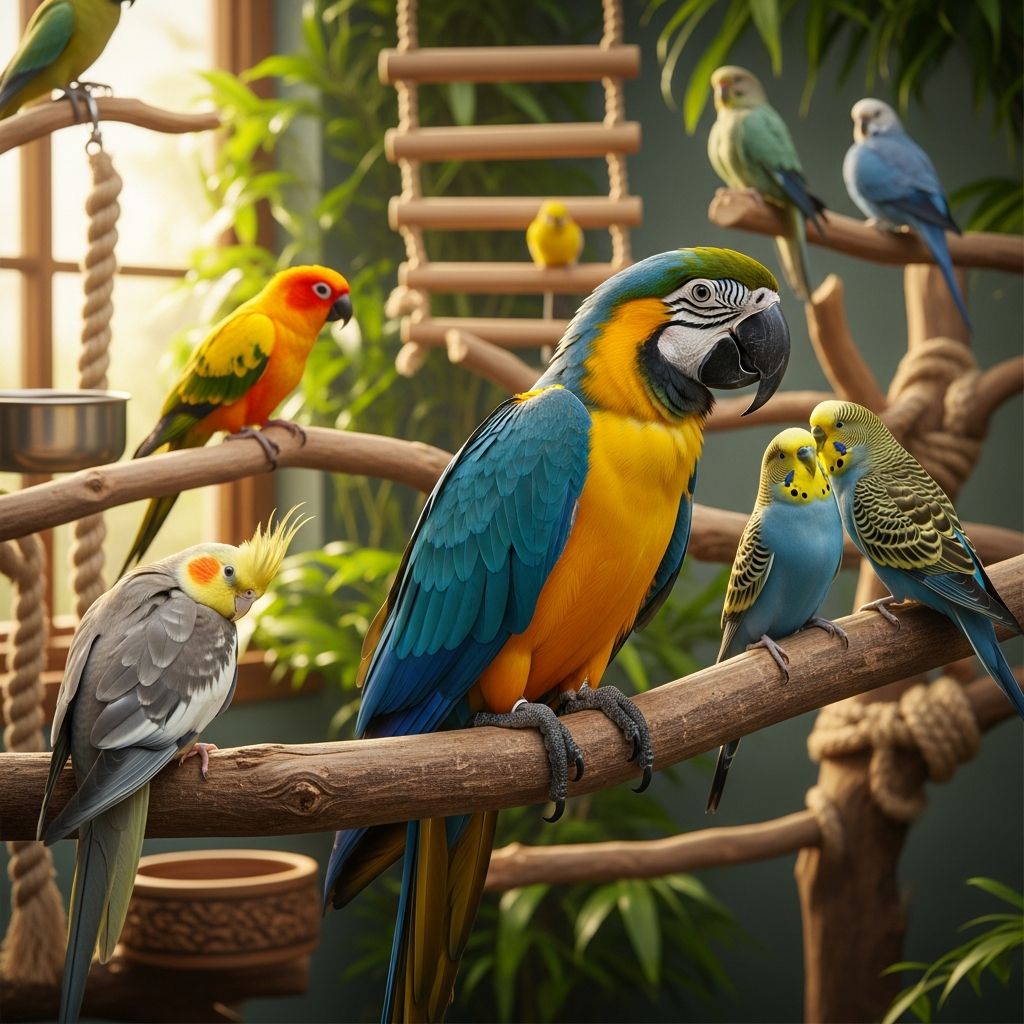
Pet birds are far more than simple ornamental additions to a household. They are thinking, feeling beings with complex emotional and social needs that require careful attention and understanding. Unlike many other pets, birds are incredibly sensitive to their environment, the mood changes of their owners, and the dynamics of their household. When you bring a bird into your home, you’re not just acquiring a pet—you’re forming a relationship with an intelligent creature that requires commitment, patience, and a genuine understanding of their behavioral patterns.
The key to having a harmonious relationship with your feathered companion lies in understanding what drives their behavior. Whether your bird is screaming, biting, displaying affection, or engaging in seemingly unusual activities, there is always a reason behind these actions. By learning to recognize and interpret bird behavior, you can create an environment where your bird truly thrives.
Birds Are Thinking and Feeling Beings
One of the most important concepts to grasp when living with a pet bird is that these animals possess genuine emotions and cognitive abilities. Birds can sense the emotional atmosphere in their home and pick up on subtle changes in mood and energy. They have the capacity to feel stress, anxiety, joy, and even frustration. This emotional sensitivity means that your bird’s well-being is directly connected to how you treat them and the care you provide.
Most wild parrots mate for life and spend the majority of their lives with a partner or in family groups. This natural inclination means that companion parrots are essentially programmed to seek out company and physical attention from their human caregivers. They are not content to be ignored or left alone for extended periods. Research from institutions like the University of Guelph has shown that companion parrots need engaging activities and enrichment opportunities to maintain their psychological well-being. Without proper attention and mental stimulation, birds can develop serious behavioral and psychological problems.
Vocalization: Screaming, Calling, and Communication
Understanding Why Birds Vocalize
Vocalization is one of the most distinctive and sometimes challenging aspects of bird behavior. Birds vocalize for numerous reasons, including contact calls, territorial announcements, alarm signals, and to seek attention from their flock members or human caregivers. Contact calling is a natural behavior where birds call to locate each other and confirm that both parties are safe. Your bird may want to participate in “contact calling” with you, which is actually a healthy and bonding behavior.
Managing Excessive Screaming
Many bird owners struggle with excessive screaming and vocalization. A critical insight into managing this behavior is understanding that birds quickly learn associations between their actions and human responses. When a bird screams and their owner immediately comes running to quiet them, the bird has learned an effective strategy for getting attention. To break this cycle, it’s important to notice and reward quiet moments instead of responding to screaming episodes. Give your bird attention, interaction, and positive reinforcement during calm, quiet periods rather than rushing to respond when they are vocalizing loudly.
This approach requires patience and consistency from the owner, but it fundamentally changes the bird’s understanding of which behaviors actually earn them the attention they crave. Over time, birds learn that quiet behavior is more rewarding than screaming, and the excessive vocalization typically decreases.
Talking and Whistling
Many parrot species have the remarkable ability to mimic human speech and some can even learn to understand what they are saying and use words in appropriate contexts. The ability to talk is not something that can be forced or taught through training techniques. Rather, a bird will either have the inclination and ability to talk, or it won’t. Some individuals from talking species may never develop this skill, while others become quite proficient. This variation in ability is simply part of individual personality and cognitive differences among birds.
Social Bonding and Preening Behavior
Allopreening: A Sign of Social Connection
In the wild, paired birds and those living in family flocks engage in a behavior called allopreening, where they preen one another. This activity serves dual purposes: it helps keep the birds’ feathers clean and in good condition, but more importantly, it reinforces social bonds and demonstrates trust and affection within the group. Your pet bird may initiate allopreening with you, which is a sign of their comfort with you and their desire to strengthen your bond.
Aggression: Understanding and Managing Biting Behavior
Identifying the Root Causes of Aggression
Aggression in pet birds always has an underlying cause. A bird may bite due to fear, territorial protection, hormonal influences, lack of socialization, or displeasure with how it’s being handled. Some birds simply don’t like to be touched in certain ways, while others might be acting out of jealousy or frustration. The key to addressing aggressive behavior is identifying what triggers it and then eliminating or managing that trigger appropriately.
Fear Biting
One form of aggression that deserves special consideration is fear biting. When a bird bites out of fear—even if that fear seems unfounded to us—it’s important to approach the situation with compassion. Rather than punishing the bird for biting, focus on reducing the source of fear and helping the bird feel secure in their environment. This might involve gradual desensitization to the feared object or situation, using positive reinforcement, and allowing the bird to set the pace for interactions.
Preventing and Managing Bites
Prevention is always easier than correction when it comes to biting behavior. Learning to “read” your bird’s body language allows you to assess situations and remove yourself from a potential bite before it happens. Birds often give warning signs before biting, such as dilated pupils, raised feathers, or backing away. By recognizing these signals, you can de-escalate the situation. Additionally, avoid making a big fuss or creating drama when a bite does occur, as birds that love drama may find the attention reinforcing and repeat the behavior. Instead, calmly address the situation and move on.
Hormonal Behavior and Reproductive Cycles
Understanding Hormonal Changes
Pet birds exhibit a range of behaviors that are directly influenced by reproductive hormones. These hormonal behaviors can range from endearing to problematic and may include intense bonding with one person, constant egg-laying, obsessive paper shredding, seeking out dark spaces that resemble nests, loud vocalizations, and territorial or aggressive behavior. Some of these behaviors may appear seasonally and have minimal impact on the bird’s health, while others can develop into year-round problems that significantly affect the bird’s physical and psychological well-being.
Egg Laying in Female Birds
Female birds (hens) can lay eggs with or without a mate present. This is completely normal behavior and generally does not require intervention unless the hen is laying excessively and spending too much time tending to eggs that will never hatch, which can lead to health issues and neglect of their own nutrition and welfare.
Managing Hormonal Behavior
When your bird is in a hormonal phase, it’s crucial to avoid handling them in ways that could be misinterpreted as mating behavior. This includes petting the bird along the back or encouraging regurgitation behavior, as these actions can intensify hormonal responses and potentially lead to aggression. Remove any items from the cage that the bird might perceive as a nest, including all huts, boxes, and dark spaces. Don’t encourage nest-building behavior, as birds that are actively nesting become protective and aggressive in defense of their nest.
Enrichment and Playtime: Essential for Well-Being
The Importance of Out-of-Cage Time
While small birds like finches and canaries can thrive in large cages, even the smallest parrot species appreciate and require time outside their cage every single day. Cage-bound birds often become unhappy and can develop serious behavioral problems, a condition sometimes referred to as “cageosis.” Birds suffering from cageosis may pace along their perch, swing their head side to side, bob their head rhythmically, scream excessively, engage in feather plucking, or display other neurotic behaviors.
A study involving nearly 1,400 pet parrots from approximately 50 different species demonstrated that abnormal behaviors such as biting cage bars, pacing, and feather-pulling are significantly reduced when birds have adequate foraging opportunities and enrichment activities. The research clearly supports what avian experts have long advocated: enrichment is not a luxury but an essential component of companion parrot well-being.
Creating Effective Play Areas
Setting up play areas outside the cage is an excellent way to provide enrichment and mental stimulation. If your bird doesn’t naturally stay on the play area, try relocating it to different spots until you find a location where the bird feels comfortable. If your bird tends to follow you around, consider placing play areas in multiple rooms throughout your home. Fill these play spaces with toys, shredding materials, and access to food and water.
There is no specific time “rule” for how long your bird should spend outside the cage. The general principle is that the more time you can constructively occupy your bird, the better their overall quality of life will be. Therefore, rather than setting arbitrary limits on playtime, aim to maximize the enrichment opportunities available to your feathered companion.
Building a Stronger Bond with Your Pet Bird
The foundation of a healthy relationship with your bird is consistent daily interaction and reassurance. Take time each day to spend with your bird and actively demonstrate that your relationship is strong and secure. Remember that most wild parrots mate for life and don’t spend significant time alone, so your companion bird is naturally inclined to seek out your company and physical affection.
When you live with a bird, you must prioritize the bird’s needs and ensure they have everything required to thrive. While birds can be physically fragile, they are also emotionally fragile and require protection from neglect, poor treatment, and prolonged isolation. Birds are incredibly adaptable creatures, but they don’t flourish when ignored or treated poorly. By understanding your bird’s behavior and responding appropriately to their needs, you create an environment where both you and your feathered friend can enjoy a fulfilling, lasting relationship.
Frequently Asked Questions About Pet Bird Behavior
Q: Why does my bird scream so much?
A: Birds scream for various reasons including seeking attention, territorial communication, or responding to perceived threats. Often, birds learn that screaming gets your attention. Instead of responding to screaming, reward quiet behavior by providing attention during calm moments. This helps redirect their attention-seeking to more desirable behaviors.
Q: Can my bird learn to talk?
A: Many parrots have the natural ability to mimic human speech, and some can even understand and use words in context. However, talking ability cannot be forced or taught through training. If your bird has the inclination and cognitive ability, they may develop talking skills over time, but this varies greatly between individual birds.
Q: How often should my bird be out of the cage?
A: There is no specific time limit—the principle is that the more time you can positively occupy your bird outside the cage, the better. Daily out-of-cage time is essential for all parrots to prevent behavioral problems and maintain psychological well-being. Cage-bound birds are prone to developing neurotic behaviors.
Q: Why does my bird bite me?
A: Biting always has a cause, which may include fear, territorial protection, hormonal changes, dislike of certain handling methods, or learned behavior. Learning to read your bird’s body language helps you recognize warning signs and remove yourself from biting situations before they occur.
Q: What does allopreening mean?
A: Allopreening is when birds preen each other, reinforcing social bonds and demonstrating trust. If your pet bird initiates allopreening with you, it’s a sign of comfort and affection in your relationship.
Q: How do I know if my bird is hormonal?
A: Hormonal birds may display intense bonding with one person, excessive egg-laying, obsessive paper shredding, seeking dark enclosed spaces, loud vocalizations, territoriality, or aggression. If you notice these behaviors, avoid petting along the back, remove nest-like structures, and consult with an avian veterinarian.
References
- Pet Bird and Parrot Behavior – Pet Birds by Lafeber Co. — Lafeber Company. Accessed 2025. https://lafeber.com/pet-birds/bird-behavior/
- Companion Parrots Need Busy Work To Thrive — Lafeber Company. Accessed 2025. https://lafeber.com/pet-birds/avian-expert-articles/
- Hormonal Behavior in Pet Birds – Introduction — For The Birds DVM. Accessed 2025. https://www.forthebirdsdvm.com/pages/hormonal-behavior-in-pet-birds-pt-1
- Pet Bird Behavior Articles – Parrots & Pet Birds — Lafeber Company. Accessed 2025. https://lafeber.com/pet-birds/category/behavior/
- The Grey Way 30: Hormones – Behavior & Prevention — Lafeber Pet Birds Webinar Series. Accessed 2025. https://www.youtube.com/watch?v=IN2Hozjc3zY
Similar Articles








Read full bio of medha deb


