

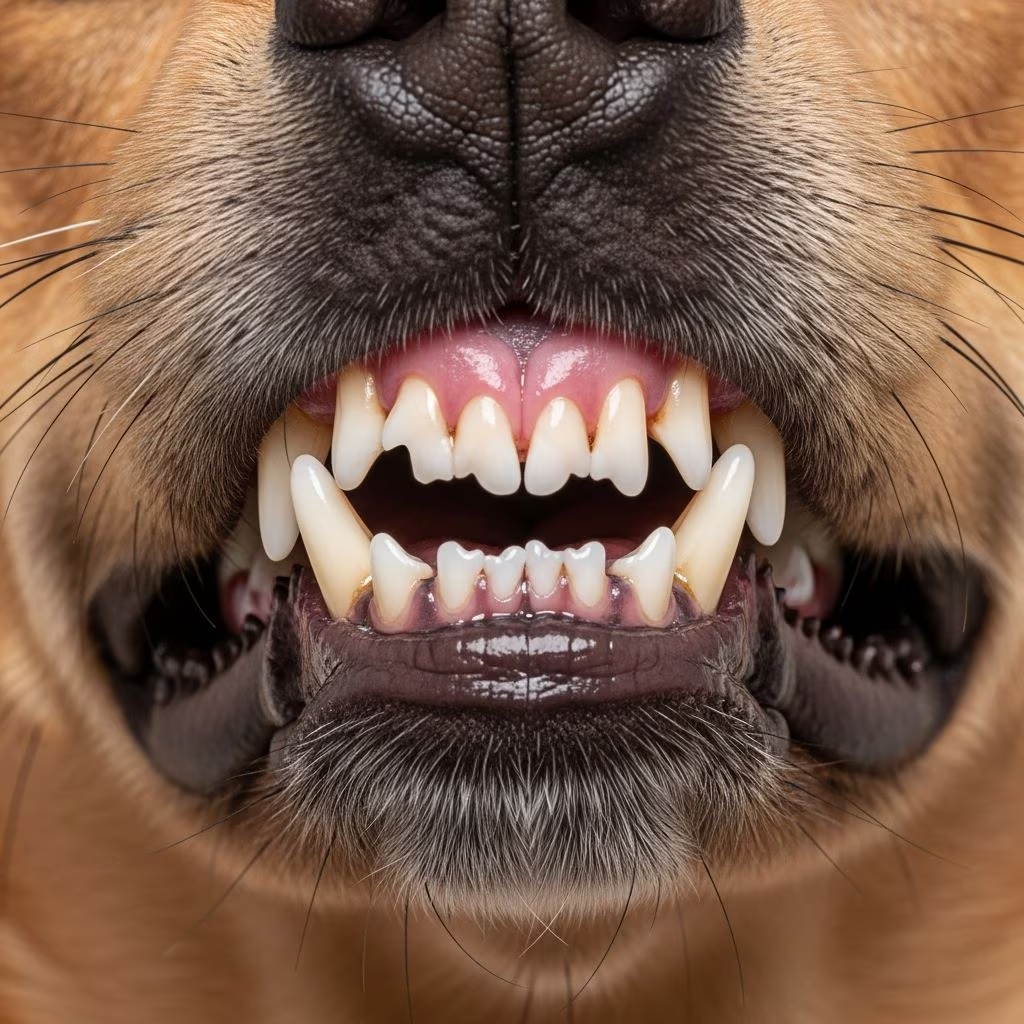
A dog’s smile may seem endearing, but crooked or misaligned teeth—medically known as malocclusion—can indicate underlying health concerns that extend beyond cosmetic imperfection. Unlike human orthodontics, which often prioritizes appearance, veterinary dentistry addresses malocclusions primarily when they cause pain, difficulty eating, or oral tissue damage. Understanding why your dog’s teeth might not align properly can help you recognize when professional dental intervention becomes necessary.
What Exactly Is Malocclusion?
Malocclusion refers to any misalignment between a dog’s upper and lower teeth, or improper positioning of individual teeth within the dental arch. The condition occurs when teeth do not meet in their correct relationship, which can compromise chewing efficiency and lead to chronic discomfort. Veterinarians classify malocclusions into two primary categories based on their underlying cause: those resulting from jaw structure abnormalities and those involving individual tooth positioning problems.
While a dog with slightly crooked teeth may function perfectly well, certain malocclusions create genuine health complications that warrant professional attention. The distinction between cosmetic concerns and functional problems guides veterinary treatment decisions.
Primary Factors Contributing to Crooked Teeth
Genetic Inheritance and Breed Predisposition
The most significant factor influencing whether a dog develops misaligned teeth is heredity. Certain dog breeds have inherited tendencies toward specific malocclusion patterns due to their distinctive facial structures. Brachycephalic breeds—those with shortened muzzles like Bulldogs, Pugs, and Shih Tzus—frequently exhibit underbites where the lower jaw extends beyond the upper jaw.
Conversely, dolichocephalic breeds with elongated muzzles may develop different alignment patterns. German Shepherds, for example, occasionally experience overbites despite the breed not being predisposed overall. Understanding your dog’s breed tendencies can help you anticipate potential dental issues and seek preventative care when appropriate.
Retained Baby Teeth
One of the most common preventable causes of misaligned teeth involves retained deciduous (baby) teeth that fail to shed when permanent teeth erupt. Normally, baby teeth loosen and fall out, making room for adult teeth to assume their correct positions. When deciduous teeth persist, they physically obstruct permanent tooth eruption, forcing emerging teeth into abnormal positions.
This situation frequently affects canine teeth, which erupt mesially—toward the front—relative to their baby tooth predecessors. Timely extraction of retained deciduous teeth can prevent permanent tooth displacement and the subsequent malocclusion complications. Veterinarians often identify retained baby teeth during routine puppy examinations, making preventative extraction possible before permanent teeth suffer displacement.
Traumatic Injuries and Developmental Issues
Accidents involving the mouth or jaw can result in acquired malocclusions. Trauma during the critical growth period when permanent teeth are developing may disrupt eruption patterns or damage tooth buds, leading to misalignment. Additionally, developmental anomalies—congenital conditions affecting tooth or jaw formation—can contribute to malocclusion in some dogs.
Classification System for Canine Malocclusions
Class I Malocclusion: Individual Tooth Positioning Problems
Class I malocclusions occur when upper and lower jaw lengths are normal, but one or more teeth have erupted in incorrect positions. These dental malocclusions involve crowding, rotation, or misalignment of individual teeth while jaw structures remain properly proportioned.
Base-narrow canines represent one common Class I presentation. In this condition, the lower canine teeth angle sharply inward and contact the roof of the mouth rather than fitting properly between the upper canines and incisors. This abnormal contact creates chronic pain, tissue ulceration, and progressive oral trauma that can compromise the palatal structures over time if left untreated.
Mesioverted canines—typically affecting the upper canine teeth—represent another Class I variant where teeth point excessively forward. This configuration may prevent the mouth from closing completely and frequently occurs as an inherited trait in certain breeds like Shelties.
Crossbite conditions involve improper incisor alignment. In rostral crossbites, one or more lower incisors erupt in front of upper incisors when the mouth closes, disrupting normal bite mechanics and potentially leading to periodontal disease. These misalignments frequently cause tooth-to-tooth trauma and bone loss around affected teeth.
Class II Malocclusion: Overbite Conditions
Class II malocclusions, commonly called overbites or distoclusions, result from skeletal structural issues rather than individual tooth positioning. The mandible (lower jaw) is proportionally shorter than the maxilla (upper jaw), causing lower teeth to sit too far behind upper teeth.
This jaw length discrepancy frequently causes lower canine and incisor teeth to contact the palatal tissues—the roof of the mouth—creating indentations and chronic pain. Small-breed dogs such as Pomeranians and Shih Tzus commonly experience this malocclusion type. Early intervention during puppyhood, when extracting deciduous teeth can provide growth space for the developing mandible, sometimes prevents or minimizes severity in affected dogs.
Class III Malocclusion: Underbite Patterns
Underbites occur when the mandible extends forward beyond the maxilla in what veterinarians term Class III or mesiocclusion. This skeletal configuration is intentionally bred into certain brachycephalic breeds like Bulldogs, Boxers, and Pugs, where underbites are considered breed standard features.
While some underbites represent normal breed characteristics requiring no intervention, severe cases can cause functional difficulties or dental trauma. The key distinction involves whether the misalignment causes pain, compromises eating ability, or damages oral tissues.
Class IV Malocclusion: Asymmetrical Jaw Development
Class IV malocclusions result from asymmetrical development where the mandible or maxilla deviates laterally, creating unilateral (one-sided) misalignment. This condition produces wry bite patterns where the bite closes at an angle rather than vertically aligned. Maxillomandibular asymmetry can also present as side-to-side malalignment or front-to-back length disparities between jaw halves.
Health Consequences of Untreated Malocclusions
Crooked teeth create consequences extending far beyond aesthetic concerns. Certain malocclusions directly compromise your dog’s quality of life through multiple mechanisms:
- Chronic pain and discomfort: Teeth contacting soft tissues, bones, or other teeth constantly create low-grade pain that accumulates over time, potentially affecting your dog’s mood, eating habits, and overall behavior
- Eating difficulties: Misaligned teeth compromise chewing efficiency, forcing dogs to swallow food less thoroughly or preferentially eat softer foods, reducing nutritional variety
- Gum disease acceleration: Crowded or misaligned teeth trap food debris, bacteria, and plaque in areas that normal brushing cannot reach, dramatically increasing periodontal disease risk
- Tissue damage: Base-narrow canines and other severe misalignments create ulcerated lesions in palatal and gingival tissues. Prolonged trauma can eventually penetrate into nasal sinuses, causing secondary infections
- Tooth mobility and loss: Chronic traumatic contact weakens tooth support structures, potentially leading to loose teeth and premature tooth loss in affected dogs
- Uneven wear patterns: Misaligned teeth wear unevenly, exposing underlying dentin and potentially pulp chambers and increasing sensitivity and decay risk
Treatment Options and Management Strategies
Treatment decisions depend on malocclusion severity, whether functional or pain-related issues exist, and the dog’s age. Veterinary dentists employ several intervention strategies:
Preventative Early Intervention
The most effective approach involves identifying potential problems during puppyhood. Extracting retained deciduous teeth before permanent teeth fully erupt can prevent many acquired malocclusions. Additionally, early intervention in overbite cases by extracting lower deciduous canines can sometimes provide space for the mandible to develop more normally.
Tooth Extraction
For malocclusions causing pain or oral trauma, extracting the offending tooth often provides the most practical solution. Veterinary dentists may remove individual misaligned teeth or extract groups of teeth if multiple teeth contribute to the problem. While extraction seems drastic, dogs function exceptionally well with missing teeth and often experience dramatic pain relief following removal.
Orthodontic Devices
Some malocclusions respond to gradual tooth movement using fixed or removable orthodontic appliances. These devices work by applying gentle, consistent pressure to shift teeth into more appropriate positions over weeks or months. Orthodontic treatment requires significant owner commitment to maintaining devices and attending frequent veterinary appointments.
Crown Reduction and Restoration
For some cases, veterinary dentists can reduce crown height on specific teeth or apply restorations to redirect bite forces and reduce traumatic contact. These interventions preserve tooth structure while minimizing pain and tissue damage.
Frequently Asked Questions About Canine Malocclusion
Does my dog’s crooked smile indicate a serious problem?
Not necessarily. Mild misalignments without pain or functional consequences may never require treatment. Only malocclusions causing pain, eating difficulty, or oral tissue damage warrant intervention. Many dogs live their entire lives with slightly crooked teeth without experiencing problems.
Can I prevent my puppy from developing crooked teeth?
You cannot prevent genetic malocclusions, but you can support normal development by ensuring timely extraction of retained baby teeth. Feed appropriate puppy-formulated diets and avoid activities causing mouth trauma during the critical eruption period. Genetic predisposition remains the strongest influence, however.
Will my dog experience pain from misaligned teeth?
Pain depends entirely on malocclusion type and severity. Teeth contacting soft tissues or other teeth typically cause chronic pain, while mild misalignments may cause no discomfort. Watch for signs including reluctance to eat hard foods, excessive drooling, or behavioral changes that might indicate oral pain.
Is extraction the only treatment option?
No. Orthodontic devices, crown reduction, restorations, and early preventative interventions offer alternatives in appropriate cases. Discuss options with a veterinary dentist who can assess your specific dog’s situation and recommend the most suitable approach.
When to Consult a Veterinary Dentist
Schedule a dental consultation if you notice your dog experiencing difficulty eating, has a visibly misaligned bite, exhibits signs of oral pain, or if retained baby teeth remain beyond the normal shedding timeline. Veterinary dentists possess specialized training and equipment for diagnosing and treating complex malocclusions that general practitioners may not fully address.
Regular dental examinations, starting in puppyhood and continuing throughout your dog’s life, help identify emerging problems before they progress. Early detection often enables preventative intervention that avoids more complicated treatment later.
The Takeaway
Crooked teeth in dogs result from complex interactions between genetics, breed characteristics, retained deciduous teeth, and developmental factors. While cosmetically imperfect teeth may seem like a minor issue, certain malocclusions significantly impact your dog’s oral health and comfort. Understanding the different types of misalignments and their potential consequences empowers you to recognize when professional intervention becomes necessary. With proper veterinary care—whether through early prevention, orthodontic treatment, or extraction—most dogs with malocclusions can achieve pain-free, functional bites and maintain excellent quality of life.
References
- Pet Malocclusion Treatment: A Guide for Pet Owners — Animal Dental Specialists. https://animaldentalspecialists.com/pet-malocclusion-treatment/
- Dog Orthodontics (Malocclusions) — Pet Health Network. https://www.pethealthnetwork.com/dog-health/dog-diseases-conditions-a-z/dog-orthodontics-malocclusions
- Common Veterinary Dental Problems: Malocclusions — Mainely Vet Dentistry. https://mainelyvetdentistry.com/common-veterinary-dental-problems-malocclusions/
- Dog Malocclusion Treatment: A Veterinary Guide — Dr. Brett Beckman, Veterinary Dentistry. https://veterinarydentistry.net/dog-malocclusion-canine-tooth-extraction/
- Malocclusions in Dogs — Rabun County Vet. https://www.rabunanimalhospital.com/site/blog/2023/06/22/malocclusions-dogs
- Overbites and Underbites in Pets: How Misaligned Teeth Affect Your Pet’s Health and Comfort — Cobb Veterinary Hospital. https://cobb.vet/overbites-and-underbites-in-pets-how-misaligned-teeth-affect-your-pets-health-and-comfort/



