

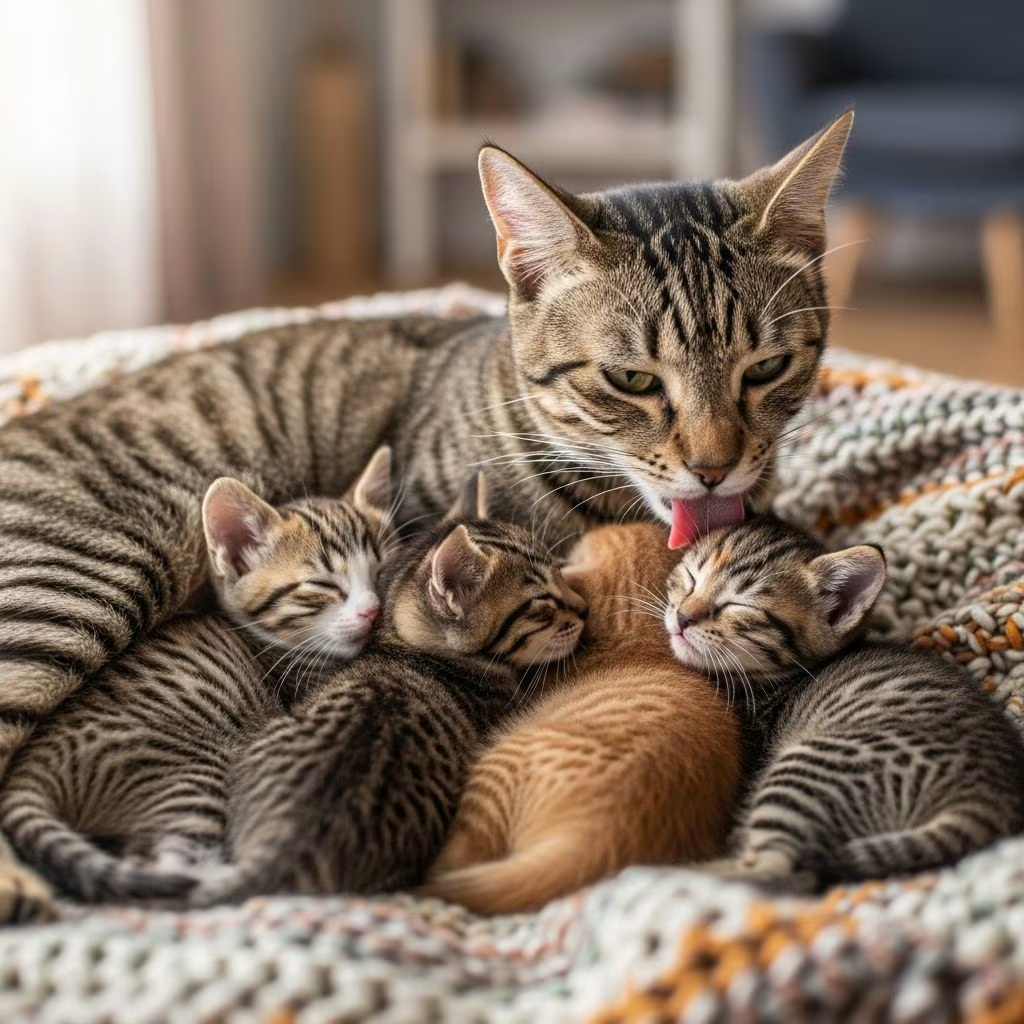
Mother cats, scientifically referred to as queens, display a fascinating array of parenting behaviors that stem from both biological programming and environmental influences. While many cats demonstrate nurturing, attentive motherhood, some exhibit behaviors that can alarm or confuse cat owners. Understanding these maternal behaviors requires examining the interconnected factors that influence how queens interact with their litters. This exploration reveals that feline parenting is far more complex than simple instinct, involving genetic predispositions, health status, environmental conditions, and stress responses.
Genetic Programming and Feline Maternal Tendencies
Certain mother cats may possess inherent genetic traits that predispose them toward specific parenting approaches. Research into feline genetics suggests that some queens carry hereditary factors that influence their maternal responsiveness and behavioral patterns during nursing periods. These genetic predispositions are not indicators of poor parenting ability but rather natural variations within the feline population. Just as humans display different parenting styles influenced by genetic factors, cats similarly express individual temperaments rooted in their genetic composition.
Understanding that these tendencies may be hardwired helps cat owners approach their queens with realistic expectations. A cat with a genetic predisposition toward more reserved parenting is not a defective mother—she is simply expressing her natural behavioral programming. This recognition allows owners to provide appropriate support without judgment.
Age and Experience: The First-Time Mother Factor
The age and breeding experience of a mother cat significantly influences her confidence and competence in caring for kittens. First-time mothers, particularly younger queens, often experience elevated anxiety and stress surrounding their newfound responsibilities. This inexperience creates vulnerability to environmental stressors that experienced mothers might easily navigate. Cats accustomed to multiple pregnancies and the natural rhythms of raising successive litters typically demonstrate greater emotional resilience and parenting stability.
First-time mothers may exhibit heightened protective behaviors or become easily overwhelmed by perceived threats to their nesting area. This heightened reactivity reflects their unfamiliarity with the demands of motherhood rather than inherent parenting deficiency. Providing extra environmental support and minimizing disturbances becomes particularly important for these inexperienced mothers.
Identifying and Responding to Kitten Health Challenges
Mother cats possess remarkable sensory abilities that enable them to detect health problems invisible to human observers. A queen can intuitively recognize when a kitten has been born with congenital abnormalities or developmental deficiencies that compromise its viability. These health challenges might include genetic conditions, structural malformations, or metabolic disorders that would prevent the kitten from surviving to independence.
Rather than viewing such situations through an emotional lens, it’s important to understand the evolutionary logic underlying a mother cat’s response. When a queen recognizes a kitten’s poor health prospects, she may make calculated decisions about resource allocation. Her instinctive priority shifts toward maximizing the survival chances of healthy siblings rather than investing continued care in a kitten destined to expire.
In many cases, a caring mother cat will separate a sickly kitten from the litter, reducing her nursing attention to focus on healthier offspring. This behavior, while appearing harsh, represents an adaptive strategy refined through evolutionary pressures. It ensures that limited maternal resources—nutritional reserves, milk production, and emotional energy—benefit the kittens most likely to survive.
Environmental Stress and Maternal Response Patterns
The environment surrounding a nursing mother cat profoundly affects her psychological state and parenting effectiveness. Queens instinctively seek secure, quiet spaces where they can nurture their litters without perceived threats. Environmental stressors disrupt this sense of security, triggering defensive responses that can escalate into problematic behaviors.
Common environmental stressors that affect maternal behavior include:
- Excessive human interaction or intrusive handling of kittens
- Presence of unfamiliar pets or animals near the nesting area
- Sudden loud noises or household disruptions
- Inadequate privacy or unsecured nesting spaces
- Temperature fluctuations or uncomfortable environmental conditions
- Overcrowding or insufficient space for comfortable nesting
When a mother cat perceives her environment as unsafe or threatening, her stress response system activates. In extreme cases, this chronic stress can trigger counterintuitive behaviors as the queen attempts to recoup her investment in offspring she perceives as vulnerable to danger. This response reflects the cat’s assessment that maintaining the litter in an unsafe environment carries unacceptable risk.
First-time mothers demonstrate particular sensitivity to environmental stressors, as they lack experience distinguishing between genuine threats and benign situations. These inexperienced queens may overreact to normal household activities, requiring extra reassurance and environmental modifications.
Nutritional Status and Maternal Decision-Making
A mother cat’s physical condition directly impacts her capacity to sustain a nursing litter. Severe malnutrition compromises the queen’s ability to produce adequate milk and maintain her own health while supporting growing kittens. When faced with insufficient nutritional resources, mother cats undergo physiological and psychological recalibrations that affect their maternal priorities.
A malnourished cat nursing a large litter may find herself unable to meet all offspring’s nutritional demands while maintaining her own bodily functions. In such situations, a queen might make selective decisions about which kittens to continue nursing. She may prioritize a subset of healthier, more viable offspring while reducing investment in others. In extreme circumstances of nutritional deprivation, a cat might consume one or two kittens to extract their caloric content, redirecting these resources toward sustaining herself and the remaining litter.
This behavior, while disturbing to observe, represents an adaptive response to resource scarcity. The queen’s instinctive assessment recognizes that losing one or two kittens while preserving herself and the majority of her litter maximizes reproductive success compared to all offspring perishing.
Prevention of this scenario requires providing expectant and nursing mothers with abundant, high-quality nutrition. Nutritional planning should begin before conception and continue throughout pregnancy and nursing periods. Working with veterinarians to establish appropriate feeding protocols ensures mothers receive adequate calories, protein, minerals, and vitamins necessary for optimal milk production and maternal health.
Stillbirth and Maternal Consumption Behaviors
When a kitten is born deceased or stillborn, mother cats occasionally consume the remains. This behavior, while unsettling to owners, reflects adaptive instincts rather than pathological behavior. Consumption of stillborn kittens serves multiple evolutionary functions, including elimination of disease vectors and reclamation of nutritional resources.
Stillbirths result from various complications during pregnancy, including:
- Maternal illness or infection during gestation
- Abdominal trauma affecting the uterus
- Excessive stress experienced by the pregnant queen
- Toxin ingestion during pregnancy
- Medication or pharmaceutical exposure inappropriate for pregnant cats
From an evolutionary perspective, removing a deceased kitten from the litter reduces pathogenic threat to surviving siblings. In wild environments, decomposing remains attract predators and disease-carrying organisms. A queen’s instinctive removal of stillborn kittens represents protective behavior for her surviving offspring.
Supporting Optimal Maternal Behavior Through Environmental Design
Creating conditions that promote positive maternal behavior requires deliberate environmental engineering. Mother cats thrive when provided with secure, private nesting spaces isolated from household traffic and other animals. These dedicated areas should offer:
- Physical privacy through enclosed or semi-enclosed spaces
- Comfortable bedding appropriate for nursing comfort
- Accessible food and water within the immediate area
- Controlled temperature maintaining comfortable warmth for kittens
- Minimal household disturbances and reduced noise exposure
- Isolation from other household pets for at least two weeks postpartum
Environmental control reduces anxiety-driven behaviors and allows the mother cat to focus entirely on nurturing her litter. Queens that feel secure in their environment demonstrate improved nursing consistency, better kitten mortality rates, and fewer problematic behavioral responses.
Nutritional Support for Nursing Mothers
Providing appropriate nutrition represents one of the most critical interventions for supporting maternal health and preventing nutritionally-triggered behavioral problems. Nursing mothers require substantial caloric intake and micronutrient supplementation to sustain milk production while preserving their own physical reserves.
Feeding recommendations for nursing queens include:
- High-quality kitten formula food, even for adult mothers
- Multiple daily feeding sessions to accommodate increased caloric needs
- Free access to food throughout nursing period
- Fresh water available at all times
- Consideration of wet food options if mother demonstrates dietary preferences
- Avoidance of lactose-containing foods despite common assumptions about cats and milk
Caloric requirements scale with litter size, as larger litters demand greater milk production and more substantial maternal energy expenditure. A queen nursing a large litter may require two to three times her normal caloric intake. Monitoring maternal body condition during nursing allows for dietary adjustments ensuring adequate nutrition without overfeeding.
Recognizing Signs of Appropriate Maternal Care
Identifying which behaviors constitute normal maternal care versus problematic responses helps owners distinguish between expected variations and genuine concerns requiring veterinary intervention. Mothers demonstrating appropriate care typically exhibit characteristic behavioral patterns during the immediate postpartum period.
Indicators of healthy maternal behavior include:
- Consistent nursing availability, particularly during first 24-48 hours postpartum
- Frequent grooming and licking of kittens to stimulate elimination
- Protective positioning with body encircling the litter
- Minimal departure from nesting area during early weeks
- Calm demeanor without excessive pacing, yowling, or hissing
- Responsive nursing positioning when kittens initiate feeding
- Gradual weaning progression after five weeks postpartum
Monitoring maternal behavior intensively during the first 48 hours after birth establishes a behavioral baseline. Deviations from these expected patterns may indicate underlying health issues, environmental stress, or other complications warranting veterinary consultation.
Maternal Aggression and Protective Instincts
Mother cats often exhibit heightened protectiveness toward their litters, sometimes manifesting as aggression toward humans or other animals. This behavior reflects the queen’s evolutionary imperative to shield her vulnerable offspring from potential threats. Protective aggression might include hissing, growling, swatting, or defensive posturing when the nesting area is approached.
Understanding that protective aggression stems from maternal instinct rather than temperamental problems helps owners respond appropriately. Responding to protective behaviors with threatening gestures or forceful intervention only escalates the mother’s defensive responses. Instead, respecting the queen’s space and minimizing unnecessary approaches allows her to feel secure in her protective role.
When to Seek Veterinary Guidance
Certain maternal behaviors warrant professional veterinary assessment and intervention. Contact a veterinarian if a nursing mother demonstrates:
- Complete absence from her kittens for extended periods
- Failure to nurse or groom kittens regularly
- Kittens crying persistently without maternal response
- Visible weight loss suggesting inadequate nutrition
- Signs of illness or infection in the mother
- Behavioral changes suggesting stress or anxiety
- Evidence of mastitis or nursing-related complications
Veterinary professionals can provide nutritional counseling, assess maternal and kitten health status, and recommend interventions to support optimal outcomes. In some cases, supplemental feeding or fostering arrangements may become necessary to ensure all kittens receive adequate nutrition.
Conclusion: Understanding Rather Than Judging
The complex parenting behaviors displayed by mother cats reflect sophisticated biological and behavioral systems refined through evolutionary pressures. While some maternal behaviors may appear counterintuitive or concerning to human observers, they represent adaptive responses to specific environmental, nutritional, or genetic circumstances. Recognizing these behaviors as natural expressions of feline maternal instinct rather than moral failings allows owners to provide more thoughtful, supportive environments for their nursing queens. By understanding the underlying causes of maternal behavior variation and implementing environmental and nutritional support strategies, owners can significantly improve outcomes for both mothers and kittens.
References
- Catster: Ask the Vet – Why Do Mother Cats Eat Their Kittens — Catster. Accessed January 29, 2026. https://www.catster.com/ask-the-vet/why-do-mother-cats-eat-their-kittens/
- Nursing Mothers and Their Kittens – Foster Care Manual — City of Austin Animal Services. https://www.austintexas.gov/sites/default/files/files/Animal_Services/Foster_Care_Manual/NURSING_MOTHER_CATS_AND_KITTENS.pdf



