

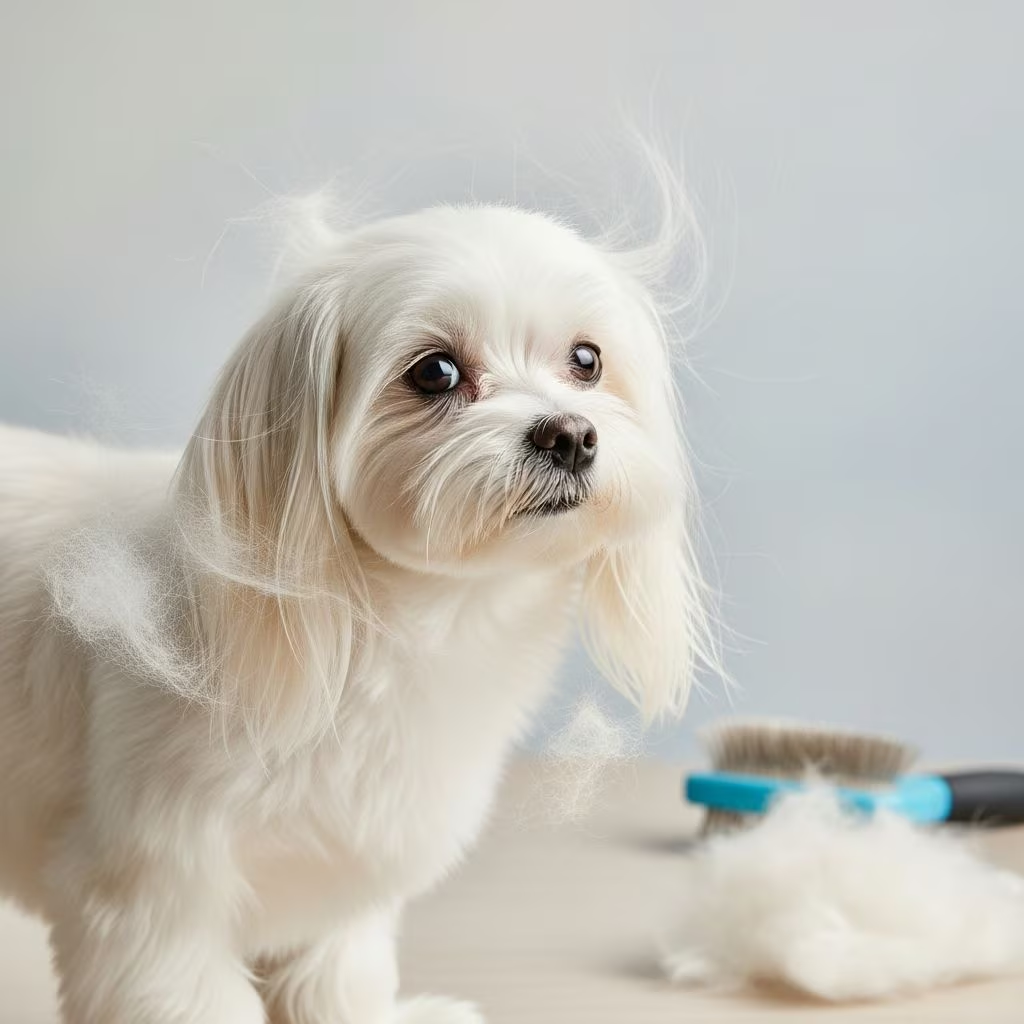
Maltese dogs are prized for their luxurious white coats and companionable nature, but prospective owners often wonder about their shedding habits. These small breeds typically produce very little loose hair compared to double-coated dogs like Huskies, thanks to their single-layer silky hair structure that grows continuously rather than cycling through heavy seasonal blows.
The Unique Structure of the Maltese Coat
The Maltese boasts a single coat of fine, silky hair that resembles human hair more than typical canine fur. Unlike breeds with undercoats, this design results in minimal shedding, as hairs grow long and tangle if not maintained, rather than falling out in clumps. Their small size further reduces the volume of hair produced, making stray strands occasional rather than pervasive.
Owners may notice light-colored hairs on furniture or clothing, but these are sparse and easily managed with routine upkeep. Keeping the coat trimmed short can further diminish visible shedding, while long styles demand more frequent brushing to prevent mats that trap loose hairs.
Seasonal and Cyclical Shedding Patterns
While not heavy shedders, Maltese experience subtle shedding cycles influenced by daylight changes and hormones. Spring and fall may bring slightly more noticeable hair loss as they adapt to warmer or cooler weather, but this remains far less dramatic than in fur-heavy breeds.
- Daily shedding: A few strands here and there, comparable to human hair fall.
- Seasonal upticks: Mild increases during transitions, controlled by grooming.
- Continuous growth: Hair lengthens steadily, requiring trims to avoid excess fallout.
Monitoring these patterns helps owners anticipate and address any deviations early, ensuring the coat stays healthy and the home tidy.
Factors That Influence Shedding Levels
Several elements beyond genetics affect how much a Maltese sheds. Understanding these allows targeted interventions for optimal coat condition.
Genetic Background and Breeding
Reputable breeders select for low-shed traits aligned with breed standards, producing Maltese with finer, less prone-to-fall hair. Poor genetics from unregulated sources can lead to patchier shedding or skin issues. Always verify pedigrees from health-tested lines to minimize surprises.
Environmental Stressors
Changes like relocations, new family members, or routine disruptions can trigger stress-induced shedding. Maltese, being sensitive, respond to instability with temporary hair loss as a physiological response. Stable environments with consistent schedules promote steadier coats.
Nutrition’s Role in Coat Vitality
A nutrient-rich diet supports skin health and hair retention. Deficiencies in omega fatty acids, zinc, or proteins manifest as dullness and increased shedding. Opt for AAFCO-approved foods tailored to small breeds, supplemented with fresh water.
| Nutrient | Benefit for Coat | Food Sources |
|---|---|---|
| Omega-3 & 6 | Reduces inflammation, promotes shine | Fish oil, salmon-based kibble |
| Zinc | Strengthens hair follicles | High-quality meats, eggs |
| Protein | Builds resilient hair shafts | Chicken, lamb formulas |
Daily Grooming Routines to Minimize Shedding
Proactive grooming is the cornerstone of low-shed management for Maltese. Daily sessions prevent tangles that exacerbate hair loss.
- Brushing tools: Slicker brushes or combs for detangling; aim for 10-15 minutes daily.
- Technique: Start from roots to tips, focusing on belly, legs, and ears.
- Frequency: Every day for long coats, every other for short clips.
Regular trims every 6-8 weeks keep length manageable, reducing fallout. Professional groomers can handle intricate areas like face furnishings.
Bathing Best Practices
Bathe Maltese every 4-6 weeks using moisturizing shampoos to preserve natural oils. Pre-brush to loosen debris, then rinse thoroughly to avoid residue buildup that irritates skin and prompts shedding.
Overbathing strips oils, leading to dryness and more hair loss—stick to schedules unless dirtier than usual. Conditioners formulated for silky coats enhance smoothness post-bath.
Health Indicators Linked to Excessive Shedding
Sudden increases signal underlying issues. Watch for:
- Bald spots or thinning patches.
- Itchy, red skin or hot spots.
- Dull, brittle hair texture.
Common culprits include allergies, hormonal imbalances, or parasites. Consult vets promptly for diagnostics like skin scrapes or bloodwork. Early treatment restores normal shedding levels.
Are Maltese Suitable for Allergy Sufferers?
No dog is truly hypoallergenic, as allergens stem from dander, saliva, and urine—not just shed hair. However, Maltese’s minimal shedding reduces airborne particles, benefiting mild allergy cases. Test exposure beforehand, as individual reactions vary.
Advanced Care for Optimal Coat Health
Beyond basics, consider supplements like fish oil for omega boosts, especially in dry climates. Humidity control and air purifiers further limit dander spread. Behavioral cues during shedding peaks—restlessness or scratching—warrant extra TLC like massages or play to ease discomfort.
Comparing Maltese to Other Low-Shed Breeds
| Breed | Shedding Level | Coat Type | Grooming Needs |
|---|---|---|---|
| Maltese | Minimal | Single silky | Daily brush, monthly bath |
| Poodle | Very low | Curly single | Regular clips |
| Shih Tzu | Low-moderate | Double silky | Frequent brushing |
| Husky | Heavy | Double thick | Seasonal blows |
This comparison highlights Maltese as standout for tidy homes without extreme grooming demands.
FAQs on Maltese Shedding
How often should I brush my Maltese?
Daily brushing prevents mats and captures loose hairs effectively.
Can diet reduce shedding?
Yes, nutrient-dense foods strengthen coats and minimize loss.
Do puppies shed more than adults?
Puppies have softer puppy coats that shed during adult transitions around 6-12 months.
Is clipping the coat better for less shedding?
Shorter cuts reduce visible hair but still need brushing.
What if shedding suddenly increases?
Check for stress, diet, or health issues and vet consult.
Lifestyle Tips for Maltese Owners
Integrate grooming into playtime for positive associations. Vacuum regularly with pet-specific tools to handle stray hairs. Multi-pet homes benefit from separate grooming zones to monitor individuals.
For apartments or allergy-prone families, short clips and HEPA filters optimize cleanliness. Active lifestyles pair well with post-walk brushes to remove outdoor debris promptly.
References
- Do Maltese Shed in 2024? Discover the Empowering Solutions — FL Puppies Online. 2024. https://flpuppiesonline.com/blog/do-maltese-shed/
- Does a Maltese Shed a Lot? Vet-Verified Care and Grooming Tips — Dogster. 2024. https://www.dogster.com/dog-health-care/does-a-maltese-shed-a-lot
- Do Maltese Shed? — A-Z Animals. 2024. https://a-z-animals.com/blog/do-maltese-shed/
- Maltese Dog Breed Health and Care — PetMD. 2024. https://www.petmd.com/dog/breeds/maltese



