

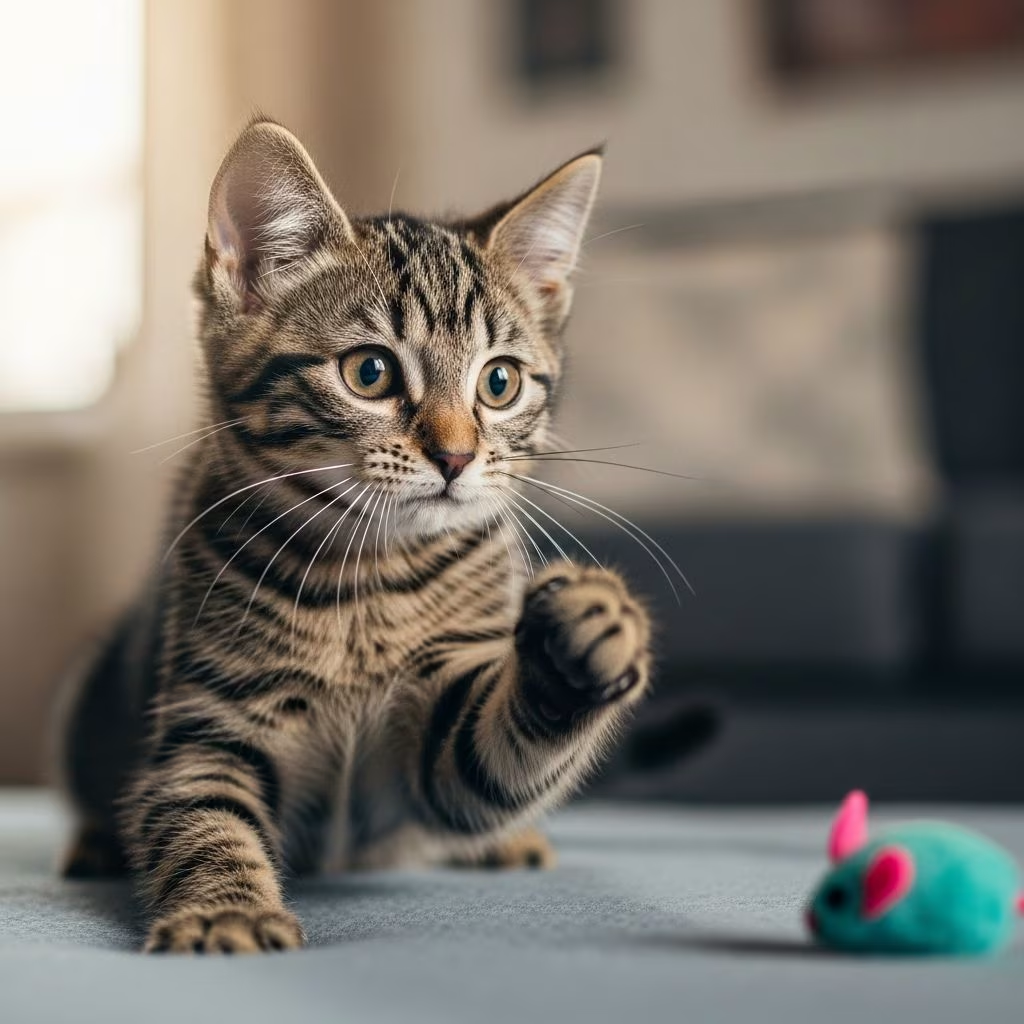
Understanding a Kitten’s Temperament: Development & Behavior
Every kitten is born with a unique temperament that shapes how they interact with their environment, respond to people, and develop social behaviors throughout their lives. Understanding kitten temperament is essential for cat owners who want to nurture healthy behavioral patterns, provide appropriate socialization, and create a harmonious household. A kitten’s temperament isn’t fixed at birth—it’s a dynamic characteristic that evolves through developmental stages, influenced by genetics, early experiences, socialization opportunities, and environmental factors.
What Is Kitten Temperament?
Temperament refers to a kitten’s natural predisposition toward certain behaviors and emotional responses. It encompasses traits such as playfulness, curiosity, fearfulness, sociability, and boldness. While some aspects of temperament are inherited from a kitten’s parents, much of a kitten’s final personality is shaped during critical developmental periods in their early weeks and months of life. Understanding your kitten’s temperament helps you anticipate their needs, prevent behavioral problems, and build a stronger bond with your feline companion.
Developmental Stages and Temperament Formation
A kitten’s temperament develops progressively through distinct developmental stages, each with characteristic behaviors and opportunities for shaping personality.
Neonatal Period (0–2 Weeks)
During the first two weeks of life, kittens are in the neonatal stage where they are almost entirely dependent on their mother. At this stage, kittens are blind, deaf, and unable to regulate their own body temperature. Their primary behaviors involve nursing, sleeping, and basic reflexive responses. Although they cannot see or hear, they rely heavily on their sense of smell and touch to locate their mother and littermates. Competition for rank and territory begins even at this early stage, as littermates compete for nursing positions and maternal attention.
During the neonatal period, early handling by humans—if done gently and appropriately—can begin to familiarize kittens with human scent and touch. However, the mother cat’s temperament and comfort level with humans significantly influences how her kittens will respond to people later in life. Mother cats who are comfortable and trusting around people tend to have kittens that are more receptive to human interaction.
Socialization Period (2–7 Weeks)
The socialization period is perhaps the most critical stage for temperament development. During these weeks, a kitten’s world expands dramatically as their senses fully develop. By the third week, kittens’ eyes open, their sense of smell becomes well-developed, and they can see well enough to find their mother and explore their surroundings. During weeks 2–4, kittens enter early socialization where they begin interacting with littermates and their environment.
This period is crucial because kittens are highly receptive to new experiences. Positive interactions with humans, other animals, and various environmental stimuli during this window significantly shape how comfortable and confident kittens will be in different situations throughout their lives. Kittens that receive gentle handling, play interactions, and exposure to diverse experiences during this period tend to develop outgoing, friendly temperaments. Conversely, kittens that lack socialization or have negative experiences may develop fearful or aggressive tendencies.
Two particularly important sensitive periods occur during socialization:
- Body Language Sensitive Period (2–14 weeks): Kittens learn to read and use body language to communicate with their siblings and humans. During this time, they develop their unique communication style and learn how their gestures affect others’ behavior.
- Socialization Sensitive Period (until 7 weeks): Kittens learn to recognize friendly species, potential prey, and predators. Early positive exposure to different animals and people during this window creates lasting comfort levels.
Weaning and Exploration (Weeks 5–6)
By five to six weeks old, kittens’ baby teeth have developed, and they begin transitioning from mother’s milk to solid food. This is when their individual personalities become increasingly apparent. At five weeks old, kittens show their independence and demonstrate distinct personality traits: some are talkative, others adventurous, some brave and confident, while others are sweet and cuddly.
During this stage, kittens become very active and start exploring their environment more independently. Play becomes more complex, including climbing, sibling chases, and hunting small moving objects. Their coordination improves, and they are steadier on their feet. Play teaches kittens predatory behavior and social boundaries through interactions with littermates. This stage is important for refining their temperament and social skills.
Early Independence (Weeks 7–8)
By weeks 7–8, kittens’ senses have fully developed, and they become more independent and explore their environment with determined confidence. Seven-week-old kittens experience a noticeable spike in energy, with sleep decreasing and playtime increasing significantly. At this stage, kittens are able to run, climb cat trees, and confidently jump off furniture.
Kittens become more independent and experiment with territorial behaviors, such as marking their territory. They may also start to see and use ranking (dominance or submission) within the household, including with humans. Using the litter box is usually fully mastered at this stage, and kittens learn behavioral patterns through continued play with siblings and humans.
Adolescence (6–18 Months)
Most kittens begin showing signs of calming down between 9 and 14 months of age, marking the transition from the kitten stage toward maturity. However, the adolescence stage—spanning 6–18 months—is characterized by increased exploration of dominance and continued behavioral development. During this period, kittens may challenge humans and other pets as they establish their place in the household hierarchy.
If not spayed or neutered, kittens experience the beginnings of sexual behavior during adolescence. Their temperament during this stage is influenced by earlier socialization experiences, their unique personality traits, and their breed characteristics.
Factors Influencing Kitten Temperament
Genetics and Breed
A kitten’s genetic inheritance significantly influences their temperament. Some cat breeds are naturally more active and retain kitten-like energy well into their second year or beyond. Breeds such as Bengals, Siamese, and Abyssinians are known for their high energy levels and playful nature, while other breeds tend to be calmer and more laid-back. Understanding your kitten’s breed characteristics helps set realistic expectations for their activity level and personality.
Individual Personality
Just like humans, every kitten has a unique personality that influences how quickly they calm down and how they respond to their environment. Some kittens naturally calm down earlier than others, while some retain their playful spirit well into adulthood. These individual differences are partially inherited but also shaped by early experiences and environmental factors.
Socialization and Early Experiences
The quality and breadth of socialization during critical developmental periods profoundly impact a kitten’s temperament. Kittens exposed to diverse people, animals, sounds, and environments during their socialization window develop more confident and adaptable temperaments. Early positive experiences with specific stimuli—such as cat-friendly dogs, children, or various household sounds—create lasting comfort levels. If a kitten has positive experiences with dogs during the socialization period, they are more likely to be comfortable with canine companions throughout their life.
Maternal Influence
A mother cat’s temperament and comfort level with humans significantly shape her kittens’ personalities. Mother cats who like and trust people tend to have kittens that are more receptive to human interaction and develop friendlier temperaments. Conversely, feral mothers and strays who are wary of people may pass these traits to their offspring.
Environmental Factors
The environment in which a kitten is raised influences their temperament development. Kittens raised in enriched environments with toys, climbing structures, human interaction, and exposure to various stimuli tend to develop more confident and well-adjusted temperaments. Conversely, kittens raised in isolated or unstimulating environments may develop anxious or destructive behaviors.
Recognizing Different Temperament Types
Understanding different temperament types helps owners respond appropriately to their kitten’s needs and personality:
- Bold and Confident: These kittens are naturally adventurous, curious, and unafraid of new experiences. They typically adapt well to changes and are quick to investigate novel situations.
- Playful and Social: Highly interactive kittens enjoy human companionship and vigorous play. They seek attention and engagement and are often the most entertaining to live with.
- Calm and Affectionate: Some kittens are naturally more reserved but deeply affectionate. They prefer gentle interaction and may be sensitive to excessive stimulation.
- Cautious and Reserved: These kittens are more hesitant about new experiences and people. They need extra time to warm up and benefit from patient, low-pressure socialization.
- Independent: Some kittens are naturally more self-directed and less interested in constant human interaction, preferring to explore and play on their own terms.
Timeline: When Do Kittens Calm Down?
Understanding the typical activity timeline helps owners adjust their expectations and care strategies as their kittens mature.
Peak Energy Phase (2–6 Months)
The period from 2–6 months marks the height of kitten activity. During this time, your kitten will display frequent bursts of energy, including the famous “zoomies,” climbing adventures, and endless play sessions. Five-week-old kittens are running and playing confidently, developing social skills with humans and other animals. By week seven, energy levels spike noticeably as sleep decreases and playtime increases dramatically.
Transition to Maturity (9–14 Months)
Most kittens begin showing signs of calming down between 9 and 14 months of age. However, this timeline varies significantly based on breed, individual personality, and other factors. During this transition period, kittens maintain their playfulness but gradually develop more balanced sleep-wake cycles and less manic energy bursts.
Full Maturity (18 Months and Beyond)
By 18 months, most cats have transitioned out of the kitten stage mentally and physically. However, some breeds and individual cats maintain a more youthful, playful demeanor well into adulthood. Understanding your specific kitten’s trajectory helps you provide appropriate exercise, enrichment, and play opportunities throughout their development.
Nurturing Your Kitten’s Temperament
Provide Rich Socialization
Expose your kitten to diverse people, animals, and environments during the critical socialization window (up to 7 weeks, with sensitive periods extending to 14 weeks). Positive exposures create lasting comfort levels and confident temperaments.
Encourage Appropriate Play
Engage in interactive play sessions that allow your kitten to express natural hunting and play behaviors while learning appropriate boundaries. This helps refine their social skills and burns energy productively.
Create Environmental Enrichment
Provide climbing structures, toys, hiding spaces, and mental stimulation to support your kitten’s natural exploratory drive and help develop a confident, engaged temperament.
Respect Individual Personality
Recognize and respect your kitten’s unique personality type. Some kittens thrive with intense interaction, while others prefer more independent play. Matching your engagement style to your kitten’s temperament strengthens your relationship.
Handle Gently and Consistently
Gentle, consistent handling during early weeks shapes your kitten’s comfort level with human touch and interaction. However, always respect your kitten’s boundaries and allow them to establish their comfort level.
Frequently Asked Questions (FAQs)
Q: At what age does a kitten’s temperament become fixed?
A: While temperament starts forming from birth, the critical developmental period extends through the first 14 weeks, with the most important socialization window closing around 7 weeks. However, temperament continues evolving until 18 months as kittens mature. Early experiences have the most lasting impact, but positive interactions continue to shape personality throughout kittenhood.
Q: Can I change my kitten’s temperament if they’re shy or fearful?
A: Yes, with patience and positive experiences, you can help shy or fearful kittens become more confident. Gradual exposure to new situations, gentle handling, and reward-based interactions can help timid kittens develop greater confidence. However, respect their individual personality—some kittens are naturally more reserved, and that’s normal.
Q: Why does my kitten’s energy level vary so much?
A: Kittens have natural energy cycles, and their activity levels fluctuate based on age, hunger, sleep needs, and individual personality. The peak energy phase (2–6 months) involves dramatic energy fluctuations and sudden play bursts. Providing adequate food, play opportunities, and rest helps maintain healthy energy patterns.
Q: Does breed really affect kitten temperament?
A: Yes, breed significantly influences natural temperament tendencies. Active breeds like Bengals and Siamese typically remain more playful and energetic longer, while other breeds naturally tend toward calmer temperaments. However, individual personality and early socialization also play important roles in temperament development.
Q: How can I help my kitten develop a friendly temperament?
A: Provide rich socialization with diverse people and animals during the critical socialization window (ideally before 7 weeks), engage in interactive play, offer environmental enrichment, handle your kitten gently and consistently, and create positive associations with new experiences. Early positive exposure to different stimuli creates lasting comfort levels and friendly dispositions.
Q: What if my kitten shows aggressive temperament traits?
A: Aggression in kittens often stems from inadequate socialization, fear, play overstimulation, or learned behaviors. Redirect aggressive play toward appropriate toys, avoid rough handling, ensure adequate play outlets, and consider consulting with a veterinary behaviorist if aggressive behaviors persist. Early intervention helps prevent adult aggression issues.
Q: Does separation from littermates affect kitten temperament?
A: Early separation from mother and littermates (before 8 weeks) can negatively impact temperament development and social skills. Separation at this critical stage can lead to poor learning skills and aggression toward people and other pets. Ideally, kittens should remain with their mother and littermates until at least 8–12 weeks old to develop healthy temperament.
References
- When Do Kittens Calm Down? Timeline & Behavior Guide — PetsCare. https://www.petscare.com/news/post/when-do-kittens-calm-down-guide
- Kitten Development by Week — PrimaCat. https://www.primacat.com/en/cat-facts/cats-behaviour-and-training/kitten-development-week
- How Old Is That Kitten? Kitten Progression: At-a-Glance — Alley Cat Allies. https://www.alleycat.org/resources/kitten-progression/
- Developmental Stages of Kittens — Longmont Humane Society. https://www.longmonthumane.org/resources/
- Kitten Development Stages and Kitten Age Chart — PetMD. https://www.petmd.com/cat/care/kitten-development-understanding-kittens-major-growth-milestones
- Understanding Your Kitten’s Behavior and Development — South Australian Government. https://www.sa.gov/files/assets/main/v/1/acs/documents/understanding-kittens.pdf



