

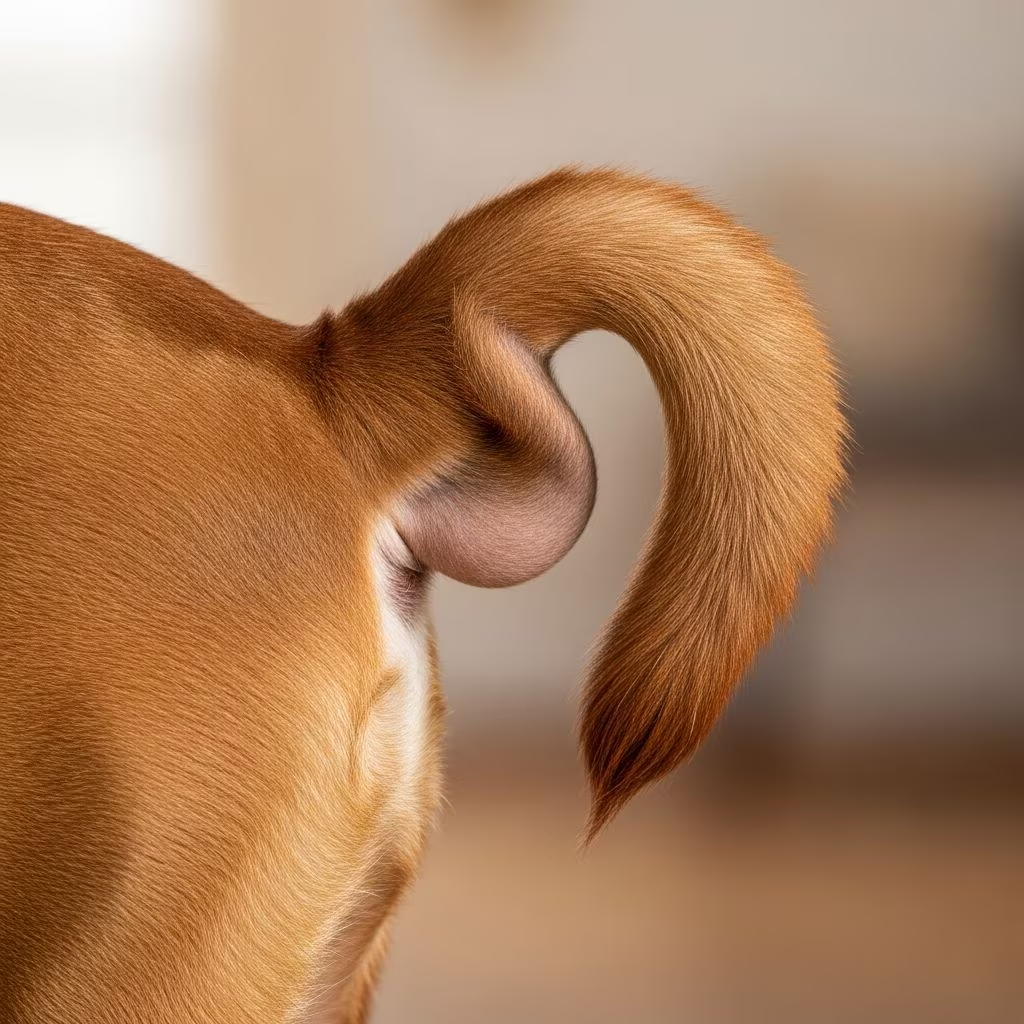
A kinked tail in dogs can range from a harmless quirk to a sign of underlying health problems. While some dogs are born with naturally curved or bent tails, sudden kinks often signal injury, muscle strain, or other conditions requiring attention. This comprehensive guide examines the primary causes, symptoms, diagnostic approaches, treatments, and preventive measures to help dog owners address tail abnormalities effectively.
Congenital Causes of Tail Abnormalities
Many dogs exhibit kinked tails from birth due to genetic spinal malformations. Hemivertebrae, a condition where vertebrae develop incompletely on one side, leads to wedge-shaped bones that cause the tail to bend or kink. This is prevalent in brachycephalic breeds such as Bulldogs, Pugs, and Boston Terriers, where corkscrew tails are a breed standard.
Typically, isolated hemivertebrae in the tail pose only cosmetic concerns. However, if malformations occur near the tail base or extend to the spine, they may compress nerves or the spinal cord, resulting in pain, mobility issues, or defecation difficulties. Genetic predisposition plays a key role, and breeders often select for these traits in certain lines.
- Common breeds affected: English Bulldogs, French Bulldogs, Pugs, Boston Terriers.
- Potential complications: Skin fold infections (intertrigo) from ingrown tails, anal obstruction, or chronic odor if untreated.
Trauma and Injury-Related Kinks
Injuries are a leading acquired cause of kinked tails. Fractures, dislocations, or sprains from stepping on the tail, door slams, rough play, or wagging into hard surfaces can heal with permanent bends. These incidents damage bone, muscle, or nerves, leaving visible deformities like bumps, twists, or sharp angles.
Initial trauma causes acute pain, swelling, and bruising. As healing progresses without proper alignment, the tail kinks. Dogs in multi-pet homes or active environments face higher risks from bites or collisions.
| Injury Type | Common Causes | Visible Signs |
|---|---|---|
| Fracture | Crushed by objects, stepped on | Bent/kinked segment, swelling |
| Sprain/Dislocation | Rough play, door accidents | Twisted appearance, pain on touch |
| Nerve Damage | Repeated impacts | Limpness, sensitivity |
Limber Tail Syndrome: The Overuse Injury
Limber tail, or acute caudal myopathy, mimics a kink but stems from muscle strain rather than bone issues. Overexertion causes inflammation and swelling within the tail’s tight fascial compartment, restricting blood flow and leading to a limp, drooping tail. Affected dogs often lose their “wag,” with the base stiff and tip flaccid.
This condition strikes working breeds like Labrador Retrievers and Pointers after intense activity. Triggers include prolonged swimming in cold water, sudden exercise spikes, crate confinement, or cold/wet weather. Symptoms appear 12-24 hours post-trigger: pain at tail base, reluctance to sit, whining, and excessive licking.
Unlike fractures, limber tail resolves with rest and anti-inflammatories, typically in 3-14 days. Genetic factors may heighten susceptibility in some breeds.
Happy Tail Syndrome and Repetitive Damage
Happy tail syndrome occurs in enthusiastic waggers confined to narrow spaces like kennels. Repeated banging against walls causes tip injuries, ulcers, and eventual nerve damage or kinking. High-energy breeds in shelters or crates are prone, with wounds that lick and reopen despite bandaging.
Chronic cases lead to exposed bone, infection, or permanent bends at the tip. Prevention involves padded enclosures and environmental enrichment to curb excessive wagging.
Recognizing Symptoms and When to Worry
Not all kinks warrant alarm, but monitor for pain indicators. A cosmetic bend without discomfort is often benign. Seek veterinary care if your dog shows:
- Sudden onset limpness or droop.
- Pain on palpation, yelping, or guarding the tail.
- Swelling, bruising, or raised hair at base.
- Behavioral changes: restlessness, scooting, difficulty defecating.
- Excessive licking/chewing or whimpering.
Tail-tucking signals distress, distinguishing it from normal carriage. Chronic kinks near the base risk infections from skin folds.
Veterinary Diagnosis and Treatment Options
Diagnosis starts with physical exams to assess pain, mobility, and deformities. Vets may use radiographs to confirm fractures, hemivertebrae, or rule out neurological issues. Bloodwork checks for systemic inflammation in limber tail.
Treatments vary by cause:
- Limber tail: Strict rest (2-4 weeks), NSAIDs, warm compresses.
- Fractures: Splinting, pain meds; surgery for severe cases.
- Infections: Antibiotics, cleaning for intertrigo or wounds.
- Happy tail: Protective bandaging, enclosure modifications.
Prognosis is excellent for most; congenital kinks are unfixable but manageable.
Preventing Tail Problems in Your Dog
Proactive steps reduce risks:
- Gradual conditioning before hunting/swimming seasons.
- Avoid cold water swims; warm up post-exposure.
- Provide spacious crates with padding.
- Supervise play to prevent trauma.
- Regular grooming for brachycephalic breeds to prevent fold infections.
For at-risk breeds, discuss genetic screening with breeders.
Frequently Asked Questions (FAQs)
Is a kinked tail always painful for dogs?
No, congenital kinks are usually painless cosmetics. Sudden or touch-sensitive kinks indicate injury or limber tail.
Can limber tail cause permanent damage?
Rarely; most recover fully with rest. Recurrence is possible without conditioning.
How do I differentiate limber tail from a fracture?
Limber tail shows no bony deformity, just limpness and base pain. X-rays confirm fractures.
Should I breed a dog with a kinked tail?
Consult a vet; hemivertebrae may indicate spinal risks passed genetically.
What home remedies help a sore tail?
Rest in a quiet area, avoid touching; use vet-recommended NSAIDs only. See a vet promptly.
References
- Limber tail in dogs (acute caudal myopathy) — Cornell University College of Veterinary Medicine. 2023. https://www.vet.cornell.edu/departments-centers-and-institutes/riney-canine-health-center/canine-health-information/Limber-tail-in-dogs
- Hemivertebra and Kinked Tails — Dog News. 2022. https://www.dognews.com/Veterinarian-Merry-Fitzgerald-discusses-spinal-anomalies-from-hemivertebra-to-kinked-tails-in-dogs
- Warning Signs Your Dog Has a Broken Tail or Limber Tail Syndrome — Scenthound. 2024. https://www.scenthound.com/dogblog/warning-signs-your-dog-has-a-broken-tail-or-limber-tail-syndrome
- Why Is My Dog’s Tail Kinked? 4 Vet-Verified Possible Reasons — Dogster. 2024. https://www.dogster.com/dog-health-care/why-is-my-dogs-tail-kinked
- Acute Caudal Myopathy (Limber Tail) — VCA Animal Hospitals. 2023. https://vcahospitals.com/know-your-pet/acute-caudal-myopathy-limber-tail



