
Kidney Failure In Cats: A Comprehensive Guide For Owners
Comprehensive guide to recognizing, diagnosing, and managing feline kidney disease
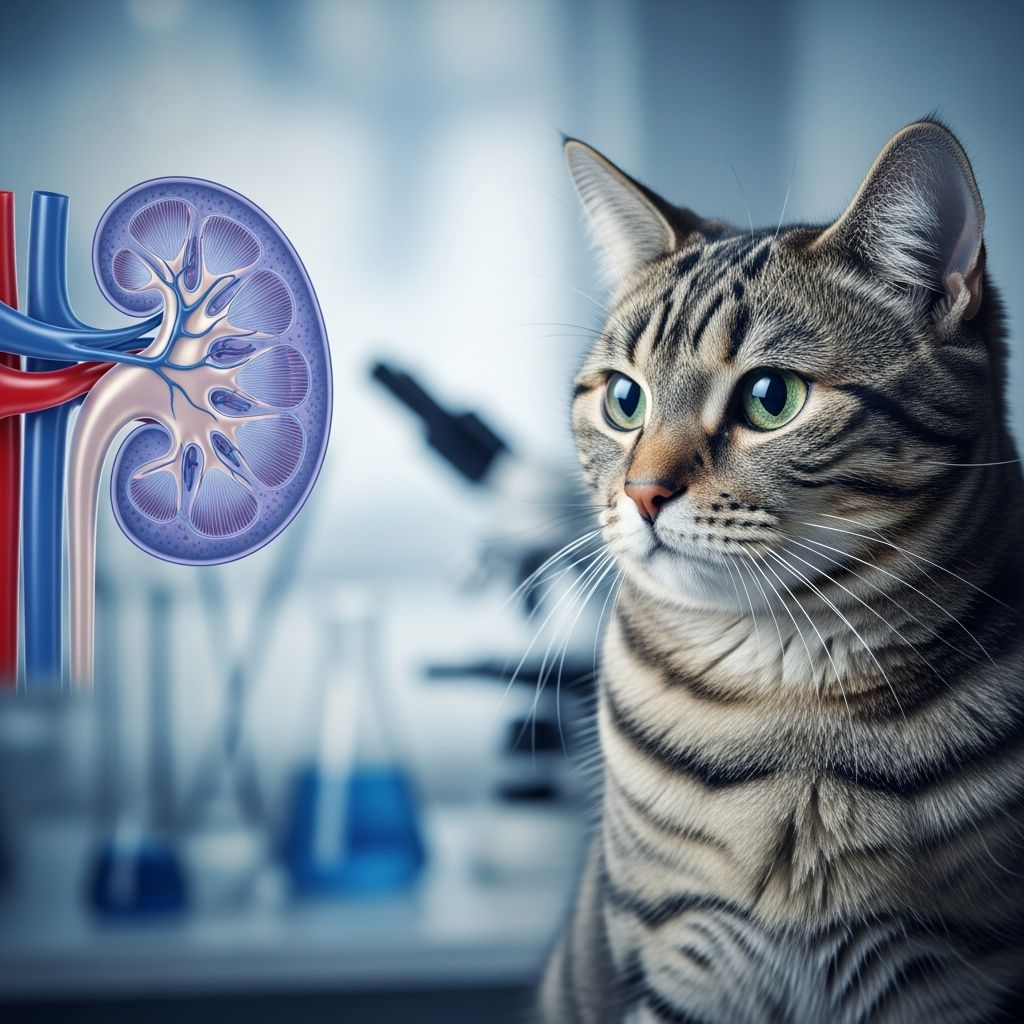
Kidney failure represents one of the most significant health challenges affecting domestic cats, particularly as they age. The kidneys play a vital role in filtering waste products from the bloodstream and maintaining proper fluid balance throughout the body. When these organs begin to fail, cats face a complex medical condition that requires careful management and ongoing veterinary support. This guide explores the multifaceted aspects of feline kidney disease, from initial warning signs to comprehensive treatment strategies.
The Distinction Between Acute and Chronic Kidney Failure
Veterinary professionals recognize two primary categories of kidney failure in cats, each with distinct characteristics and different prognoses. Understanding these differences is essential for cat owners seeking to provide appropriate care for their pets.
Acute kidney failure, clinically referred to as acute kidney injury (AKI), develops rapidly, typically manifesting within days or weeks. This sudden deterioration in kidney function can occur in cats of any age and often results from specific triggering events. Common causes include exposure to toxins such as antifreeze, toxic plants, pesticides, certain medications, or household cleaning products. Additionally, trauma, infections, organ dysfunction, urinary blockages, severe dehydration, and various other medical emergencies can precipitate acute kidney failure. The encouraging aspect of acute kidney failure is its potential reversibility; if identified and treated promptly, many cats can recover partial or complete kidney function.
Chronic kidney failure follows a different trajectory, developing gradually over months or even years. This progressive condition typically affects older cats and stems from underlying causes such as autoimmune diseases, kidney cysts, or genetic predisposition. As chronic kidney disease advances, the kidneys lose their capacity to filter toxins effectively, resulting in a gradual accumulation of waste products in the bloodstream. The progressive nature of chronic kidney failure necessitates long-term management strategies aimed at slowing disease progression and maintaining quality of life.
Contributing Factors and Risk Elements
While kidney failure can develop in any cat, certain factors increase susceptibility to this condition. Dietary composition plays a meaningful role in kidney health. Cats naturally possess a low thirst drive, making them prone to chronic dehydration. When owners provide primarily dry food without compensating for reduced water intake, cats may experience ongoing fluid deficit that stresses kidney function and contributes to disease development. In contrast, wet or canned food with higher moisture content supports adequate hydration and promotes kidney health.
Environmental exposure to toxins represents another significant risk factor, particularly for acute kidney failure. Household products commonly found in residences—including certain pesticides, antifreeze, cleaning solutions, and over-the-counter medications—pose serious threats to feline kidney function. Additionally, age represents an important consideration; while acute kidney failure can affect cats of any age, chronic kidney disease predominately affects senior cats.
Recognizing Early Warning Signs
Early detection of kidney failure significantly improves treatment outcomes and quality of life. Pet owners should familiarize themselves with the typical signs that suggest kidney dysfunction.
Common early indicators include:
- Increased water consumption accompanied by more frequent urination
- Unexplained weight loss despite normal or increased appetite
- Decreased appetite or refusal to eat
- Lethargy and general weakness
- Vomiting or nausea
- Diarrhea, which may contain blood
- Bad breath resulting from toxin accumulation
- Depression or behavioral changes
- Visible dehydration
In acute kidney failure specifically, cats may exhibit additional signs of pain, including an arched back or stiff-legged gait, indicating discomfort from kidney dysfunction.
Recognizing End-Stage Disease
As kidney disease progresses to its final stage, symptoms become more pronounced and severe. These advanced indicators require immediate veterinary attention:
- Dull, sunken eyes indicating severe dehydration
- Inability to walk or severe mobility impairment
- Body odor from accumulated uremic toxins
- Incontinence affecting bladder or bowel control
- Complete refusal to eat or drink
- Seizures or neurological symptoms
- Confusion and disorientation
- Restlessness, pacing, or unusual agitation
- Withdrawal, hiding, or avoidance behavior
These end-stage symptoms represent a critical period requiring compassionate, intensive medical management.
Diagnostic Procedures and Testing
Accurate diagnosis of kidney failure requires a comprehensive veterinary evaluation combining multiple diagnostic approaches. When cats present with symptoms suggestive of kidney dysfunction, veterinarians employ standardized diagnostic protocols.
The diagnostic assessment typically includes:
- Blood tests: Laboratory analysis reveals kidney function markers and electrolyte levels, providing quantitative data about kidney failure severity
- Urinalysis: Examination of urine composition helps identify kidney dysfunction patterns and detect concurrent urinary infections
- Imaging studies: Radiographic examination (X-rays) and ultrasound provide visual assessment of kidney structure, size, and appearance, helping identify abnormalities or blockages
- Kidney biopsy: In selected cases, tissue samples may be collected to determine specific disease mechanisms and guide treatment planning
This multifaceted diagnostic approach enables veterinarians to confirm kidney failure, determine disease stage, identify reversible causes in acute cases, and develop individualized treatment strategies.
Comprehensive Treatment Strategies
Treatment approaches for kidney failure emphasize two primary objectives: managing debilitating symptoms and slowing disease progression. The specific treatment plan depends on disease type, severity, and individual patient factors.
Fluid Therapy and Hydration Management
Fluid administration represents the cornerstone of kidney failure treatment. In acute kidney failure, hospitalization with intravenous fluid therapy helps correct dehydration and supports the kidneys in eliminating accumulated toxins and waste products. This intensive fluid support also prevents constipation, a common complication of kidney disease-related dehydration.
For chronic kidney failure, subcutaneous fluid administration at home becomes increasingly important as disease progresses. These fluids, administered under the skin in scheduled sessions, maintain hydration without requiring hospitalization. Pet owners can be trained to administer these fluids at home, improving convenience and quality of life. To encourage voluntary fluid intake, owners should provide fresh water through pet water fountains and offer wet food in preference to dry kibble.
Dietary Modifications
Therapeutic diet adjustments form another essential treatment component. Specialized kidney diets feature restricted protein and reduced phosphorus content, helping minimize waste product accumulation in the bloodstream. These therapeutic diets can be obtained through veterinary practices or prepared at home under professional guidance.
Phosphorus Management
Despite dietary phosphorus restriction, some cats maintain elevated blood phosphorus levels, which accelerates kidney damage progression. Phosphate binders, particularly oral aluminum hydroxide preparations, reduce the amount of phosphorus absorbed through the gastrointestinal tract, helping normalize blood phosphorus concentrations and improving overall well-being.
Nutritional Supplementation
Potassium supplementation addresses a common complication of kidney failure; cats with renal disease lose excessive potassium through urine, leading to muscle weakness, stiffness, and poor hair quality. Additionally, low potassium levels may worsen kidney failure progression.
Vitamin supplementation, particularly B vitamins, becomes necessary because failing kidneys cannot concentrate urine effectively, resulting in depletion of water-soluble vitamins like B12. Supplementation restores essential nutrient levels.
Management of Secondary Complications
Cats with kidney failure frequently develop secondary health problems requiring specific interventions:
| Complication | Treatment Approach |
|---|---|
| Nausea and Vomiting | Anti-emetic medications reduce nausea, improving appetite and nutritional intake |
| Elevated Blood Pressure | Blood pressure-lowering medications prevent additional kidney damage from hypertension |
| Protein Loss | Medications addressing proteinuria reduce further disease progression |
| Anemia | Newer oral medications like molidustat stimulate bone marrow red blood cell production when blood pressure is adequately controlled |
| Urinary Tract Infections | Antibiotics treat infections; routine urine cultures monitor for developing infections |
Distinguishing Acute and Chronic Treatment Approaches
While both acute and chronic kidney failure require intensive management, treatment intensity differs based on disease type. Acute kidney failure often necessitates hospitalization with aggressive intravenous fluid therapy to support kidney recovery. However, even cats with chronic kidney disease may benefit from initial hospitalization and IV fluid administration to establish baseline stability before transitioning to home-based therapies.
The transition from hospital-based to home-based care represents an important milestone in managing both acute and chronic kidney disease. Owners learn to administer subcutaneous fluids, prepare therapeutic diets, and monitor their cats for medication side effects and disease progression.
Quality of Life Considerations
Throughout kidney disease management, maintaining quality of life remains paramount. This involves choosing treatment options that extend healthy survival while minimizing suffering and stress. Regular veterinary monitoring enables adjustment of treatment protocols as disease progresses, ensuring interventions remain beneficial and appropriate to the cat’s condition and comfort level.
Frequently Asked Questions
Can acute kidney failure in cats be reversed?
Yes, acute kidney failure can often be reversed if diagnosed and treated promptly. Early intervention with appropriate fluid therapy and treatment of underlying causes improves the likelihood of kidney function recovery.
What is the prognosis for cats with chronic kidney disease?
Chronic kidney disease is progressive and incurable; however, appropriate management can slow progression and extend quality survival time. Many cats with well-managed chronic kidney disease maintain good quality of life for extended periods.
How often should cats with kidney failure be monitored?
Cats with kidney failure require regular veterinary monitoring through blood tests, urinalysis, and physical examinations. The frequency depends on disease stage and stability; newly diagnosed or unstable cats may require monthly visits, while stable chronic cases might be monitored every three to six months.
Are home treatments effective for kidney disease management?
Home-based treatments, including subcutaneous fluid administration, therapeutic diets, and medications, effectively manage chronic kidney disease and maintain quality of life. Owner education and compliance are critical to treatment success.
What emergency signs require immediate veterinary attention?
Severe lethargy, persistent vomiting, inability to urinate, disorientation, pale gums, or other signs of acute deterioration require emergency veterinary care.
Conclusion and Moving Forward
Kidney failure in cats presents a significant but manageable health challenge. The distinction between acute and chronic forms guides treatment approach and prognosis. While chronic kidney disease remains incurable, modern veterinary medicine offers multiple strategies to slow progression and maintain quality of life. Early recognition of warning signs, prompt veterinary diagnosis, and commitment to comprehensive home-based management enable cat owners to provide meaningful support for their feline companions. Regular communication with veterinary professionals ensures treatment plans remain appropriate to each cat’s evolving needs and condition.
References
- Chronic Kidney Disease in Cats — VCA Animal Hospitals. https://vcahospitals.com/know-your-pet/kidney-failure-chronic-in-cats
- Causes and Treatments of Kidney Failure in Cats — South Wilton Veterinary Group. 2021-04-08. https://www.southwiltonvet.com/site/blog-fairfield-county-vet/2021/04/08/causes-and-treatments-of-kidney-failure-in-cats
- Kidney Failure in Cats: Symptoms, Treatment & More — Bliss Animal Hospital. https://bondvet.com/blog/kidney-failure-in-cats
- Symptoms of Kidney Failure in Cats — Huntersville Carolina Veterinary Clinic. 2021-07-30. https://www.huntersville.carolinavet.com/site/huntersville-veterinary-blog/2021/07/30/cat-kidney-failure
- What are the Signs of Kidney Failure in Cats? — Stoney Point Veterinary Clinic. 2022-04-15. https://www.stoneypointevet.com/site/blog/2022/04/15/kidney-failure-cats-signs
- Chronic Kidney Disease — Cornell University College of Veterinary Medicine. https://www.vet.cornell.edu/departments-centers-and-institutes/cornell-feline-health-center/health-information/feline-health-topics/chronic-kidney-disease
- How to Detect & Treat Kidney Disease in Cats — Hilltop Veterinary Hospital. https://hvhdanville.com/how-to-detect-treat-kidney-disease-in-cats/
Similar Articles








Read full bio of Sneha Tete




