
Understanding Intestinal Parasites in Dogs
Complete guide to recognizing, treating, and preventing worms in your dog
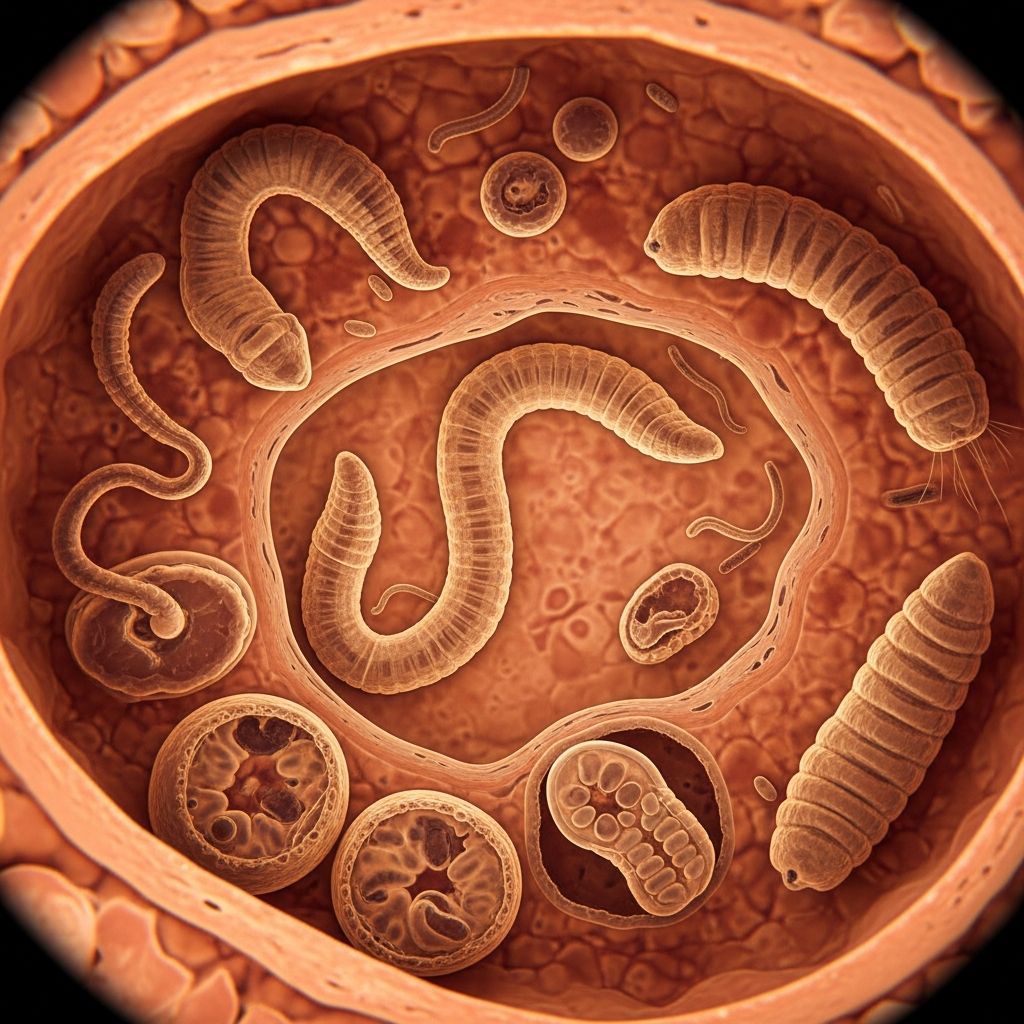
Intestinal parasites represent one of the most prevalent health challenges affecting dogs worldwide. These unwanted organisms can compromise your pet’s digestive system, nutrient absorption, and overall well-being. Understanding what parasites are, how they spread, and what steps you can take to protect your dog is essential for responsible pet ownership.
The Most Common Parasitic Invaders Affecting Dogs
Dogs can fall victim to several types of intestinal parasites, each with distinct characteristics and health implications. The four primary parasitic threats include roundworms, hookworms, whipworms, and tapeworms. Additionally, single-celled parasites like Giardia and coccidia pose significant concerns for canine health.
Roundworms represent the most frequently encountered intestinal parasite in dogs. These organisms appear similar to spaghetti when visible in stool samples and can reach considerable lengths within the intestinal tract. Young puppies frequently acquire roundworms from their mothers either through the placenta or during nursing.
Hookworms are particularly problematic parasites that attach to the intestinal walls and feed on blood. These parasites can cause significant anemia and lead to bloody diarrhea, creating serious health consequences for affected animals.
Whipworms are parasites that settle in the large intestine and can persist for extended periods. These organisms produce eggs that survive for remarkably long periods in moist environmental conditions, creating ongoing transmission risks.
Tapeworms differ from other intestinal parasites as dogs typically contract them by consuming infected prey animals or fleas. Segments of tapeworms may be visible in feces or around the anal area.
How Dogs Contract Intestinal Parasites
Understanding transmission pathways helps pet owners implement effective preventive measures. Different parasites utilize distinct routes to infect dogs.
Puppies frequently inherit roundworms from their mothers during pregnancy or nursing. Adult dogs acquire roundworms by ingesting contaminated eggs found in soil, feces, and wildlife. Environmental contamination plays a crucial role in transmission, making yard sanitation an important preventive practice.
Hookworms penetrate the skin or are ingested from contaminated environments. Whipworms spread through fecal contamination, with infective eggs becoming dangerous after spending four to eight weeks in the environment.
Tapeworm transmission typically occurs when dogs consume infected prey animals or harbor flea infestations. Flea control becomes an essential component of tapeworm prevention strategies.
Certain parasites like threadworms can spread through breast milk, creating additional transmission pathways during the nursing period.
Recognizing Parasitic Infection: Warning Signs and Symptoms
Identifying potential parasitic infections allows for prompt veterinary intervention. Dogs may display various symptoms depending on the parasite type and infection severity.
- Digestive disturbances: Diarrhea (sometimes containing blood), vomiting, and loose stools represent common indicators of parasitic presence.
- Physical appearance changes: Dogs may develop a swollen or pot-bellied abdomen, lose weight despite adequate feeding, and display a dull or coarse coat appearance.
- Energy level decline: Lethargy and reduced activity levels often accompany parasitic infections as organisms compete for nutrients.
- Nutritional problems: Poor nutrient absorption leads to stunted growth in puppies and general weight loss in adults.
- Systemic effects: Dehydration, anemia, loss of appetite, and abdominal pain may develop in moderate to severe infections.
- Respiratory symptoms: Coughing and respiratory distress occasionally occur with certain parasitic infections, particularly roundworms.
Some dogs show no visible signs despite harboring parasitic infections, making routine screening essential even when symptoms are absent.
Parasitic Infection Severity and Complications
While many parasitic infections remain manageable, severe infestations can produce serious complications. Intestinal blockages may occur in extreme cases, while pneumonia can develop with certain parasitic types. Severe whipworm infections occasionally cause massive rectal bleeding.[10] Some parasitic infections, particularly esophageal worms in rare circumstances, can prove fatal if left untreated.
Diagnostic Procedures: Confirming Parasitic Presence
Veterinary professionals employ specific diagnostic techniques to identify parasitic infections accurately. Microscopic fecal examination represents the standard diagnostic approach, where laboratory analysis of stool samples reveals parasite eggs or organisms.
Sometimes pet owners observe parasitic segments in stool samples or around the anal area, providing direct visual evidence requiring veterinary evaluation. Additional diagnostic methods may include endoscopy and radiographic imaging for certain parasitic types.
Prompt sample collection and analysis ensure accurate diagnosis, allowing veterinarians to recommend appropriate treatment protocols tailored to the specific parasitic organism.
Treatment Approaches and Deworming Protocols
Veterinary treatment varies depending on the parasitic organism and infection severity. Different medications target parasites through distinct mechanisms.
Roundworm treatment involves medications that detach worms from intestinal walls, allowing natural excretion through stool. Tapeworm medications break parasites into small segments that may not be visible in feces. Hookworm treatment kills adult parasites, though follow-up treatment two to four weeks later addresses parasites that were immature during initial treatment.
Puppies require deworming during multiple occasions throughout their first six months of life to address infections acquired from mothers. Pregnant dogs should receive treatment before giving birth to minimize transmission to offspring.
Single-cell parasites like coccidia and Giardia require different medications than traditional dewormers, as standard antiparasitic products prove ineffective against these organisms. Veterinarians recommend appropriate medications when these parasites are identified and causing illness.
Prevention Strategies: Protecting Your Dog From Parasitic Infection
Comprehensive prevention requires multiple coordinated approaches addressing different transmission pathways.
Environmental Management
Maintaining clean living areas significantly reduces parasitic transmission risks. Pet owners should promptly remove feces from housing areas and yards, as parasite eggs concentrate in contaminated waste. Regular yard maintenance, including eliminating moist areas where whipworm eggs thrive, creates less favorable conditions for parasitic survival.
Preventive Medication Programs
Monthly heartworm preventives offer dual benefits by protecting against heartworm while also preventing roundworm infections. Veterinarians can recommend comprehensive parasite prevention products addressing multiple parasitic threats simultaneously.
Dogs at high risk of reinfection benefit from periodic routine deworming as recommended by veterinary professionals. Flea control becomes essential for preventing tapeworm infections, as fleas serve as intermediate hosts for tapeworms.
Nutritional and Immune Support
Maintaining optimal nutrition and overall health strengthens dogs’ natural defenses against parasitic infection. Puppies and immunocompromised dogs face heightened vulnerability, requiring enhanced preventive measures.
Behavioral Prevention
Preventing dogs from consuming contaminated food sources, infected prey animals, and fecal matter reduces exposure to parasites. In regions where esophageal worms are prevalent, restricting access to dung beetles, small reptiles, and raw poultry reduces infection risk.
Zoonotic Risks: When Parasites Threaten Human Health
Certain dog parasites pose health risks to human family members, particularly young children. Roundworm infections can cause visceral larva migrans, a condition where larvae migrate through human organs producing fever, liver enlargement, and elevated eosinophil counts. Rarely, larvae settling in eye tissue can impair vision through ocular larva migrans.
Strict hygiene practices become essential when handling potentially infected dogs or contaminated areas. Children should receive guidance about handwashing after animal contact and avoiding soil containing potential parasitic contamination.
Threadworm infections pose particular risk to immunocompromised individuals, requiring careful handling practices when managing infected dogs.
When to Consult Your Veterinarian
Prompt veterinary consultation becomes necessary whenever vomiting, diarrhea, or other concerning symptoms appear. Pet owners who observe worms in stool or around the anal area should bring samples to veterinary appointments for identification. Young puppies require routine deworming regardless of visible symptoms, as maternal transmission commonly occurs.
Dogs showing signs of parasitic infection should begin treatment promptly to prevent further damage and minimize transmission risks. Regular veterinary wellness visits allow professionals to recommend appropriate parasite screening and prevention programs tailored to individual dogs’ risk factors.
Frequently Asked Questions About Canine Intestinal Parasites
How often should I have my dog tested for parasites?
Annual testing represents a reasonable baseline for adult dogs in typical risk categories. Puppies require more frequent screening, typically during veterinary visits in their first six months. Dogs with higher exposure risks or those living in warm, humid climates may benefit from more frequent testing. Consult your veterinarian about the appropriate testing schedule for your specific situation.
Can my dog get parasites from other dogs?
Yes, parasites spread through contact with contaminated environments and fecal matter. Dogs at parks, training facilities, or in multi-dog households face increased transmission risks. Environmental contamination remains contagious long after an infected dog departs, making thorough area sanitation important.
Are home remedies effective for treating dog parasites?
Veterinary-prescribed medications represent the most effective treatment approach. Home remedies lack scientific validation and may delay necessary treatment, allowing parasites to cause additional harm. Always consult your veterinarian for appropriate treatment recommendations rather than attempting unproven alternatives.
How long does treatment take to eliminate parasites?
Treatment duration varies depending on the parasitic organism and infection severity. Some parasites require single treatments, while others necessitate repeated doses weeks apart. Your veterinarian will provide specific timelines and follow-up recommendations based on the identified parasite type.
Creating a Comprehensive Parasite Prevention Plan
Effective parasite management requires coordinated strategies addressing prevention, early detection, and prompt treatment. Work with your veterinarian to develop a customized prevention program considering your dog’s age, lifestyle, geographic location, and health status.
Implement consistent yard sanitation practices, maintain current preventive medication schedules, schedule routine wellness examinations, and educate family members about hygiene practices. By understanding parasitic transmission routes and implementing proactive measures, pet owners can significantly reduce infection risks and maintain their dogs’ optimal health.
Regular communication with veterinary professionals ensures your dog receives appropriate parasite screening and preventive care throughout their lifetime, protecting both canine and human family members from parasitic threats.
References
- Intestinal Parasites in Dogs — Heartgard. https://heartgard.com/intestinal-parasites-in-dogs
- Gastrointestinal Parasites of Dogs — Merck Veterinary Manual. https://www.merckvetmanual.com/dog-owners/digestive-disorders-of-dogs/gastrointestinal-parasites-of-dogs
- Intestinal Parasites — Dupont Veterinary Clinic. https://dupontvetclinic.com/canine-internal-parasites/
- Intestinal Worms in Dogs — Blue Cross. https://www.bluecross.org.uk/advice/dog/health-and-injuries/intestinal-worms-in-dogs
- Intestinal Parasites in Cats and Dogs — American Veterinary Medical Association (AVMA). https://www.avma.org/resources-tools/pet-owners/petcare/intestinal-parasites-cats-and-dogs
- Internal Parasites in Dogs — VCA Animal Hospitals. https://vcahospitals.com/know-your-pet/internal-parasites-in-dogs
- Animal Care Aid: Intestinal Parasites in Dogs — USDA APHIS. https://www.aphis.usda.gov/sites/default/files/ac-aid-intestinal-parasites-in-dogs.pdf
Similar Articles








Read full bio of medha deb




