

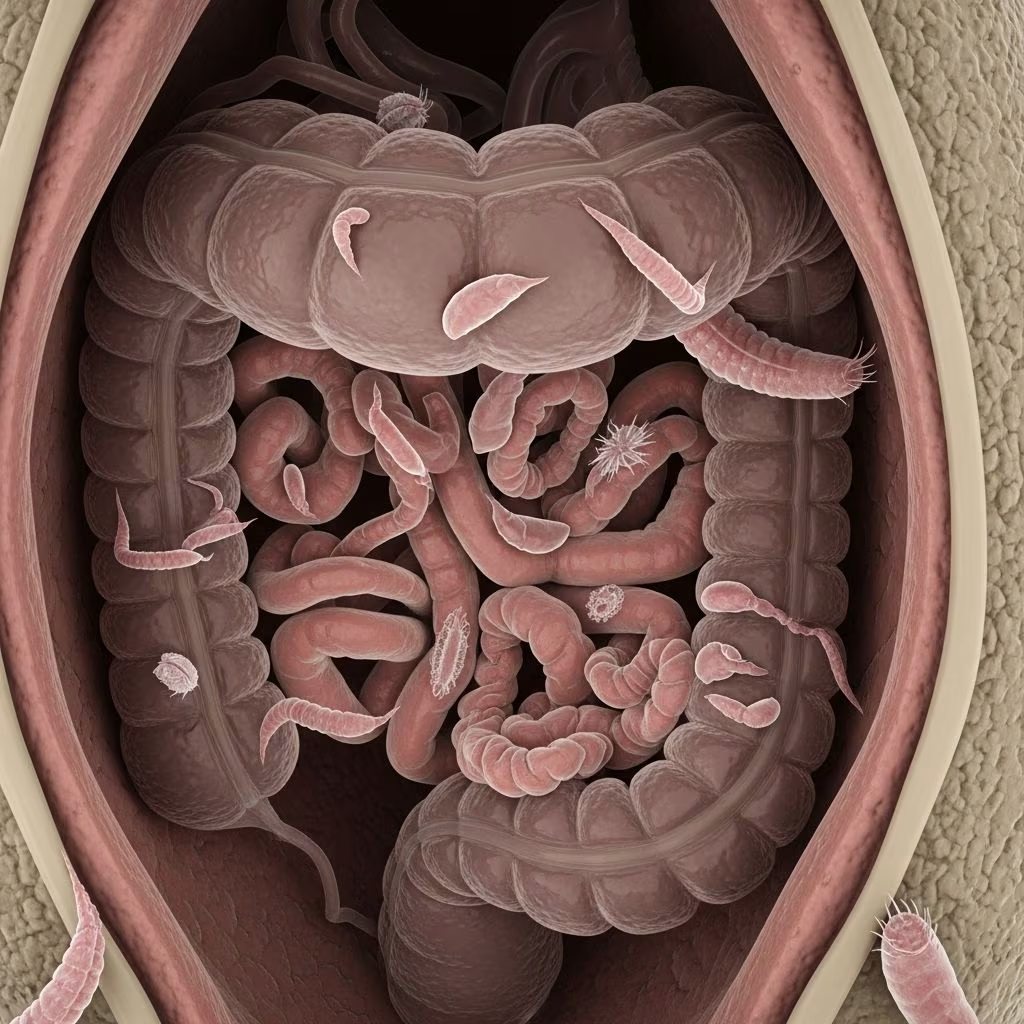
Internal parasites represent one of the most prevalent health challenges facing horse owners worldwide. These microscopic and macroscopic organisms can significantly impact equine performance, growth, and overall wellbeing. Understanding the types of parasites that affect horses, recognizing clinical signs, and implementing science-based management strategies are essential for maintaining herd health. Modern parasite control has evolved substantially, moving away from blanket deworming protocols toward individualized, targeted approaches that account for parasite resistance and each horse’s unique susceptibility profile.
The Spectrum of Internal Parasites Affecting Equines
Horses are susceptible to a diverse array of internal parasites, which fall into several distinct categories. Nematodes (roundworms) constitute the primary class of parasitic organisms that compromise equine health, encompassing both large and small strongyles along with ascarids. Additional parasitic burdens include tapeworms, pinworms, bot larvae, and threadworms, each with unique lifecycle characteristics and pathogenic mechanisms.
Understanding the distinctions between parasite types is crucial for implementing appropriate control measures. Large strongyles, historically among the most dangerous parasites, have become significantly less prevalent due to widespread chemical deworming programs. However, small strongyles (cyathostomins) have emerged as the primary concern for adult horses, displacing large strongyles as the leading parasite threat. In contrast, ascarids (roundworms) remain the most clinically relevant parasite affecting foals and young horses, though resistance patterns are evolving concerning.
Large Strongyles: Mechanisms of Damage and Modern Prevalence
Large strongyles present one of the most dangerous parasitic threats, despite their declining prevalence. These organisms migrate extensively through the horse’s body, particularly through blood vessels supplying the intestinal tract. This migratory behavior causes substantial hemorrhaging and vascular damage, potentially leading to tissue death when blood supply becomes compromised. The resulting complications can include severe, surgical-grade colic and rapid weight loss.
Infection occurs when horses consume larvae present on contaminated pasture or bedding. Once ingested, the larvae migrate through various body tissues before establishing in the intestinal tract. Diagnosis relies on fecal examination, where veterinarians identify characteristic eggs. Fortunately, modern antiparasitic medications effectively eliminate adult large strongyles, making them increasingly rare in well-managed operations.
Small Strongyles: The Modern Parasite Challenge
Small strongyles have become the predominant internal parasite concern for adult horses, requiring substantial management attention. These microscopic organisms employ a particularly challenging lifecycle that complicates traditional control approaches. Ingested larvae burrow into the intestinal wall lining, where they either continue development or enter hibernation during winter months.
The hibernation mechanism presents exceptional danger during spring months. As temperatures rise, large numbers of encysted larvae simultaneously emerge from the gut wall, causing extensive tissue damage. This mass emergence can precipitate severe intestinal inflammation, weight loss, diarrhea, and potentially fatal colic episodes. The clinical presentation often manifests as intermittent colic and progressive weight loss rather than acute, severe symptoms.
Drug resistance represents a substantial challenge in small strongyle management. Many parasite populations have developed resistance to common dewormers, necessitating strategic treatment approaches. Fecal egg count testing helps determine individual horses’ parasite shedding levels, enabling targeted treatment decisions rather than administering dewormers to all horses regardless of infection status.
Ascarids in Young Horses: Recognition and Treatment
Roundworms primarily affect foals and young horses, with infection sources including contaminated pastures, paddocks, and stalls from previous years’ foal populations. Clinical manifestations vary considerably depending on infection intensity. Lightly infected foals may show minimal signs, while heavily infected animals develop unthriftiness, energy loss, and occasionally severe intestinal obstruction.
Migrating larvae produce particular complications as they travel through the respiratory system, causing “summer colds” characterized by cough and nasal discharge. The potbelly appearance often observed in infected foals results from heavy worm burdens and associated malabsorption.
Resistance patterns in ascarid populations have become increasingly concerning. Many roundworm populations demonstrate resistance to ivermectin, moxidectin, pyrantel, and benzimidazole compounds. Current treatment recommendations favor benzimidazole dewormers (fenbendazole or oxibendazole) as the most effective options for resistant populations. Prevention through early, regular deworming beginning at 8 weeks of age, repeated every 6 to 8 weeks during the first year, substantially reduces infection intensity.
Additional Parasitic Concerns: Pinworms, Tapeworms, and Bots
Pinworms predominantly affect horses under 18 months of age, causing intense anal irritation through egg deposition around the anus. Affected horses display characteristic tail rubbing and anal scratching, resulting in hair loss and potential secondary bacterial infections. Clinical recognition becomes straightforward when white or yellow crusty masses appear around the anal region. Treatment with appropriate medications proves highly effective, though pinworms have developed resistance to ivermectin, making benzimidazole compounds preferable.
Tapeworms require distinct treatment protocols separate from strongyle management. Current recommendations specify tapeworm treatment once annually, typically during late fall or early winter following the first hard freeze. Treatment options include praziquantel or double-dose pyrantel pamoate administered as combination products.
Bot larvae present a unique parasitic challenge acquired through ingestion of eggs deposited on hair, particularly around the legs and shoulders. Stomach and oral irritation result from larval development, though treatment with standard medications effectively eliminates infestations. Regional control programs coordinating deworming efforts prove most effective in minimizing bot populations.
Clinical Recognition of Internal Parasite Infection
Internal parasite infections produce variable clinical presentations depending on parasite type and infection intensity. Common signs include weight loss, poor coat quality, lethargy, reduced growth rates in young animals, and ill-thrift. Gastrointestinal manifestations encompass diarrhea, colic episodes ranging from mild to surgical emergency severity, and abdominal distension.
Some infections produce system-specific signs. Large strongyle infections may cause peritonitis (abdominal wall membrane inflammation) and severe colic from intestinal damage and inadequate blood supply. Pinworm infections characteristically present with tail rubbing and hair loss. Respiratory signs including cough and nasal discharge emerge from migrating ascarid larvae transiting through lung tissue.
Importantly, horses may harbor substantial parasite populations while displaying no obvious clinical symptoms. This silent infection pattern complicates parasite detection without diagnostic testing. Fecal examination remains the primary diagnostic method, with veterinarians quantifying eggs per gram (EPG) to categorize shedding levels as low, moderate, or high.
Evidence-Based Deworming Strategies for Adult Horses
Modern parasite management philosophy has fundamentally shifted from universal, frequent deworming toward individualized protocols based on each horse’s risk profile and shedding characteristics. This strategic approach reduces unnecessary medication exposure while maintaining effective parasite control and slowing resistance development.
Foundational Treatment Framework
All adult horses benefit from a baseline of one to two deworming treatments annually. These foundational treatments should employ macrocyclic lactones (ivermectin or moxidectin), which effectively target strongyles and several other parasite types. Treatment timing should include one application effective against encysted larvae toward the grazing season’s conclusion—typically fall in temperate climates or spring in tropical regions.
Risk Stratification and Additional Treatment
Beyond baseline treatment, parasite management intensity depends on individual shedding classification:
- Low shedders (less than 200 eggs per gram) require only the foundational 1-2 annual treatments with no additional therapy needed
- Moderate shedders (200-500 EPG) benefit from 3-4 annual treatments, typically administered at strategic intervals including late summer applications
- High shedders (exceeding 500 EPG) require more frequent treatment, potentially 3-4 times yearly depending on specific circumstances
Tapeworm-Specific Management
Tapeworm control requires separate consideration within comprehensive parasite programs. Annual treatment during late fall or early winter with praziquantel or double-dose pyrantel pamoate effectively addresses tapeworm populations. This timing coincides with peak transmission periods and the season when horses are typically not actively grazing.
Medication Classes and Resistance Patterns
Multiple antiparasitic drug classes offer distinct advantages and limitations in modern equine practice. Understanding these distinctions enables informed treatment selection:
Benzimidazoles
Benzimidazole compounds (fenbendazole, oxibendazole) demonstrate broad-spectrum activity against roundworms, strongyles including encysted larvae, pinworms, and threadworms. These medications remain particularly valuable for roundworm treatment in foals and resistant pinworm populations in adult horses.
Pyrantel Compounds
Pyrantel pamoate and pyrantel tartrate target roundworms, strongyles, and pinworms. Pyrantel tartrate is specifically utilized for ascarid prevention in young horses when administered daily in grain. Double-dose pyrantel pamoate provides effective tapeworm control when standard doses prove insufficient.
Macrocyclic Lactones
Ivermectin and moxidectin, the macrocyclic lactone class, form the foundation of strongyle management in adult horses. These medications effectively target large strongyles, small strongyles including encysted larvae, and bot larvae. However, resistance to ivermectin has emerged in pinworm and some roundworm populations, limiting their utility in these specific scenarios.
Foal-Specific Deworming Protocols
Young horses require substantially different parasite management approaches compared to adults. Foals should receive initial deworming when approximately 8 weeks old, with treatments repeated at 6- to 8-week intervals throughout their first year. This intensive early protocol addresses ascarid infections that predominantly affect young animals before acquired immunity develops.
Daily administration of pyrantel tartrate in grain provides effective ascarid prevention without requiring periodic dosing events. This preventive strategy proves particularly valuable for foals maintained on pasture systems where ascarid transmission occurs readily.
Integrated Parasite Management: Beyond Medication
Effective parasite control extends far beyond medication administration. Environmental management and operational practices substantially influence parasitic challenge levels. It is important to recognize that complete parasite elimination represents neither achievable nor desirable—rather, management focuses on maintaining parasite populations below disease-causing thresholds.
Pasture Management Strategies
Limiting pasture contamination through strategic fecal management reduces environmental parasite loads significantly. Removing feces from paddocks on regular schedules prevents larvae from contaminating grazing areas. Rotating pastures between species—using cattle or sheep to graze paddocks previously occupied by horses—interrupts parasite lifecycles since many equine parasites cannot develop in non-equine species.
Housing and Facility Maintenance
Regular cleaning of stalls and housing areas removes eggs and larvae, reducing transmission rates. Composting manure adequately destroys parasitic stages through heat generation. Providing clean, fresh bedding and avoiding contaminated feed sources limits exposure.
Nutritional Support
Maintaining optimal nutrition enhances immune function and resistance to parasitic infection. Horses with strong nutritional status demonstrate greater natural immunity to parasite burdens compared to nutritionally compromised animals. This underscores the importance of quality hay, adequate protein, minerals, and vitamins in comprehensive parasite management.
Diagnostic Testing and Treatment Decisions
Fecal egg count testing provides objective data for informed treatment decisions. Rather than deworming all horses on fixed schedules, veterinarians can recommend treatment based on individual shedding patterns. This approach reduces unnecessary medication exposure, preserves dewormer effectiveness by slowing resistance development, and reduces treatment costs.
Testing typically occurs during late winter or spring to assess overwintering parasite populations and determine if horses warrant treatment. Additional testing can identify which horses qualify as low shedders unlikely to benefit from frequent deworming versus moderate or high shedders requiring more intensive management.
Emerging Challenges: Drug Resistance in Equine Parasites
Drug resistance has emerged as a substantial challenge in parasite management, particularly in small strongyle and roundworm populations. Many parasite populations demonstrate resistance to commonly used dewormers, necessitating strategic treatment approaches. Regular fecal testing and consideration of rotation between drug classes help mitigate resistance development.
Compounding this challenge, some roundworm species demonstrate evidence of adapting to overcome acquired immunity, leading to increased infection frequency even in adult horses historically resistant to ascarid infection. This adaptation pattern suggests intensifying surveillance and potential treatment reconsidering for previously low-risk populations.
Frequently Asked Questions About Equine Parasites
How often should I deworm my horse?
Deworming frequency depends on individual parasite shedding levels determined through fecal testing. Most adult horses benefit from 1-2 annual treatments; however, moderate to high shedders may require 3-4 treatments yearly. Consult with your veterinarian to develop an individualized program.
Can horses become immune to parasites?
Adult horses develop partial immunity to strongyles but do not achieve complete protection. This acquired immunity makes adult horses generally more resistant than young animals, though continuing parasite exposure can overcome immunity in some cases, particularly with evolving parasite populations.
What are signs my horse might have parasites?
Common signs include weight loss, poor coat quality, lethargy, reduced performance, diarrhea, and colic. However, many infected horses display no obvious symptoms despite substantial parasite burdens. Fecal testing provides definitive diagnosis.
Are all dewormers equally effective?
Different dewormer classes target specific parasites and resistance patterns vary considerably. Macrocyclic lactones effectively control strongyles; benzimidazoles prove superior for resistant roundworms and pinworms; pyrantel compounds offer broad activity. Your veterinarian can recommend appropriate selection based on parasite type and resistance patterns in your area.
Should I implement a regular deworming schedule or use fecal testing?
Evidence-based practice supports fecal testing to guide treatment decisions rather than universal regular schedules. This approach reduces unnecessary medication, slows resistance development, and enables targeted treatment of horses that genuinely require it.
Conclusion: Creating a Sustainable Parasite Management Program
Effective equine parasite management integrates multiple strategies including strategic medication, environmental control, diagnostic testing, and nutritional support. Rather than viewing parasite control as simply administering dewormers, modern approaches recognize parasites as inevitable components of horse management requiring thoughtful, individualized strategies to maintain health without creating drug-resistant populations. Working collaboratively with veterinary professionals to develop customized programs based on scientific evidence and your specific operation’s characteristics ensures optimal outcomes for equine health and parasite control sustainability.
References
- Gastrointestinal Parasites of Horses – Horse Owners — MSD Veterinary Manual. https://www.msdvetmanual.com/horse-owners/digestive-disorders-of-horses/gastrointestinal-parasites-of-horses
- Internal Parasites in Horses – Types, Symptoms, Treatment — Mad Barn. https://madbarn.com/internal-parasites-in-horses/
- Common Internal Parasites of the Horse — Oklahoma State University Extension. https://extension.okstate.edu/fact-sheets/common-internal-parasites-of-the-horse.html
- Intestinal Parasites in Horses — UC Davis School of Veterinary Medicine Center for Equine Health. https://ceh.vetmed.ucdavis.edu/health-topics/intestinal-parasites-horses
- Types Of Worms Found In Horses — Blue Cross UK. https://www.bluecross.org.uk/advice/horse/health-and-injuries/types-of-worms-found-in-horses
- Types of parasites and worms in horses — MSD Animal Health Hub. https://www.msd-animal-health-hub.co.uk/Healthy-Horses/Health/Parasites-Worms
- Prevalent Parasites: Common Types of Equine Internal Parasites — Penn State Extension. https://extension.psu.edu/prevalent-parasites-common-types-of-equine-internal-parasites/



