Understanding Immune-Mediated Thrombocytopenia
Explore the causes, symptoms, diagnosis, and treatments for immune-mediated thrombocytopenia in dogs, a serious autoimmune condition affecting platelet counts.
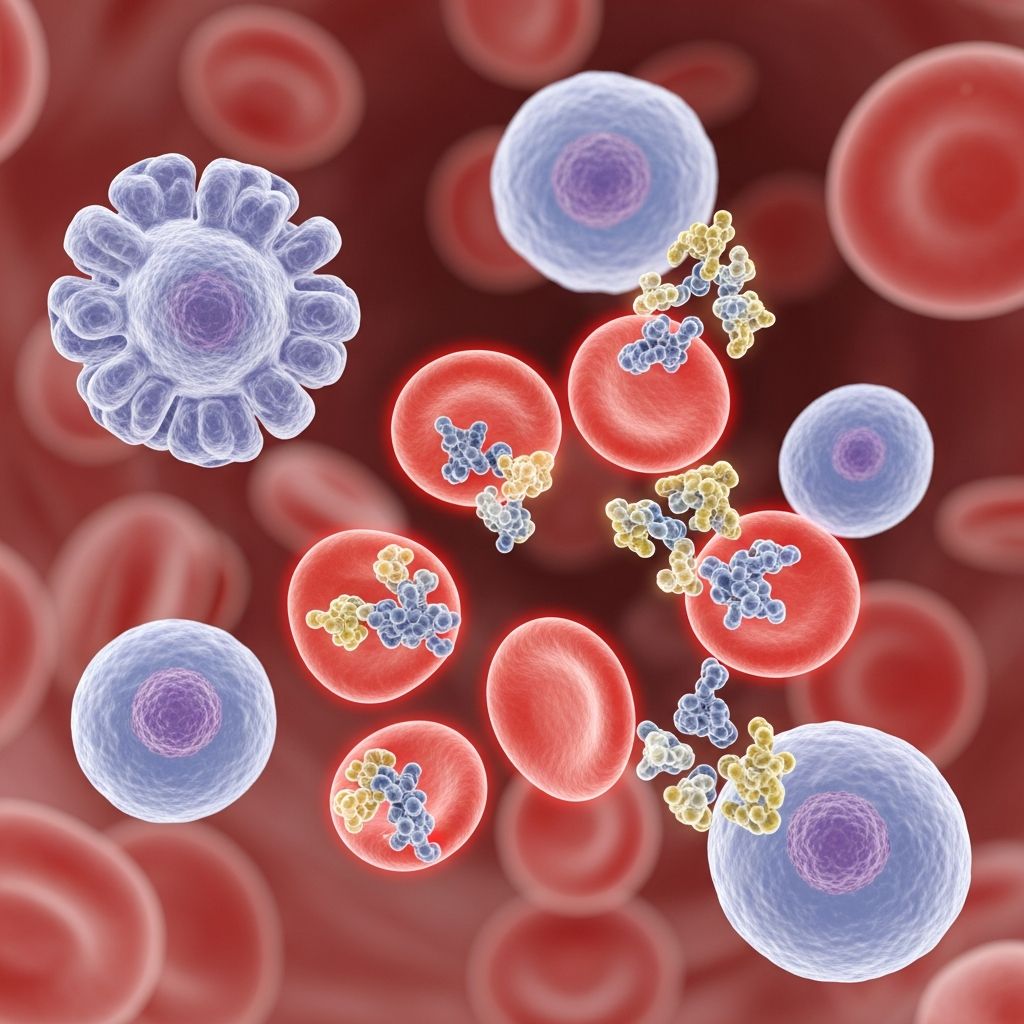
Immune-mediated thrombocytopenia (IMT), also known as immune-mediated thrombocytopenic purpura (ITP), is a critical autoimmune disorder primarily affecting dogs, where the body’s immune system erroneously targets and destroys its own platelets. Platelets, or thrombocytes, are essential blood cells responsible for clotting and preventing excessive bleeding. When their numbers drop dangerously low—a condition called thrombocytopenia—pets face heightened risks of spontaneous hemorrhage. This article delves into the mechanisms, recognition, evaluation, management, and long-term outlook for IMT in canine patients, drawing from established veterinary knowledge to empower pet owners and professionals alike.
The Role of Platelets in Canine Health
Before exploring IMT, it’s vital to grasp platelets’ function. These tiny, disc-shaped cells circulate in the bloodstream, numbering between 200,000 to 500,000 per microliter in healthy dogs. Upon vascular injury, platelets rapidly aggregate at the site, forming a plug that initiates clotting. This process, termed primary hemostasis, is complemented by the coagulation cascade for stable clot formation.
In IMT, platelet counts often plummet below 50,000/μL, and severe cases dip under 20,000/μL, impairing clotting and inviting bleeding episodes. Unlike other thrombocytopenias from bone marrow failure or consumption, IMT stems from immune destruction, making it uniquely challenging.
Unraveling the Pathophysiology of IMT
IMT arises when the immune system produces autoantibodies, predominantly immunoglobulin G (IgG), that bind to platelet surface glycoproteins like GPIIb/IIIa or GPIb/IX. These coated platelets are flagged for removal by macrophages in the spleen, liver, and bone marrow. The spleen acts as the primary filter, accelerating platelet clearance and shortening their lifespan from 5-7 days to mere hours.
- Primary IMT: Idiopathic, with no identifiable trigger; most common in dogs.
- Secondary IMT: Triggered by infections (e.g., Ehrlichia), neoplasia, drugs, vaccines, or other immune stressors.
This dysregulation may involve T-cell dysfunction or molecular mimicry, where foreign antigens resemble platelet proteins, sparking autoimmunity. Resultant thrombocytopenia manifests as mucocutaneous bleeding, as these areas lack robust vascular support.
Recognizing Clinical Manifestations
Dogs with IMT often present subtly at first, masking the urgency. Common signs include:
- Lethargy, weakness, and exercise intolerance due to anemia from blood loss.
- Anorexia and mild fever from inflammatory cytokines.
- Skin petechiae (pinpoint red spots) or ecchymoses (larger bruises), especially on abdomen, gums, and pinnae.
- Mucosal bleeding: epistaxis (nosebleeds), hematuria (bloody urine), melena (black, tarry stools), or hematemesis (bloody vomit).
Severe cases feature pale mucous membranes, tachycardia, collapse, or organ-specific bleeds like intraocular hemorrhage causing blindness or intracranial events leading to seizures. Up to 50% show splenomegaly on palpation. Notably, some dogs appear clinically normal despite profound thrombocytopenia, complicating early detection.
Diagnostic Approaches for Accurate Identification
Diagnosing IMT requires excluding non-immune causes. A complete blood count (CBC) reveals thrombocytopenia, often with regenerative anemia if bleeding is chronic. Blood smear examination rules out platelet clumping artifacts, a common pseudothrombocytopenia pitfall.
| Test | Purpose | Expected Findings in IMT |
|---|---|---|
| CBC with platelet estimate | Quantify platelets | <50,000/μL, no giant platelets |
| Blood smear | Rule out pseudothrombocytopenia | True low count, no schistocytes |
| Coagulation panel (PT/PTT) | Exclude DIC | Normal |
| Tick panels, retroviral tests | Identify secondary causes | Negative in primary IMT |
Advanced diagnostics include bone marrow aspirate to confirm megakaryocyte hyperplasia (indicating compensatory production) and flow cytometry for anti-platelet antibodies, though not routinely available. Imaging like abdominal ultrasound assesses splenomegaly or neoplasia.
Therapeutic Strategies: Stabilizing and Suppressing
Treatment prioritizes halting immune destruction, supporting hemostasis, and addressing triggers. Immunosuppression forms the cornerstone:
- Vincristine: First-line; microtubule inhibitor that promotes megakaryocyte platelet release and splenic clearance. 0.02 mg/kg IV weekly.
- Prednisone: 2-4 mg/kg/day PO; suppresses antibody production but risks GI ulceration.
- Other agents: Cyclosporine, azathioprine for refractory cases; mycophenolate mofetil as steroid-sparing.
Supportive care includes:
- Platelet transfusions for counts <10,000/μL or active bleeding (short-lived due to destruction).
- Avoid NSAIDs/aspirin; use gastroprotectants.
- Antibiotics if infection suspected.
Response is monitored via serial CBCs; platelets often rise within 3-7 days. Relapse is common upon tapering, necessitating long-term low-dose therapy.
Prognostic Factors and Long-Term Management
With prompt intervention, 80-90% of dogs achieve remission, though 20-30% relapse. Poor prognosticators include platelet-independent bleeding, coexisting IMHA (Evans syndrome), or secondary causes like cancer. Survival exceeds 1 year in most primary cases.
Owners must commit to lifelong monitoring: monthly CBCs initially, then quarterly. Lifestyle adjustments minimize trauma—soft bedding, no rough play. Breed predispositions (e.g., Cocker Spaniels, Old English Sheepdogs) warrant vigilance.
FAQs on Immune-Mediated Thrombocytopenia in Dogs
What triggers IMT in dogs?
Primary IMT is idiopathic; secondary follows infections, vaccines, drugs, or neoplasia. Exact mechanisms involve autoantibody production.
Can IMT be cured?
Not curative, but manageable. Many dogs live normally with maintenance therapy.
Is IMT fatal?
Potentially, if untreated severe bleeding occurs, but early treatment yields high survival rates.
How is IMT different from other bleeding disorders?
IMT shows isolated thrombocytopenia with normal coagulation times, unlike DIC or rodenticide toxicity.
Should vaccinated dogs worry?
Vaccines rarely trigger secondary IMT; benefits outweigh risks in most cases. Consult your vet.
Preventive Measures and Owner Education
While unpreventable, tick control and prompt illness treatment reduce secondary risks. Educate on recognizing petechiae early. Veterinary follow-ups are crucial for tapering immunosuppressants safely, avoiding iatrogenic complications like diabetes or infections.
References
- Immune-mediated thrombocytopaenia — Wikipedia. 2023. https://en.wikipedia.org/wiki/Immune-mediated_thrombocytopaenia
- Immune-Mediated Thrombocytopenia (IMTP) — VetSpecialty. 2024. https://www.vetspecialty.com/specialties/internal-medicine/immune-mediated-thrombocytopenia-imtp/
- Immune Mediated Thrombocytopenia (IMTP) in dogs — NDSR. 2023. https://www.ndsr.co.uk/information-sheets/immune-mediated-thrombocytopenia-imtp-in-dogs/
- Immune-Mediated Thrombocytopenia (ITP) in Dogs — PetMD. 2024. https://www.petmd.com/dog/conditions/cardiovascular/immune-mediated-thrombocytopenia-itp-dogs
- Immune Thrombocytopenia – StatPearls — NCBI Bookshelf (NIH). 2023-10-01. https://www.ncbi.nlm.nih.gov/books/NBK562282/
- Immune-Mediated Thrombocytopenia in Dogs and Cats — VCA Animal Hospitals. 2024. https://vcahospitals.com/know-your-pet/immune-mediated-thrombocytopenia-in-dogs-and-cats
Similar Articles








Read full bio of medha deb