

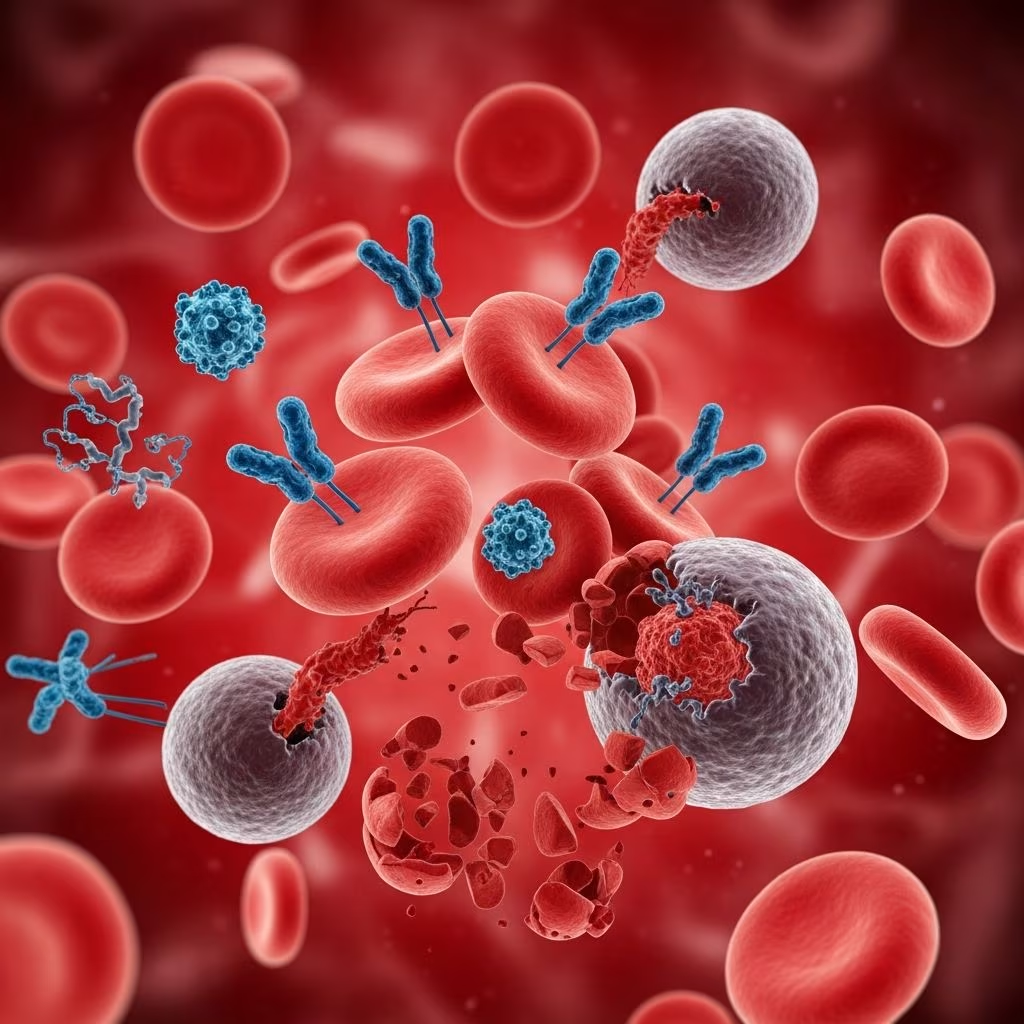
Immune-mediated hemolytic anemia (IMHA) represents one of the most significant autoimmune disorders encountered in veterinary practice today. This condition occurs when the body’s immune system mistakenly identifies and attacks its own red blood cells, leading to premature destruction and a cascade of clinical complications. Understanding the mechanisms, recognition, and management of IMHA is essential for pet owners and veterinary professionals seeking to provide optimal care for affected animals.
Defining the Condition and Its Mechanism
At its core, IMHA is characterized by the production of antibodies that target and destroy an animal’s own red blood cells (RBCs). Red blood cells normally survive approximately 120 days in circulation, providing essential oxygen transport to tissues throughout the body. However, in IMHA, this lifespan is drastically reduced as the immune system recognizes these vital cells as foreign invaders. The resulting decrease in circulating red blood cells creates a state of anemia, where insufficient healthy red blood cells are available to meet the body’s oxygen demands.
The pathophysiology of IMHA involves several distinct mechanisms of red blood cell destruction. Most commonly, immunoglobulin G (IgG) antibodies coat the surface of red blood cells, marking them for destruction by macrophages in the spleen and other organs through a process called extravascular hemolysis. In some cases, immunoglobulin M (IgM) antibodies activate the complement system, a cascade of proteins that directly ruptures red blood cells in a process known as intravascular hemolysis. Understanding these mechanisms helps explain the varying severity and presentation patterns observed in different IMHA cases.
Classification: Primary Versus Secondary Forms
IMHA is classified into two distinct categories based on whether an underlying trigger can be identified. This classification significantly influences treatment approaches and long-term prognosis.
Primary IMHA (Idiopathic)
Primary IMHA occurs when no identifiable underlying cause can be determined. The immune system inexplicably begins attacking red blood cells without an external trigger. Approximately 75% of dogs with IMHA present with the primary form, where the condition appears to arise spontaneously. While the exact cause remains unknown, research suggests a potential genetic component, with certain breeds demonstrating higher predispositions. American Cocker Spaniels, for example, account for approximately 33% of all diagnosed IMHA cases. Other breeds at increased risk include Poodles, Cocker Spaniels, English Springer Spaniels, and mixed breeds.
Secondary IMHA
Secondary IMHA develops as a consequence of an underlying disease or condition that triggers immune system dysfunction. Identifying and treating the primary condition is crucial for managing secondary IMHA effectively. Common underlying causes include:
- Infectious agents such as Mycoplasma pneumoniae, Epstein-Barr virus, and cytomegalovirus
- Lymphoproliferative malignancies including chronic lymphocytic leukemia and non-Hodgkin’s lymphoma
- Autoimmune disorders such as systemic lupus erythematosus
- Blood transfusions from incompatible donors
- Certain medications, including cephalosporins, penicillins, and non-steroidal anti-inflammatory drugs
- Vaccination reactions in susceptible individuals
- Pregnancy-related immune complications when fetal and maternal blood types differ
Clinical Presentation and Symptomatology
The clinical signs of IMHA develop as a direct consequence of reduced red blood cell numbers and impaired oxygen delivery to tissues. The severity of symptoms correlates with the degree of anemia and the speed of red blood cell destruction.
Common clinical signs include:
- Lethargy and exercise intolerance
- Pale or icteric (yellowish) gums and mucous membranes
- Rapid heart rate (tachycardia)
- Rapid breathing (tachypnea)
- Loss of appetite
- Weakness and collapse in severe cases
- Dark-colored urine
- Fever
The speed of symptom onset varies considerably. Some animals present with acute, severe illness requiring emergency intervention, while others develop signs gradually over days or weeks. Cold-agglutinin disease, a variant form of IMHA involving IgM antibodies, may produce additional symptoms including pain and discoloration of the extremities when exposed to cold temperatures.
Diagnostic Approaches and Laboratory Evaluation
Accurate diagnosis of IMHA requires a systematic approach combining clinical evaluation with specialized laboratory testing.
Complete Blood Count (CBC)
The CBC reveals the degree of anemia, characterized by a reduced red blood cell count, hemoglobin concentration, and hematocrit value. Additionally, the CBC demonstrates a regenerative response, indicated by increased reticulocyte counts as the bone marrow attempts to compensate for red blood cell loss. Many IMHA cases present with moderate to severe anemia.
The Direct Antiglobulin Test (DAT)
The DAT, also known as the Coombs test, is the hallmark diagnostic test for IMHA. This test detects antibodies or complement components bound to the surface of red blood cells. A positive DAT result provides strong evidence of immune-mediated red blood cell destruction. However, approximately 5-10% of IMHA cases may present with negative DAT results due to low antibody concentrations, weak binding affinity, or the presence of IgA antibodies not detected by standard testing reagents.
Additional Diagnostic Testing
Comprehensive metabolic panels and urinalysis help identify secondary causes and assess organ function. Blood smear examination may reveal spherocytes (small, dense red blood cells) and nucleated red blood cells indicative of accelerated bone marrow response. Imaging studies may be warranted to investigate underlying lymphoproliferative diseases or other secondary causes.
Treatment Strategies and Management Protocols
Treatment of IMHA focuses on suppressing the aberrant immune response, supporting red blood cell production, and addressing any underlying conditions. Management approaches vary based on disease severity, primary versus secondary classification, and individual patient factors.
Immunosuppressive Therapy
Corticosteroids remain the first-line immunosuppressive agent for IMHA management. These medications reduce antibody production and inhibit macrophage function, decreasing red blood cell destruction. Most animals require prolonged corticosteroid therapy with gradual dose reduction over several months.
For cases refractory to corticosteroids alone, additional immunosuppressive agents may be incorporated, including azathioprine, cyclosporine, or mycophenolate mofetil. Newer targeted therapies such as rituximab and kinase inhibitors show promise in managing difficult cases.
Supportive Care
Supportive measures form the foundation of IMHA management. Blood transfusions may be necessary in severely anemic animals to restore oxygen-carrying capacity and stabilize hemodynamic function. Intravenous fluid therapy maintains hydration and supports organ perfusion. In cold-agglutinin disease, maintaining body temperature through environmental control and warm blankets is essential.
Management of Secondary IMHA
When secondary IMHA is identified, treating the underlying condition becomes a critical component of the therapeutic approach. This may involve antimicrobial therapy for infections, chemotherapy for malignancies, or discontinuation of offending medications.
Prognosis and Long-Term Outcomes
The prognosis for IMHA varies considerably based on disease severity, primary versus secondary classification, and treatment response. Animals presenting with mild to moderate anemia and rapid treatment initiation typically have favorable outcomes. Those with severe anemia, concurrent organ failure, or secondary IMHA face more guarded prognoses.
Approximately 50-75% of animals with primary IMHA respond adequately to immunosuppressive therapy, though many require prolonged treatment courses. Some animals achieve remission and can be gradually weaned from medications, while others require lifelong suppressive therapy. Complications including thromboembolism, infection, and organ damage significantly impact survival rates.
Risk Factors and Preventive Considerations
While primary IMHA cannot be entirely prevented, understanding risk factors allows for heightened vigilance in susceptible populations. Breed predisposition suggests potential genetic factors warrant careful consideration in breeding decisions. Prompt treatment of infectious diseases and careful medication selection in genetically predisposed breeds may reduce secondary IMHA risk.
Frequently Asked Questions
Is IMHA contagious?
No, IMHA is not contagious. It is an autoimmune condition where the body’s own immune system malfunctions. Neither direct contact nor proximity to affected animals will transmit the disease to other pets or humans.
Can IMHA be cured?
IMHA can be managed effectively with appropriate treatment, but it is not always curable in the traditional sense. Some animals achieve permanent remission and may be weaned from medications, while others require lifelong immunosuppressive therapy to maintain stable red blood cell counts.
How quickly does IMHA develop?
IMHA can develop rapidly over hours to days, or gradually over weeks. The speed of onset depends on factors including disease severity, antibody titers, and the efficiency of red blood cell destruction. Emergency presentation is common.
What is the cost of IMHA treatment?
Treatment costs vary significantly based on disease severity, diagnostic requirements, and duration of therapy. Initial diagnostic evaluation and emergency stabilization may cost between $1,500 and $5,000, with ongoing treatment ranging from several hundred to several thousand dollars monthly depending on medication requirements and monitoring frequency.
Can diet influence IMHA management?
While diet alone cannot treat IMHA, maintaining excellent nutritional status supports overall health and immune function. High-quality proteins and micronutrients including iron, B vitamins, and antioxidants support red blood cell production. Consulting with a veterinary nutritionist can optimize dietary support during treatment.
Monitoring and Follow-Up Care
Successful IMHA management requires consistent monitoring and regular reassessment. Complete blood counts should be performed every 1-2 weeks initially to assess treatment response, then gradually extended to longer intervals as stability is achieved. Packed cell volume (PCV) or hematocrit values guide immunosuppressive medication dosing adjustments. Physical examination findings, clinical signs, and patient energy levels provide additional indicators of treatment efficacy.
Animals on chronic immunosuppressive therapy require periodic monitoring of liver and kidney function, as some medications carry potential for organ toxicity. Regular veterinary communication allows for medication adjustments based on clinical response and any emerging complications.
Conclusion
Immune-mediated hemolytic anemia represents a complex autoimmune disorder requiring prompt recognition and sophisticated management. Through understanding disease mechanisms, accurate diagnosis, and evidence-based treatment protocols, veterinary professionals can significantly improve outcomes for affected animals. While challenges remain, particularly in managing refractory cases, advancing therapeutic options continue to expand treatment possibilities. Pet owners recognizing suspicious clinical signs should seek immediate veterinary evaluation, as early intervention substantially improves treatment success rates and overall prognosis for animals afflicted with this serious condition.
References
- Immune hemolytic anemia — MedlinePlus Medical Encyclopedia, National Library of Medicine. 2024. https://medlineplus.gov/ency/article/000576.htm
- Hemolytic Anemia: Evaluation and Differential Diagnosis — American Academy of Family Physicians, American Family Physician Journal. 2018-09-15. https://www.aafp.org/pubs/afp/issues/2018/0915/p354.html
- Autoimmune Hemolytic Anemias: Classifications, Pathophysiology, Diagnosis, and Treatment — National Center for Biotechnology Information, PubMed Central. 2024. https://pmc.ncbi.nlm.nih.gov/articles/PMC11049952/
- Autoimmune Hemolytic Anemia: Symptoms & Treatment — Cleveland Clinic. 2024. https://my.clevelandclinic.org/health/diseases/22349-autoimmune-hemolytic-anemia
- Autoimmune Hemolytic Anemia in Dogs — VCA Animal Hospitals. 2024. https://vcahospitals.com/know-your-pet/autoimmune-hemolytic-anemia-in-dogs
- IMHA (Immune-Mediated Hemolytic Anemia) in Dogs — PetMD. 2024. https://www.petmd.com/dog/conditions/cardiovascular/imha-immune-mediated-hemolytic-anemia-dogs
- Autoimmune Hemolytic Anemia (AIHA) — Boston Children’s Hospital. 2024. https://www.childrenshospital.org/conditions-treatments/autoimmune-hemolytic-anemia



