

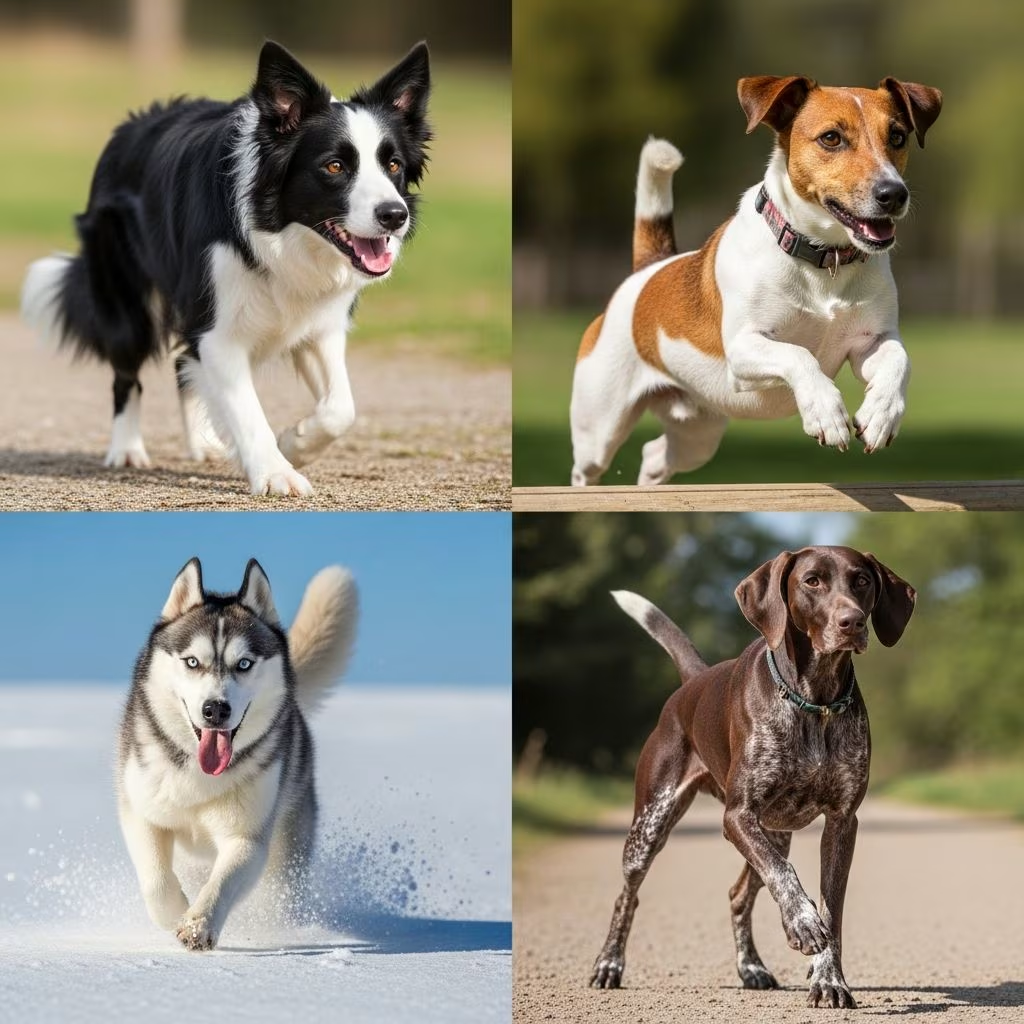
Selecting the right canine companion requires understanding the fundamental differences between dog breeds, particularly regarding their activity levels and exercise demands. High-energy dogs represent a distinct category of breeds characterized by boundless enthusiasm, exceptional stamina, and a genuine need for consistent physical and mental engagement. These breeds are not merely active—they are driven by genetics and historical breeding purposes to remain in motion and seek stimulation throughout their waking hours.
What Constitutes a High-Energy Dog?
High-energy dogs are fundamentally different from their more laid-back counterparts. These animals possess an intrinsic need for regular, vigorous activity that goes beyond simple daily walks. Their elevated energy levels stem from their genetic makeup and historical roles in human society. Many of these breeds were developed for specialized work such as herding livestock, hunting game, pulling sleds across frozen terrain, or guarding property and livestock from predators. This breeding heritage has created dogs whose minds and bodies are naturally inclined toward constant activity and engagement.
The characteristics of high-energy breeds include an obvious love of movement, enthusiasm for play, and a remarkable capacity for endurance. These dogs typically excel in competitive dog sports, respond well to advanced training programs, and thrive when given opportunities to engage in activities that challenge both their physical capabilities and mental acuity. Without adequate outlets for their energy, these breeds are prone to developing problematic behaviors including excessive barking, destructive chewing, and other manifestations of boredom and frustration.
Prominent High-Energy Breeds and Their Origins
The Border Collie: Intelligence Meets Athleticism
Border Collies consistently rank among the most intelligent dog breeds globally, and this mental sharpness pairs seamlessly with their exceptional energy levels. Originally developed for herding livestock in the border regions between England and Scotland, these medium-sized dogs require substantial physical activity combined with mental challenges to remain satisfied. Without proper exercise and cognitive stimulation, Border Collies become susceptible to boredom-related behavioral issues such as excessive vocalization and destructive tendencies. They excel in dog sports including agility competitions, flyball, and herding trials, making them ideal for owners committed to engaging in advanced training and competitive pursuits.
The German Shorthaired Pointer: Versatile Hunter
Originally bred for hunting game birds and other prey, German Shorthaired Pointers are large, versatile dogs that thrive when their hunting instincts are properly channeled. These muscular athletes excel in activities that tap into their natural inclinations, such as tracking, retrieving, and field work. They are excellent companions for active individuals who enjoy running, swimming, and outdoor exploration. Their strong prey drive and substantial exercise requirements make them best suited for owners who can provide extensive outdoor adventures and active engagement. Unlike companion or lap dogs, German Shorthaired Pointers require owners prepared for a lifestyle centered around physical activity.
The Siberian Husky: Endurance Athletes of the Canine World
Siberian Huskies were originally bred for pulling sleds across vast, frozen expanses of Siberia, developing remarkable endurance and a natural drive for physical exertion. These medium to large dogs possess an innate instinct for regular, energetic exercise and thrive in environments that support active lifestyles, particularly in cooler climates. Their love of snow and cold weather makes them particularly well-suited for winter sports enthusiasts. These dogs require significant daily exercise and mental stimulation to prevent boredom-related destructive behaviors. Their independent nature and strong-willed personality demand experienced owners who understand their unique temperament and exercise needs.
The Weimaraner: The Velvet Athlete
Known for their striking silver-gray coat and exceptional athleticism, Weimaraners were originally developed as hunting companions for European nobility pursuing large game. These large dogs possess high stamina and require substantial exercise to remain content and well-behaved. Weimaraners are excellent jogging or hiking partners, thriving in activities that utilize their natural athleticism and intelligence. However, they are particularly prone to separation anxiety due to their strong attachment to their owners, requiring committed owners who can provide near-constant companionship alongside regular vigorous exercise.
The Australian Shepherd: Intelligent and Adaptable
Despite their name suggesting Australian origins, Australian Shepherds were actually developed in North America for herding livestock. These highly intelligent dogs are not only full of energy but also eager to please, making them fantastic partners in diverse activities ranging from hiking to competitive obedience. Their adaptability and enthusiasm mean they are always prepared for the next adventure, whether that involves a trail run or an intensive training session. They require at least one hour of physical exercise daily, supplemented with mental stimulation through activities such as frisbee, problem-solving games, and obedience courses.
The Belgian Malinois: The Working Dog Par Excellence
Belgian Malinois are frequently employed in police, military, and security roles due to their exceptional intelligence, agility, and relentless energy. These highly trainable dogs are not merely active—they are incredibly driven and require extensive exercise, mental challenges, and purposeful tasks to maintain psychological balance. Effective management of this breed extends far beyond casual neighborhood walks. They thrive on specialized activities including agility training, herding work, and running, combined with regular mental stimulation through advanced obedience training and problem-solving exercises.
Additional Notable High-Energy Breeds
Several other breeds warrant consideration for those seeking high-energy companions. The Australian Cattle Dog, bred for herding cattle across challenging terrain, requires significant daily activity. Jack Russell Terriers, despite their compact size, pack extraordinary energy levels inherited from their original purpose of fox hunting. Rhodesian Ridgebacks, originally developed to hunt lions in Africa, combine strength and endurance with an independent nature requiring confident, consistent ownership. Dalmatians have a rich history running alongside carriages, which explains their remarkable endurance and suitability for long-distance running activities. Spring Spaniels, bred for flushing and retrieving game, excel in water sports and agility training.
Essential Care Requirements for High-Energy Breeds
Physical Exercise Demands
High-energy dog breeds require substantially more physical activity than their low-energy counterparts. A general guideline suggests that these dogs need a minimum of one to two hours of vigorous exercise daily, though individual requirements vary based on age, health status, and specific breed characteristics. This exercise should not consist merely of casual leash walks but should include activities that genuinely challenge the dog’s physical capabilities and satisfy their athletic nature.
Effective exercise options include running, hiking, swimming, agility training, field work, and competitive dog sports. Many high-energy breeds thrive when given opportunities to engage in activities aligned with their historical breeding purposes. For example, herding breeds benefit from herding trials or training, hunting breeds excel in field work or tracking activities, and sled dogs appreciate running activities and pulling-based exercises.
Mental Stimulation and Cognitive Engagement
Physical exercise alone is insufficient for most high-energy breeds. These dogs require equally robust mental stimulation to remain psychologically satisfied and behaviorally balanced. Mental challenges can take numerous forms, including advanced obedience training, puzzle toys, problem-solving games, scent work, and interactive training sessions that engage the dog’s cognitive abilities.
The combination of physical and mental stimulation is particularly important because it addresses both the dog’s body and mind. Dogs lacking adequate mental stimulation may develop behavioral problems despite receiving sufficient physical exercise. Incorporating training sessions, intelligence games, and tasks that require problem-solving into daily routines helps maintain psychological balance and prevents boredom-related destructive behaviors.
Grooming and Maintenance Considerations
Grooming requirements vary considerably among high-energy breeds. Some, such as German Shorthaired Pointers and Weimaraners, require only occasional brushing and have relatively low maintenance coats. Others, including Siberian Huskies and Australian Shepherds, have dense coats requiring regular grooming, particularly during shedding seasons. Understanding breed-specific grooming needs helps owners maintain their dog’s coat health while managing shedding effectively.
Suitability Assessment: Is a High-Energy Breed Right for You?
Ideal Owner Characteristics
High-energy dog breeds are best suited for individuals and families who genuinely embrace an active lifestyle. Prospective owners should honestly evaluate their capacity to provide consistent, substantial exercise and mental stimulation. These dogs are not appropriate for sedentary individuals or those living in apartments without access to outdoor space and nearby recreational opportunities. Families with active members who enjoy outdoor activities, competitive dog sports, or adventure-based recreation tend to experience greater success with these breeds.
Experience matters significantly as well. Some high-energy breeds, particularly those with independent or strong-willed temperaments, benefit from owners with prior dog ownership experience or those willing to invest in professional training guidance. Owners must demonstrate commitment, consistency, and the ability to provide firm, fair leadership that these intelligent and driven dogs require.
Living Environment Considerations
While high-energy breeds can adapt to various living situations, they genuinely thrive in environments offering ample outdoor space and proximity to recreational opportunities. Homes with large yards provide valuable space for play and exploration. Access to parks, hiking trails, running paths, and dog-friendly recreational areas significantly enhances the quality of life for these active companions. Urban dwellers can successfully raise high-energy breeds, but they must be particularly committed to providing structured exercise and recreational opportunities compensating for limited residential outdoor space.
Common Challenges and Solutions
Managing Excess Energy and Boredom
One of the primary challenges of raising high-energy dogs involves preventing boredom-related behavioral problems. Dogs not receiving adequate exercise or mental stimulation frequently develop problematic behaviors including excessive barking, destructive chewing, digging, and inappropriate aggression. The solution requires honest assessment of available time and resources, followed by development of a structured exercise and enrichment schedule that genuinely meets the dog’s needs.
Training and Behavioral Development
High-energy breeds typically respond well to positive reinforcement training methods that harness their intelligence and eagerness to please. Enrolling in obedience classes, agility training programs, or working with professional trainers can provide structure and guidance while strengthening the bond between dog and owner. Consistent training helps channel their energy productively and establishes clear behavioral expectations.
Frequently Asked Questions
How much exercise does a high-energy dog actually need?
Most high-energy breeds require one to two hours of vigorous exercise daily. This should include both structured activities and opportunities for free play. Individual requirements vary by breed, age, and individual temperament, so consultation with breed experts or veterinarians can help determine specific needs.
Can high-energy dogs live in apartments?
While high-energy breeds can technically live in apartments, they require particularly committed owners who can provide structured exercise, regular access to parks or outdoor spaces, and robust mental stimulation to compensate for limited residential outdoor space.
Are high-energy breeds suitable for families with children?
Many high-energy breeds excel as family companions and thrive in active households. However, the family must be prepared to provide consistent exercise, training, and supervision. Families should ensure their lifestyle genuinely matches the breed’s activity requirements.
What should I do if my high-energy dog is destructive?
Destructive behavior typically indicates insufficient physical or mental stimulation. Evaluate and increase exercise frequency and intensity, introduce new activities, incorporate training sessions, and consider puzzle toys or enrichment activities. Professional training guidance may be beneficial for persistent behavioral issues.
References
- High-Energy Dog Breeds Guide — ManyPets. 2024. https://manypets.com/us/blog/high-energy-dog-breeds/
- High-Energy Dog Breeds: Are You Ready for the Challenge? — Atlas Vets Vancouver. 2024. https://atlasvetsinvancouver.com/high-energy-dog-breeds-are-you-ready-for-the-challenge/
- What Defines a High-Energy Dog? — Shallowford Animal Hospital. 2024. https://shallowfordvet.com/high-energy-dogs/
- High Energy Dogs — PAWS (Progressive Animal Welfare Society). 2024. https://www.paws.org/resources/high-energy-dogs/
- High Energy vs. Low Energy Dog Breeds — Wholesome Pet Food. 2024. https://wholesomespetfood.com/high-energy-vs-low-energy-dog-breeds-finding-your-perfect-match/



