

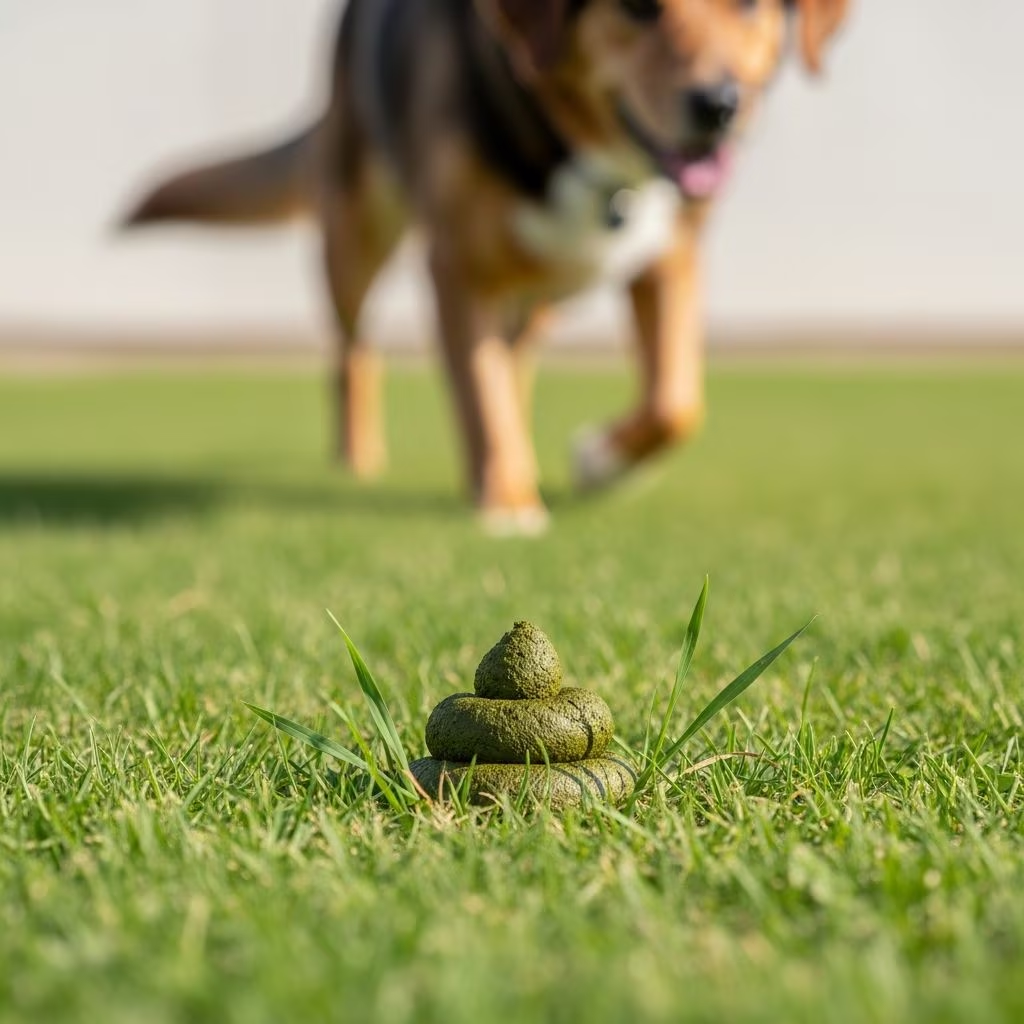
A change in your dog’s stool color can be concerning for any pet owner. While green dog poop might seem alarming, it can result from various causes ranging from harmless dietary choices to underlying health conditions. Understanding what triggers this color change and recognizing which situations require immediate veterinary attention is essential for responsible pet care. This guide explores the multiple factors that contribute to green stool in dogs and provides insight into when professional medical evaluation becomes necessary.
What Constitutes Normal Dog Stool
Before examining abnormal stool colors, it is important to establish what healthy dog feces should look like. Normal dog stool typically appears in shades ranging from light to dark brown, with a formed, segmented consistency. The stool should hold together without being overly hard or excessively soft. Any deviation from this baseline, including color changes, texture alterations, or consistency variations, may warrant closer observation and potentially professional evaluation.
Healthy stool indicates that a dog’s digestive system is functioning properly, nutrients are being absorbed effectively, and the gastrointestinal tract is free from significant inflammation or infection. When stool color changes to green, it signals that something has shifted in the digestive process, though this does not automatically indicate a serious problem.
Dietary and Environmental Causes
Grass Consumption and Plant Material
One of the most straightforward explanations for green stool is that your dog has consumed grass or other plant material. Dogs often chew grass for various reasons, including boredom, nutritional deficiencies, or simply curiosity about their environment. When grass passes through the digestive system without being fully broken down, it can impart a greenish tint to the stool. Additionally, other leafy vegetables or plant-based treats can produce similar results.
If your dog has access to a yard or frequently goes on walks where grass is available, grass consumption is a likely culprit for occasional green stools. This cause is generally not concerning, especially if your dog is otherwise healthy and showing no other symptoms.
Food Dyes and Colored Treats
Many commercial dog treats, dental chews, and supplements contain food coloring or dyes that can affect stool color. Green-colored treats or those containing artificial dyes may result in green-tinted stool within hours of consumption. Some supplements designed to support joint health or dental hygiene also contain compounds that can alter stool appearance.
If you have recently introduced new treats or supplements to your dog’s diet, reviewing the ingredient list and discontinuing them temporarily can help determine whether they are responsible for the color change. Most cases resulting from food dyes resolve naturally within 24-48 hours.
Dietary Changes and Digestive Adjustment
Transitioning to a new dog food too quickly can disrupt the digestive system and cause temporary stool discoloration. When dogs switch foods without a gradual transition period, their gut bacteria and digestive enzymes may struggle to process the new ingredients efficiently. This adjustment period typically results in loose stool or diarrhea that may appear greenish.
To minimize digestive upset when changing foods, pet owners should gradually introduce the new food over 7-10 days, mixing increasing amounts of the new food with the old food. If green stool appears after a diet change, allowing 48 hours for adjustment before seeking veterinary care is reasonable, provided the dog shows no other concerning symptoms.
Digestive and Metabolic Causes
Accelerated Intestinal Transit
When food moves too quickly through the digestive tract, bile pigments do not have sufficient time to be fully processed and reabsorbed by the intestines. This rapid transit, known as accelerated intestinal transit, causes stool to retain a greenish hue. Several conditions can trigger this increased motility, including acute gastroenteritis, stress, or certain intestinal disorders.
The accelerated movement through the digestive system also means that nutrients are not absorbed as efficiently, potentially leading to nutritional deficiencies if the condition persists. Dogs experiencing this issue often have loose stool or diarrhea rather than formed feces.
Bile Imbalances and Gallbladder Dysfunction
The gallbladder produces and stores bile, a substance essential for breaking down fats during digestion. When bile passes through the digestive system too rapidly without being properly reabsorbed, or when there are issues with gallbladder function, stool can develop a greenish or yellow-green appearance. Bile-related green stool may appear as solid green feces or may be accompanied by loose, watery consistency.
Beyond stool color changes, gallbladder problems often present with additional symptoms including decreased appetite, vomiting, abdominal pain, lethargy, and in some cases, jaundice (yellowing of the skin and eyes). Dogs exhibiting these combined symptoms require prompt veterinary evaluation, as gallbladder issues can be serious if left untreated.
Infectious and Parasitic Causes
Parasitic Infections
Giardia and other intestinal parasites frequently cause green stool in dogs. Giardia is a protozoan parasite that affects the intestinal lining and interferes with nutrient absorption and normal digestive processes. Dogs become infected through contaminated water sources, contact with infected animals, or exposure to contaminated soil.
Giardia presents a particular concern in puppies and senior dogs whose immune systems may be compromised. Young puppies are especially vulnerable to severe infections, while older dogs may have difficulty clearing the infection. Dogs living in environments with multiple animals, frequent visitors to dog parks, or those who spend time in damp areas are at higher risk for parasitic infections.
Additional signs of parasitic infection include:
- Slimy or mucus-covered stool
- Diarrhea with a foul odor
- Weight loss or failure to gain weight
- Constipation or straining during bowel movements
- Soft, watery consistency
Interestingly, dogs on regular parasite prevention medications can still contract giardia or coccidia, making veterinary diagnosis and treatment necessary rather than relying solely on preventive measures.
Bacterial Infections
Certain bacterial strains, including pathogenic E. coli and Salmonella, can cause green, bloody, or jelly-like diarrhea. Bacterial gastroenteritis develops when dogs consume contaminated food or water or come into contact with infected animals. These infections require prompt veterinary attention, especially when accompanied by fever, loss of appetite, or signs of systemic illness.
Inflammatory and Metabolic Conditions
Gastroenteritis and Intestinal Inflammation
Gastroenteritis, defined as inflammation of the stomach and intestines, can stem from multiple underlying causes including infections, parasites, inflammatory bowel disease, and stress. When the gastrointestinal tract becomes inflamed, normal digestive processes are disrupted, leading to green-tinted stool along with other symptoms.
Dogs with gastroenteritis typically display additional signs beyond green stool, such as:
- Diarrhea or loose stools
- Vomiting or retching
- Abdominal pain or sensitivity when touched
- Loss of appetite or refusal to eat
- Lethargy and reduced activity
- Mucus or slime in stool
The inflammation causes food to transit too quickly, preventing proper bile reabsorption and nutrient absorption, which contributes to the green color.
Colitis and Inflammatory Bowel Disease
Colitis, inflammation of the colon, can produce green stool, particularly when accompanied by mucus or slime. Inflammatory bowel disease (IBD) represents a chronic condition where the intestinal lining becomes persistently inflamed, disrupting normal digestive function. Both conditions require veterinary diagnosis and management to prevent weight loss, nutritional deficiencies, and persistent discomfort.
Toxin Exposure and Poisoning
Exposure to certain toxins can cause green stool and represents one of the more serious potential causes. Rodenticides, commonly known as rat poison, are frequently dyed green and possess an odor that attracts dogs. If a dog ingests rat poison, green stool may be the only initial indicator of toxin exposure. Rat poison is toxic to dogs and can cause serious harm including bleeding disorders and organ damage.
Beyond rat poison, other toxic substances that may cause green stool include:
- Certain cleaning products
- Pesticides and herbicides
- Plant toxins from toxic plants
- Medications or substances containing harmful additives
If you suspect your dog has consumed a toxic substance, contact a veterinarian or emergency animal poison control center immediately. Symptoms of toxin exposure may take several days to become apparent, and early intervention significantly improves outcomes.
Recognizing When Veterinary Care is Necessary
While some causes of green stool resolve naturally without intervention, certain situations require professional veterinary evaluation. Understanding these warning signs helps protect your dog’s health.
| Symptom Combination | Potential Cause | Recommended Action |
|---|---|---|
| Bright green stool only | Grass or treat consumption | Monitor for 24 hours |
| Green stool with mucus or slime | Parasites or colitis | Schedule veterinary appointment |
| Green stool with vomiting | Infection, toxin, or bile issue | Contact vet promptly |
| Bright green stool with lethargy | Toxin exposure | Emergency veterinary care |
| Persistent green diarrhea | Underlying illness | Bring stool sample to vet |
| Green stool with jaundice | Gallbladder or liver issue | Emergency veterinary care |
Symptoms Requiring Immediate Attention
Contact an emergency veterinarian if your dog exhibits any of the following:
- Bright green or uniformly green stool (possible toxin exposure)
- Jaundice (yellowing of skin, eyes, or gums)
- Severe lethargy or collapse
- Repeated vomiting or inability to keep food down
- Bloody stool or stool containing blood
- Signs of severe abdominal pain (hunched posture, whining, reluctance to move)
- Fever or signs of systemic illness
Symptoms Requiring Routine Veterinary Evaluation
Schedule a veterinary appointment within 24-48 hours if your dog shows:
- Green stool accompanied by mucus or slime
- Persistent diarrhea lasting more than 48 hours
- Green stool without an obvious cause
- Mild vomiting or decreased appetite
- Straining or difficulty with bowel movements
- Weight loss or visible changes in body condition
Diagnostic Approach and Home Management
When you take your dog to the veterinarian for evaluation of green stool, bringing a fresh stool sample significantly aids diagnosis. Veterinarians can perform microscopic examination and fecal testing to identify parasites, bacteria, or other abnormalities. In some cases, additional testing such as blood work, abdominal imaging, or specialized gastrointestinal evaluations may be recommended.
For mild cases where green stool appears without other symptoms and a probable cause such as grass consumption is evident, home monitoring is appropriate. Document the stool appearance, frequency, consistency, and any additional symptoms. Maintain your dog’s regular diet unless veterinarian-directed otherwise, and ensure access to fresh water to prevent dehydration.
Avoid administering over-the-counter medications or supplements without veterinary guidance, as these may mask underlying problems or interact with other treatments.
Prevention and Long-Term Management
Maintaining your dog’s digestive health reduces the likelihood of green stool episodes. Provide high-quality, appropriate nutrition with foods suitable for your dog’s age, size, and health status. Ensure all dietary transitions occur gradually over 7-10 days to allow the digestive system to adapt.
Maintain current parasite prevention with products recommended by your veterinarian, which protects against many common parasites. Keep your dog’s environment clean, particularly food and water bowls, to reduce bacterial contamination risk. Supervise your dog’s outdoor time to minimize exposure to contaminated water sources and reduce grass consumption.
Regular veterinary checkups provide opportunities for early detection of digestive issues and overall health assessment. Discuss any stool changes, dietary concerns, or behavioral shifts with your veterinarian promptly.
Frequently Asked Questions
Is green dog poop always a sign of illness?
No. Green stool can result from benign causes like grass consumption or food dyes. However, when accompanied by other symptoms like diarrhea, vomiting, or lethargy, it warrants veterinary evaluation.
How long should I monitor green stool before calling the vet?
If your dog has isolated green stool without other symptoms and an obvious cause like grass or treats, 24 hours of monitoring is reasonable. If the condition persists beyond 24-48 hours or other symptoms develop, contact your veterinarian.
Can food allergies cause green stool?
Yes. Food allergies or sensitivities can trigger gastroenteritis or colitis, leading to green stool along with diarrhea and other gastrointestinal symptoms. Identifying and eliminating the offending food often resolves the issue.
What should I bring to the veterinary appointment?
Bring a fresh stool sample in a clean container, along with notes documenting when the green stool began, any dietary changes, potential exposures, and additional symptoms your dog is experiencing.
Is green stool contagious?
If the green stool results from parasites or infectious agents like giardia or certain bacteria, the underlying condition can be contagious to other dogs. Maintain good hygiene practices and limit contact with other dogs until your pet has been diagnosed and treated.
References
- Green Dog Poop: 7 Causes Explained by a Vet — PetLab Co. 2024. https://thepetlabco.com/learn/dog/health-wellness/green-dog-poop
- Why Your Dog’s Poop Is Green & What It Means — Poo Squad. 2024. https://www.poosquad.com/why-dog-poop-is-green/
- What the color of your dog’s poop can tell you — Vetster. 2024. https://vetster.com/en/wellness/what-the-color-of-your-dog-s-poop-can-tell-you
- Slime or Mucus in Dog Poop: Recognizing Emergency Signs — Golden State Veterinary Society. 2024. https://gsvs.org/blog/slime-dog-poop-emergency/



