

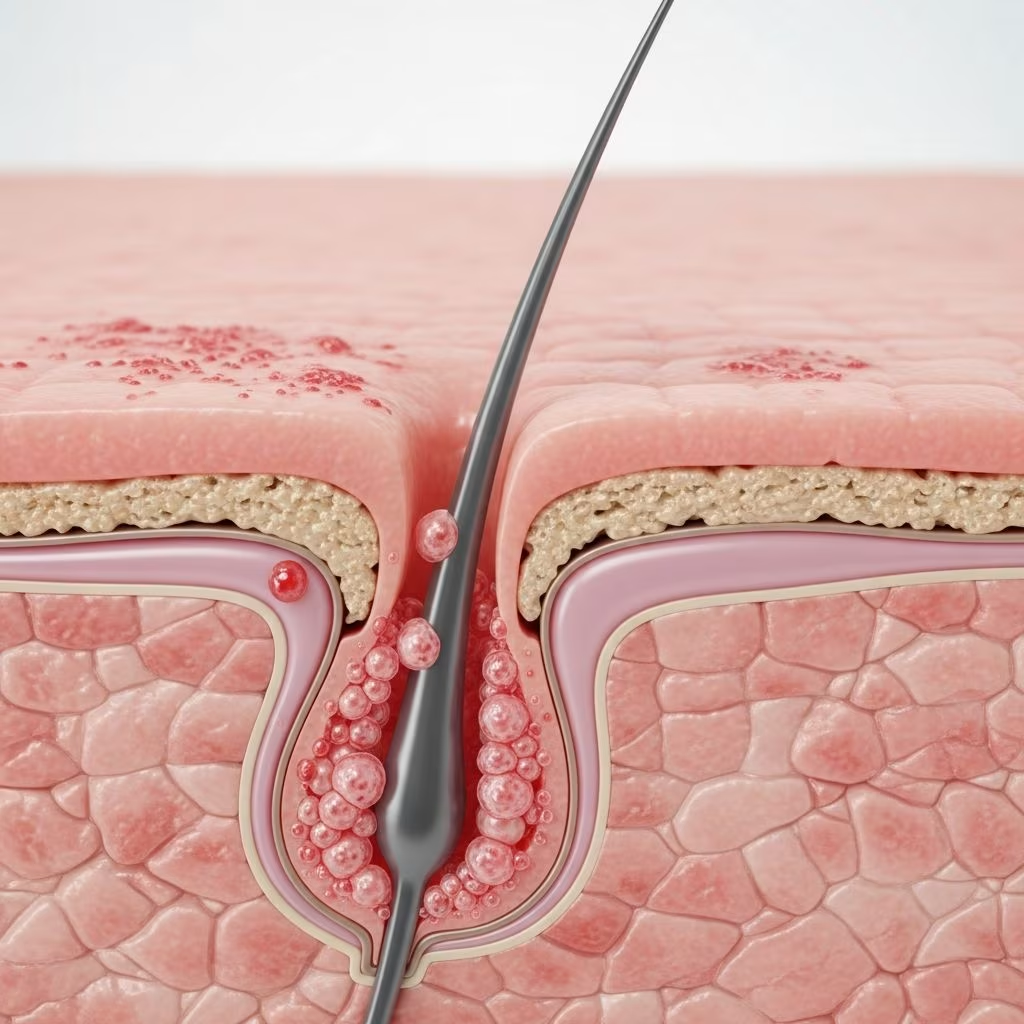
Hair follicle inflammation represents one of the most prevalent dermatological concerns affecting individuals across diverse demographics. When hair follicles become infected or inflamed, they trigger a condition known as folliculitis—a skin disorder that manifests through various physical presentations depending on its underlying cause and severity. This condition can range from mild irritation that resolves independently to more serious infections requiring professional medical intervention.
What Exactly Is Folliculitis?
Folliculitis occurs when hair follicles undergo inflammation or infection, typically resulting in the appearance of small red or white bumps on affected skin areas. The condition develops when hair follicles are damaged or become blocked, creating an environment susceptible to microbial invasion. While it frequently resembles acne in appearance, folliculitis represents a distinct pathological process with different causative factors and treatment requirements.
The condition encompasses multiple distinct presentations, each with unique characteristics and underlying mechanisms. Understanding these differences proves essential for proper diagnosis and effective management. Folliculitis can affect various body regions, though it most commonly appears on areas prone to friction, moisture accumulation, or frequent hair removal procedures.
Distinguishing Between Superficial and Deep Infections
Medical professionals categorize folliculitis into two primary depth classifications based on how extensively the infection penetrates the skin structure.
Superficial folliculitis affects primarily the upper portions of hair follicles and surrounding skin. This type typically manifests as clusters of red bumps, occasionally containing pus, alongside localized redness and itching sensations. Most superficial cases respond well to conservative treatments and frequently resolve without leaving permanent scarring.
Deep folliculitis represents a more serious variant involving infection of deeper follicle structures and surrounding tissues. This form can present as larger, more painful swollen areas with substantial pus accumulation. Deep infections carry increased risk for complications, including permanent scarring after the infection resolves, and generally require more aggressive therapeutic approaches.
Primary Causative Factors
Multiple mechanisms can trigger folliculitis development, though certain bacterial species emerge as predominant culprits in clinical practice.
Bacterial Involvement
Staphylococcus aureus represents the most frequently identified causative organism in folliculitis cases. This bacterium naturally inhabits human skin and can proliferate when hair follicles sustain damage or become occluded. Occasionally, Pseudomonas aeruginosa causes folliculitis, particularly in cases associated with inadequately maintained hot tubs—a presentation often referred to as hot tub folliculitis.
Non-Bacterial Origins
Beyond bacterial infections, several other agents can provoke folliculitis development:
- Viral pathogens
- Fungal organisms, including yeast species such as Pityrosporum
- Parasitic infections
- Chemical irritation from medications or topical products
- Physical trauma to follicles without infectious involvement
Environmental and Behavioral Contributors
Certain daily activities and conditions significantly elevate folliculitis risk:
- Shaving, waxing, or aggressive hair removal techniques that damage follicle structures
- Tight-fitting garments that create friction and trap heat and moisture
- Immersion in inadequately chlorinated or maintained hot tubs and swimming pools
- Excessive perspiration, particularly in humid climates
- Application of non-breathable materials such as adhesive tape or rubber gloves
- Use of certain medications including corticosteroid creams and prolonged antibiotic therapy for acne
Systemic Health Factors
Underlying health conditions can substantially increase susceptibility to folliculitis:
- Diabetes mellitus
- HIV/AIDS and other immunocompromising conditions
- Dermatitis and other inflammatory skin diseases
- Hyperhidrosis (excessive sweating disorder)
- Any condition that reduces immune system capacity
Recognizing Folliculitis Symptoms
Folliculitis presents through a characteristic constellation of signs that typically appear around affected hair follicles:
- Small red or white pimple-like bumps
- Clusters of inflamed lesions in localized areas
- Pus-filled blisters or pustules
- Redness and inflammation of surrounding skin
- Itching, tenderness, or burning sensations
- Crusting over of affected lesions
- In severe cases, larger swollen areas with significant discomfort
Common affected areas include the neck, groin region, genital area, and any body surface subject to friction or moisture accumulation.
Understanding Different Folliculitis Types
Various folliculitis presentations require distinct recognition and management approaches.
Staphylococcal Folliculitis
This most common type results from Staphylococcus aureus infection of hair follicles, producing characteristic small red or white pus-filled bumps. Many cases resolve spontaneously with basic home care, though persistent or worsening cases require medical attention.
Barbershop-Related Variants
Barber’s itch develops as a staph infection specifically affecting beard area hair follicles, typically on the upper lip region, worsened by shaving trauma. Tinea barbae represents the fungal equivalent of barber’s itch, where fungal rather than bacterial organisms cause the infection.
Pseudomonas Folliculitis
This type characteristically emerges after hot tub or inadequately maintained pool exposure, triggered by Pseudomonas aeruginosa bacteria. Symptoms typically fade within several days without treatment in milder presentations.
Gram-Negative Folliculitis
Prolonged antibiotic use for acne can lead to overgrowth of gram-negative bacteria, paradoxically worsening skin conditions despite continuous antibacterial therapy.
Diagnostic and Assessment Approaches
Most folliculitis cases can be diagnosed through clinical observation of characteristic skin findings and patient history. However, when initial treatment proves ineffective or infections recur, healthcare providers may perform additional testing:
- Gram staining of pustule samples
- Bacterial culture to identify specific organisms
- Nasal culture screening for staphylococcal carriage
- Identification of methicillin-resistant S. aureus (MRSA) when suspected
These diagnostic measures help tailor treatment to the specific causative organism.
Treatment Strategies Across Severity Spectrums
Management approaches vary considerably based on infection severity, causative organism, and individual patient factors.
Mild Case Management
Mild folliculitis frequently resolves independently with conservative home care measures:
- Application of warm compresses to affected areas
- Cleansing with antibacterial soap
- Temporary cessation of shaving in affected regions
- Avoiding friction from tight clothing
Topical Pharmaceutical Interventions
When cases don’t resolve independently, topical treatments prove effective for many patients. Topical mupirocin and topical clindamycin represent first-line antimicrobial agents for staphylococcal folliculitis. Benzoyl peroxide 5% wash applied for 5-7 days during showering offers an alternative approach. Additionally, topical antifungal creams address fungal variants of the condition.
Corticosteroid preparations—both topical and oral formulations—effectively reduce inflammation, redness, and itching associated with folliculitis.
Systemic Antibiotic Therapy
Extensive skin involvement or recurrent infections necessitate oral antibiotics. Cephalexin at doses of 250-500 mg taken orally 3-4 times daily for 10 days represents a standard regimen for more serious presentations. Systemic therapy reaches deeper skin infections inaccessible to topical treatments.
Advanced Therapeutic Options
Persistent or chronically recurring folliculitis may warrant additional interventions:
- Laser therapy targeting and destroying hair follicles to prevent future outbreaks
- Drainage of deeper infections such as boils and carbuncles by healthcare providers
- Specialized management protocols for specific folliculitis variants
When Professional Medical Attention Becomes Necessary
While many mild cases resolve without intervention, specific circumstances warrant professional evaluation:
- Symptoms persisting beyond initial home care attempts
- Recurrent folliculitis episodes
- Deeper infections showing signs of systemic involvement
- Areas of concern on sensitive body regions
- Immunocompromised individuals with any folliculitis presentation
- Severe pain, extensive affected areas, or signs of spreading infection
Prevention Strategies and Risk Reduction
While folliculitis doesn’t exclusively affect individuals with poor hygiene, maintaining proper skin care practices helps minimize recurrence risk:
- Using clean razors and shaving in the direction of hair growth
- Moisturizing skin after shaving
- Wearing breathable, loose-fitting clothing
- Avoiding prolonged exposure to moisture and sweat
- Maintaining proper chlorination and hygiene of hot tubs and pools
- Managing underlying conditions like diabetes and dermatitis
- Using appropriate hair care products suited to individual skin types
Prognosis and Long-Term Outlook
The prognosis for folliculitis varies considerably based on presentation severity and causative factors. Superficial cases typically resolve completely without complications, while deep infections may leave temporary or permanent scarring. Early intervention generally improves outcomes and reduces complication risk. Most individuals respond well to appropriate treatment when instituted promptly.
Understanding folliculitis comprehensively—from its diverse causes to various treatment options—empowers individuals to recognize symptoms early and seek appropriate intervention when necessary. While many cases resolve independently, professional medical guidance ensures optimal outcomes and prevents potential complications associated with persistent or recurrent infections.
References
- Folliculitis Signs & Treatment — Dermatology Affiliates. 2024. https://www.dermatologyaffiliates.com/conditions/folliculitis
- Folliculitis – Dermatologic Disorders — Merck Manuals. 2024. https://www.merckmanuals.com/professional/dermatologic-disorders/bacterial-skin-infections/folliculitis
- Folliculitis: Symptoms, Causes, and Treatment — Artemis Hospitals. 2024. https://www.artemishospitals.com/blog/folliculitis-symptoms-causes-treatment
- Folliculitis – Symptoms & Causes — Mayo Clinic. 2024. https://www.mayoclinic.org/diseases-conditions/folliculitis/symptoms-causes/syc-20361634
- Folliculitis: Appearance, Causes, Symptoms & Treatment — Cleveland Clinic. 2024. https://my.clevelandclinic.org/health/diseases/17692-folliculitis
- Folliculitis: Care Instructions — My Health Alberta. 2024. https://myhealth.alberta.ca/Health/aftercareinformation/pages/conditions.aspx?hwid=zc1589
- Folliculitis — Penn Medicine. 2024. https://www.pennmedicine.org/conditions/folliculitis



