Ferret Care: Complete Guide To Biology, Behavior, And Health
Discover the essentials of ferret biology, behavior, health needs, and expert care tips for happy, thriving pets.
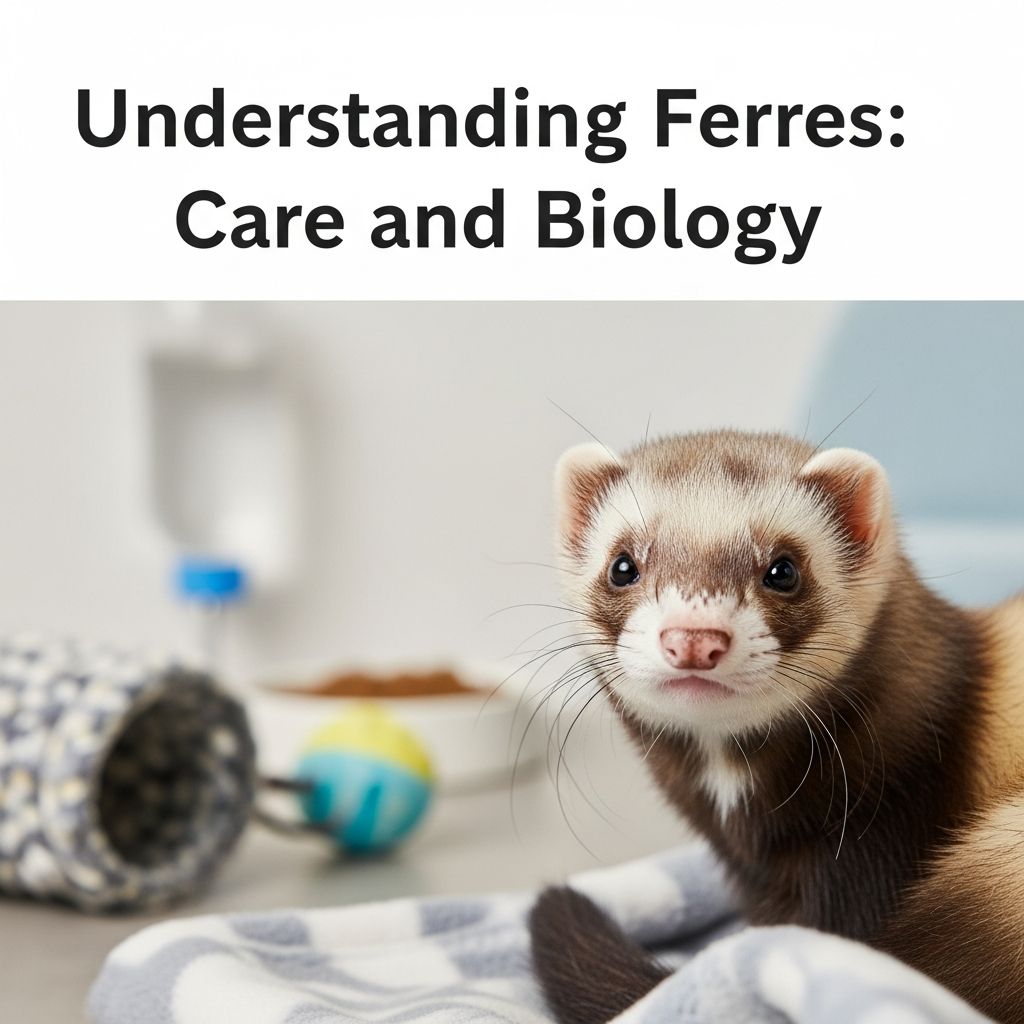
Ferrets, with their boundless energy and mischievous charm, rank among the most engaging exotic pets. Descended from the European polecat, these slender mustelids blend wild instincts with domesticated adaptability, making them ideal companions for dedicated owners. This guide delves into their biological makeup, behavioral patterns, dietary necessities, living environments, and wellness concerns to equip you with the knowledge for responsible ownership.
Biological Foundations of Ferrets
Ferrets belong to the Mustela genus, specifically Mustela putorius furo, a domesticated form of the wild polecat. Adults typically measure 20 inches in length, including a 5-inch tail, and weigh between 1.5 and 4 pounds, with males larger than females. Their long, flexible bodies, short legs, and keen senses suit them for burrowing and hunting.
These animals exhibit a crepuscular rhythm, peaking in activity at dawn and dusk, while sleeping 14-20 hours daily in curled positions or hammocks. Sexual maturity arrives around 6 months, influenced by lengthening daylight that triggers hormonal surges via reduced melatonin and elevated gonadotropins. Females (jills) may remain in prolonged estrus without breeding or intervention, risking health complications like anemia. Males (hobs) show heightened marking via preputial glands during peak seasons.
| Aspect | Males (Hobs) | Females (Jills) |
|---|---|---|
| Weight Range | 3-4 lbs | 1.5-2.5 lbs |
| Length | Up to 24 inches | Up to 20 inches |
| Maturity Age | 6-8 months | 4-6 months |
| Seasonal Behavior | Increased marking | Prolonged estrus |
Decoding Ferret Behaviors
Ferrets communicate through a rich repertoire of actions, vocalizations, and postures rooted in their predatory heritage. Healthy individuals display curiosity, constant motion interspersed with sleep, and responsiveness to treats. They chew, dig, and explore relentlessly, reflecting polecat ancestry.
Social and Play Dynamics
Highly social, ferrets flourish in groups, sharing spaces harmoniously yet claiming personal territories via corner defecation or anal dragging. Play mimics hunting and mating: chasing, ambushing, wrestling, mounting, and inhibited neck biting, often with ‘dooking’ chuckles signaling joy or hissing indicating mock aggression. The ‘weasel war dance’—sideways hopping with arched back and puffed tail—expresses excitement or challenge.
- Chase and Ambush: Initiates play sequences, veering into reciprocal pursuits.
- Wrestling: Rolling with gentle bites, practicing predatory skills.
- Slumping: Brief pauses mimicking stalk, followed by rear-leg pushes.
Vocal and Territorial Signals
Sounds convey emotions: dooking for happiness, barking for excitement or alarm, hissing/screaming for fear or pain, and high-pitched screeches during distress. Territorial marking includes anal drags, body rubs, and wiping oily secretions on surfaces. Greeting involves sniffing anal, neck, and shoulder regions.
Affection towards humans manifests in ‘ferret kisses,’ gleeful greetings, and maturing cuddles, though kits prioritize exploration. Defensive responses like jaw snapping or tail bristling (piloerection) signal threat.
Nutritional Requirements for Optimal Health
As obligate carnivores, ferrets demand diets rich in protein and fat, low in fiber, with 3-hour gut transit times necessitating frequent small meals. They snack throughout the day, gaining winter weight, and thrive on meat-based kibble avoiding carbs or sugars.
- Protein: 35-40% from animal sources.
- Fat: 20-30% for energy.
- Fiber: Under 3% to prevent digestive issues.
Provide constant access to fresh water. Supplements like taurine or omega-3s support heart and coat health, per veterinary guidance.
Creating Ideal Living Spaces
Ferrets require spacious, multi-level cages (minimum 4x2x2 feet) with hammocks, tunnels, litter boxes (shallow, non-clumping litter), and toys for chewing/digging. Daily out-of-cage time (2+ hours) prevents boredom and obesity.
Social housing suits pairs or groups, but monitor introductions. Secure play areas prevent swallowing foreign objects, a common obstruction risk. Bedding should mimic burrows—enclosed, soft fabrics.
Health Monitoring and Common Concerns
Vigilance spots issues: glazed eyes, immobility, poor grooming, or isolation indicate illness. Rear limb weakness signals potential problems. Annual vet checks, vaccinations (distemper, rabies), and spaying/neutering mitigate estrus risks and cancers.
Key threats include insulinomas, adrenal disease, and fleas. Clean ears weekly, trim nails monthly, and brush coats seasonally.
Ferret Ownership: Practical Tips
Litter training succeeds via corner preferences; use enzymatic cleaners for accidents. Enrichment via puzzle feeders and rotations curbs nipping. Handle kits daily for socialization.
Frequently Asked Questions (FAQs)
Are ferrets good for beginners?
They suit active owners committing to daily interaction and cleanup, not novices seeking low-maintenance pets.
How long do ferrets live?
6-10 years with proper care, emphasizing diet and enrichment.
Can ferrets live alone?
Prefer companions but thrive solo with ample human time.
What vaccines do ferrets need?
Distemper annually first three years, then every 3 years; rabies as required.
Do ferrets smell bad?
Regular baths, descenting (optional), and cage cleaning minimize odor.
References
- Ferret behavior and enrichment (Proceedings) — DVM360. 2023. https://www.dvm360.com/view/ferret-behavior-and-enrichment-proceedings
- Inherited Behavior Traits of the Domesticated Ferret — WeaselWords. 2022. https://weaselwords.com/ferret-articles/inherited-behavior-traits-of-the-domesticated-ferret/
- FERRET BEHAVIOR — PMC – NIH. 2020-04-15. https://pmc.ncbi.nlm.nih.gov/articles/PMC7158301/
- Mustela putorius furo (domestic ferret) — Animal Diversity Web (University of Michigan). 2023. https://animaldiversity.org/accounts/Mustela_putorius_furo/
- FERRET BEHAVIOR — Veterian Key. 2022. https://veteriankey.com/ferret-behavior/
- Ferret — Wikipedia (aggregated from primary sources). 2026. https://en.wikipedia.org/wiki/Ferret
Similar Articles








Read full bio of Sneha Tete